African Primate Research Timeline: From Remote DRC Sighting to Official Species Confirmation
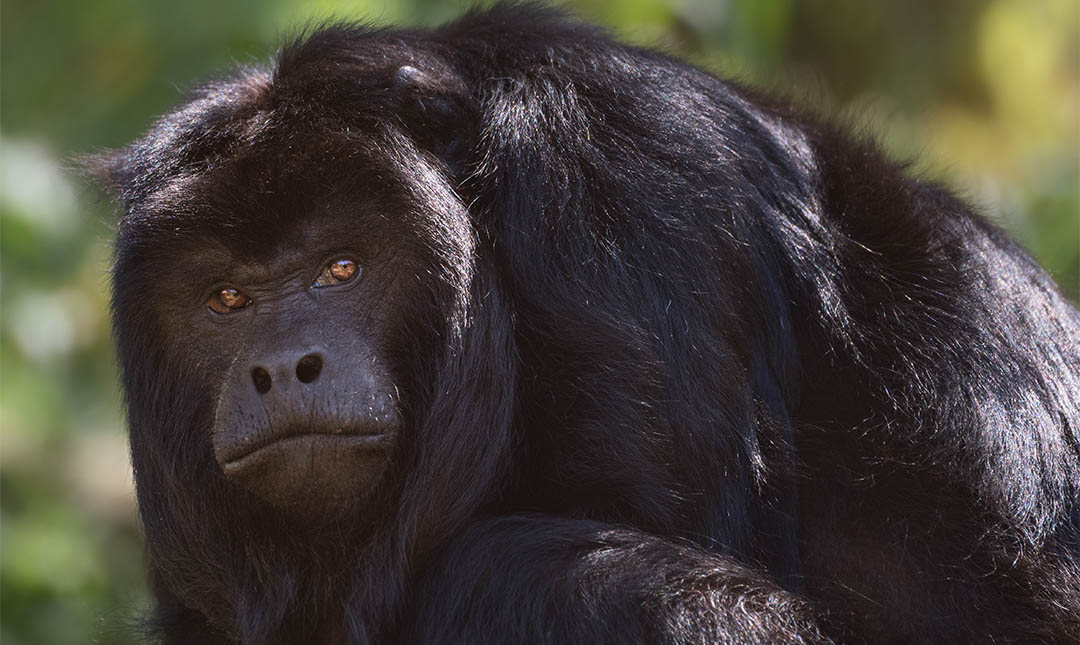
Deep within the flooded forests of the central Congo Basin, field biologists have confirmed what local hunters recognized for generations: a distinct, heavy-bodied, coal-black primate dwelling in the upper canopy. Known locally as the Likweli, this arboreal primate has emerged as one of the most significant African primate discoveries of the 21st century. Documented through multi-institutional fieldwork published in mid-July 2026 and highlighted by a YaleNews Report, the breakthrough resolves years of taxonomic speculation across the Democratic Republic of the Congo (DRC).
For decades, passing sightings of a large black monkey were written off as regional variants of the black colobus monkey or misidentified *Lophocebus mangabey* populations. Proving otherwise required five years of painstaking rainforest biodiversity mapping, bioacoustic surveillance, and genomic verification. The findings remind the scientific community how much biodiversity remains undocumented inside the world's second-largest tropical river basin.
📌 Key Takeaways:
- The Discovery: International research teams led by Congolese field biologists alongside researchers from Yale University and Florida Atlantic University officially classified the Likweli monkey species.
- The Method: Scientists paired indigenous ecological tracking with high-canopy audio recorders, non-invasive fecal DNA sequencing, and drone thermal mapping to confirm morphological and genetic divergence.
- Conservation Urgency: The species occupies a fragmented corridor of primary swamp forest under immediate pressure from commercial timber extraction and artisanal bushmeat hunting.
Whispers from the Tshuapa: Local Sightings That Upended Primate Fieldwork
The journey to scientific recognition did not begin under a microscope. It began along the winding river banks of the Tshuapa Province. River communities and subsistence hunters had long distinguished between the standard agile mangabey, the common red colobus, and a bulkier, shy black canopy monkey they referred to in Lingala dialects as Likweli. The animal was known for its deep, booming dawn vocalizations and its stubborn habit of occupying swamp-forest emergents over 40 meters above the ground.
Western primatologists historically brushed aside reports of an uncataloged large black monkey in the central basin. Conventional wisdom held that the geographic barrier of the Congo River and its tributaries left no evolutionary room for an undiscovered, large-bodied cercopithecid. Field surveys carried out between 2018 and 2021 routinely logged sightings as either Colobus satanas (black colobus) or isolated groups of Lophocebus aterrimus (black crested mangabey). Yet the anatomy reported by river guides never matched: the animals had heavier shoulder profiles, unique facial whorls, and calls that registered at noticeably lower acoustic frequencies.
Morphology and Genetics: What Separates Likweli from Known Colobines
Proving the Likweli stood apart required precise biological specimens. Researchers avoided destructive sampling, relying instead on high-resolution telephoto imaging, dropped feeding debris, and fresh fecal material retrieved from the forest floor. By late 2024, mitochondrial and nuclear DNA sequencing conducted through Yale primate research laboratories established that the Likweli split from its closest sister taxa roughly 2.8 million years ago during the late Pliocene.
Morphologically, the Likweli displays adaptations tuned specifically to the inundated evergreen forests of the Congo Basin. Unlike typical black colobus varieties, adult Likweli exhibit pronounced cheek tufts and an elongated ischial callosity pattern adapted for resting on water-slick bark. Adults average between 11 and 14 kilograms, making them visibly larger than standard regional arboreal monkeys. Their dental ridges show heavy enamel wear consistent with an abrasive, seed-heavy diet rather than an exclusively folivorous leaf diet.
From Canopy Audio to Tissue Sequencing: The Fieldwork Timeline
Formalizing a new species within the family Cercopithecidae demands verifiable proof across morphology, acoustic behavior, and molecular biology. The tracking campaign shifted from informal rumors to an organized field zoology expedition spanning multiple remote field seasons.
| Timeframe | Field Benchmark | Scientific Impact |
|---|---|---|
| June 2021, October 2022 | Deployment of 48 bioacoustic recording stations across the Tshuapa-Lomami river corridors. | Captured over 1,200 hours of anomalous low-frequency dawn calls distinct from known mangabeys. |
| March 2023, December 2023 | High-canopy camera trapping and non-invasive biological collection during seasonal flooding. | Secured high-resolution optical proof of physical traits and gathered 32 viable fecal DNA samples. |
| January 2024, November 2025 | Comparative genomic sequencing and morphological modeling across international laboratories. | Identified distinct mitochondrial divergence, establishing the population as a distinct lineage. |
| July 2026 | Formal peer-reviewed publication and species designation announcements. | Official inclusion of the Likweli monkey species into the mammalian taxonomic register. |
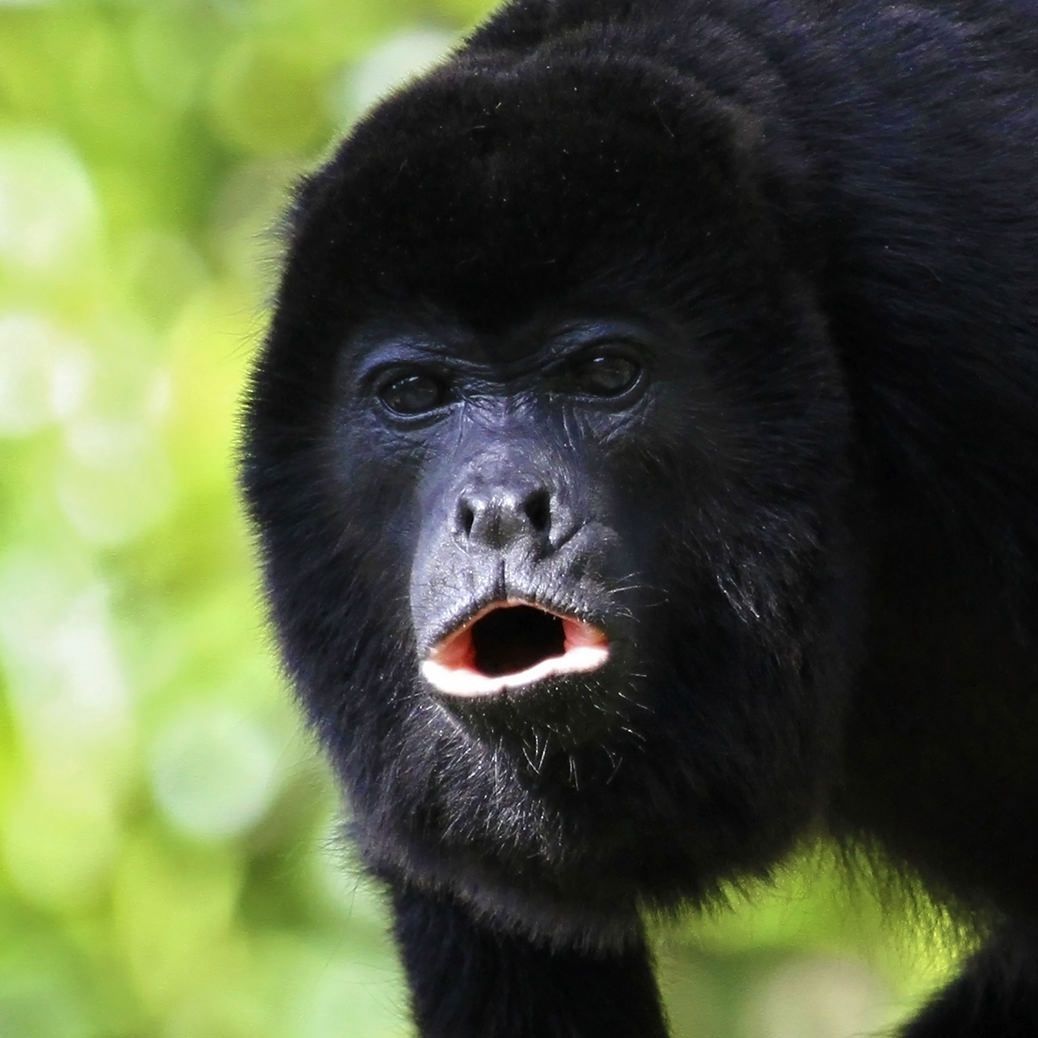
Resolving Cercopithecidae Taxonomy in Remote Central African River Basins
The formal description of the Likweli alters prevailing theories about historical speciation in Central Africa. For decades, the riverine barrier hypothesis treated the major bends of the Congo and Ubangi rivers as absolute boundaries that dictated monkey speciation. The presence of the Likweli within an interfluvial pocket indicates that Pleistocene climate fluctuations caused recurring forest fragmentation, trapping ancestral groups in isolated swamp micro-refugia where they evolved distinct characteristics independently.
Taxonomists spent two years ruling out hybrid populations. In dense rainforest environments, hybridization between colobines or between species of *Lophocebus* can create unusual physical coats that confuse field workers. High-depth nuclear genomic scans confirmed that the Likweli maintains consistent, species-level genetic boundaries with no evidence of recent admixture. Its discovery reopens historical field logs from mid-20th-century expeditions, suggesting earlier explorers frequently encountered the primate but filed their notes under generic regional species labels.
Habitat Realities: Logging Concessions and the Push for Protection
Confirming a new species brings immediate, complex conservation questions. Preliminary estimates place the remaining Likweli population at roughly 2,500 to 4,000 individuals. Their primary habitat consists of seasonally inundated swamp forests, areas historically shielded from clear-cut industrial logging due to difficult, waterlogged terrain. But economic shifts across central DRC are closing that natural barrier.
Dry-season timber roads now edge closer to the core ranges where Likweli troops forage. Road expansion invariably opens remote corridors to commercial bushmeat hunters targeting large-bodied arboreal mammals. Conservation biologists are coordinating with Congolese wildlife authorities (ICCN) to adjust regional reserve borders, ensuring critical feeding corridors receive formal sanctuary status before logging licenses fragment the canopy.
Frequently Asked Questions (FAQ)
Q1: Is the Likweli an entirely new genus or a newly identified species?
A1: The Likweli represents a newly described species within the existing cercopithecid family. Genetic markers clearly place it within its own distinct species branch, separate from both the black colobus (Colobus satanas) and the black crested mangabey (Lophocebus aterrimus).
Q2: Why did field verification take until 2026?
A2: The Likweli inhabits dense, flooded swamp forest that remains largely inaccessible on foot for up to eight months of the year. Gathering sufficient non-invasive genetic material and clear photographic evidence from high canopy heights required years of logistical preparation and advanced remote field technology.
Q3: What is the current primate conservation status of the Likweli?
A3: While formal IUCN Red List categorization is underway, researchers recommend an immediate classification of Endangered. The species faces a restricted geographic range, specialized swamp-canopy dietary needs, and rising threats from regional infrastructure development.
Preserving the Congo Basin's Living Canopy
The scientific verification of the Likweli monkey provides definitive proof that the vast canopy of Central Africa still harbors deep zoological secrets. Long recognized by indigenous forest trackers, the primate's entry into the global scientific register underscores the vital importance of blending traditional ecological knowledge with modern genomics. Moving forward, the focus shifts squarely to habitat protection. Ensuring that logging concessions, agricultural expansion, and resource corridors do not dismantle these fragile river systems is the only way this newly identified species will continue to echo across the Congo Basin for generations to come.
