Afro Taper Fade Visual Breakdown: Low, Mid, and High Examples
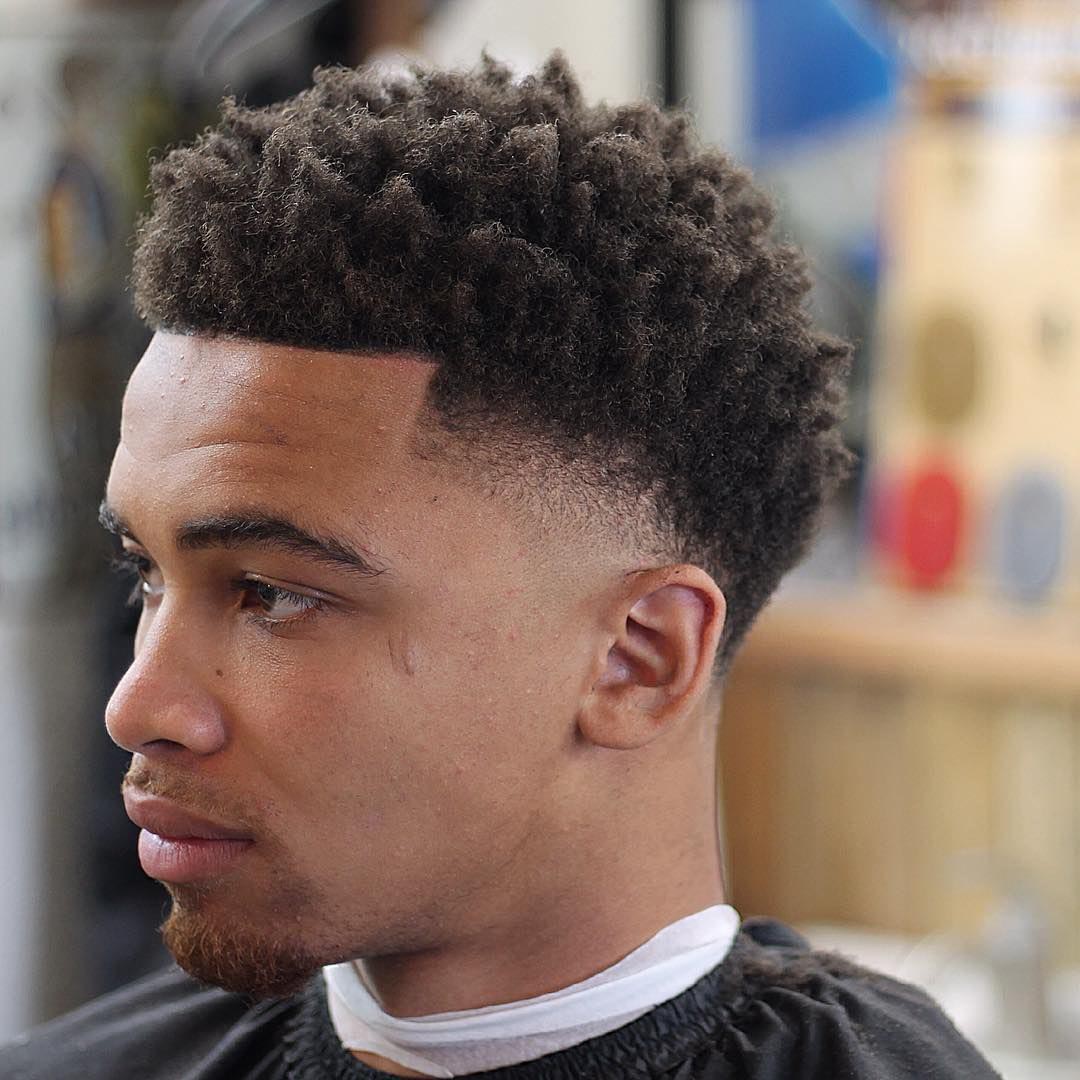
The modern taper fade has reshaped men's grooming, striking a precise balance between natural bulk and surgical sharpness. Rather than shearing hair down to the skin around the entire circumference of the head, a taper isolates the transition to two primary anchors: the sideburns and the nape. The rest of the crown retains its volume, giving natural coils and tight curls clean borders without sacrificing character. As outlined in the comprehensive grooming analysis from the Man of Many Report, modern barbering treats clipper work as structural architecture, calibrating blend heights to individual skull shapes and hair densities.
📌 Key Takeaways:
- Core Mechanics: A true taper clears only the temple points and the rear neckline, preserving maximum weight and perimeter hair along the parietal ridge.
- Height Selection: Low tapers preserve natural hairline profiles; mid tapers sit level with the temple crest; high tapers lift the visual weight to elongate rounder face structures.
- Texture Pairing: Tight 4C coily hair textures benefit from precise guard transitions (#0 through #2) and sharp outline work to keep silhouette edges crisp.
How the Taper Reshaped Black Hair Traditions
Barbershops have treated the afro as both sculpture and personal statement for generations. During the late 1970s and 1980s, geometric shapes dominated shop chairs, from steep high-top designs to perfectly rounded traditional cuts. Those vintage cuts often featured heavy, squared perimeters that demanded strict symmetrical picking. Today's preference leans heavily toward organic movement combined with precise baseline framing.
The surge in popularity comes down to daily wearability. A full skin fade leaves zero room for error, requiring clipper maintenance every four to six days to keep the sides clean. A taper offers breathing room. By leaving the hair over the ears connected to the crown, the haircut maintains an intentional shape even after two weeks of natural growth. It bridges the gap between rugged self-expression and board-room neatness.
The shift also reflects a broader movement toward celebrating raw curl patterns. Instead of chemically smoothing hair or cutting it down to a bare buzz, men are letting tight spirals grow out. The clipper cleanly isolates the hairline, providing an anchor that makes wilder crown volume look deliberate rather than untended.
Deconstructing Height: Low, Mid, and High Variations
Choosing between low, mid, and high tapers comes down to how much skin exposure you want versus how much raw perimeter hair you want to retain. Each variation changes the visual center of gravity of your head.
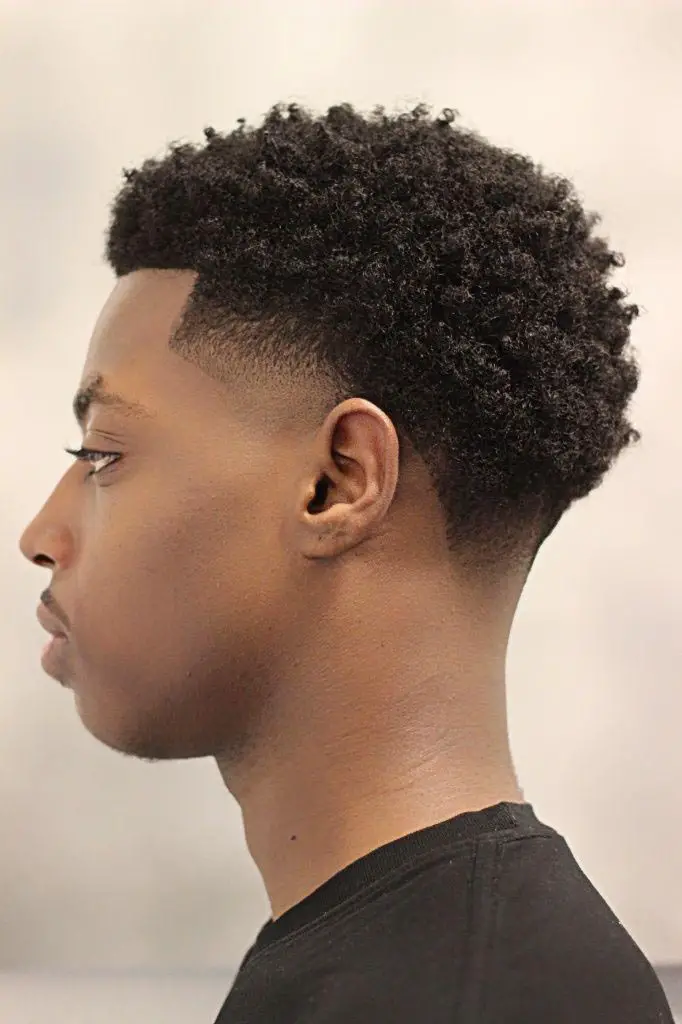
A low taper fade afro keeps the cut subtle. The blend begins right at the bottom edge of the sideburns and barely clears half an inch above the collar. This leaves the bulk behind the ear completely intact. It flatters oval and oblong face profiles because it avoids adding excess vertical height, letting the afro maintain an even, rounded silhouette.
A mid taper fade strikes an even balance. Barbers start the graduation roughly one inch above the ear, finishing the blend right at the temple point. This option clears bulk from the widest points of the jaw and cheeks, drawing eyes upward toward the textured crown. It works across almost every hair type, providing enough contrast to make sponge twists or picked-out coils pop without exposing the temporal bone.
A high taper afro produces high visual drama. The bald line starts near the temple line, blowing out the hair above the ear and rising high into the occipital bone at the rear. It mimics the aggressive contrast of a drop fade afro or traditional temp fade while preserving continuous crown density. If you carry a square or round jawline, the high taper removes side bulk entirely, visually slimming your face.
Visual Breakdown: Heights, Curl Dynamics, and Maintenance Specs
To choose the right cut before sitting in the barber's chair, match your daily routine and curl pattern against the technical execution required for each variation.
| Taper Variation | Fade Boundary & Guard Sizes | Ideal Texture & Style | Upkeep Cadence & Cost |
|---|---|---|---|
| Low Taper | Starts at bottom sideburn; clears 0.5, 1 inch. Guards: #000 to #1.5. | Classic rounded afro, medium 4C coils, subtle blowout. | 14, 21 days; $35, $50 per visit. |
| Mid Taper | Starts 1 inch above ear; blends through temple. Guards: #0 to #2. | Sponge twist afro, 4A, 4B curl definitions, casual freeform. | 10, 14 days; $40, $65 per visit. |
| High Taper | Starts at upper temple crest; clears parietal shelf. Guards: #000 to #3. | High blowout afro taper, short finger coils, angular shapes. | 7, 10 days; $45, $75 per visit. |
Matching Edge Profiles to 4C Coils and Loose Curls
Every barber knows that shrinkage changes the game. A dry 4C coily hair texture can shrink anywhere from 50% to 75% of its actual strand length when dry. When you sit in the chair, your barber must blend based on the dry resting state of your curls, not how long they look when stretched wet. Cutting damp coils risks creating patchy hollow spots near the transition zone once your hair dries and snaps back.
The temple fade section requires careful guard selection. Most barbers use a closed lever on an adjustable clipper, opening it progressively across guards #0.5, #1, and #1.5 before blending the top edge into bulk with a #2 or freehand clipper-over-comb. If your hair is dense, aggressive debulking with shears leaves the fade looking cloudy. Skilled hands use fine-toothed clippers to feather the transition so the fade stays smooth under direct light.
The neck taper finish sets the profile apart from behind. Barbers balance three options: a rounded bottom, a squared border, or a soft, faded neckline. For an afro taper, a faded finish into bare skin is standard. It eliminates stubble lines across the back of the neck and hides any uneven hairline growth along the nape, keeping the cut cleaner as your hair grows out.
Framing with the Line Up, Edge Up, and Blowout Effects
Without a sharp perimeter, even the smoothest fade falls flat. The line up edge up turns raw volume into an intentional cut. Barbers use zero-gapped detail trimmers to define the front corners, carving 90-degree angles at the temples that flow directly into the faded sideburns.
The styling method you choose up top dictates how those clean edges read:
The sponge twist afro introduces defined, uniform spirals. Using a textured styling sponge with light twisting butter or curl pomade, circular friction groups individual strands into tight clusters. This draws the top inwards, creating a sharp visual break between the defined curls and the faded skin at the temples.
The blowout afro taper, by contrast, relies on full volume. Barbers lift the hair from the roots using an afro pick and warm blow-dryer air, loosening the curl pattern into an airy, cloud-like shape. The contrast between this soft volume and a surgical skin fade creates an iconic shape that first took hold in 1990s basketball culture and remains popular today.
Styling Longevity, Curl Hydration, and Daily Upkeep
Keeping a taper fade looking fresh between chair visits requires direct care at home. Dryness is the primary cause of fading outlines. When hair lacks moisture, the edges fray, breaking up crisp lines within days of your cut.
Use a water-based leave-in conditioner every morning, followed by a light sealant like jojoba or sweet almond oil. Heavy petrolatum-based pomades clog the scalp, trap dead skin along your faded temples, and cause razor bumps around fresh trimmer lines. Sleep with a satin or silk durag, or use a satin pillowcase. Regular cotton fibers pull natural moisture out of your hair and cause friction that dulls fresh outlines overnight.
Avoid touching up your own temple line or neckline between shop visits. Bathroom mirrors flip your field of view, making it easy to slip and carve your hairline back by half an inch. Leave the detail trimmers on the shelf. If you want to tidy things up between appointments, use an exfoliating cleanser along the neck to clear dead skin and keep your faded edges crisp.
Frequently Asked Questions (FAQ)
Q1: What is the main difference between an afro taper and a low skin fade?
A1: An afro taper fades hair exclusively at two specific points: the temples and the back of the neck. Hair over the ears remains connected to the main body of the cut. A low skin fade cuts hair down to bare skin all the way around the head, removing bulk across the entire lower half of your hair.
Q2: How often should I visit the barber to maintain the cut?
A2: Expect to visit every 10 to 14 days for standard maintenance. The front line up and sideburn blends show growth within a week. If you prefer a lived-in, low-maintenance look, a low taper will hold its overall shape for up to three weeks before needing attention.
Q3: How do I tell my barber which taper height I want?
A3: Specify where you want the bald skin to stop. Ask for a "low taper" to keep the blend right at the bottom of the sideburns, a "mid taper" to clear skin roughly one inch above the ears, or a "high taper" to blow out the hair across the upper temples. Always show your barber a visual reference photo of someone who shares your specific curl pattern.
Selecting Your Taper Profile
Getting the right cut comes down to reading your natural curl pattern, your skull shape, and how much time you want to spend styling each morning. High tapers offer sharp contrast, slim rounder face shapes, and put the focus on top-heavy styles like freeform locs or sponge twists. However, they need frequent touch-ups to stay clean.
Low tapers look subtle and natural, preserving maximum hair volume while keeping your edges tidy. They are forgiving as they grow out and work well in professional settings. Work with your barber to find the right height, adjust your daily moisture routine, and let your natural texture stand out against clean, precise borders.
