Authentic Mexican Queso con Chiles vs. Tex-Mex Chile con Queso
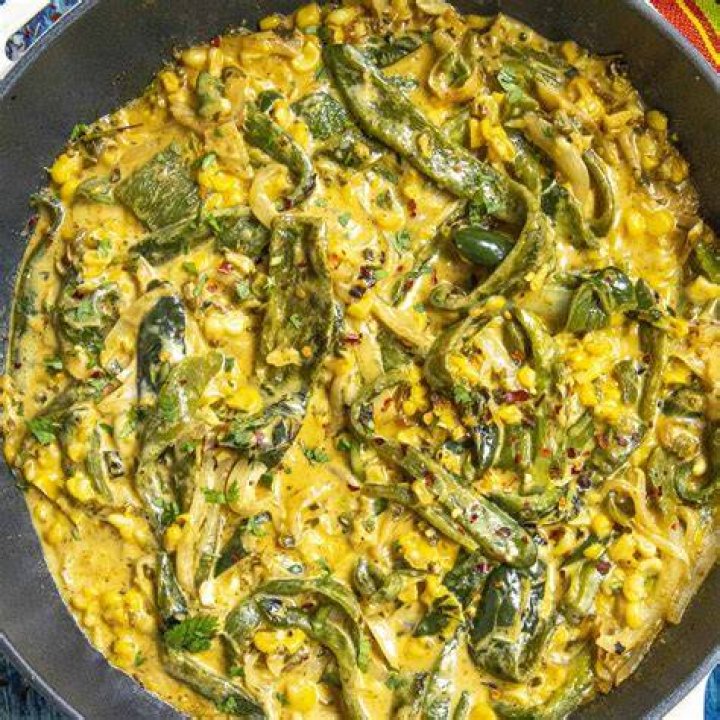
Walk down the refrigerated aisle of any major grocer today, and you will encounter tubs of velvety, liquid gold engineered to cling perfectly to fried tortilla chips. A recent taste-test analysis from the Sporked Report tracked how commercial food labs continue tweaking sodium citrate and cheddar ratios to claim the supermarket crown, reflecting an American obsession with smooth party dip. Yet thousands of miles along the borderlands and into central Mexico, asking a cook for melted cheese with peppers triggers a completely distinct culinary ritual.
The linguistic crossover between Mexican queso con chiles (often known regionally as rajas con queso) and Anglo-American chile con queso hides a century-long rift in agricultural technique, dairy chemistry, and kitchen philosophy. One dish is a rustic, textured sauté where stringy, pasture-raised melting curds wrap around smoky ribbons of poblano peppers. The other is a smooth, emulsified dipping sauce forged through twentieth-century industrial food processing. Understanding this divide requires peeling back layers of migration, marketing, and the stubborn identity of regional border cooking.
📌 Key Takeaways:
- Core Culinary Contrast: Traditional Mexican queso con chiles relies on semi-firm, unpasteurized or artisanal melting cheeses folded around fire-roasted green chiles, whereas Tex-Mex chile con queso operates as a fluid, emulsified cheese sauce designed for dipping.
- The Processing Pivot: The explosion of shelf-stable processed loafs and canned Ro-Tel tomatoes in the early-to-mid twentieth century transformed a seasonal borderland side dish into a nationwide staple of Tex-Mex cuisine.
- Table Presentation: Authentic Mexican versions are scooped into warm corn tortillas as an entree or taqueria filling, contrasting directly with communal baskets of fried corn chips and slow-cooker warmers found in American sports bars.
Fire, Smoke, and Pasture: The Mexican Foundation
In central and northern Mexico, cooking curds with nightshades begins with fire rather than a saucepan. Traditional rajas con queso centers on fresh poblano peppers charred directly over open embers until their glossy green skins blister and peel away. Cooks slice the flesh into tender ribbons, sweating them alongside white onions, garlic, and Mexican oregano in lard or neutral oil. Only in the final moments of heat does cheese touch the pan.
The dairy used here bears little resemblance to processed yellow blocks. Cooks reach for queso Oaxaca, a hand-stretched pasta filata cheese that shreds into fibrous ribbons, or queso asadero, an unpressed cow’s milk curd prized across Chihuahua and Durango for its gentle melting profile. A third element often enters the skillet: a splash of Mexican crema or raw milk, used sparingly to bind the pan drippings without liquefying the solids. Some northern households fold in crumbled queso fresco or aged cotija, allowing the salted table cheese to soften against the pepper’s heat without losing its grainy crumb.
The end product is not a dip. Eaten with warm, freshly pressed corn tortillas, authentic Mexican food treats this preparation as a substantial guisado (stewed dish). You tear a piece of maize, scoop a tangled knot of smoky chile strips and elastic curds, and consume it immediately before the proteins seize.
The Northern Migration and the Birth of Tex-Mex Chile con Queso
As culinary customs traveled north across the Rio Grande throughout the late 19th and early 20th centuries, regional adaptations accelerated. Early English-language records show Anglo settlers attempting to replicate the melted cheese dishes of Mexican ranch hands. Archival reporting from Texas Monthly documents recipes for green chile cheese sauces appearing in regional church auxiliary cookbooks as early as the 1890s. Those early formulations still called for real American cheddar, fresh roasted green chiles, and sweet cream, creating a temperamental sauce prone to splitting if overheated.
The turning point came with the rapid industrialization of American dairy during the 1910s and 1920s. Food chemist James L. Kraft patented process cheese in 1916, creating a heat-stable emulsion using sodium phosphate and sodium citrate. When Kraft acquired Velveeta in 1927, home cooks in Texas discovered a miracle ingredient. The cheese melted smoothly at moderate temperatures, rejected graininess, and never separated into pools of orange grease.
By the 1940s, the partnership between pasteurized process cheese food and canned green chiles was cemented. Carl Ro-Tel opened his canning facility in Elsa, Texas, packing diced vine-ripened tomatoes and fiery green chiles in brine. The combination of one can of Ro-Tel melted into one pound of Velveeta became the definitive formula for Tex-Mex cuisine across backyard gatherings and sports bars.
Dairy Chemistry and Ingredient Specifications Across the Border
The mechanical behavior of these two dishes relies on conflicting physical properties. Mexican table cheese preserves intact fat globules suspended in an acid- or rennet-coagulated protein matrix. American processed cheese relies on synthetic emulsifying salts that dismantle those structures, allowing milk fats and water to cohabitate at high temperatures without breaking.
| Culinary Dimension | Traditional Queso con Chiles / Rajas | Classic Tex-Mex Chile con Queso |
|---|---|---|
| Primary Cheese Base | Queso Oaxaca, Asadero, Chihuahua, or Quesillo | Pasteurized process cheese, sharp cheddar, Monterey Jack |
| Chile Variety & Prep | Fresh poblanos; direct fire-roasted, peeled, and sliced into rajas | Canned diced green chiles (Anaheim/Hatch) and Ro-Tel tomatoes |
| Physical Texture | Fibrous, elastic, semi-solid strands tangled with vegetables | Continuous, viscous, pumpable liquid emulsion |
| Service Method | Folded into soft, warm corn tortillas as a main dish or taco filling | Served in heated bowls or slow cookers with fried corn tortilla chips |
| Stabilizing Agent | None (optional heavy cream or Mexican crema reduction) | Sodium citrate, disodium phosphate, or flour roux |
Industrial Shelf Wars and the Restaurant Expansion
Commercial food companies spent the past decade trying to reverse-engineer restaurant-grade dip into stable grocery products. Shelf-stable cheese sauces frequently suffer from a gelatinous, rubbery mouthfeel once cooled, pushing food scientists to experiment with organic pasture-raised milks, natural emulsifiers, and Hatch valley pepper pastes. As regional reporting from outlets like AL.com demonstrated in coverage of multi-decade Tex-Mex family establishments across the American South, consumer expectations for yellow dip have hardened into sacred rituals. Restaurant regulars expect an immediate basket of heated chips paired with a piping-hot tureen within minutes of sitting down.
That expectation creates friction when American diners visit interior Mexican kitchens. In Mexico City, Guadalajara, or Puebla, requesting "queso con chiles" as a chip dip will often draw polite confusion. Instead, waitstaff direct guests toward queso fundido, a skillet of bubbling, melted cheese crowned with spiced chorizo or roasted rajas, accompanied by flour or corn tortillas rather than chips.
The industrialization of the American dip also sparked a modern artisanal counter-movement. High-end Southwestern restaurants in Austin, Santa Fe, and Denver now refuse canned ingredients, instead roasting roasted green chiles over pecan wood and using a house-made Mornay sauce blended with sharp white cheddars and aged Monterey Jack. Even in elevated settings, the goal remains an ultra-smooth coating rather than the elastic, stringy profile demanded south of the border.
Sourcing and Executing the Real Flavors at Home
Home cooks looking to explore both traditions need to respect the physics behind each preparation. Attempting to melt raw Mexican cheese into a smooth chip dip without stabilizers leads to broken oil and a rubbery plug of protein. Conversely, pouring yellow dip over tacos drowns the delicate, vegetal brightness of fresh roasted poblanos.
For authentic rajas con queso:
- Char 2 large poblano peppers directly over a gas flame until completely blackened. Steam in a covered bowl for 10 minutes, then wipe away the charred skin with a paper towel. Remove seeds and slice into half-inch ribbons.
- Sauté half a sliced white onion in lard or olive oil over medium heat until translucent. Stir in the sliced peppers, a minced garlic clove, and a half-teaspoon of dried oregano.
- Lower the burner, drop in 8 ounces of shredded queso Oaxaca or cubed queso asadero, and pull the skillet off the flame the instant the cheese softens. Wrap directly into steaming corn tortillas.
For elevated Tex-Mex chile con queso:
- Skip the shelf-stable loaf blocks in favor of fresh dairy stabilized with food-grade sodium citrate. Dissolve 11 grams (roughly one teaspoon) of sodium citrate into eight ounces of evaporated milk or light lager beer over medium-low heat.
- Whisk in 12 ounces of freshly grated medium cheddar and Jack cheese by the handful until smooth and glossy.
- Fold in a half-cup of fire-roasted New Mexican Hatch chiles, half a cup of fire-roasted diced tomatoes, and a pinch of ground cumin. The sauce will remain silk-smooth even as the temperature cools.
Frequently Asked Questions (FAQ)
Q1: Can I use Queso Fresco or Cotija to make a melted chile dip?
A1: No. Queso fresco and cotija are fresh, acid-set or dry-aged cheeses that hold their structural shape when heated; they soften and brown rather than melt. To create a stretchy, cohesive dish, use high-moisture, rennet-coagulated melting varieties like queso Oaxaca, queso asadero, or queso menonita (Chihuahua cheese).
Q2: Why does my homemade Tex-Mex queso turn grainy and oily when I reheat it?
A2: Standard aged cheeses like cheddar release their fat and proteins separate when subjected to high or uneven microwave heat. To prevent this, reheat the sauce gently over a double boiler with a tablespoon of evaporated milk, or incorporate half a teaspoon of sodium citrate into the original sauce base to lock the emulsion in place.
Q3: Is chile con queso an authentic Mexican dish or purely an American invention?
A3: It is an authentic regional borderland evolution. The dish evolved from 19th-century Northern Mexican ranch cooking (such as queso flameado and rajas con queso) that crossed into Texas and the Southwest. As processed cheese foods and canned peppers became standard kitchen staples in mid-20th-century America, the dish adapted into the fluid chip dip known today.
The Enduring Borderland Identity
Culinary evolution rarely follows neat, linear categories. The divergent paths of Mexican queso con chiles and American chile con queso reveal how agricultural infrastructure and commercial availability reshape traditional flavors over decades. Neither version needs to apologize for its existence.
The smoky, textured chew of fire-roasted poblanos woven through stretchy Oaxaca cheese honors traditional Mexican food markets and centuries of Mesoamerican culinary craft. Simultaneously, the silky, tomato-flecked drift of warm yellow dip across a salted tortilla chip represents a triumphant, singular masterpiece of borderland ingenuity. Recognizing the technical, agricultural, and cultural lines separating both styles is the surest way to savor every bite.
