Authentic Mexican Street Corn Salad: The Step-by-Step Guide to Foolproof Esquites
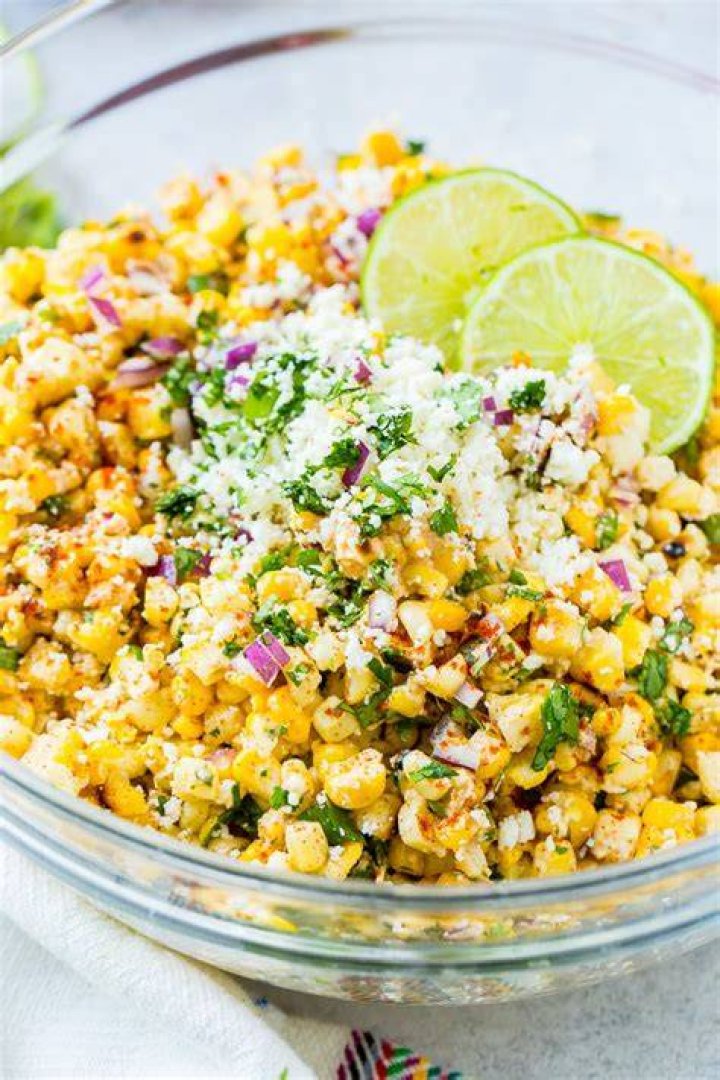
Every summer afternoon across Mexico City, street vendors begin warming their comales and steaming oversized metal pots. The aroma of roasted corn, charred husks, and rendering lard drifts through neighborhoods from Coyoacán to Roma Norte. While corn on the cob slathered in condiments, elote, commands international fame, its cup-bound sibling, esquites, offers far superior versatility. As detailed in a recent Simply Recipes Report, grilled Mexican street corn remains an undisputed fixture of warm-weather gatherings, yet home cooks frequently struggle to replicate that vibrant street-cart balance of fire, fat, salt, and acid in a standard kitchen.
Making a transcendent Mexican corn salad does not require a commercial wood-fired cart. It requires an understanding of how starch behaves under extreme heat, why specific dairy components matter, and how genuine street vendors construct layers of savory depth. When treated correctly, humble sweet corn sheds its cloying sugary profile and transforms into an intensely savory, smoky side dish that anchors any outdoor feast.
📌 Key Takeaways:
- The Heat Requirement: Charred sweet corn needs blistering surface heat above 450°F to develop smoky depth without losing its interior snap.
- The Dairy Balance: Traditional esquites rely on authentic Mexican crema combined with cotija cheese; American sour cream and cheddar create an overly heavy, acidic paste.
- Serving Architecture: Tossing warm kernels directly with fresh lime juice, chopped cilantro, and chili seasoning creates a light glaze rather than a watery dressing.
The Street-Food Origins of Elote and Esquites
Street food in central Mexico is an exercise in resourcefulness. The word esquites originates from the Nahuatl term ízquitl, which translates roughly to toasted corn. Historically, dried native maize was pan-toasted on clay comales with epazote, an aromatic herb with notes of citrus, mint, and petroleum. That ancient staple evolved into modern elote salad, shifting as European dairy and commercial mayonnaise infiltrated Mexican food culture during the mid-twentieth century.
Street carts in central Mexico still simmer their corn kernels with epazote and chicken feet to produce a rich, gelatinous stock. Vendors ladle hot corn into paper cups before layering dollops of mayonnaise, crema, salty cheese, ground dried chiles, and a squeeze of lime. In Northern Mexico and across the American Southwest, cooks frequently bypass the broth, opting to char the kernels directly over mesquite coals or in hot cast iron. Both styles deliver intense contrast. Sweet kernels burst against funky aged dairy, punctuated by the sting of raw lime juice.
The Chemistry of Char: Cast Iron Skillet Corn vs. Open Flames
Achieving distinct char marks on corn kernels while maintaining their structural snap requires intense, dry heat. Raw corn holds significant water content, hovering near 75% moisture by weight. Throwing wet kernels into a lukewarm nonstick skillet creates steam. The corn boils in its own juices, turning wrinkly, rubbery, and dull yellow.
For outdoor setups, grilling peak-season corn straight on the grates provides the deepest wood-smoke notes. Leave the husks pulled back, brush the kernels lightly with high-smoke-point oil, and roll the ears across direct charcoal heat reaching 500°F, 550°F. Rotate every 2 to 3 minutes until deep brown blisters cover all sides. Once cool enough to handle, stand each cob upright in a wide, shallow bowl and slice the kernels downward using a sharp chef's knife.
For indoor cooking, cast iron skillet corn delivers the most consistent blistered texture. A heavy 12-inch cast iron skillet retains thermal mass far better than stainless steel or aluminum. Heat the dry skillet over medium-high heat until wisps of smoke appear, add a single tablespoon of neutral oil or lard, and dump in the kernels in an even layer. Do not stir immediately. Leaving the corn undisturbed for 3 to 4 minutes forces the sugars in the kernel walls to caramelize and scorch. Stir once, wait another 2 minutes, and remove the pan from the burner before the kernels burst like popcorn.
Deconstructing the Emulsion: Crema, Cotija, and Acid Ratios
The dressing for esquites is not a pourable vinaigrette. It is a warm, clingy suspension built around cultured dairy and emulsified fats. Many American adaptations make the fatal mistake of drowning the kernels in store-bought mayonnaise, producing an oily, heavy side dish that masks the natural corn flavor.
Authentic street vendors balance commercial mayonnaise with Mexican crema. Crema features a higher fat content, typically around 30% butterfat, and lower acidity than standard American sour cream. Its texture resembles French crème fraîche: luxurious, slightly nutty, and pourable. Combining mayonnaise and crema in a 1:1 ratio provides structural cling without coating the tongue in grease.
Cotija cheese acts as the primary seasoning agent. Often called the parmesan of Mexico, cotija is a cow's milk cheese aged until dry, salty, and crumbly. It does not melt when scattered over warm corn; instead, it maintains tiny pockets of dry salt that counter the sweet kernels. If cotija proves impossible to locate, mild queso fresco combined with a dusting of grated Pecorino Romano serves as an acceptable emergency replacement, though authentic cotija remains irreplaceable for genuine street-cart flavor.
Cooking Methods Compared: Texture, Smoke, and Prep Times
| Method | Kernel Texture | Char Profile | Active Cook Time |
|---|---|---|---|
| Charcoal Grill (On the Cob) | Tender-crisp, firm skin | Deep wood-smoke, patchy dark blisters | 12, 15 minutes |
| Screaming Cast Iron Skillet | Juicy, snappy pop | Even speckling, toasted nuttiness | 8, 10 minutes |
| Oven Broiler (Sheet Pan) | Slightly dehydrated, softer | Uneven surface browning, minimal char | 14, 18 minutes |
| Traditional Street Simmer | Plump, broth-saturated, tender | No char marks; herbaceous savory broth | 25, 30 minutes |
The Step-by-Step Blueprint for Flawless Backyard Esquites
Executing this esquites recipe takes under 20 minutes from cutting board to serving bowl. Fresh sweet corn harvested during summer months yields the most tender results, though frozen corn works remarkably well when thawed and patted completely dry with paper towels.
Gather the following components:
• 4 cups fresh corn kernels (cut from roughly 5 medium ears)
• 1 tablespoon neutral oil or unsalted butter
• 2 tablespoons Mexican crema
• 2 tablespoons whole-egg mayonnaise
• 1/2 cup finely crumbled cotija cheese, divided
• 1/3 cup finely chopped cilantro leaves
• 1 medium jalapeño or serrano pepper, seeded and finely minced
• 1 small clove garlic, grated into a fine paste
• 1 to 2 tablespoons fresh lime juice (roughly 1 large juicy lime)
• 1 teaspoon tajín seasoning or mild chili powder, plus extra for garnish
• 1/4 teaspoon kosher salt
Begin by preheating your cast iron pan over high heat until dry heat radiates off the surface. Add the oil, followed immediately by the corn kernels spread in an even plane. Let them sear without moving for 3 to 4 minutes to develop heavy charring on the bottom. Toss the corn once or twice, blistering the remaining sides for another 3 minutes. Turn off the heat and scrape the grated garlic paste directly into the warm corn, allowing the residual pan heat to cook out the garlic's raw sulfur bite for 30 seconds.
Transfer the charred kernels into a wide ceramic serving bowl. Let them cool slightly for 3 to 5 minutes; tossing piping-hot corn with dairy will cause the emulsion to break into clear oil. Whisk the crema, mayonnaise, and fresh lime juice together in a small ramekin. Fold this mixture into the warm corn alongside the minced pepper, chopped cilantro, half of the cotija cheese, salt, and chili powder.
Taste the salad immediately. Adjust with an extra splash of fresh lime juice if the fat feels heavy, or add another pinch of salt if your cotija is on the milder side. Scatter the remaining cotija cheese across the surface and dust liberally with tajín seasoning right before bringing the bowl to the table.
Common Pitfalls That Turn Crisp Corn Into Soggy Slaw
The most frequent error in home kitchens stems from overcrowding the pan. Dumping four cups of cold corn into an 8-inch skillet drops the metal's surface temperature instantaneously. Trapped moisture quickly fills the pan, boiling the corn until it turns soggy. Cook in two batches if your largest skillet measures less than 12 inches in diameter.
Another common mistake involves substituting bottled lime juice for freshly squeezed limes. Shelf-stable citrus contains preservatives and essential oil extracts that impart a bitter, metallic aftertaste. Squeeze fresh Persian limes directly into the mixing bowl just before tossing.
Watch your herb handling as well. Bruising the cilantro with a dull kitchen knife forces aromatic oils out onto the wood cutting board, turning delicate leaves into a dark green paste. Use a razor-sharp blade, slice through the leaves in single, confident strokes, and fold the herb into the salad at the very end to retain crispness and color.
Frequently Asked Questions (FAQ)
Q1: Can frozen or canned corn work when peak-season corn is unavailable?
A1: High-grade frozen corn kernels work surprisingly well. Thaw them completely, spread them over two layers of paper towels, and press out every drop of surface moisture before searing. Canned corn contains excess salt and sugar that hinder crisp searing, making it a poor choice for high-heat blistered esquites.
Q2: What is the closest substitute for cotija cheese?
A2: A 50/50 blend of mild feta and finely grated Pecorino Romano mimics cotija closely. Feta replicates the moisture content and crumbly consistency, while Pecorino provides the sharp, salty, cow-and-sheep funk characteristic of dry-aged Mexican cheeses.
Q3: Can esquites be assembled ahead of time for summer cookout side dishes?
A3: You can char the corn and prep the dressing up to 24 hours in advance, keeping them stored in separate airtight containers in the refrigerator. Combine the charred sweet corn, dressing, herbs, and cotija no more than 30 minutes before serving to prevent the lime juice from breaking down the fresh cilantro and pulling moisture from the cheese.
Elevating the Warm-Weather Cookout Table
Great barbecue sides should never feel like an afterthought. While vinegar slaws and potato salads have their place, a bowl of blistered Mexican street corn salad cuts through heavy smoked meats with sharp citrus, salty cheese, and gentle pepper heat. Mastering this recipe requires very little equipment, just an unforgivingly hot pan, fresh sweet corn, and respect for balance. When those fire-roasted kernels hit the table dusted with tajín and cotija, expect empty bowls in record time.
