Behind the Scenes of the 'Shrinking' Crossover: Photos, Puppets, and Guest Stars

On a soundstage at Kaufman Astoria Studios in Queens, New York, an unexpected therapeutic breakthrough took place between a curmudgeonly cognitive behavioral therapist and an eight-foot-two canary. The ensemble cast of Apple TV’s acclaimed comedy series Shrinking stepped directly onto the brownstone stoop of the iconic children's series to produce six original video shorts alongside the classic Sesame Street cast and Muppets. As confirmed by an initial Variety Report, the production brought together comedy veterans, legacy puppeteers, and high-profile guest stars for a collaborative project exploring emotional resilience, patience, and vulnerability.
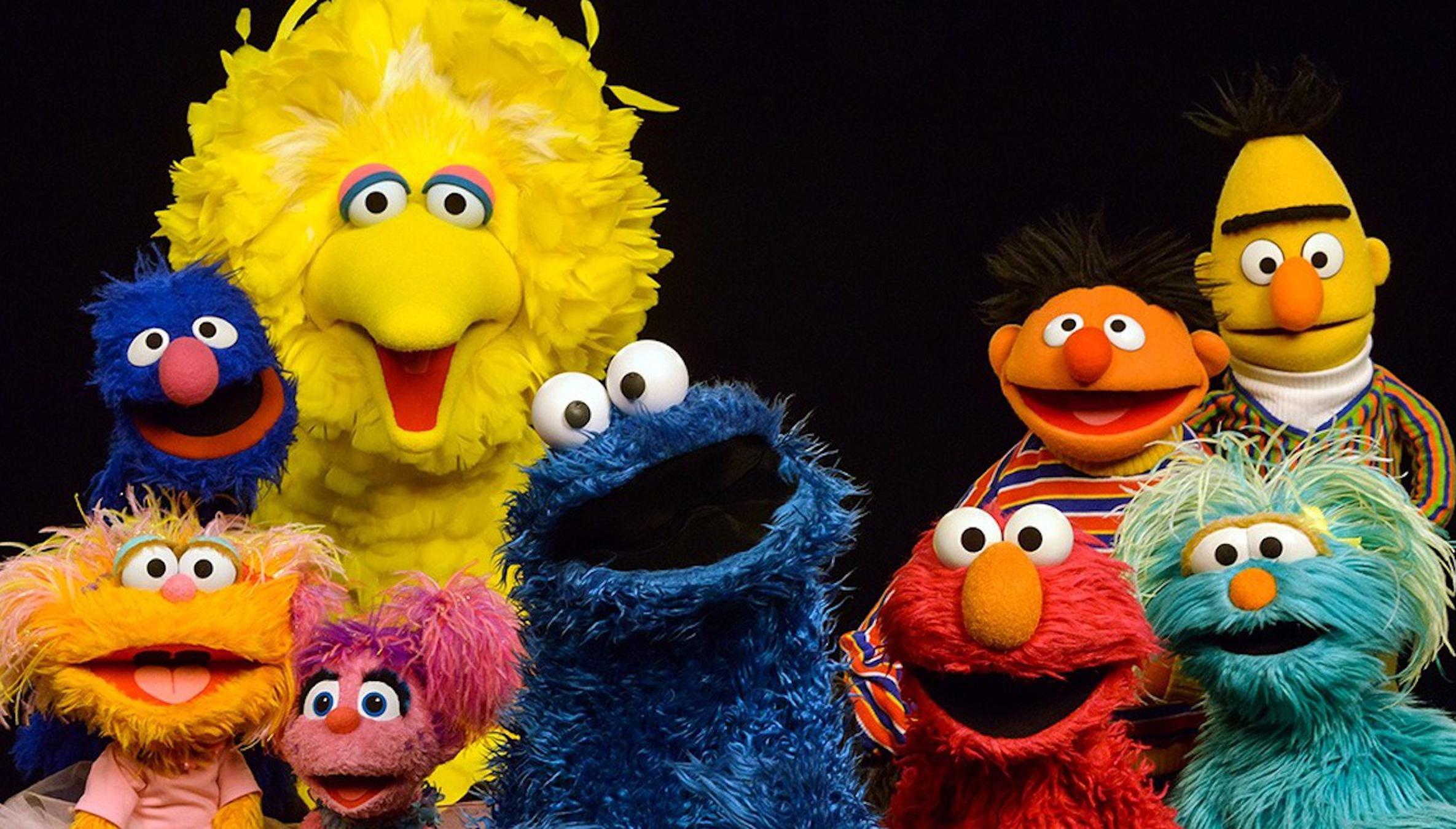
The production produced not just scripted shorts, but an extensive catalog of behind-the-scenes portraits that quickly circulated across digital feeds. Seeing performers known for sharp-edged adult humor trade deadpan beats with Elmo, Abby Cadabby, and Big Bird struck an immediate chord with television audiences. While Hollywood crossovers often lean on cheap irony, this collaboration leveraged the surprisingly shared emotional DNA of both series: navigating grief, learning how to listen, and figuring out what to do with messy feelings.
📌 Key Takeaways:
- The Production: Sesame Workshop and Apple TV teamed up to produce six original video shorts filmed on the historic Kaufman Astoria Studios lot.
- The Ensemble: Core cast members from Shrinking, including Jason Segel, Harrison Ford, and Jessica Williams, filmed one-on-one sketches paired with Muppets like Elmo, Big Bird, and Cookie Monster.
- The Editorial Premise: Rather than playing against character, the sketches translate the mental health themes of Shrinking into age-appropriate, bite-sized lessons in patience and emotional processing.
Astoria Soundstages Meet Cognitive Behavioral Comedy
The crossover originated from a clear thematic overlap. Shrinking, created by Brett Goldstein, Bill Lawrence, and Jason Segel, tracks therapist Jimmy Laird as he breaks clinical protocols to push patients into raw, honest emotional processing. Sesame Street, managed by the nonprofit Sesame Workshop since 1969, has spent more than five decades pioneering socio-emotional learning for early childhood development.
Production took place over two intense filming days in New York. The Shrinking cast arrived between production blocks for their show's upcoming season, swapping sunny Southern California backdrops for the weathered brownstones and chalk-drawn sidewalks of television’s most famous urban neighborhood. Cast members rotated through individual studio setups, rehearsing lines alongside master puppeteers who operate from sunken pits beneath the faux pavement.
The environment on set was marked by a reverent quiet unusual for single-camera comedy productions. Veteran actors accustomed to standard marks found themselves adjusting to puppetry monitors, sightlines calibrated to puppet eyelines, and the uncanny experience of addressing felt creatures that possess fully realized improvisational timing.
Six Original Shorts: Translating Mental Health for All Ages
The project centered on six distinct narrative vignettes designed for release across streaming channels and social platforms. Each segment matched one or two adult comedy actors with specific Muppet counterparts to tackle a singular emotional hurdle. Instead of parodied adult humor, the writing mirrored the grounded emotional discussions central to both properties.
Jason Segel’s sketch focused on dealing with overwhelming days, staging a sidewalk dialogue with Big Bird about finding calm when plans unravel. Jessica Williams paired with Abby Cadabby for a fast-talking, rhythmic exploration of boundary-setting and managing big energy. Meanwhile, Harrison Ford sat down across from Oscar the Grouch, creating a masterclass in grumpiness where both figures debated the utility of simply sitting in a bad mood until it passes naturally.
The physical blocking of these shorts required distinct technical coordination. Because Jim Henson's signature framing demands that human performers drop their eye level below normal human conversation height, the actors worked with dedicated monitors placed just outside the camera's crop to verify that their physical contact with the puppets remained authentic.
Production Timeline and Segment Breakdown
The shorts were produced through tight coordination between Sesame Workshop's creative directors and the writing staff of the Apple TV comedy. The table below details the distribution of segments, core pairings, and technical framing used during the Queens shoot.
| Segment Concept | Featured 'Shrinking' Cast | Sesame Street Characters | Core Focus Area |
|---|---|---|---|
| The Breath Counter | Jason Segel | Elmo, Count von Count | Managing sensory overload through rhythmic breathing |
| The Cranky Stoop | Harrison Ford | Oscar the Grouch | Accepting irritability without hurting nearby friends |
| The Rhythm of Listening | Jessica Williams | Abby Cadabby | Active listening during high-energy conversations |
| Impulse Control Pantry | Michael Urie | Cookie Monster | Delayed gratification and setting healthy personal limits |
| Finding Quiet Space | Christa Miller, Ted McGinley | Bert and Ernie | Navigating shared spaces and distinct personality styles |
| The Big Picture Walk | Lukita Maxwell | Big Bird | Coping with grief and processing generational changes |
Puppet Collaborations and the Legacy of Henson Puppetry
Working alongside Jim Henson Company puppeteers presents distinct physical challenges for screen actors. Jason Segel arrived with significant prior experience, having written, produced, and starred in Disney's 2011 theatrical reboot The Muppets. For Segel, returning to work with felt performers felt like second nature. He spent considerable time between takes chatting directly with the characters rather than the puppeteers controlling them, an unwritten industry etiquette that maintains the magic of the performance for everyone on set.
For Harrison Ford, the environment required a different adjustment. Known for his reserved off-camera persona and dry delivery, Ford leaned into his screen persona opposite Oscar the Grouch, operated by veteran puppeteer Eric Jacobson. Production staff noted that Ford treated the green Muppet with the same gravitas he brings to high-stakes dramatic co-stars, refusing to break character even when Jacobson threw unscripted ad-libs into rehearsal takes.
The behind-the-scenes portraits captured by the set photographer highlight this dynamic. Rather than standard publicity stills, the images show real, unposed moments: Jessica Williams doubled over in laughter while sitting beside Abby Cadabby, and Christa Miller offering notes on camera angles alongside Ernie’s operating team. The images demonstrate the deep mutual respect between two very different corners of the television industry.
Sesame Workshop's Strategy for Multi-Generational Co-Viewing
Collaborations like this are part of a targeted initiative by Sesame Workshop to sustain "co-viewing", the practice of parents and children watching programming together. In a fractured media landscape dominated by personalized, single-user mobile feeds, joint family media consumption has sharply declined. By inviting the cast of a marquee prestige comedy onto the set, the Workshop creates natural on-ramps for millennial and Gen Z parents who follow Apple TV productions to sit down with their kids.
Research published by family media researchers shows that children retain emotional coping strategies at a higher rate when parents engage with the material alongside them. When a parent watches Harrison Ford discuss frustration with Oscar the Grouch, the concept of emotional self-regulation becomes a shared family vocabulary rather than a top-down educational lecture.
For Apple TV, the alignment burnishes the cultural prestige of Shrinking. Guest appearances on Sesame Street have historically functioned as a cultural stamp of approval for performers, joining a lineage that includes Robin Williams, Maya Angelou, and James Gandolfini. The shorts establish the series not simply as another adult sitcom, but as a major touchstone in contemporary television storytelling.
Frequently Asked Questions (FAQ)
Q1: Are the 'Shrinking' crossover segments airing as a full television episode?
A1: No. The collaboration consists of six standalone digital video shorts and accompanying behind-the-scenes portraiture. They are released across official streaming and social channels rather than functioning as a standard 30-minute broadcast episode.
Q2: Where were the crossover segments filmed?
A2: The entire production was filmed at Kaufman Astoria Studios in Queens, New York, where Sesame Street has maintained its primary production soundstages since 1992.
Q3: Did the 'Shrinking' cast alter the tone of their humor for the Muppets?
A3: Yes. While the actors preserved their signature character cadences, the dialogue was adapted to fit family-friendly, all-ages standards, prioritizing emotional health themes over adult language or explicit adult themes.
The Cultural Endurance of Sweeping the Clouds Away
Hollywood crossovers often function as simple commercial cross-promotion, forgotten as soon as the algorithm refreshes. This project operates differently because it treats both properties with artistic seriousness. By placing working therapists, grieving fathers, and anxious young adults on a sidewalk alongside oversized birds and garbage-dwelling cynics, the production affirms something essential about storytelling.
Human emotion does not become less complicated as people age; adults simply develop more sophisticated vocabulary to conceal what a preschooler expresses openly. Watching seasoned actors drop their defenses opposite Jim Henson’s creations reminds viewers why Sesame Street has endured across six decades. The street remains one of the few places in American culture where anyone can show up, admit they are struggling, and find someone willing to sit beside them until the sun comes back out.
