Behind the Viral Warning: How Feuds in Hip-Hop and Combat Sports Reach the Boiling Point
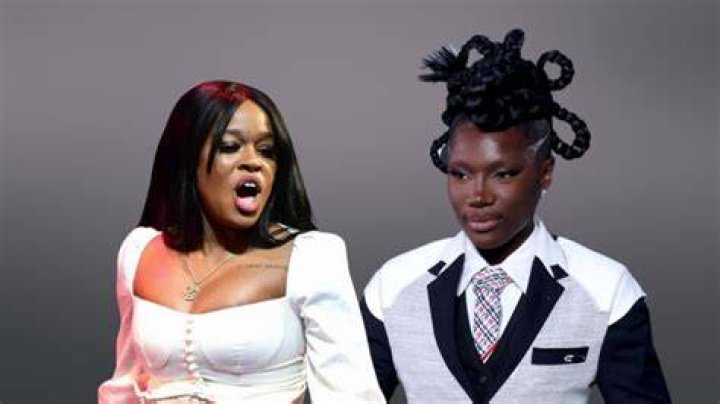
A ten-second audio bite can alter an entire career trajectory before publicists even wake up. When a raw warning, often delivered in blunt street vernacular like "it's going to be bad", rips through TikTok algorithms and Instagram Live sessions, millions treat it as an inescapable theater of conflict. In early January 2025, that exact cycle ignited when Azealia Banks launched a series of incendiary drug-use accusations aimed directly at Top Dawg Entertainment star Doechii following a viral freestyle clip, as detailed by this primary vibe.com Report. What began as a rhythm showcase mutated overnight into a scorched-earth cultural collision.
Public clashes have shifted away from closed recording booths and standard press releases. Today, combat sports weigh-ins, hip-hop social feeds, and live streams operate under the same rules: immediate escalation, unfiltered threats, and algorithmic amplification. When tensions cross from lyrical posturing into personal defamation or physical promises, the line between scripted promotion and genuine violence thins out completely.
📌 Key Takeaways:
- The Spark: Viral snippets and unfiltered freestyle clips bypass traditional public relations, triggering instantaneous rivalries between established instigators and rising talent.
- Algorithmic Escalation: Social platforms actively reward hostility, turning personal attacks and leaked voice notes into high-engagement cultural currency.
- The Real-World Consequence: The border between combat sports theatrics and legitimate street tension remains dangerously thin when public callouts turn personal.
How a Viral Freestyle Clip Triggered Azealia Banks and Doechii
The friction between Azealia Banks and Doechii demonstrates how quickly mutual respect can sour into venomous public theater. Doechii, riding tremendous momentum from her critically acclaimed mixtape Alligator Bites Never Heal, delivered a freestyle performance that circulated heavily across social channels. The clip was meant to cement her lyrical credentials. Instead, it drew the immediate, volatile gaze of Banks.
Banks took to her platforms on January 7, 2025, dismissing Doechii’s delivery before escalating to unsubstantiated claims regarding substance abuse and personal habits. This response fits a known pattern. Over the last decade, Banks has repeatedly leveraged social media callouts against industry contemporaries, relying on visceral shock value to command the news cycle. Doechii’s team chose measured silence initially, a standard tactic to starve online provocations of oxygen.
Yet internet audiences rarely allow one-sided silence to stand. Comment sections instantly fragmented into rival factions, dissecting every bar from Doechii's catalog and analyzing Banks' track record. The exchange was not an isolated incident; it served as the opening salvo in a renewed debate about whether veteran artists attack emerging peers out of territorial jealousy or legitimate artistic critique.
The Mechanics of Rap Feud Escalation
Hip-hop has always thrived on friction. The genre was built on competitive park jams and local block rivalries, where trading bars was an accepted rite of passage. Modern social media, however, removes the communal guardrails that once kept competitive barbs within the craft.
When an artist issues a warning on a livestream, proclaiming that retribution will be swift and destructive, the dynamic changes from sport to spectacle. Disagreements no longer simmer through deliberate diss tracks recorded over weeks. Instead, audio leaks, unreleased voice notes, and spontaneous screen recordings flood social feeds within seconds. Fans do not just listen; they screen-record, clip, and manufacture short-form video trends from the hostility.
This dynamic creates a feedback loop. An artist sees a negative critique, posts a threatening reaction clip, and watches their follower count skyrocket by 15%, 30% over a 48-hour window. The commercial incentive directly rewards the loudest, most aggressive voice, even when the threat carries tangible legal or physical risks.
Dissecting Modern Celebrity and Combat Rivalries
The machinery driving rap beef mirrors the promotional blueprint perfected inside combat sports. Mixed martial arts and professional boxing rely on venomous verbal exchanges to sell pay-per-view access. The cross-pollination between these worlds is now almost total.
| Arena / Conflict | Catalyst / Medium | Public Escalation Pattern | Measurable Cultural Fallout |
|---|---|---|---|
| Banks vs. Doechii (2025) | Viral freestyle performance | Instagram story screeds, drug accusations | Millions of cross-platform impressions; industry debate on elder statesmanship |
| Drake vs. Kendrick Lamar (2024) | Feature verse ("Like That") | Rapid-fire diss tracks, investigative claims | Historic streaming records; multiple Billboard #1 debuts; cultural fracturing |
| UFC / Boxing Press Conferences | Pre-fight pressers and weigh-ins | Family insults, thrown objects, security scuffles | PPV buys surge; athletic commission fines up to $500,000 |
| Streamer / Creator Clashes (2025, 2026) | Twitch/Kick live broadcast debates | Doxxing threats, in-person confrontations | Platform bans, high churn of sponsorship deals |
In combat sports, trash talk is an accepted business strategy. Chael Sonnen, Conor McGregor, and Colby Covington turned personal insults into eight-figure paydays. Yet fighters often embrace behind the cage doors once the final horn sounds. Rap feuds operate without that structured conclusion. When a microphone is turned off or an Instagram story expires, real-life entourages remain armed and hyper-vigilant.
Viral Audio as Meme Currency and Menacing Warning
The phrase "it's going to be bad" functions on two distinct levels across the digital ecosystem. In some circles, it is extracted from heated confrontations and detached from its origin, becoming background audio for comedic TikTok sketches or gym workout videos. Millions of users remix these soundbites without knowing the violence that produced them.
For the individuals directly involved, those words represent genuine menace. Leaked voice notes and ominous Instagram broadcasts are frequently entered as evidence in state and federal courtroom proceedings. Major hip-hop RICO prosecutions across Georgia and New York have repeatedly cited social media threats, Instagram captions, and livestream warnings to demonstrate criminal conspiracies.
The gap between playful internet memes and serious legal liability has narrowed sharply. Record labels maintain legal monitoring units to review what their signed artists broadcast to followers. A single spontaneous broadcast warning an opponent of imminent physical harm can compromise brand partnerships and trigger immediate corporate pushback.
Why Audiences Cannot Look Away From Public Clapbacks
Online audiences exhibit a documented addiction to public hostility. Platform algorithms are explicitly configured around conflict; posts with high quote-tweet ratios and contentious comment threads receive exponential distribution compared to standard promotional content.
Spectators participate directly in these feuds. They assemble forensic timelines, dig up decade-old interviews to expose hypocrisy, and manufacture reaction clips that amass millions of views. The boundary separating the artist from the audience vanishes. Followers take on the role of digital infantry, spamming an opponent’s comment section with clown emojis or coordinated downvotes.
This dynamic leaves little room for graceful de-escalation. Walking away from an unhinged provocation is frequently labeled as cowardice by internet observers. Artists find themselves trapped between preserving their dignity through restraint or defending their street credibility by escalating the conflict even further.
Frequently Asked Questions (FAQ)
Q1: What sparked the dispute between Azealia Banks and Doechii?
The conflict began in early January 2025 after Doechii shared a freestyle performance online. Azealia Banks publicly criticized the performance before escalating to unverified personal accusations regarding drug abuse on social media.
Q2: Why do hip-hop feuds escalate so much faster today than in previous eras?
In earlier decades, rivalries unfolded over months through physical diss records, radio interviews, and magazine features. Today, short-form video platforms, livestreams, and instant messaging enable immediate, unfiltered confrontations that can reach tens of millions of viewers within minutes.
Q3: Can viral audio warnings and social media threats lead to real-world legal trouble?
Yes. Prosecutors across federal and state jurisdictions routinely use social media livestreams, direct messages, and video threats as evidence in criminal conspiracy and harassment cases.
The Structural Reality of Conflict as Entertainment
The commercial machinery backing contemporary entertainment ensures that feuds will not disappear. Conflict produces guaranteed attention, and attention remains the primary currency of the digital economy. Whether observing Azealia Banks aiming accusations at Doechii or two elite fighters exchanging profanities on a dais, audiences are buying into calculated spectacle.
The true danger lies in the unpredictability of human pride. When artists and combatants allow the internet audience to dictate their self-worth, simulated aggression can quickly evolve into lasting real-world damage. The warnings broadcast on small screens carry real consequences once the feeds shut off.
