Beyond the Traditional Braid Shop: Inside JolieDen's High-End Harlem Disruption
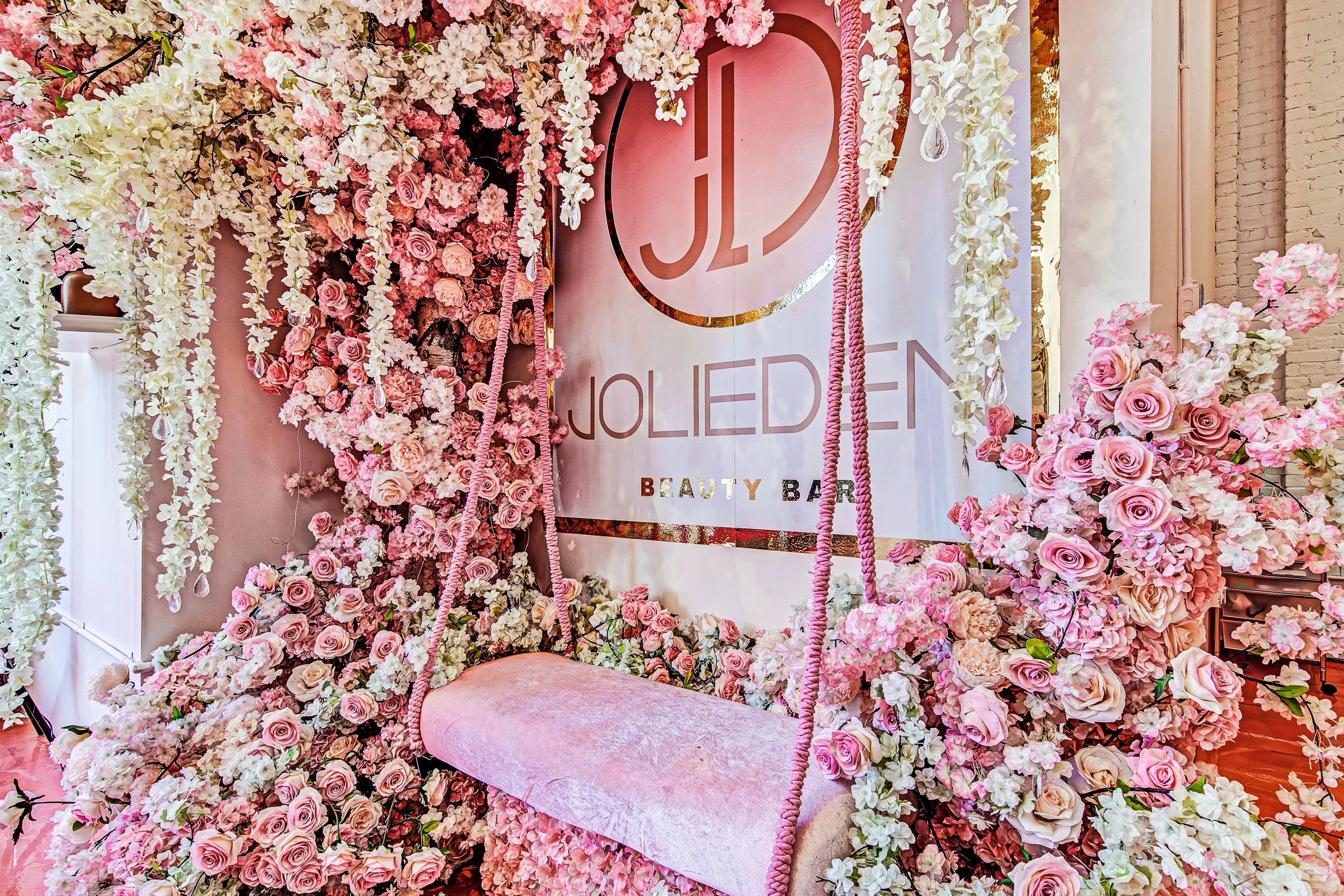
Across upper Manhattan, hair braiding has anchored cultural tradition, neighborhood social networks, and community commerce for generations. Yet for decades, customers accepted predictable compromises: unconfirmed appointment windows, cash-only pricing negotiated on the spot, and back-to-back chairs where ten-hour shifts offered little ergonomic comfort or scalp preparation. The arrival of the JolieDen beauty bar directly confronts that legacy. As highlighted by an essence.com Report on how the brand merges West African technique with white-glove service, the JolieDen Harlem location signals an overdue evolution across New York's beauty landscape.
The space does not treat protective styling as an assembly-line errand. Instead, it operates as a high-end hair lounge in NYC, introducing bespoke amenities, pre-service cleansing, and ergonomic seating into a sector long ignored by luxury investors. Followed closely by coverage from Refinery29 in late 2025 detailing the broader reckoning in Black haircare, JolieDen sets a standard where artisan braiders receive structured pay and clients receive unhurried, restorative care.
📌 Key Takeaways:
- The Structural Pivot: JolieDen replaced unstandardized pricing and marathon salon waits with an elevated salon experience centered on hospitality, transparent digital booking, and scalp-first treatments.
- Preserved Heritage: Rather than diluting West African hair braiding methods, the salon employs artisan braiders whose technical speed and parting precision are treated as fine craft.
- Economic Reallocation: Black consumers drive over $9.4 billion in annual haircare spending, validating the market demand for premier protective styling services with premium hospitality amenities.
The Friction Points of Historic Braiding Salons
Traditional African hair braiding shops across Harlem have functioned as essential neighborhood institutions for half a century. They preserved ancestral parting styles, passed down techniques through generational apprenticeships, and provided vital economic entry points for immigrant women from Senegal, Mali, and Côte d'Ivoire. However, those operational systems relied largely on informal salon management.
Clients regularly encountered double-booked chairs. It was routine to arrive for an 8:00 AM appointment only to wait two hours while stylists finished an unscheduled walk-in. Prices frequently shifted based on hair density, braider availability, or the length of synthetic extensions pulled from backroom boxes. Most critically, traditional braid shops separated installation from hair health. Customers were expected to arrive with their hair pre-washed, blow-dried bone straight, and stripped of natural oils, shifting the labor of preparation entirely onto the consumer while skipping scalp analysis altogether.
Rethinking Black Haircare Through a Hospitality Lens
JolieDen eliminates this institutional friction by taking cues from five-star hospitality. The reception area replaces plastic folding furniture with custom banquettes, curated soundscapes, and complimentary beverage menus. Instead of a chaotic floor where stylists juggle three heads at once, clients are assigned a dedicated braider or synchronized two-person team working under uninterrupted time blocks.
The salon treats natural hair care standards as an integrated ritual rather than an inconvenient prerequisite. Appointments begin at a dedicated wash basin, where therapists execute customized scalp wellness treatments tailored to dry zones, product buildup, or tension sensitivity. Steam therapy, botanical rinses, and clarifying cleanses precede any parting or synthetic hair attachment. By handling prep on-site, the braiders ensure that natural curls retain tensile elasticity before undergoing protective tension.
Operational Shift: Street-Corner Shops vs. The JolieDen Model
The differences between unstandardized neighborhood storefronts and this modern Harlem braiding salon emerge across every touchpoint of the guest experience.
| Service Metric | Traditional Storefronts | JolieDen Harlem Model |
|---|---|---|
| Booking & Scheduling | Walk-ins and text confirmations; 1, 3 hour wait times common | Online portal with exact start times and guaranteed chair availability |
| Scalp & Pre-Service Care | Client must arrive pre-washed, blown out, and product-free | Included wash, steam hydration, detangling, and scalp assessment |
| Pricing Structure | Variable; negotiated in-chair based on undocumented criteria | Flat-rate digital menus covering styling, wash, and hair fibers |
| Tension & Follicle Safety | Frequent tight gripping leading to traction alopecia risks | Calibrated grip standards designed to safeguard delicate perimeter edges |
| Environment & Amenities | Functional, crowded, fluorescent lighting, shared spaces | Ergonomic reclining seats, charging hubs, beverage service, filtered air |

Integrating Scalp Health into Protective Styling Services
Protective styling carries an inherent irony: when performed incorrectly, styles intended to safeguard textured strands can trigger permanent damage. Traction alopecia affects up to one-third of Black women during their lifetimes, primarily driven by excessive pulling along delicate hairline borders. JolieDen directly targets this systemic problem through specialized protocols.
Stylists assess follicle resilience before beginning custom luxury braids, knotless installs, or feed-in cornrows. By utilizing pre-stretched, hypoallergenic synthetic and human hair blends, the salon removes the chemical alkaline coating found on generic extension hair that often causes acute itchiness and dermatitis. Technicians distribute weight evenly across square or triangular bases, eliminating localized tension spikes. Clients leave with intact edges, calibrated tension, and an individualized roadmap for moisture maintenance during the four- to eight-week wear cycle.
The Economics of Artisan Braiding and Labor Equity
The conversation around luxury Black haircare cannot detach itself from labor economics. For decades, the manual dexterity of artisan braiders went undercompensated. Immigrant women routinely worked twelve-hour shifts on booth-rental models without baseline health protections, guaranteed minimums, or fair compensation for the intense physical toll of standing and repetitive wrist motion.
JolieDen reshapes this operational paradigm by treating braiders as master craftspeople. Through structured shifts, clear scheduling, and performance-based compensation structures, the business establishes labor stability. Braiders operate with specialized ergonomic stools, strategic wrist-support tools, and scheduled rotation intervals during extended installations like micro-braids or waist-length Bohemian locs. When institutions pay artists equitably and honor their working hours, the finished artistry improves in speed, consistency, and structural perfection.
Who Benefits Most and Who Should Look Elsewhere
The refined model delivers distinct advantages, but it addresses a specific consumer expectation.
Ideal Client Profiles:
Professionals and individuals who view their styling appointments as wellness investments benefit directly. If your schedule requires strict start and end times, zero surprise add-on charges, and full-service cleansing without needing to wash your hair at home beforehand, JolieDen offers unmatched reliability. It also serves anyone experiencing scalp sensitivity, post-partum shedding, or perimeter thinning who requires gentle, medically mindful parting.
When Alternative Options Make Sense:
Budget-conscious consumers looking for rapid, lowest-cost installations may find the all-inclusive pricing steep compared to informal street-level shops. Similarly, walk-in customers seeking an impromptu midnight braid session cannot easily bypass the boutique's digital advance reservation system.
Frequently Asked Questions (FAQ)
Q1: Do clients need to bring their own hair extensions to JolieDen?
A1: No. JolieDen operates as an all-inclusive service. Clean, pre-stretched, irritation-free hair extensions matching your requested texture, length, and color are provided and integrated into the upfront service fee.
Q2: How long do custom luxury braid installations typically take?
A2: Standard medium knotless styles average 4 to 5 hours, while micro or ultra-long sets may take 6 to 8 hours. Dedicated two-braider teams frequently assist on complex styles to cut sitting times nearly in half.
Q3: How far in advance must appointments be booked?
A3: Due to dedicated time slots and limited daily capacity per stylist, appointments typically open on a monthly rolling basis and fill two to three weeks in advance through the online portal.
The Next Frontier for Luxury Textured Haircare
The transformation taking place in Harlem reflects a overdue correction in the broader beauty market. For decades, legacy department stores and corporate beauty conglomerates cordoned off textured haircare into isolated aisles, viewing protective braiding as a low-margin subculture rather than a sophisticated discipline deserving of architect-designed spaces and world-class hospitality.
JolieDen proves that clients are more than willing to pay premium rates when their time, follicles, and heritage are treated with deliberate prestige. As the brand expands its footprint, it delivers an unmistakable signal to the beauty industry: the standard for protective styling has permanently changed, and the era of accepting substandard salon experiences has drawn to a close.
