Brooke Monk Deepfake Crisis Timeline: From Malicious Uploads to Viral Fallout
In May 2024, digital creator Brooke Monk discovered that non-consensual, sexually explicit synthetic videos bearing her face were circulating across fringe forums and major social platforms. Monk, who commands an audience of more than 30 million followers across TikTok and YouTube, refused to stay quiet or wait out the algorithm. Her public response directly echoed the high-profile unauthorized AI crisis that hit pop star Taylor Swift earlier that year, challenging social networks to treat the violation of female creators as an urgent crisis rather than collateral damage.
The episode exposed deep structural fractures across digital platforms. As detailed in a Digital Journal Report on celebrity deepfake accountability, the burden of proof and takedown enforcement still falls almost entirely on victims rather than the hosts or distributors of synthetic slop. For digital-first talent, the threat is uniquely acute: thousands of hours of high-resolution video provide bad actors with pristine training material to generate hyper-realistic fakes in minutes.
📌 Key Takeaways:
- The Breach: Malicious actors weaponized generative models to craft non-consensual explicit videos of Brooke Monk, dispersing them through anonymous networks before they breached mainstream platforms.
- The Rebuttal: Monk published a direct video response citing Taylor Swift's prior crisis, calling out the systemic apathy of hosting platforms and demanding concrete creator safety initiatives.
- Policy Ramifications: The viral fallout catalyzed bipartisan momentum behind digital likeness rights, accelerating federal proposals such as the DEFIANCE Act.
How Synthetic Media Reached Influencer Feeds
Creating convincing manipulated video once required institutional computing clusters, visual effects specialists, and weeks of rendering. By early 2024, open-source diffusion models and automated face-swapping algorithms turned the process into an off-the-shelf consumer tool. Anyone with a mid-tier graphics card could produce photorealistic manipulations in under an hour.
Influencers face disproportionate exposure. Digital creators post daily vlogs, makeup tutorials, and conversational reels filmed in 4K resolution from multiple angles. This massive catalog of public imagery serves as ideal training datasets for malicious diffusion pipelines. When bad actors targeted Brooke Monk, they did not have to scrape obscure footage. They pulled readily accessible content from YouTube Shorts and TikTok feeds, fed the frames into neural networks, and stripped away the creator's agency with minimal technical friction.
The mechanics of dissemination follow an established pattern. The files first surface in unmoderated Telegram channels, private Discord servers, and decentralized message boards. Creators rarely catch the material at this stage. Instead, automated repost networks and algorithmic aggregators siphon the media onto mainstream platforms like X and Reddit, where engagement incentives drive quick amplification before safety systems flag the content.
Timeline of the Uploads and the Public Response
The incident developed over a rapid 72-hour window that illustrated how quickly non-consensual synthetic media outruns conventional moderation tools. Monk did not hide from the narrative or issue a sanitized statement via legal counsel. She posted a direct video message to her millions of followers, acknowledging the fake, dismantling its authenticity, and invoking the public outcry that followed Taylor Swift's deepfake incident months earlier.
| Date | Incident Milestone | Structural Impact |
|---|---|---|
| January 2024 | Taylor Swift explicit deepfakes flood X | Sparked federal legislative drafts and temporary platform search blacklists |
| May 20, 2024 | Brooke Monk synthetic media surfaces across message boards | Unchecked algorithmic distribution moves clips to mainstream feeds |
| May 21, 2024 | Monk releases direct public rebuttal video | Shifts narrative from illicit tabloid rumor to cyber harassment accountability |
| Mid, 2024 | Congressional review of the DEFIANCE Act | Bipartisan push to establish civil causes of action for synthetic intimacy violations |
| Early 2025 | Industry research reveals broader social fears | A VPNRanks survey shows 74.3% of citizens fear deepfake manipulation in elections and media |
By framing her defense around the shared vulnerability of women across entertainment, Monk forced her audience to confront uncomfortable realities about online misogyny. Her reference to Taylor Swift proved calculated and effective. Traditional media outlets picked up the story within hours. Instead of the fakes living on as whispered rumors in comment sections, the conversation pivoted to platform negligence, digital likeness rights, and cyber harassment prevention.
The Human Toll of Non-Consensual Synthetic Imagery
Public figures frequently hear that invasive imagery comes with the territory of online fame. That dismissive framing ignores the distinct trauma of synthetic exploitation. When bad actors fabricate explicit videos, they commit an act of digital assault designed to humiliate, disempower, and silence women.
Online community reactions often reflect deep cultural toxicity. While Monk’s core subscriber base mobilized to report offending links, bad-faith commentators on Reddit and X scrutinized pixel artifacts, debating whether the footage was authentic. This secondary harassment exacerbates the initial harm. Victims find themselves forced to prove their own innocence, compelled to publicly dissect images of their own simulated bodies to dispel falsehoods.
The psychological toll cascades down to non-famous individuals. When high-earning influencers with multi-million-follower platforms struggle to wipe unauthorized content from search indexes, ordinary citizens stand virtually defenseless. The technology that targeted Monk is identically applied in high school hallways and workplace retaliation campaigns. The difference lies solely in the victim's social capital to fight back.
Platform Moderation Failures and Content Authentication Gaps
Social networks consistently fail the reactive moderation test. Most platforms depend on automated perceptual hashing, like PhotoDNA, to identify and suppress known abusive imagery. That infrastructure works reasonably well for static files already indexed in shared threat databases. It crumbles when confronting generative video engines that churn out subtle variations of lighting, resolution, and frame rates.
A bad actor can alter an illicit clip's cryptographic hash simply by shifting the color grade by two percent or trimming half a second from the beginning. These trivial tweaks slip past automated upload filters. Human moderation teams, already stretched thin following sweeping industry layoffs across trust and safety divisions, cannot keep pace with the volume.
True prevention demands provenance tracking from the moment of capture. Industry coalitions like the Coalition for Content Provenance and Authenticity (C2PA) champion cryptographic watermarking embedded directly into camera hardware and editing suites. But universal adoption remains years away. Malicious models operate on open weights explicitly stripped of guardrails, metadata, or digital signatures. Host networks must build proactive AI content authentication layers at the distribution point, identifying synthetic human artifacts before content hits algorithmic discovery engines.
The Regulatory Battleground for Digital Likeness Rights
Federal protections for victims of synthetic exploitation have lagged years behind technological capability. Section 230 of the Communications Decency Act shields online intermediaries from liability for third-party content. While this immunity protects open web architecture, bad-faith hosting sites exploit it as a shield to ignore takedown demands for unauthorized AI imagery.
Lawmakers have begun shifting that paradigm. The federal Disrupt Explicit Forged Images and Non-Consensual Edits (DEFIANCE) Act aims to bypass the Section 230 bottleneck by creating a clear civil right of action. Under this proposed legal framework, victims can pursue direct statutory damages against anyone who intentionally produces, distributes, or knowingly profits from non-consensual explicit deepfakes.
State legislatures have moved faster. California, New York, and Minnesota have enacted statutes providing both criminal penalties and injunctive relief for synthetic image abuse. These state-level protections empower digital creators to seek emergency restraining orders, compelling web hosts to scrub infringing material and de-index search queries. Enforcing these judgments against servers hidden behind bulletproof overseas hosting networks remains a massive hurdle, proving that local legislation must be paired with international cybersecurity treaties.
Frequently Asked Questions (FAQ)
What triggered the Brooke Monk deepfake controversy?
In May 2024, non-consensual, sexually explicit AI-generated videos depicting Brooke Monk surfaced on fringe forums and quickly jumped to mainstream platforms. Monk issued a public rebuttal addressing the assault, citing similar violations suffered by Taylor Swift to demand systemic platform accountability.
Are platforms legally obligated to remove unauthorized AI clips?
Under current federal law in the United States, online hosts receive broad immunity under Section 230 for third-party uploads, meaning they cannot always be sued simply because a user posted synthetic imagery. However, platforms must comply with evolving state laws prohibiting non-consensual explicit deepfakes, alongside standard terms of service that bar targeted sexual harassment.
What legal options do creators have when targeted by synthetic abuse?
Victims can pursue copyright infringement claims if the underlying training data utilized their proprietary photos or videos. In states like California, Illinois, and New York, individuals can also sue under right-of-publicity laws, intentional infliction of emotional distress, and specialized non-consensual synthetic media statutes.
How can consumers distinguish synthetic influencer videos from genuine footage?
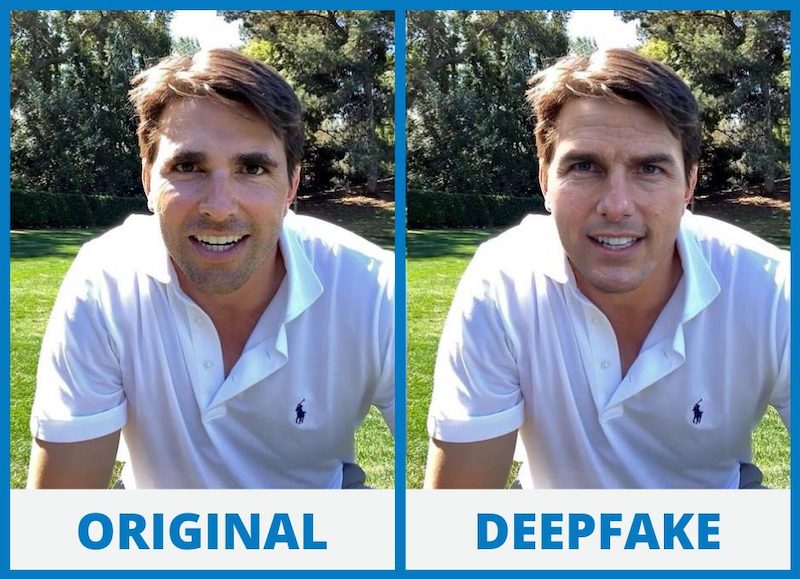
Look for visual inconsistencies around high-motion boundaries: unnatural blinking, blurring around the jawline and neck, warping earrings or accessories, and misaligned dental structures. Voice synthesis often lacks irregular human breathing patterns or micro-pauses between sentences.
The Path Forward for Creator Autonomy in 2026
The Brooke Monk incident demonstrated that digital influence offers no shield against synthetic harassment. The structural vulnerabilities revealed during that 72-hour viral window remain central to debates surrounding digital privacy and platform governance. Leaving content moderation to volunteer reporting and fragmented automated filters does not work.
Safeguarding digital likeness rights requires combining tough statutory liability with baked-in cryptographic content authentication across software ecosystems. Platforms must be held legally and financially accountable when their recommendation engines knowingly distribute non-consensual media. Until hosting hubs face real regulatory consequences for amplifying synthetic abuse, creators will continue bearing the cost of an algorithmic ecosystem that treats their bodily autonomy as engagement bait.
