Butter vs. Oil in the Oven: Side-by-Side Proof of Crumb, Rise, and Chew
Every baker eventually faces an empty butter keeper midway through prepping a recipe. Swapping fats, however, involves far more than simply pouring an equivalent volume of liquid oil into a mixing bowl. As highlighted in a recent Serious Eats Report examining fat performance across baked goods, butter behaves as both an emulsifier and a structural scaffold. Standard American butter contains roughly 80% to 82% milkfat, 16% to 18% water, and trace milk solids. Liquid oils are 100% pure fat.
That modest gap in water and dairy solids completely changes how dough expands and how starch sets. When you remove butter, you alter gluten formation, moisture evaporation, and aeration. Understanding these mechanics prevents dense cakes and puddle-thin cookies.
📌 Key Takeaways:
- The Standard Ratio: A universal **butter to oil conversion ratio** requires scaling back to **75% to 80%** of the original butter volume to account for butter's natural water content.
- Structural Trade-Offs: Creaming butter with granulated sugar traps micro-pockets of air for mechanical leavening, whereas oils coat flour proteins directly, creating tender crumbs but flatter cookies.
- Moisture Superiority: Cakes made with unsaturated liquid fats stay perceptibly softer for **72 hours or longer** at room temperature compared to butter-based sponges.
The Chemistry of Fat: Why Water Content Shapes Crumb Structure
The primary divide in baking fats runs between saturated vs unsaturated fats. Saturated fats, such as chilled dairy butter, lard, and virgin coconut oil, remain solid at standard room temperature. This physical trait allows them to support structural air cells during creaming. As beaters whip butter and sugar together, sharp sugar crystals cut into the solid fat, creating millions of microscopic pockets. When baked, trapped air expands, steam from butter's native water content enters those pockets, and chemical leaveners inflate them further.
Liquid vegetable fats cannot aerate this way. Because unsaturated fats stay fluid across ambient temperatures, they cannot hold mechanical bubbles. Instead, they flow immediately around flour particles. This coating action severely limits gluten development.
Gluten forms when water hydrates the flour proteins glutenin and gliadin. Pure oil forms an impermeable barrier around those proteins, cutting down elasticity and yielding an exceptionally tender crumb. This dynamic explains why chocolate cakes baked with a vegetable oil substitute feel velvety and delicate, while traditional butter sponges yield a firmer, fine-grained crumb texture and rise.
Real-World Test Bakes: Measuring Chew in Cookies and Loft in Cakes
Side-by-side oven trials demonstrate distinct structural divergences when liquid fats replace solid blocks. In standard vanilla layer cakes, butter-based layers domed uniformly, producing a closed crumb with high vertical lift. In contrast, cakes baked with neutral canola oil produced a slightly flatter profile with an open, sponge-like grain. Despite the reduced height, the oil-based cake retained remarkable softness on day three. Butter cakes stiffened significantly over the same timeframe because saturated dairy fats recrystallize into a firm state as they cool.
Cookies tell an entirely different story. Achieving the classic balance of chewy cookies vs cakey cookies depends directly on fat selection and emulsification. In standard drop cookie tests, substituting neutral vegetable oil directly at a 1:1 ratio caused the dough to slacken and spread excessively across the baking sheet.
Because oil lacks butter's cold emulsion, it melts into the flour mixture before the starch has time to gelatinize and set on the baking stone. The resulting cookies spread thin, browned unevenly along the perimeter, and turned greasy rather than chewy. Retaining cookie chew requires either reducing the total oil volume or selecting semi-solid dairy-free baking fats like refined coconut oil or vegetable shortening.
The Practical Substitution Matrix: Ratios, Texture Shifts, and Oven Realities
Swapping fats successfully requires compensating for the presence or absence of water. The data below outlines verified substitution formulas and their direct physical outcomes across home oven trials.
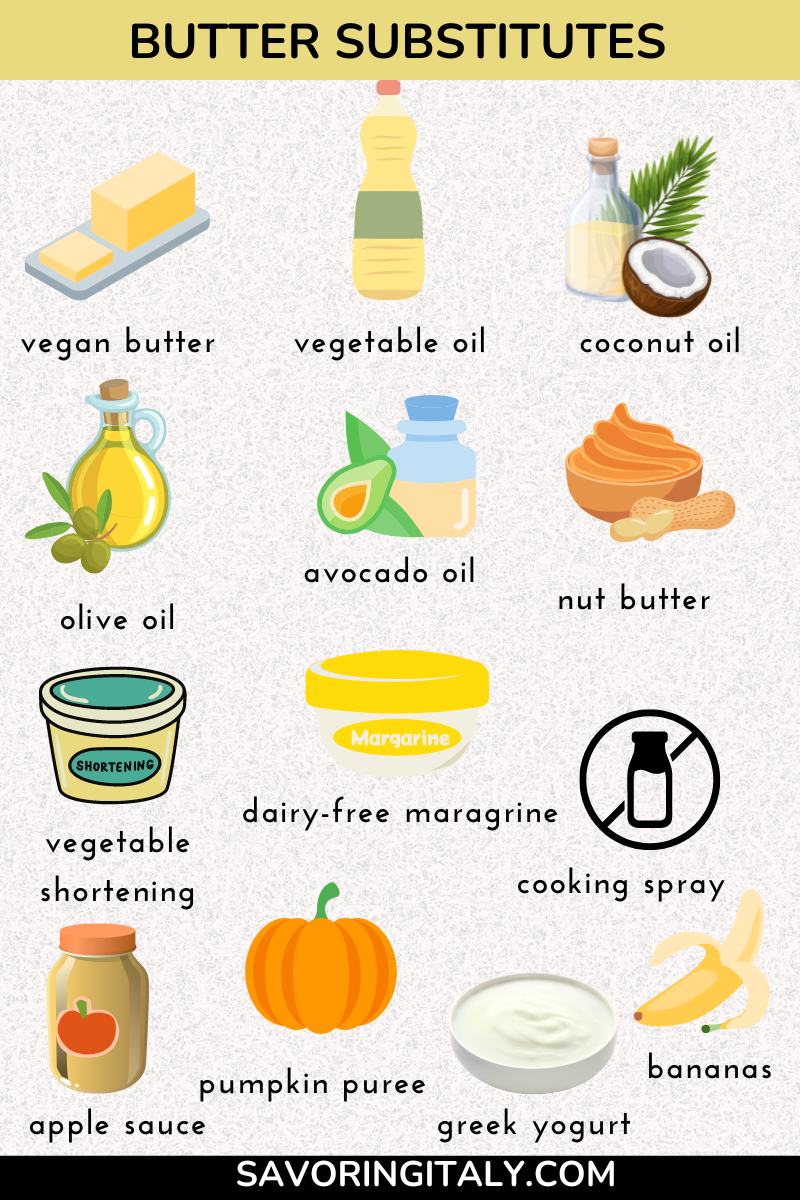
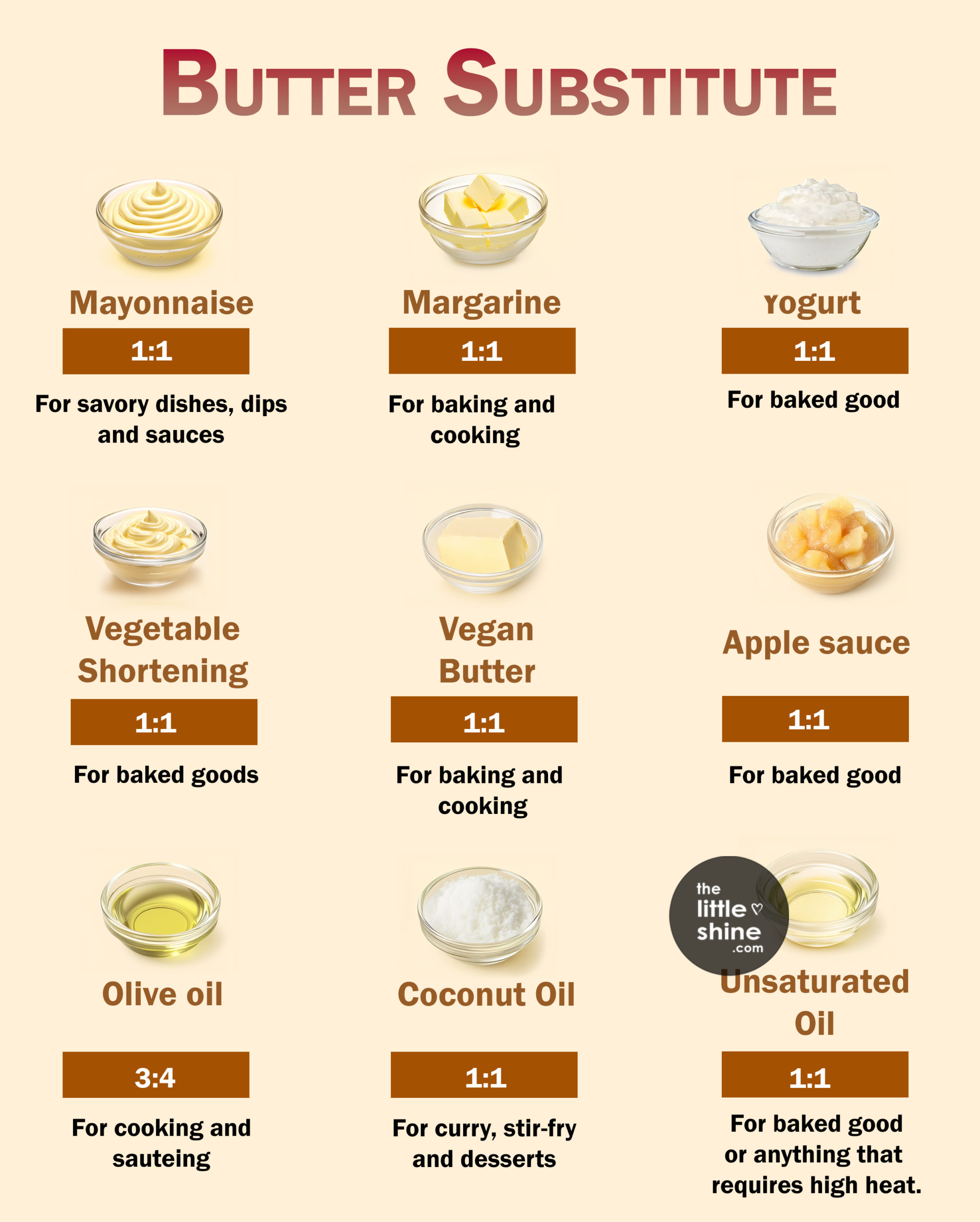
| Substitute Ingredient | Conversion Formula (Per 1 Cup Butter) | Crumb and Texture Impact | Best Applications |
|---|---|---|---|
| Canola or Vegetable Oil | ¾ cup (180 ml) | Ultra-soft, open crumb; zero creaming aeration; moist for 4+ days | Carrot cake, chocolate sheet cakes, quick breads, muffins |
| Extra Virgin Olive Oil | ¾ cup (180 ml) | Tender, coarse crumb; distinct herbal or peppery finish | Citrus cakes, focaccia, rustic fruit tarts, savory scones |
| Solid Refined Coconut Oil | 1 cup (225 g), chilled to ~65°F | Firms rapidly at room temp; mimics butter's creaming and structure | Vegan chocolate chip cookies, pie crusts, shortbread |
| Vegetable Shortening | 1 cup (205 g) + 1 tbsp water | Maximum flakiness; high melting point prevents dough spread | Flaky pie dough, decorated roll-out sugar cookies |
| Plain Greek Yogurt (Whole Milk) | ½ cup yogurt + ½ cup oil | Dense, velvety crumb with tangy acidity; tenderizes gluten | Pound cakes, breakfast breads, dense snacking cakes |
| Unsweetened Applesauce | ½ cup sauce + ½ cup butter/oil | Chewy, spongy texture; adds natural fructose and extra moisture | Oatmeal cookies, spice cakes, bran muffins |
Liquid Oils on the Counter: Olive Oil and Vegetable Oil Dynamics
Reaching for neutral vegetable oil is the simplest way to maintain moisture retention in cakes. Because liquid oils contain no dairy solids or moisture to evaporate, they coat starch granules fully, keeping crumb structures soft through ambient shelf life. In packaged baking mixes or scratch spice cakes, neutral oil consistently outlasts butter in tenderness.
Using olive oil for baking introduces distinct flavor chemistry. Extra virgin olive oil carries polyphenols that impart grassy, peppery, or floral notes directly to the batter. Pair olive oil with aggressive flavors like dark cocoa, orange zest, or rosemary, where its flavor complements rather than competes. When baking delicate white cakes, stick to light-tasting olive oil or neutral canola to avoid bitter overtones.
Heat stability also plays a decisive role when moving from oven pans to the stovetop. While butter begins scorching between 300°F and 350°F (150°C, 175°C) as milk solids brown and burn, refined canola oil features a high smoke point in cooking around 400°F to 450°F (204°C, 232°C). For pan-frying doughs, searing meats, or par-baking flatbreads, high-heat vegetable oils handle prolonged thermal stress without scorching.
Plant-Based and Dairy-Free Fats: Coconut Oil, Shortening, and Purees
Bakers seeking dairy-free alternatives without sacrificing structural lift turn to solid fats. In any direct shortening comparison, hydrogenated vegetable shortening outperforms butter in pure lift and flake formation. Shortening possesses a melting point near 115°F (46°C), compared to butter's 90°F to 95°F (32°C, 35°C). This thermal delay gives pie crusts and drop cookies extra time to set in the oven before the fat liquefies, preserving distinct layers and preventing cookie spread. The trade-off is flavor: shortening carries neutral, waxy notes that lack dairy richness.
Coconut oil operates as an adaptable bridge between solid and liquid fats. When maintained between 65°F and 70°F (18°C, 21°C), solid coconut oil creams acceptably with granulated sugars, aerating vegan cookies and shortbreads. Be careful with temperatures: coconut oil melts sharply at 76°F (24°C). If your kitchen runs warm, coconut oil turns liquid, thinning doughs and causing excessive spread.
Fruit purees and cultured dairy address lower-calorie or low-fat needs. An applesauce butter replacement works reliably by utilizing pectin to trap water in the batter. Full 1:1 replacements yield a rubbery, gummy crumb because fruit puree lacks the lubricating lipid film that tenderizes gluten. Replacing half the butter with applesauce and leaving the rest as liquid fat strikes the right balance between lower calories and structural chew.
Similarly, a whole-milk Greek yogurt baking swap introduces lactic acid and milk proteins into the batter. This acidity softens gluten strands while providing rich moisture, making it an excellent choice for coffee cakes and dense loaf breads.
Adjusting Liquid, Sugar, and Heat for Successful Swaps
Replacing butter with liquid oils requires fine-tuning the surrounding recipe variables. Because butter contributes 16% to 18% water, switching to pure oil removes a meaningful amount of liquid from your dough. When baking quick breads with oil, you rarely miss this moisture because the oil coats the flour proteins so thoroughly.
In stiffer formulations like pie crusts or scones, removing butter's native water prevents proper dough cohesion. Add back 1 tablespoon of cold water per stick of butter replaced to ensure proper hydration.
Sugar handling also demands attention. In standard butter recipes, creamed sugar remains partially suspended within solid fat matrixes. When mixed directly into liquid oil, sugar dissolves much faster, which encourages surface caramelization and faster browning.
Reduce your oven temperature by 15°F to 25°F (about 10°C) when converting a cake from butter to liquid oil. This lower, steady heat allows the center of the cake to rise fully before the edges over-caramelize or turn crisp.
Frequently Asked Questions (FAQ)
Can extra virgin olive oil directly replace butter in chocolate chip cookies?
Using extra virgin olive oil in chocolate chip cookies alters both structure and flavor. The lack of solid fat causes cookies to spread wide and thin on the sheet, while the oil imparts a distinct herbal taste. To maintain cookie thickness and chew, swap half the butter with refined coconut oil instead, or chill your olive oil dough for at least 24 hours to slow spread.
Why do cakes made with oil stay moist longer than butter cakes?
Butter is high in saturated fat, which turns firm and crystalline once cooled to room temperature. Cakes made with butter feel dry or stiff after 48 hours. Liquid oils consist largely of unsaturated fats that remain completely fluid at room temperature, keeping the cake crumb tender for 4 to 5 days.
Can I use a 1:1 ratio when replacing butter with vegetable oil?
Using a 1:1 volumetric swap introduces too much fat and leaves the baked item greasy. Butter is roughly 80% to 82% fat, with the remainder composed of water and milk solids. Use ¾ cup of vegetable oil for every 1 cup of butter called for in the recipe.
Matching the Fat to the Desired Texture
Choosing between butter and alternative fats comes down to your structural goals. If a recipe depends on mechanical lift, flaky lamination, or distinct crispness, such as laminated croissants, shortbread, and classic sugar cookies, solid fats with dairy solids remain unmatched.
When your primary goal is long-lasting softness, tender crumbs, and extended shelf life, liquid oils easily outperform the dairy block. Match the fat's melting point and water content to your recipe's needs, adjust your mixing technique accordingly, and bake with deliberate control.
