Can Private Callers Really Stay Untraceable? The Truth Behind Hidden Numbers
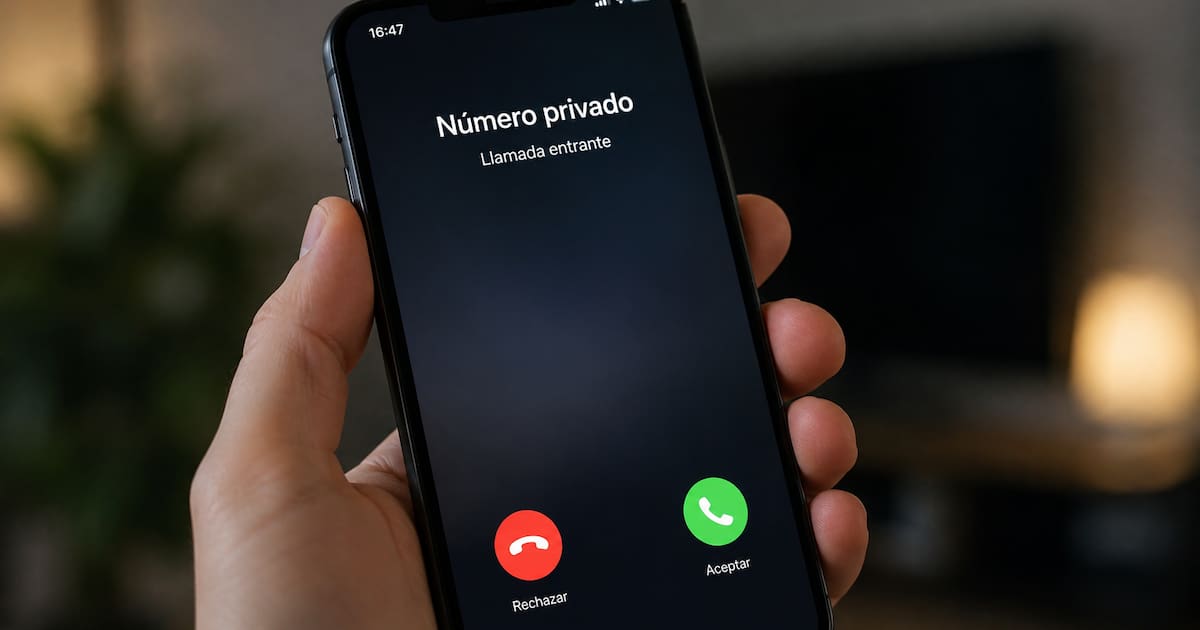
Every day, millions of smartphone users tap a sequence of digits or toggle an operating system switch to suppress their phone number before pressing dial. Whether through the persistent popularity of carrier star codes or viral smartphone hacks spotlighted across Latin America and Europe, the promise of hiding one's identity remains alluring. Yet as detailed in a recent Cronista Report examining how concealed numbers function across modern cellular networks, masking your caller display is fundamentally distinct from true technical anonymity. While the recipient’s screen may only show "Private Number" or "No Caller ID," the digital trail beneath that call tells a vastly different story.
⚡ Executive Summary:
- The Core Mechanism: Toggling handset settings or dialing prefix codes simply flags your outbound caller ID as restricted to the consumer receiving the call, leaving telecommunication routing intact.
- The Anonymity Myth: Mobile carriers, emergency responders, and toll-free switchboards bypass caller ID restrictions entirely using billing infrastructure that cannot be shut off.
- Modern Countermeasures: Telecom security protocols, STIR/SHAKEN verification frameworks, and automated unmasking applications have rendered private dialing ineffective against legal and corporate scrutiny.
How Masked Dialing Actually Works on Modern Mobile Networks
The mechanics behind hiding a phone number are rooted in legacy telephony architecture that modern wireless carriers inherited and adapted. When you dial an outbound call, the mobile network generates two distinct pieces of information: the Calling Party Number (CPN) and the billing identity known as Automatic Number Identification (ANI). Standard consumer caller ID relies on CPN, which is designed to be configurable for presentation purposes.
Entering the North American *67 call blocking code or the international #31# mobile prefix instructs the cellular tower's software switch to insert a privacy restriction flag into the signaling data stream. When the call reaches the destination gateway, the terminating network reads this privacy flag and instructs the receiving handset to suppress the CPN string. The phone rings, but the operating system renders generic placeholder text. Argentine news outlet Minuto Uno documented this widespread practice in early 2026, noting that viral tutorials continue to convince millions that these basic prefix codes act as cryptographic cloaks. In reality, they are merely polite digital requests sent across public signaling lines, asking the receiving display not to print cleartext numbers.
Operating system controls execute this identical request on a persistent basis. In Apple's ecosystem, navigating to phone configurations lets users toggle the iPhone Show My Caller ID setting, which applies the network suppression request to every single outbound voice packet. Similarly, standard Android call settings under supplementary services offer an identical toggle labeled "Hide number." These toggles change nothing about the fundamental network payload; they simply automate the entry of the GSM #31# carrier command on every dialed call.
The Illusion of Consumer Anonymity Versus Carrier-Level Tracking
The widespread belief that hiding a number produces an anonymous phone call falls apart once data moves past the consumer presentation layer. While the recipient's glass screen remains blank, cellular towers and core switches cannot route audio packets without precise routing endpoints. Telecommunications engineers rely on the secondary identification layer, Automatic Number Identification (ANI), to authenticate, direct, and invoice connections.
ANI data travels through dedicated Signaling System No. 7 (SS7) and modern Session Initiation Protocol (SIP) trunking pipes completely independent of public caller ID displays. Unlike the presentation string, subscribers cannot edit, suppress, or modify ANI through handset settings or dialer codes. Your mobile carrier logs the exact origin point, International Mobile Equipment Identity (IMEI), International Mobile Subscriber Identity (IMSI), and nearby cellular tower triangulation metrics in detailed call detail records (CDRs) the millisecond your device initiates a connection. Carrier-level tracking remains absolute, permanent, and impervious to software toggles.
| Calling Technique / Prefix | What the Recipient Sees | Visible to Carriers & Law Enforcement? |
|---|---|---|
| Carrier Codes (*67, #31#) | "Private Number", "Blocked", or "No Caller ID" | Yes (Full ANI and CDR records retained) |
| iOS / Android Native Caller ID Toggle | "Unknown Caller" | Yes (Zero impact on network-level identification) |
| Dialing 800 / 888 Toll-Free Numbers | Bypassed (Clear unmasked phone number displayed) | Yes (Billing party has legal right to ANI data) |
| Emergency Services (911, 999, 112) | Bypassed (Direct subscriber location and number) | Yes (Statutory public-safety override) |
| VoIP Caller ID Spoofing Services | Manipulated string (Any chosen phone number) | Yes (Gateway IP logs, upstream SIP headers captured) |
Where Hidden Numbers Break: Toll-Free Lines and Emergency Networks
Many callers assume their restricted display applies everywhere. It does not. The most common technical gap occurs when calling business lines. Federal communications standards dictate that whoever pays for a telephone call owns the right to know who is connecting. Under this regulatory framework, toll-free number caller identification completely strips caller ID privacy flags. When you dial an 800, 888, 877, or 866 number while hiding your digits via *67, the recipient's commercial telephone system reads the ANI stream directly. Call centers, banking lines, and enterprise platforms capture your phone number before their agent even picks up the receiver.
Public safety networks enforce an even stricter standard. Dialing emergency services triggers an immediate, mandatory emergency services override hardcoded into global mobile hardware and cellular towers. Whether you dial 911 in the United States, 999 in the United Kingdom, or 112 across the European Union, standard privacy flags are suppressed at the base station level. Enhanced emergency systems (E911 and Next Generation 911) pull raw telecommunications data directly, automatically pairing your phone number with precise device-based location coordinates derived from Wi-Fi access points, onboard GPS, and cellular tower multilateration.
The Commercialization of Unmasking Private Numbers
The consumer arms race between callers attempting to hide and recipients demanding transparency created a bustling market for commercial identification technologies. Over the past decade, services such as TrapCall popularized methods for unmasking private numbers on consumer handsets. These applications function by exploiting the architecture of conditional call forwarding.
When an incoming call arrives marked as "Private," the user declines the connection. The smartphone’s pre-programmed carrier settings immediately forward that rejected call to an 800-toll-free data trunk owned by the identification provider. As demonstrated in commercial routing frameworks, toll-free lines automatically force the revelation of the caller's ANI string. The identification platform instantly captures the unmasked number, rejects the inbound connection, and pushes the real digits back to the subscriber via SMS or application alert within seconds. What the caller thought was hidden is dismantled simply by redirecting their carrier packets through an alternate billing switch.
Simultaneously, major wireless carriers and consumer app developers integrated aggressive spam filtering into base operating systems. Telecommunications giants now deploy machine-learning models at the exchange level that scrutinize calls bearing privacy indicators. When a call lacks verifiable presentation parameters or exhibits suspicious call-velocity markers, carriers automatically flag the transmission as "Potential Spam" or drop it silently before it rings the target subscriber.
Caller ID Spoofing and the STIR/SHAKEN Reality
Misunderstandings surrounding private calls frequently intersect with caller ID spoofing. While hiding a number sends a legitimate request to display blank text, spoofing involves injecting fraudulent metadata into the outbound SIP header to display someone else's identity. For years, bad actors leveraged open-source PBX servers and predatory VoIP aggregators to impersonate corporate banks, tax agencies, and police departments.
Regulators responded by mandating the STIR/SHAKEN authentication suite across major domestic and international networks. Under this protocol, originating carriers digitally sign calls using cryptographic certificates categorized into three tiers:
Full Attestation (A) confirms the carrier knows the customer and verifies their legal right to display that specific phone number. Partial Attestation (B) means the carrier knows the customer initiating the call, but cannot verify if they own the display number. Gateway Attestation (C) indicates the call originated from an untrusted international gateway or unverified third-party connection. Calls carrying *67 or #31# modifiers maintain their cryptographic attestation at the network level while restricting customer display. However, spoofed connections lacking valid digital signatures are systematically downgraded, marked as suspicious, or blocked altogether by modern routing filters.
Frequently Asked Questions (FAQ)
Q1: Does using *67 or changing my phone settings prevent police from finding my number?
A1: No. Dialing codes and smartphone settings only hide your number from the consumer screen receiving the call. Police and regulatory authorities can obtain full unmasked records directly from the carrier using standard legal processes, as all routing and billing identifiers remain logged.
Q2: Why did a private caller's real number show up on my billing statement?
A2: When you receive an incoming call with a hidden number, your regular handset cannot display it, but your service provider’s internal exchange processes the connection. In many billing frameworks and business portal statements, unmasked calling records appear after the billing cycle closes.
Q3: Can someone tell if I am hiding my caller ID on purpose?
A3: Yes. Modern mobile operating systems explicitly inform the recipient that the incoming connection has been suppressed by the caller, displaying alerts such as "Private Caller," "No Caller ID," or "Restricted." They know the suppression was intentional, even if your specific digits are hidden from immediate view.
The Evolution of Voice Privacy
The belief that a three-digit prefix or a software menu can grant absolute calling anonymity reflects a fundamental misunderstanding of public telecommunications networks. Handset toggles and dialing codes were built as convenient personal boundaries to prevent a mechanic, client, or casual acquaintance from collecting your personal cell phone number. They were never architected as military-grade privacy safeguards.
In an environment shaped by carrier data retention mandates, cryptographic authentication, and automated toll-free unmasking tools, hiding your caller ID operates solely at the surface of consumer display screens. Every voice packet leaves behind an indelible trail of equipment identities, cell tower handshakes, and verifiable billing data across the core network. Hiding your number may conceal your presence from a neighbor, but across the telecommunications infrastructure that powers the modern world, true anonymity does not exist.
