Can You Legally Buy a Pet Monkey? Laws, Strict Bans, and Price Realities
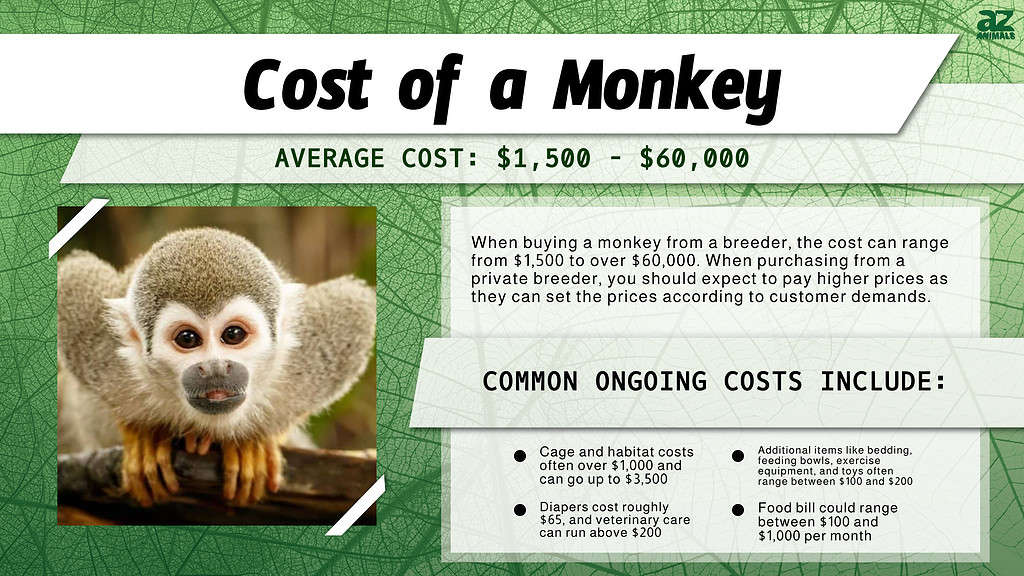
Viral video clips showing pajama-clad infant marmosets and juice-drinking capuchins routinely rack up tens of millions of views across TikTok and Instagram. They present an enticing fantasy: a miniature, intelligent human-like companion living comfortably inside an ordinary home. The legal, logistical, and financial reality behind those fifteen-second videos tells an entirely different story. Private primate ownership in the United States is governed by an aggressive patchwork of statutes, sweeping state bans, and extreme recurring expenses that quickly bankrupt unprepared buyers.
A coordinated series of statutory reminders issued by state wildlife agencies throughout New England underscores just how restricted these animals are. As detailed in a recent Seacoastonline.com Report, New Hampshire fish and game statutes explicitly bar private citizens from possessing primates as pets. Parallel clarifications from the Worcester Telegram in Massachusetts and The Providence Journal in Rhode Island confirmed matching zero-tolerance prohibitions, while the Norwich Bulletin noted that Connecticut allows ownership only under exceptionally narrow, legacy exhibition categories. Beyond the sheer legal impossibility in much of the country, the true capital required to acquire and house a non-human primate pushes into tens of thousands of dollars before month one even concludes.
📌 Key Takeaways:
- The Upfront Price Floor: Infant marmosets start at **$4,500, $7,000**, while capuchins command **$10,000, $22,000** from domestic breeders.
- The Statutory Barrier: More than 30 U.S. states prohibit private primate ownership outright, with regional blocs like New England enforcing near-total bans.
- The True Lifetime Burden: Total lifetime primate care expenses easily exceed **$65,000, $120,000** once specialized caging, strict nutrition, and emergency surgical care are tallied.
The Social Media Mirage Versus Upfront Acquisition Pricing
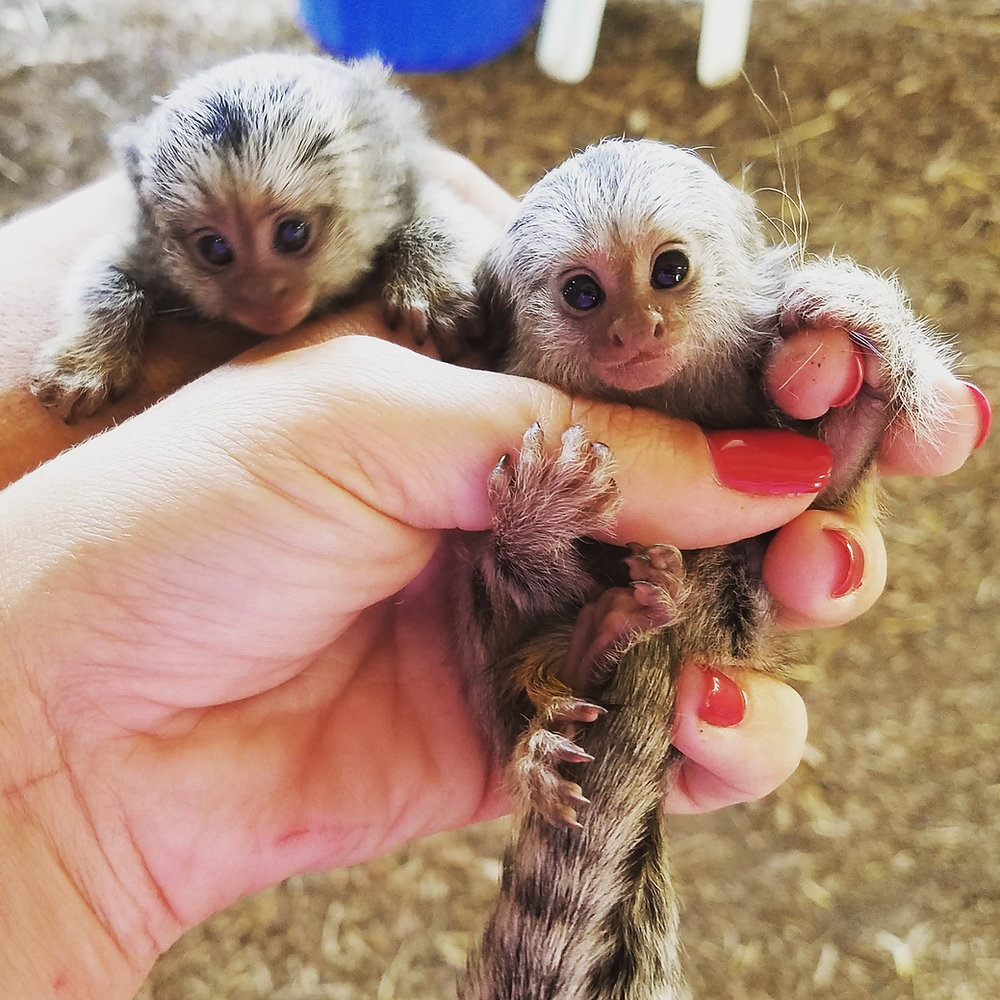
Prospective owners searching for primates online typically encounter small callitrichids, popularly marketed under labels like "finger monkey" or "pocket monkey." In reality, these are pygmy marmosets or common marmosets. The starting finger monkey price ranges between $4,500 and $7,500, depending on age, sex, and lineage. A buyer seeking an older, hand-reared animal might spot listings hovering near $4,000, but reputable sellers rarely discount healthy infants.
Larger, more visible species require exponentially larger budgets. The baseline Marmoset purchase price represents the low end of the market. Prospective buyers looking into larger primates encounter astronomical price tags:
- Capuchin Monkeys (Cebus / Sapajus): An infant Capuchin monkey cost runs from $10,000 to $22,000.
- Squirrel Monkeys (Saimiri): Typically listed between $9,000 and $15,000.
- Macaques (Macaca): Often sold between $8,000 and $14,000, though their legal status is even more restricted due to pathogen risks.
- Starting at $35,000 to $60,000, though private commercial trades are virtually non-existent under federal wildlife preservation mandates.
These quoted sums reflect only the transaction price for the animal itself. They exclude interstate health certificates, airline counter-to-counter cargo flights in temperature-controlled crates, mandatory baseline blood panels, and the mandatory microchipping required by regulatory agencies.
State Primate Ownership Laws and the Expanding Regulatory Net
Acquiring the purchase capital is often the easiest part of the process. Surviving regulatory scrutiny is where most buyers fail. State primate ownership laws split the country into three distinct legal categories: complete statutory bans, conditional permit states, and unregulated jurisdictions.
Recent legislative reviews across the Northeast illustrate how quickly private ownership options are vanishing:
- Classifies all non-human primates as restricted wildlife under Title XVIII. Private possession permits for domestic pets are denied by default.
- Outlaws private primate possession without exception; statutory revisions strictly limit non-human primates to accredited scientific facilities and qualifying educational zoological organizations.
- Imposes a strict prohibited-species framework enforced by the Department of Environmental Management.
- Maintains comprehensive bans on dangerous animals and primates, with narrow grandfathering clauses that eliminate domestic trade for newcomers.
In states that theoretically permit ownership, such as Florida or Texas, the administrative process is arduous. Florida requires applicants to document 1,000 hours of hands-on experience working with the specific taxonomic family before issuing Class III exotic pet permits. These hours must be formally signed off by licensed facility directors. Applicants must pass written examinations, submit clean FBI fingerprint background checks, and open their homes to unannounced state wildlife inspections. In cities across allowable states, local municipal zoning codes frequently override state permissions, rendering ownership illegal inside city limits regardless of state-level paperwork.
Price Breakdown: Upfront Costs Versus Lifetime Investment
The initial sales slip accounts for less than 15 percent of the financial commitment required to sustain a captive primate across its natural biological lifespan.
| Primate Species | Upfront Purchase Price | Enclosure Setup | Expected Lifespan | Estimated Lifetime Cost |
|---|---|---|---|---|
| Pygmy / Common Marmoset | $4,500, $7,500 | $2,000, $4,500 | 12, 18 Years | $45,000, $70,000 |
| Capuchin (Tufted or White-Faced) | $10,000, $22,000 | $6,000, $15,000 | 35, 45 Years | $110,000, $180,000 |
| Squirrel Monkey | $9,000, $15,000 | $3,500, $8,000 | 20, 25 Years | $65,000, $95,000 |
| Rhesus or Java Macaque | $8,000, $14,000 | $8,000, $20,000 | 25, 30 Years | $90,000, $140,000 |
The True Lifetime Burden: Habitats, Diapers, and Medical Care
The gap between purchasing an infant monkey and maintaining an adult primate is where ownership arrangements collapse. Young primates are dependent, docile, and physically manageable. By sexual maturity, between ages 3 and 5 for small monkeys, and ages 5 and 8 for capuchins, their behavior changes radically. Uncastrated males and intact females develop territorial instincts, high bite frequencies, and destructive chewing tendencies.
These instincts make specialized enclosure requirements non-negotiable:
- Keeping a capuchin in a domestic room causes severe structural damage within weeks. They strip electrical wiring, shatter drywall, and dismantle household plumbing. Proper husbandry demands welded steel outdoor/indoor aviaries with double-door entry safety vestibules, heavy padlocks, climbing ropes, swings, and non-toxic substrate. These installations easily run $6,000 to $15,000.
- Primate Diapering and Nutrition: Primates never achieve reliable domestic housebreaking. They lack the anatomical and psychological traits required for litter training. Managing a pet primate requires continuous diapering. Specialty primate diapering and tail-cut modifications cost roughly $80 to $150 per month. Dietary needs are equally complex. Marmosets demand high levels of Vitamin D3 and dietary gum supplements; feeding them commercial fruit leads to rapid metabolic bone disease, wasting syndrome, and early mortality. Balanced commercial feeds (such as Mazuri primate diets) combined with fresh vegetables, insects, and supplements run $1,500 to $3,000 annually.
- Normal small-animal veterinary clinics will not admit non-human primates due to staff bite risks and zoonotic disease transfer. Owners must secure specialized exotic veterinary care. A basic checkup and bloodwork panel under chemical sedation averages $400 to $1,200. Emergency operations, dental extractions, and diabetes treatments routinely cost $3,000 to $7,000 per intervention.
Federal Safeguards: The Captive Primate Safety Act and Interstate Enforcement
Anyone evaluating the primate trade must understand the federal regulatory perimeter. The federal government does not treat non-human primates like domestic dogs or cats. Commercial propagation falls under the purview of the Animal and Plant Health Inspection Service (APHIS), an arm of the United States Department of Agriculture.
USDA licensed breeders are legally bound by the federal Animal Welfare Act. They face unannounced site visits, space minimums, and strict environmental enrichment mandates. Legitimate licensed operations cannot legally transport an unweaned infant across state lines without certified paperwork.
The Captive Primate Safety Act and associated interstate commerce statutes place severe restrictions on selling, transporting, or receiving primates across state borders for the pet trade. Federal wildlife interdiction teams work closely with state authorities to enforce quarantine and transport regulations. Transporting a monkey across state lines without requisite federal carrier authorization, valid interstate health certificates, and receiving-state import permits is a federal violation punishable by asset forfeiture, heavy financial penalties, and criminal charges.
Deposit Wire Fraud and the Booming Online Primate Scam Market
Because direct consumer access to monkeys is heavily restricted, bad actors dominate online search results. Fraud rings exploit would-be owners who search for low-cost exotic pets.
Scam networks set up professional storefront websites showing stolen images of baby capuchins or marmosets wearing knit caps. The animals are listed at steep discounts, frequently between $800 and $1,500, to entice budget-conscious buyers. The playbook follows a predictable sequence:
- The Upfront Deposit: The fraudulent seller demands an immediate deposit via non-refundable peer-to-peer apps like Zelle, CashApp, or cryptocurrency wallets.
- The Fictitious Courier: Once the deposit clears, the buyer receives an urgent notice from an alleged specialty animal freight company.
- The Escrow Demands: The fake shipping outfit demands $1,200 to $2,500 for an electronic, climate-controlled transport container, claiming the funds are fully refundable upon delivery.
- The Regulatory Trap: When the buyer pays the container fee, the scammers demand an additional $1,000 to $3,000 for imaginary USDA permits, quarantine bonds, or anti-stress medication injections.
The physical monkey never existed. By the time the victim contacts law enforcement or the USDA, the scammers have shuttered the site and transferred the funds offshore. Legitimate USDA-licensed facilities never sell healthy primates for a few hundred dollars, and they do not ship live infant primates using unregulated courier services.
Frequently Asked Questions (FAQ)
Q1: Can I legally keep a small marmoset in my apartment?
A1: In the vast majority of jurisdictions, no. Most urban municipalities and apartment lease agreements completely prohibit wild and exotic animals. Callitrichids produce high-frequency vocalizations that travel through shared walls, and their scent-marking habits make indoor apartment living unsanitary.
Q2: Why are monkey bites considered medical emergencies?
A2: Non-human primates carry serious zoonotic pathogens that jump between humans and animals. Macaques can shed Herpes B virus, which is mild in monkeys but causes fatal encephalomyelitis in humans. Smaller species frequently carry and transmit enteric pathogens like Salmonella, Shigella, and tuberculosis.
Q3: How much does it cost to feed a capuchin monkey each month?
A3: Budget between **$150 and $300 per month**. Capuchins cannot survive on table scraps or fruit alone. Their diet requires certified commercial primate biscuits supplemented with leafy greens, boiled eggs, calcium supplements, nuts, and clean animal proteins to prevent diabetes and bone loss.
Q4: Do monkeys make affectionate pets once they reach adulthood?
A4: Rarely. While infant primates cling to human handlers for comfort, adult primates follow hardwired hierarchy and social dominance drives. Sexually mature primates frequently inflict severe bite wounds on their caretakers, attack unfamiliar houseguests, and require complete isolation in structural cages.
The Reality Facing Prospective Keepers in 2026
Prospective owners asking how much a pet monkey costs often focus exclusively on the purchase price. Securing an infant primate for $5,000 to $15,000 is only the financial starting line. The downstream math, spanning specialized structural enclosures, uninterrupted access to exotic veterinary care, and tens of thousands of dollars in lifetime nutrition, pushes domestic primate care entirely out of reach for typical pet owners.
The legal avenues are closing quickly. Wildlife agencies in states like New Hampshire, Massachusetts, and Rhode Island enforce clear ownership bans, while federal interstate transport laws continue to tighten across state lines. Behind the polished social media clips sits a demanding, unpredictable wild animal that requires a fully licensed, sanctuary-grade facility to care for humanely. For almost every private household, pursuing a pet monkey yields financial losses, regulatory penalties, or an unmanageable captive animal.
