Can You Really Get BBQ Flavor from Tri-Tip Roasted in the Oven?
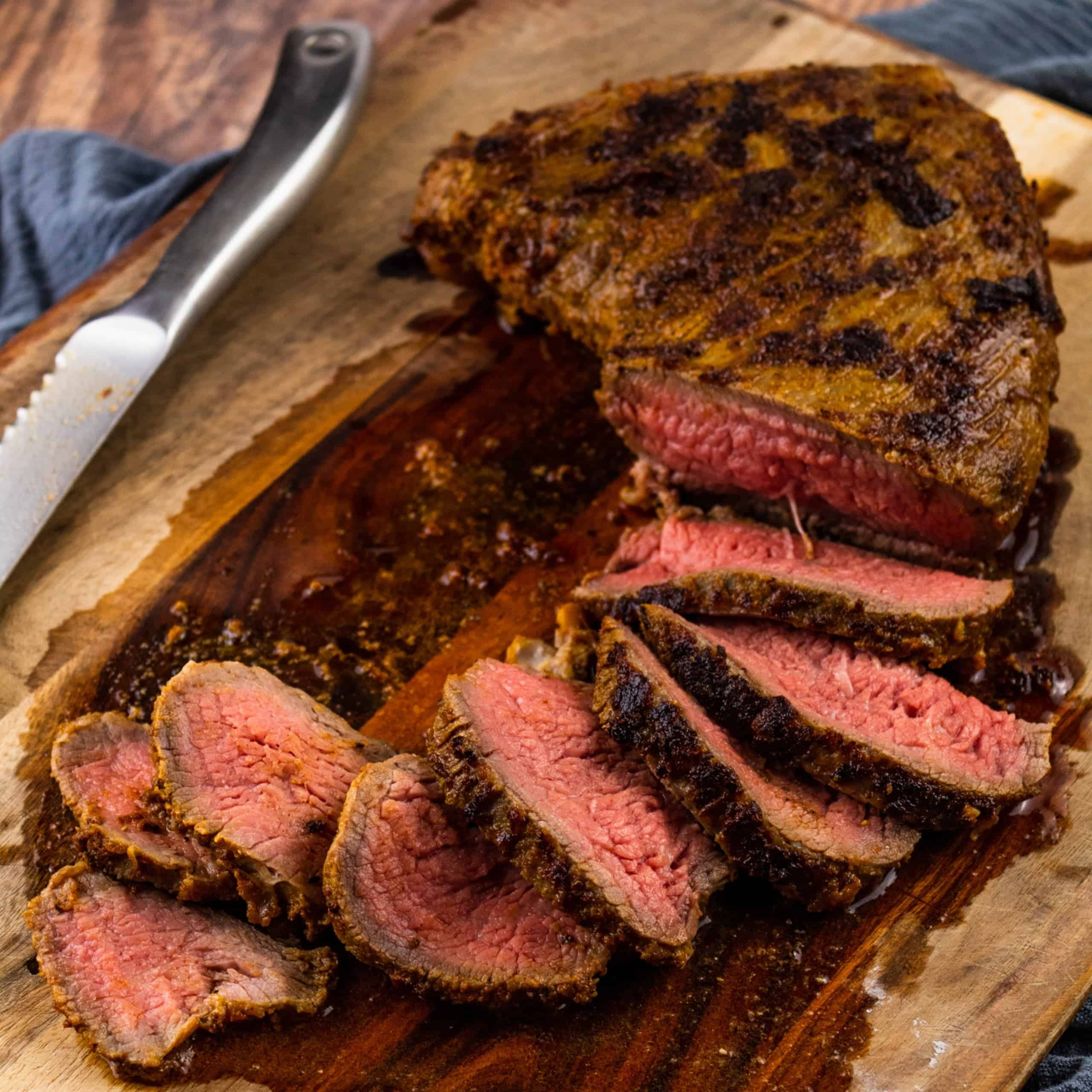
California’s Central Coast built an entire culinary heritage on the back of red oak coals, open-pit Santa Maria iron grates, and thick slabs of beef. For decades, pitmasters insisted that you could never replicate the signature snap and aromatic crust of this cut inside four domestic walls. Yet kitchen cooks faced with freezing winters, metropolitan apartment rules, or rainy weekends constantly attempt the feat indoors. Culinary coverage like the classic Texas Monthly Report on smoking techniques illustrates how regional masters approach low-heat wood chemistry, forcing oven cooks to rethink their thermal playbook.
Can a standard kitchen range yield the woodsy depth, crimson interior, and crackling exterior of outdoor fire? The short answer depends entirely on your grasp of thermodynamics. Raw heat alone will not save you, but precise convection coupled with surface chemistry brings you astonishingly close.
📌 Key Takeaways:
- The Thermal Method: Baking tri-tip at traditional high heat creates a grey ring of overcooked meat; steady low-temperature convection followed by an intense pan sear preserves edge-to-edge pinkness.
- The Smoke Substitute: Kitchen ovens cannot generate wood aerosols, but combining phenolic spices with high-smoke-point fats creates genuine fire-licked crust notes.
- The Carving Reality: The muscle fibers pivot halfway through the roast, meaning improper carving can ruin the tenderness of a perfectly cooked cut regardless of heat source.
The Anatomy of the Cut: Why the Bottom Sirloin Subprimal Misleads Cooks
Tri-tip is not brisket, nor is it ribeye. Butchered from the bottom sirloin subprimal, this triangular muscle, the tensor fasciae latae, weighs roughly 1.5 to 2.5 pounds. It is remarkably lean compared to a well-marbled chuck roll, yet dense with rich beef flavor. Because the cut tapers from a thick, three-inch center down to a thin point, uniform heating presents an immediate logistical headache.
Blasting a bottom sirloin cut under standard 400°F oven heat incinerates the pointed tip before the center muscle even registers lukewarm. The exterior fibers seize. Cellular walls rupture, dumping moisture into the pan and leaving the meat dry, gray, and chewy. In an outdoor Santa Maria pit, pitmasters manage this problem by raising and lowering hand-cranked iron wheels over ember beds. Indoors, cooks must recreate that temperature gradient using air circulation and careful heat staging.
The cut also features an irregular fat cap. Commercial butchers often trim this down to a 1/8-inch layer or remove it entirely. Retaining a thin sliver of this fat protects the muscle during prolonged indoor heating, basting the connective fibers as they slowly soften.
Engineering Convection: The 225 Degrees Low and Slow Framework
The most reliable way to conquer uneven geometry in an indoor setting is the reverse sear method. Instead of scorching the beef in a pan first, you bring the interior up to temperature gradually in a very gentle oven environment. This prevents thermal shock and dries the surface protein coat, which sets the stage for a blistering crust later.
Set your oven to 225 degrees low and slow. Suspend the meat on an elevated wire oven roasting rack set inside a rimmed sheet pan. Direct contact with a flat pan traps moisture underneath, effectively steaming the underside of the beef. Raising the cut allows hot air to circulate freely around all three faces of the triangle.
Insert a leave-in digital meat thermometer horizontally into the thickest core of the roast. Analog dials and timed approximations fail here because ambient oven swings of 15°F to 25°F can skew your results by half an hour. Watch the reading climb steadily. For a target medium rare doneness, pull the roast out when the internal core registers between 115°F and 120°F. The meat will appear dull and unimpressive at this midpoint. That pale exterior is intentional: dehydration of the surface layer is the exact condition required for the Maillard reaction to explode during the final sear.
Santa Maria Seasoning vs. Crafting an Indoor Smoke Profile
Purists stick to an unyielding regional standard: classic Santa Maria seasoning. This rub consists solely of coarse kosher salt, cracked black pepper, and granulated garlic, occasionally joined by a pinch of dried parsley. Over burning red oak logs, that minimalist mix works miracles because combustion smoke provides volatile phenolic compounds that latch onto the fat.
In a standard kitchen oven, raw heat produces no wood phenols. Salt and garlic on their own will make a delicious roast beef, but they will not satisfy a craving for authentic barbecue. Bridging this sensory gap requires building an intentional smoke flavor rub.
Spanish smoked paprika (pimentón de la Vera) provides oak-cured aromatics without artificial bitterness. Combine two tablespoons of smoked paprika with black pepper, granulated garlic, onion powder, and a half-teaspoon of dark brown sugar to accelerate surface caramelization. If you want true pit depth, add a few drops of high-grade hickory liquid smoke to a teaspoon of neutral oil and massage it across the raw meat as an adhesive binder before applying the dry rub. This chemical foundation emulates the aromatic compounds typically deposited by genuine wood combustion.
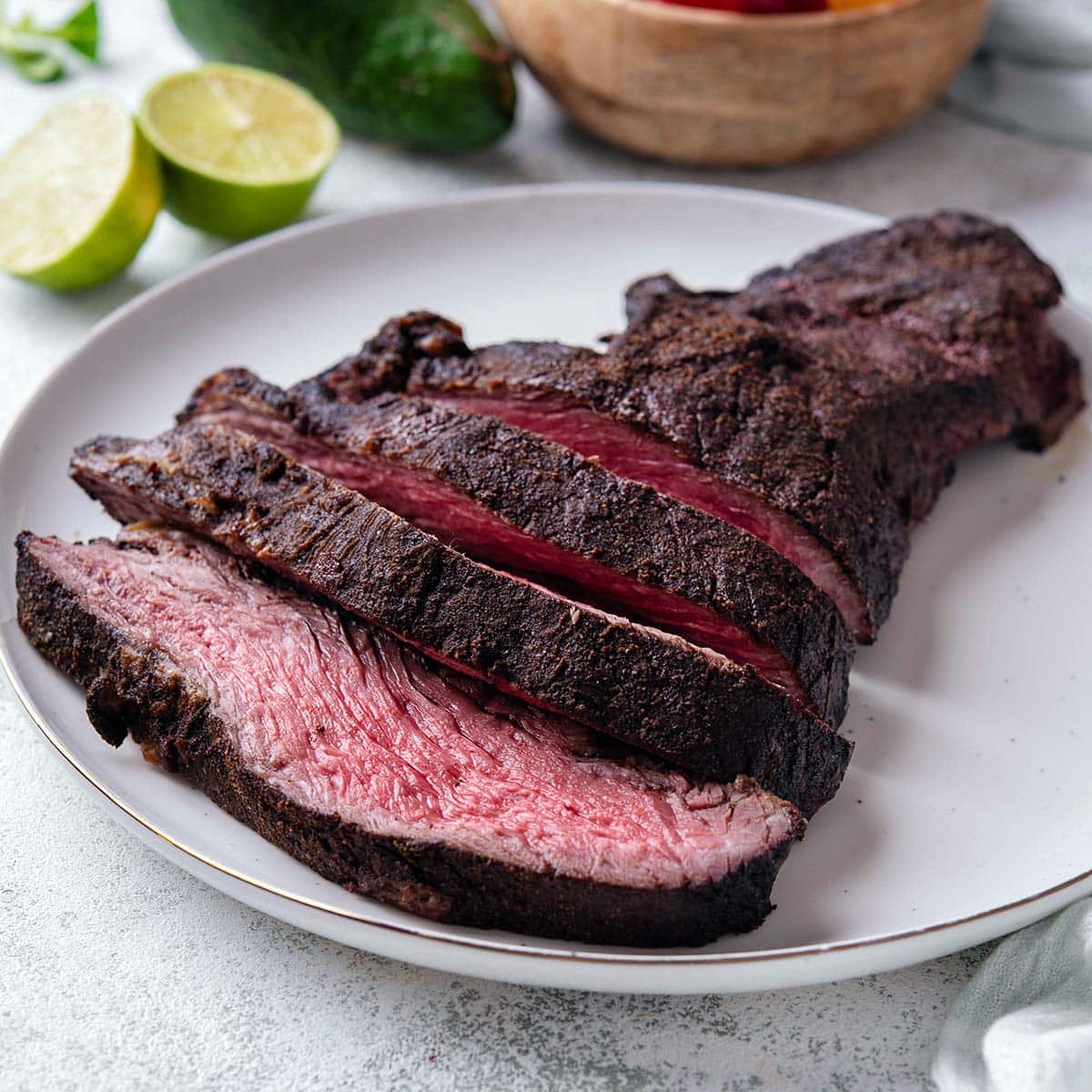
Evaluating Indoor Methods Against Pit Cooking
To understand the mechanical differences between traditional barbecue and indoor alternatives, review how heat sources alter the structural characteristics of the meat.
| Cooking Method | Heat Mechanics & Range | Bark & Exterior Finish | Moisture Retention Rate |
|---|---|---|---|
| Santa Maria Open Pit | Radiant wood coals (variable height) | Crisp, wood-kissed, natural char | 82%, 86% (moderate evaporative loss) |
| High-Heat Oven Roasting | Direct radiant (375°F, 425°F continuous) | Soft, greasy exterior; wide grey band | 70%, 75% (high moisture blowout) |
| Reverse Sear + Cast Iron | Convection at 225°F + 500°F pan sear | Deep brown Maillard crust, thin ring | 88%, 92% (minimized cell damage) |
The Cast Iron Skillet Sear: Unlocking Deep Surface Caramelization
Once the slow bake brings the meat's internal meat temperature to 115°F, retrieve the roast. Let it sit on the counter for five minutes while you prepare your cast iron pan. Heavy cast iron retains an enormous amount of thermal mass, meaning its temperature will not drop the second cold beef touches the metal.
Heat the dry skillet over a high burner until the surface reaches approximately 475°F to 500°F. Add one tablespoon of a high-smoke-point fat, such as unrefined beef tallow, clarified butter, or avocado oil. Do not use extra-virgin olive oil; its compounds scorch below 375°F, releasing acrid flavors that ruin the rub.
Lay the roast into the sizzling pan. Sear each primary side for 90 to 120 seconds without moving the meat around. You want intense, direct conduction to trigger rapid browning. Sear the narrower edges by holding the roast upright with heavy metal tongs for roughly 45 seconds each.
A quick cast iron skillet sear produces a dark, caramelized outer layer without transferring unwanted heat deep into the muscle core. Remove the tri-tip the moment its internal core hits 128°F to 130°F. Carryover thermal momentum will push the final resting temperature right up to 135°F, securing an ideal medium-rare finish.
Carving Mechanics: Navigating the Dual Grain Structure
Rushing the knife straight into a freshly seared roast wastes the effort you put into cooking it. Observe an uninterrupted resting time beef juices demand: give the meat 10 to 15 minutes on a warm cutting board. This interval allows contracted muscle fibers to relax, redistributing liquefied fats and moisture evenly throughout the roast rather than dumping them onto your counter.
The final hurdle is grain orientation. Many cuts of beef run in a straight, predictable path from top to bottom. Tri-tip does not. It consists of two distinct muscle fiber paths that intersect across the center of the cut.
Examine the roast closely before making your first cut. From the narrow tip down through the midpoint, the grain travels horizontally. Near the wider base, the muscle fibers turn roughly 45 to 60 degrees toward the opposite edge. Always slice your tri-tip by cutting across the grain.
Locate the exact point where the grain changes angle, slice the roast in half along that boundary line, and rotate each section independently. Cut thin slices across the fibers, keeping each piece under 1/4 inch thick. Slicing with the grain produces stringy, jaw-tiring portions. Slicing cleanly across the grain shortens the muscle strands, letting each piece pull apart effortlessly in your mouth.
Frequently Asked Questions (FAQ)
Can you produce a smoke ring inside an ordinary home oven?
No. The iconic pink smoke ring seen in barbecue comes from nitric oxide (NO) and carbon monoxide (CO) gas streams interacting with myoglobin in the meat. Kitchen ovens use clean electric coils or natural gas flames that produce virtually zero nitric oxide. While you can replicate surface crust and smoky flavor notes, you cannot recreate an authentic smoke ring indoors without curing salts.
How long does an average two-pound tri-tip take to cook at 225°F?
Expect the initial slow-roasting phase to take between 60 and 90 minutes, depending on oven calibration and the thickness of the roast. Never rely purely on time. Always use an internal probe thermometer to pull the roast when it reaches your target pre-sear temperature.
Why is my oven-cooked tri-tip chewy despite a pink interior?
Chewiness almost always stems from incorrect knife work. Even perfectly cooked medium-rare beef will feel tough if sliced parallel to the muscle fibers. Cut thin slices perpendicular to the fiber direction, and make sure to account for the angle shift halfway down the cut.
Bringing the Smokehouse Indoors
Indoor roasting cannot replicate the open-air theater of California oak pits or the drifting blue smoke of a roadside Santa Maria barbecue stand. The environmental atmosphere of wood, wind, and iron belongs exclusively to the outdoors.
Pure flavor, however, is grounded in physics and chemistry. By relying on a gentle 225°F convection baseline, applying smoked aromatic rubs, finishing with a scorching cast iron sear, and slicing across the shifting grain, you can bypass the biggest shortcomings of standard kitchen ranges. You will not get a timber pit in your apartment, but you will pull a deeply crusted, tender, and intensely flavorful tri-tip out of your own kitchen every single time.
