Celebrity Pride & Family Roots: How Dave Bautista Honors His Mother's Legacy
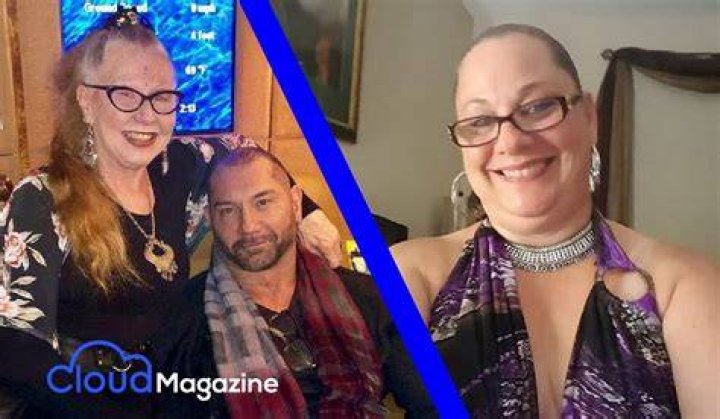
Dave Bautista does not issue timid corporate apologies or sugarcoat his convictions. When the former WWE champion and Marvel Cinematic Universe headliner steps into cultural debates, he carries the physical presence of Drax the Destroyer and the unyielding loyalty of a kid raised on the streets of Southeast Washington, D.C. In an entertainment industry where high-profile action stars routinely soften their personal politics to preserve box-office marketability across polarized demographics, Bautista has consistently moved in the opposite direction. His vocal, uncompromising stance on LGBTQ equality is personal, rooted in the woman who raised him: his mother, Donna Raye Bautista.
Public attention turned sharply toward Bautista’s family background when he posted an unapologetic tribute during Pride Month, wearing a rainbow-splattered T-shirt reading "Be You" alongside an assertive caption celebrating his mother's identity. As covered in a contemporary Yahoo Report, Bautista made it clear that his defense of gay rights is an extension of filial devotion. For Bautista, standing up for queer people is not an elective branding strategy; it is the baseline requirement of honoring his family.
📌 Key Takeaways:
- Foundational Roots: Bautista was raised primarily by his mother, Donna Raye Bautista, a proud lesbian whose resilience through extreme poverty shaped his moral core.
- Direct Confrontation: Rather than issuing sanitized corporate platitudes, the actor routinely confronts anti-LGBTQ sentiment directly across social channels and media appearances.
- Challenging Stereotypes: His career trajectory, from professional wrestling enforcer to prestige dramatic actor, disrupts traditional expectations of how hyper-masculine icons approach queer advocacy.
Southeast D.C. Roots and Donna Raye Bautista’s Tenacity
To understand Bautista’s defense of the queer community, one must look at the poverty and violence of his early childhood. Growing up in Washington, D.C. during the 1970s and 1980s, Bautista witnessed three homicides on his front lawn before he turned nine. His family struggled with hunger, evictions, and severe financial instability. Through these harsh conditions, his mother provided an anchor. Donna Raye came out as a lesbian during an era when doing so meant enduring social ostracization, legal vulnerability, and outright hostility.
Donna Raye did not raise her son in an insular suburban bubble; she raised him while navigating a working-class existence as an out woman. Bautista watched her confront discrimination head-on without sacrificing her identity or her commitment to her children. When conservative commentators attempt to frame same-sex parenting as detrimental to child development, Bautista points to his own life as counter-evidence. His mother taught him discipline, survival, and basic human dignity. Those lessons kept him alive when he drifted toward petty crime in his teens before redirecting his energy into bodybuilding, professional wrestling, and eventually Hollywood.
The Viral Pride Tribute That Challenged Online Bigotry
Celebrity tributes during Pride Month often feel manufactured by public relations agencies seeking safe corporate engagement. Bautista disrupted that pattern completely. His viral Instagram message was blunt, emotional, and overtly defiant toward critics who suggested he should remain quiet on social issues to preserve his action-hero brand.
"I was always proud of my mom. She was a lesbian, and she never hid it," Bautista told his millions of followers. He added that anyone who took issue with his mother's sexual orientation or the broader rights of LGBTQ people could unfollow his account immediately. The post generated millions of impressions, triggering widespread discussion on platforms like Reddit and X. Fans highlighted how unusual it was for an action star with a working-class, combat-sports fanbase to champion a lesbian parent without hedging his words. His statement did not solicit debate; it drew a line in the sand.
From WWE Rings to Marvel Sets: Tracking Bautista’s Public Record
Bautista’s advocacy did not begin when he gained Hollywood leverage. It persisted across distinct chapters of his professional life, even inside cultures historically unwelcoming to queer individuals.
| Career Era | Key Actions & Public Stance | Cultural Significance |
|---|---|---|
| WWE Stardom (2002, 2010) | Maintained openness about his mother’s identity during locker-room cultures dominated by aggressive heterosexual bravado. | Disrupted professional wrestling norms by refusing to distance himself from his queer household roots. |
| Marvel Breakthrough (2014, 2022) | Used international press junkets and massive social media reach to defend LGBTQ youths and call out anti-trans legislation. | Demonstrated that global blockbuster franchises do not require actors to compromise personal ethics. |
| Prestige Cinema (2023, 2026) | Starred in complex, genre-bending roles (e.g., Knock at the Cabin, Dune) while funding grassroots organizations. | Established a durable blueprint for sustained allyship backed by financial contributions and public mentorship. |
This timeline highlights a rare consistency. When Manny Pacquiao made derogatory statements comparing homosexuals to animals in 2016, Bautista, a proud Filipino-American who held immense respect for Pacquiao’s athletic achievements, did not hesitate to condemn the boxer’s rhetoric publicly. He explicitly labeled the comments unacceptable and reaffirmed his support for his mother and her community. Respect for heritage never superseded his moral boundary.
Breaking the Hyper-Masculine Mold in Action Cinema
Hollywood has long maintained rigid categories for its leading men. Action stars who emerge from combat sports or pro wrestling are often expected to project an archetype of traditional, unyielding masculinity. Bautista dismantled this trope piece by piece. His tattoos, heavy frame, and scarred ring history make him an imposing presence, yet he routinely speaks about vulnerability, family trauma, and emotional literacy.
Bautista removes the weaponization of masculinity against queer populations. When a six-foot-four, 270-pound former world champion tells detractors that homophobia is cowardly, the comment carries a different weight than a generic corporate PSA. He effectively severs the cultural link between physical toughness and anti-gay prejudice. In doing so, he provides a model for millions of young men who grew up watching him bodyslam opponents on national television: real strength protects family, rejects bigotry, and refuses to let bullies dictate the terms of respect.
What Bautista’s Defense of Queer Parenting Means in 2026
Discussions surrounding same-sex parenting remain an active focal point in modern cultural debates. Opponents frequently invoke traditional nuclear family rhetoric to question the stability and health of households headed by gay and lesbian parents. Bautista’s public life acts as a visible rebuttal to these narratives. His success, grounded perspective, and deep respect for women were cultivated inside a household run by a lesbian mother.
Community surveys and sociological studies consistently show that children raised by same-sex couples fare just as well emotionally and academically as those raised in heterosexual households. Yet empirical data rarely changes minds as swiftly as high-profile human stories. By repeatedly centering Donna Raye Bautista in his career retrospectives, Dave Bautista keeps the focus on parenting quality rather than sexual orientation. He credits her work ethic, street savvy, and unconditional support as the bedrock of his survival. The message resonates clearly across modern media: good parenting is defined by love, sacrifice, and character.
Frequently Asked Questions (FAQ)
Q1: Who is Dave Bautista’s mother?
A1: Dave Bautista’s mother is Donna Raye Bautista. She raised Dave primarily as a single mother under challenging economic conditions in Southeast Washington, D.C., and has lived openly as a lesbian for decades.
Q2: What did Dave Bautista say in his viral Pride post?
A2: In his viral Pride Month post, Bautista shared a photo wearing an ally shirt with the caption declaring pride in his mother’s identity. He directly told followers who harbor anti-LGBTQ prejudice to unfollow him, stating that his support for queer people is absolute and non-negotiable.
Q3: How has Dave Bautista responded to anti-LGBTQ comments in sports and entertainment?
A3: Bautista has openly criticized prominent figures who made homophobic statements, including boxer Manny Pacquiao. He publicly called Pacquiao’s 2016 anti-gay comments disgusting and reaffirmed that bigotry has no place in sports or society.
Q4: Did Dave Bautista's upbringing influence his acting career?
A4: Yes. Bautista has frequently credited his mother's resilience and their difficult financial circumstances in Washington, D.C. with instilling the discipline, emotional depth, and determination required to transition from professional wrestling to dramatic film roles.
Redefining Masculinity and Allyship Beyond the Screen
The cultural conversation around celebrity activism has grown increasingly skeptical of hollow gestures. Audiences easily distinguish between PR-curated messaging and authentic conviction. Bautista’s long-standing public defense of his mother stands out precisely because it cost him fans, provoked internet backlash, and pushed back against industry expectations.
Bautista’s career trajectory proves that fierce loyalty to family and vocal allyship can coexist with top-tier commercial success. As he continues taking on complex cinematic roles and mentoring a younger generation of performers, his greatest cultural legacy may not be his championship belts or blockbuster credits. It may well be the blueprint he provided: a powerful man who used every inch of his global platform to ensure his mother was seen, respected, and celebrated exactly as she is.
