CheapOair Flight Booking in 2026: New Industry Rules, Fees, and Risks
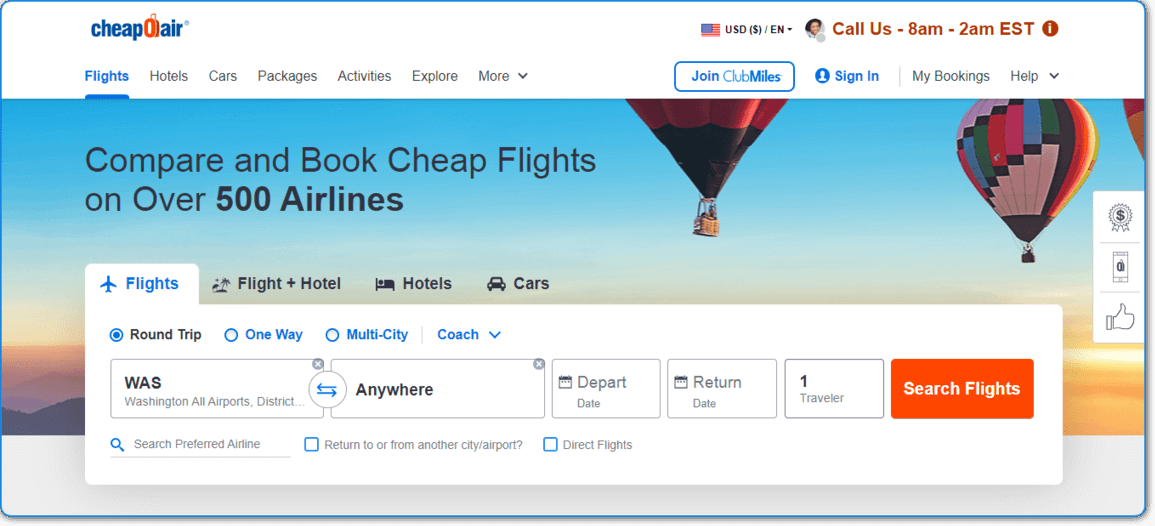
Travelers hunting for bargain flights inevitably run across CheapOair. With fares frequently displaying $20 to $50 below major carrier listings, the site commands massive traffic across global search aggregators. The fundamental question remains perennial: is CheapOair legit, or is the upfront discount erased by post-booking friction? CheapOair continues to pitch itself as an essential budget ally. The platform recently marked National Cheap Flight Day by publishing research designed to dismantle traditional booking myths, an initiative documented in a PR Newswire report tracking consumer habits across discount aggregators.
The company is an accredited, genuine business that issues valid airline tickets. CheapOair is not a clone scam or a ghost agency that takes your cash and vanishes. Operating as a primary brand under the multinational travel technology conglomerate Fareportal, the service processes billions of dollars in airfare annually. The friction points travelers experience rarely involve whether an issued ticket exists. Instead, the real complications emerge after checkout, where separate agency cancellation rules, secondary service charges, and complex refund procedures enter the picture.
📌 Key Takeaways:
- Legitimacy Status: CheapOair is an accredited online travel agency owned by Fareportal that delivers valid airline reservations.
- Fee Transparency: Upfront headline discounts can disappear quickly due to internal agent assistance fees, seat selection markups, and change charges.
- Refund Friction: Federal airline cash refund mandates apply directly to airlines, meaning agency-mediated tickets often experience delays and secondary processing deductions.
Fareportal's Architecture: How CheapOair Actually Operates
CheapOair functions as an online travel agency (OTA), acting as a middleman between passengers and hundreds of global airlines. Founded in 2005 by parent company Fareportal, the enterprise relies on Global Distribution Systems (GDS) and private consolidator contracts. Consolidator contracts grant OTAs access to wholesale bulk seat inventories that airlines need to unload discreetly without devaluing public-facing ticket prices.
This structural arrangement explains why CheapOair occasionally posts a lower price on complex multi-carrier routes. When an itinerary stitches together two unaligned airlines, CheapOair's backend algorithm compiles the routing as a single transaction. You receive valid confirmation codes, and your name appears on the manifest of each carrier involved.
The business model relies heavily on margins extracted outside the wholesale ticket margin. Fareportal monetizes these transactions through ancillary upgrades, private travel protection packages, seat assignment markups, and internal change processing fees. The operation is entirely legal and established within the travel industry, but it introduces distinct operational layers between you and the gate agent.
DOT Cash Refund Mandates Meet OTA Cancellation Policies
Recent federal aviation regulations have established clear operational ground rules for flight disruption compensation. The U.S. Department of Transportation requires airlines to provide automatic, prompt cash refunds whenever a flight is canceled or significantly altered, provided the consumer rejects alternate transportation. If an airline cancels your service, you are legally entitled to your money back without endless back-and-forth negotiations.
Third-party booking platforms alter this workflow. When you purchase directly through an airline, the carrier processes your refund directly to the original form of payment. When an OTA handles the transaction, the airline credits the funds back through the agency's merchant pipeline. Travelers often encounter weeks of friction during the flight refund process because the money flows back to Fareportal before any consumer payout occurs.
Agency cancellation policies frequently layer proprietary processing fees on top of standard carrier rules. If an airline waives cancellation penalties due to weather or scheduling changes, CheapOair's terms may still assign an internal administrative fee running between $50 and $100 per ticket. This secondary hurdle catches travelers unaware, creating the mistaken perception that the ticket was fraudulent, when in reality it is simply subject to third-party contract terms.
Direct Airline Booking vs. CheapOair: Operational Comparison
Weighing the platform requires evaluating how an agency booking behaves across common travel milestones compared to a direct reservation.
| Service Milestone | Direct Airline Reservation | CheapOair Reservation |
|---|---|---|
| Base Ticket Cost | Standard published rates; no agency markups | Occasional discounts of $15, $50 on consolidator routes |
| 24-Hour Cancellation | Full cash refund with zero penalty fees | Fee-free cancellations often restricted to specific cancellation packages |
| Schedule Change Handling | Automatic rebooking or instant DOT-mandated cash refund | Requires agency mediation; internal agent processing fees may apply |
| Baggage & Seat Fees | Standard airline base rates; immediate confirmation | Potential service markups; bag policies require manual airline verification |
| Customer Support Access | Direct access to carrier reservation databases | Call-center queues; agents frequently refer passengers back to the airline |
Post-Booking Friction: Baggage Rules and Add-on Traps
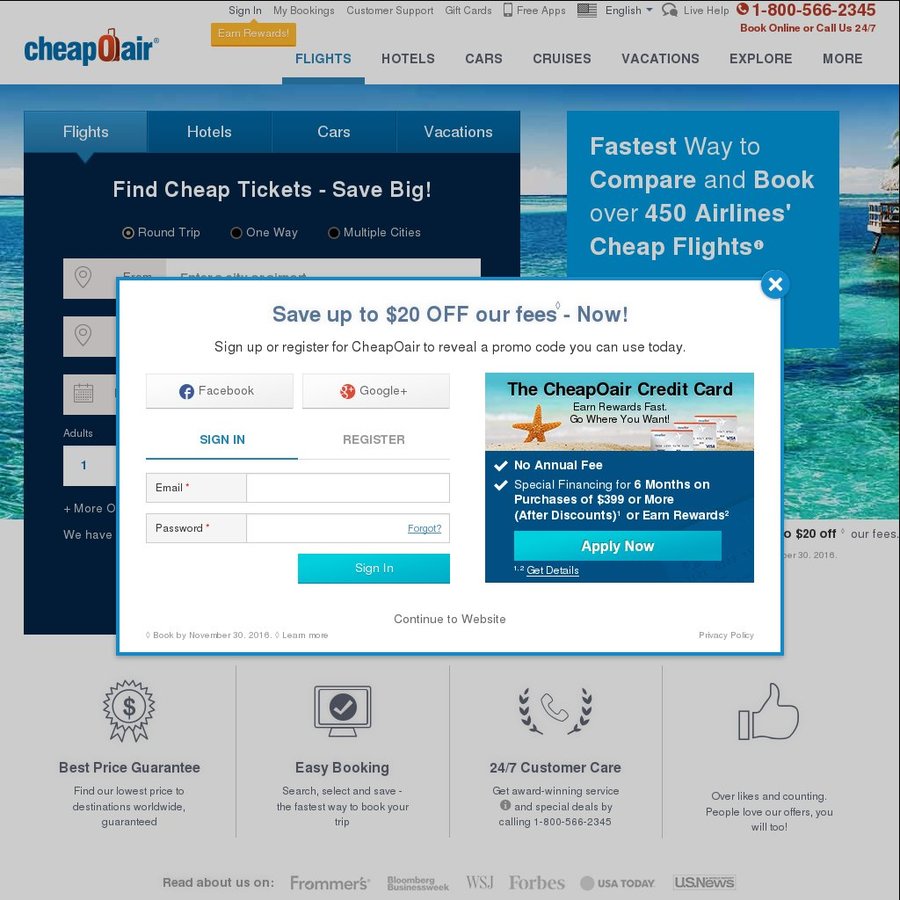
The checkout interface on discount travel sites relies heavily on subtle behavioral nudges. During the purchase funnel on CheapOair, consumers navigate a sequence of pre-selected checkmarks and cross-sells. These items include third-party travel insurance add-ons, flexible booking passes, text alert packages, and internal cancellation protection programs.
Baggage fee policies require careful attention. Low-cost carriers routinely modify luggage pricing based on whether baggage is declared during initial booking or added later at the airport counter. Third-party sites often lack live integration with specific low-cost airline baggage software. A traveler might pay CheapOair an inflated fee for a standard carry-on, only to find the reservation code does not reflect the selection when they arrive at the gate.
Fare matching represents another common point of confusion. While CheapOair promotes a price match guarantee, the policy contains narrow conditions. The competing itinerary must match the exact airline, flight numbers, dates, passenger count, and fare class down to the letter. It must also remain available for booking when reviewed by a representative. Given how rapidly dynamic airline revenue engines adjust inventory, successfully claiming a price match payout remains exceptionally rare.
Customer Reviews and Better Business Bureau Performance
Public feedback across platforms like Trustpilot, Reddit, and consumer complaint forums presents a sharp divide. Positive reviews typically praise fast confirmations and modest savings on simple, non-stop domestic routes. When a traveler needs to fly from Chicago to Atlanta without itinerary changes or bags, the transaction proceeds cleanly.
Negative ratings highlight an entirely different experience when operations break down. CheapOair's record with the Better Business Bureau (BBB) shows hundreds of closed consumer complaints annually, primarily citing customer service communication failures. When severe weather hits a hub airport, passengers attempting to modify itineraries encounter long hold times. Call-center agents frequently inform stranded travelers that only the operating carrier can alter the manifest. When those passengers reach the airline desk, gate agents state the reservation remains under agency control and cannot be modified directly.
This cycle of shifted responsibility frustrates consumers who assumed buying a ticket through an aggregator would mirror the support offered by booking direct. While Fareportal's escalation teams routinely resolve BBB complaints to maintain their business accreditation, the resolution rarely arrives quickly enough to save an active travel itinerary.
Who Should Book Through CheapOair and Who Must Steer Clear
Using an OTA effectively requires matching its structural trade-offs to your individual travel risk profile. Blindly booking every trip on price alone inevitably causes problems.
Ideal Profiles:
- Flexible Solo Backpackers: Travelers carrying minimal luggage who prioritize the absolute lowest base fare and have wide latitude on dates and routing.
- Point-to-Point Domestic Travelers: Passengers booking non-stop flights on legacy carriers where schedule disruption risks are low and secondary connections do not exist.
- Experienced Flight Hackers: Users who understand how to review complex multi-airline itineraries, cross-reference rules on carrier sites, and decline all platform add-ons during checkout.
Risk Flags (Who Should Steer Clear):
- Families with Young Children: Split-ticket consolidator bookings make it significantly harder to secure seats together without steep additional fees.
- High-Stakes Business Commuters: If you must arrive for a deposition or conference, agency call centers cannot rebook you onto rival carrier seats during an irregular operation.
- International Multi-Stop Travelers: Interline baggage rules, passport validation steps, and varying check-in protocols mean a third-party booking creates unnecessary points of operational failure.
Frequently Asked Questions (FAQ)
Q1: Will the airline recognize my ticket if I buy it through CheapOair?
Yes. Once CheapOair completes the payment process and issues your ticket, you receive a six-character passenger name record (PNR). You can take that locator code directly to the operating airline's website to verify the itinerary, select seats, and review your status on the flight manifest.
Q2: Does the DOT 24-hour cancellation rule apply to CheapOair?
The federal 24-hour cancellation rule directly obligates airlines, not independent travel agencies. CheapOair provides a short cancellation window on certain itineraries, but it is bound by internal terms and may charge administrative cancellation fees unless you purchased an optional protection waiver during checkout.
Q3: How do I get a refund if my CheapOair flight is canceled?
If the carrier cancels your flight, submit a formal refund request through CheapOair customer service rather than demanding an airline flight credit. The airline must return funds to the original merchant of record (Fareportal), which then transfers the money back to your credit card, minus any platform-level administrative fees outlined in the service contract.
Navigating Third-Party Ticket Risks in 2026
CheapOair is an established, fully licensed business, not an internet scam. Thousands of passengers board flights arranged by Fareportal networks every week without issue. The operational friction experienced by disgruntled customers stems from the trade-offs inherent to the online travel agency model: discount pricing traded for reduced customer support and split administrative control.
Saving $30 on a flight only makes practical sense if your plans are set in stone and you decline unnecessary upsells at checkout. If your itinerary involves connections, unpredictable business schedules, or multiple checked bags, the pricing advantage rapidly erodes under agency service fees. For low-risk, point-to-point routes, the platform offers an accessible way to secure discounted airfare, provided you monitor the checkout details and understand who actually controls your reservation.
