Chronicle of Comedy Heartbreak: A Timeline of Famous Heavyweight Comedians We've Lost
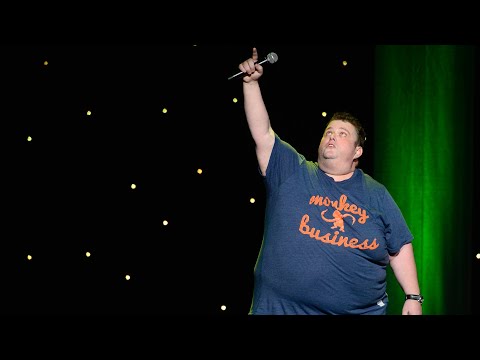
When an audience watches a comedy set, physical mass often doubles as emotional armor. For generations of audiences, larger-than-life performers turned their bodies into punchlines, translating personal vulnerability into slapstick genius, kinetic fury, and magnetic stage presence. Yet behind the spotlight, that same physical reality carried devastating medical consequences. As detailed in a retrospective People.com Report examining John Belushi's final days at the Chateau Marmont 44 years after his death, the deadly mix of cardiovascular strain, unrelenting travel schedules, and self-medication has repeatedly cut comedy's brightest careers short.
The pattern is as persistent as it is heartbreaking. From the early sketches of Saturday Night Live to the smoke-filled basements of the national stand-up circuit, heavyweight performers have carried an outsized burden. When their hearts stopped beating, the public was left grappling with how many cries for help were mistaken for bits.
📌 Key Takeaways:
- The Physical Toll: High-energy physical performance combined with underlying metabolic disease, obesity, and substance abuse has cut short the lives of beloved comedic stars decades before their time.
- A Grim Cycle: John Belushi and Chris Farley died under nearly identical circumstances at age 33, while figures like John Candy, Patrice O'Neal, and Ralphie May succumbed directly to cardiovascular and diabetic failure.
- Industry Evolution: The grueling realities of 40-week comedy road tours are finally facing scrutiny, forcing talent agencies and clubs to reconsider comic health and wellness.
Chateau Marmont and the Blueprint of an Early Exit
The modern archetype of the self-destructive comedy titan crystallized on March 5, 1982. John Belushi was found unresponsive in Bungalow 3 of Los Angeles's Chateau Marmont. At just 33 years old, the Saturday Night Live breakout star and Blues Brother had succumbed to an accidental overdose of cocaine and heroin, compounded by acute pulmonary congestion. Belushi was a force of nature who weaponized his physical frame on screen, tumbling through cafeteria lines and somersaulting down church aisles.
His lifestyle outside the studio accelerated his physical decline. Friends and collaborators frequently recalled that Belushi ran at full throttle without downtime. His heart worked under constant strain, tasked with fueling a 220-pound frame while absorbing catastrophic chemical stress. His death sent shockwaves through Hollywood, establishing a terrifying narrative: that explosive comedic brilliance often masks severe bodily neglect.
Echoes at the Hancock Center: Chris Farley’s Unchecked Momentum
Fifteen years after Belushi's death, history staged a devastating replay. Chris Farley idolized Belushi, studying his timing, his characters, and his unchecked excess. Farley exploded into national consciousness in 1990 as an SNL heavyweight who could launch his 300-plus-pound body across coffee tables and out-dance professional performers. The laughter came easily, but the physical reality deteriorated quickly.
On December 18, 1997, Farley died alone in his 60th-floor apartment at Chicago's John Hancock Center. The coroner's report cited an accidental overdose of morphine and cocaine. Significant coronary artery atherosclerosis was named as a critical contributing cause of death. Farley, like Belushi, was 33 years old. Those close to him noted that Hollywood executives consistently encouraged him to lean into his size, casting him in roles that demanded relentless, punishing pratfalls while ignoring his dozens of stints in drug rehabilitation facilities.
The Quiet Heartbreak of John Candy and Louie Anderson
The tragedy of the plus-sized comedian extends far beyond substance abuse. For many, the enemy was simply chronic cardiovascular disease and metabolic neglect. John Candy possessed an innate gentleness that made films like Planes, Trains and Automobiles and Uncle Buck timeless classics. Candy was intensely conscious of his weight, trying repeated diets throughout his career to counteract a family history of premature heart disease.
On March 4, 1994, while filming Wagons East! on location in Durango, Mexico, Candy suffered a fatal heart attack in his sleep at age 43. He left behind a body of work marked by warmth rather than cynical bite. Nearly three decades later, on January 21, 2022, beloved stand-up icon Louie Anderson passed away at 68 following complications from large B-cell lymphoma and lifelong struggles with obesity-related heart ailments. Anderson spent forty years turning his turbulent family life and body image into self-effacing comedy, leaving fans devastated when his gentle voice fell silent.
A Chronology of Premature Departures on Stage and Screen
The timeline of comedy's physical heartbreak spans five decades, cutting across different performance styles, mediums, and personal battles.
| Performer | Active Decades | Age & Year of Death | Documented Cause of Death |
|---|---|---|---|
| John Belushi | 1970s, 1980s | 33 (1982) | Accidental combined drug toxicity |
| John Candy | 1970s, 1990s | 43 (1994) | Myocardial infarction / cardiac arrest |
| Chris Farley | 1980s, 1990s | 33 (1997) | Opiate toxicity & atherosclerosis |
| Patrice O'Neal | 1990s, 2010s | 41 (2011) | Complications from diabetic stroke |
| Ralphie May | 1990s, 2010s | 45 (2017) | Hypertensive cardiovascular disease |
| Louie Anderson | 1980s, 2020s | 68 (2022) | Lymphoma & cardiovascular failure |
Patrice O'Neal and Ralphie May: The Road Toll on Modern Stand-Up
The stand-up circuit is famously punishing. Touring comedians spend 250 nights a year hopping redeye flights, eating late-night diner food, and living out of hotel rooms. For brilliant minds like Patrice O'Neal, this lifestyle ran parallel to severe chronic illness. Standing 6 feet 4 inches and weighing well over 300 pounds, O'Neal was regarded by his peers, including Bill Burr, Kevin Hart, and Colin Quinn, as a generational thinker. He spoke frankly on radio shows about his Type 2 diabetes and his struggles to change his eating habits.
In October 2011, O'Neal suffered a debilitating stroke. He died a month later on November 29, 2011, at age 41. The comedy community went into collective mourning. At tributes hosted across New York, peers spoke openly about the guilt of watching a brilliant friend slowly succumb to a manageable disease because the club ecosystem provided zero structural support for basic health.
Ralphie May faced an identical grind. After finishing as runner-up on Last Comic Standing in 2003, May maintained a relentless touring schedule despite tipping the scales at over 400 pounds. Even when battling acute pneumonia, May refused to cancel dates at Harrah's in Las Vegas. On October 6, 2017, he died of hypertensive cardiovascular disease at age 45. The industry had cheered his work ethic right up until his body simply shut down.
The Trap of the "Jolly Heavyweight" Aesthetic
Why do comedy institutions let this happen? Historically, larger performers were placed into narrow casting brackets: the jolly sidekick, the out-of-control glutton, or the human wrecking ball. Casting agents routinely warned actors that dramatic weight loss could tank their marketability. When an entertainer's brand relies on being the target of fat jokes, shedding pounds carries financial risk.
This dynamic created psychological isolation. Comedians learned that leaning into self-deprecation disarmed hecklers and earned laughs. Behind that defense mechanism, issues like sleep apnea, extreme hypertension, and clinical depression went unaddressed. Performers were cheered for laughing at the very things that were killing them.
Frequently Asked Questions (FAQ)
Q1: Why are comedians particularly prone to early cardiovascular health issues?
Stand-up comedy requires constant late-night travel, irregular sleep patterns, chronic cortisol spikes from stage anxiety, and heavy exposure to alcohol and junk food in club settings. When combined with obesity, this lifestyle drastically elevates the risk of hypertension, diabetes, and sudden cardiac events.
Q2: Did studio pressure prevent Chris Farley and John Candy from losing weight?
Friends and biographers have documented that Chris Farley routinely felt pressured to remain "the fat guy" to land major movie roles, fearing that physical health would destroy his signature slapstick appeal. John Candy actively sought to lose weight through several medically supervised programs, but family genetics and intense filming demands consistently undermined his efforts.
Q3: How has the comedy industry changed its approach to comic health in recent years?
Modern touring performers are increasingly prioritizing sobriety and physical fitness, breaking away from the hard-drinking road culture of the 1980s and 1990s. Prominent headliners now speak openly on podcasts about continuous glucose monitors, cardiovascular training, and mental health, reducing the stigma around self-care in comedy clubs.
Changing the Culture Behind the Stage Curtains
The untimely deaths of comedy giants leave behind more than just empty dressing rooms. They leave behind unresolved warnings. For decades, the comedy business treated performers as renewable commodities, laughing along as beloved figures pushed their bodies past the breaking point. The tragic losses of John Belushi, Chris Farley, John Candy, Patrice O'Neal, and Ralphie May prove that comedic genius cannot outrun physiological reality.
Today, the landscape is slowly recalibrating. The modern stand-up community increasingly refuses to view self-destruction as a requirement for authenticity. Performers are realizing that staying healthy long enough to deliver punchlines at age seventy is far funnier than dying young for the craft. The true tribute to those lost is not romanticizing their tragic exits, but creating an art form that lets its funniest voices stay alive.
