Costco Sued Over Heavy Metals: Is Your Protein Powder Tainted With Lead and Arsenic?
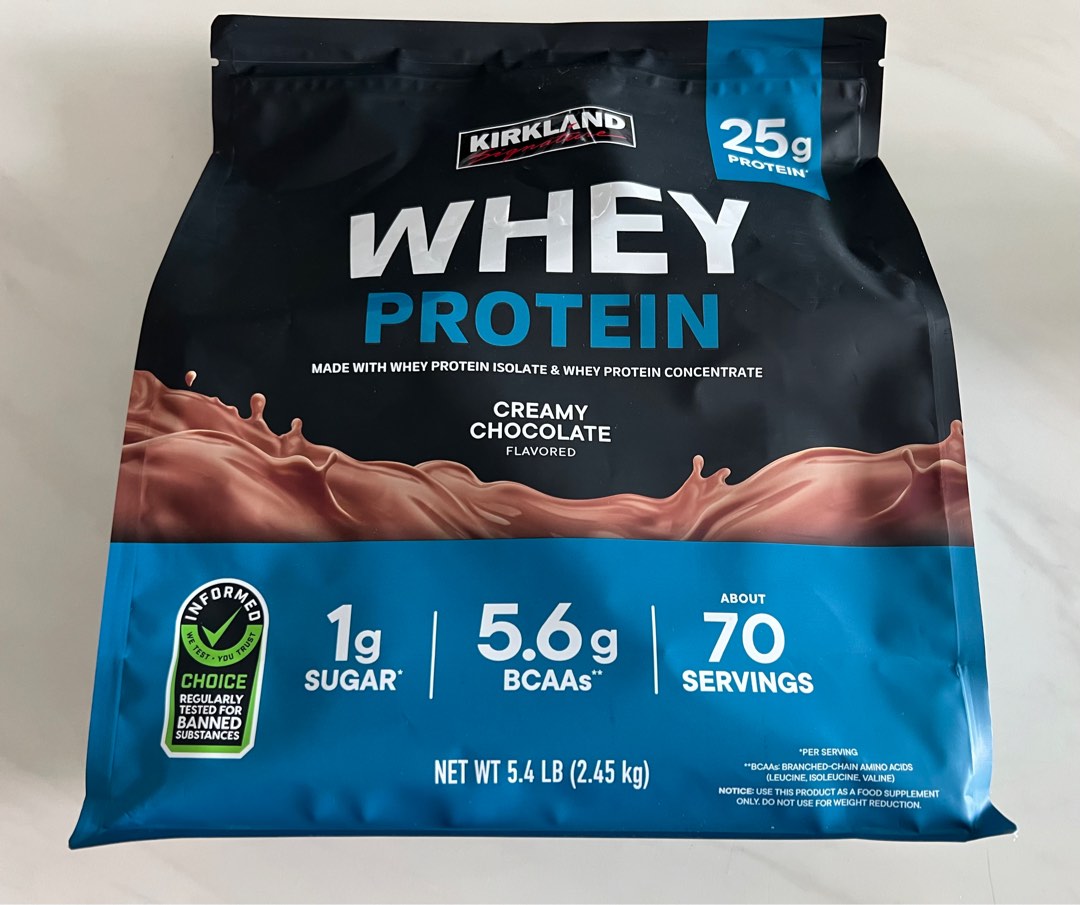
Costco Sued Over Heavy Metals: Is Your Protein Powder Tainted With Lead and Arsenic?
Costco shoppers routinely buy dietary staples in bulk, trusting the wholesale giant's strict vendor standards and high-volume value. That trust took a direct hit when consumer attorneys filed a sprawling federal class action accusing the retailer of selling protein powders tainted with hazardous concentrations of heavy metals. According to a detailed Courthouse News Report, the lawsuit alleges that laboratory testing detected alarming levels of lead and arsenic in popular protein supplements stocked on warehouse shelves across the country.
The litigation, spearheaded by consumer-rights law firm Hagens Berman, targets both the retail giant and product manufacturers for allegedly concealing toxic contamination from everyday consumers. For fitness enthusiasts, busy parents, and older adults who start their mornings with a daily scoop of protein powder, the revelation sparks urgent questions about supplement purity, regulatory gaps, and long-term health risks.
📌 Key Takeaways:
- The Core Allegation: A major class action lawsuit filed against Costco alleges that widely distributed protein powders contain measurable, unsafe quantities of lead, arsenic, and cadmium.
- The Scope: The legal complaint targets high-volume brands sold through Costco warehouses, focusing intense scrutiny on Orgain Organic Protein alongside broader questions regarding bulk dietary supplements.
- The Regulatory Vacuum: Because the FDA treats dietary supplements differently from pharmaceuticals, bulk retailers often rely on self-policing manufacturers until independent laboratory testing exposes hidden toxins.
The Hagens Berman Class Action: Heavy Metals on Warehouse Shelves
The legal action filed in federal court moves past vague warnings to focus on specific laboratory findings. Consumer protection law firm Hagens Berman brought the action on behalf of buyers who paid premium prices for products marketed as clean, wholesome nutrition. Independent chemical analyses commissioned for the litigation revealed that selected batches of protein powders sold at Costco contained lead, inorganic arsenic, and cadmium at levels that exceed safety thresholds established by state and federal health agencies.
The complaint emphasizes deceptive marketing. Manufacturers placed words like "pure," "organic," and "clean nutrition" on the front of oversized tubs, while omitting the presence of heavy metals on the nutritional label. The plaintiffs contend that had Costco or the supplement manufacturers disclosed the presence of neurotoxins and known carcinogens, consumers would have paid far less or walked away from the transaction entirely.
Costco faces direct liability because it curates a narrow, trusted selection of items. When an item lands on a Costco pallet, members assume it has passed rigorous quality control. The complaint argues that Costco failed in its basic duty of consumer product safety by failing to independently verify the purity of dietary supplements distributed to millions of households.
Orgain, Kirkland Signature, and the Plants vs. Dairy Divide
Much of the initial public confusion centers on which specific tubs are sitting under legal fire. While warehouse members immediately wondered about Kirkland Signature whey and plant formulas, the class action points a spotlight at Orgain, a dominant plant-based protein brand prominently featured in Costco clubs nationwide.
The biological reality of plant-based protein explains why these products are uniquely vulnerable to contamination. Plant ingredients like peas, brown rice, chia seeds, and hemp pull nutrients directly from the soil. When soil or agricultural water contains natural mineral deposits or industrial runoff, those crops draw heavy metals through their root systems. The manufacturing process then concentrates those crops into protein powder, inadvertently concentrating toxic heavy metals as well.
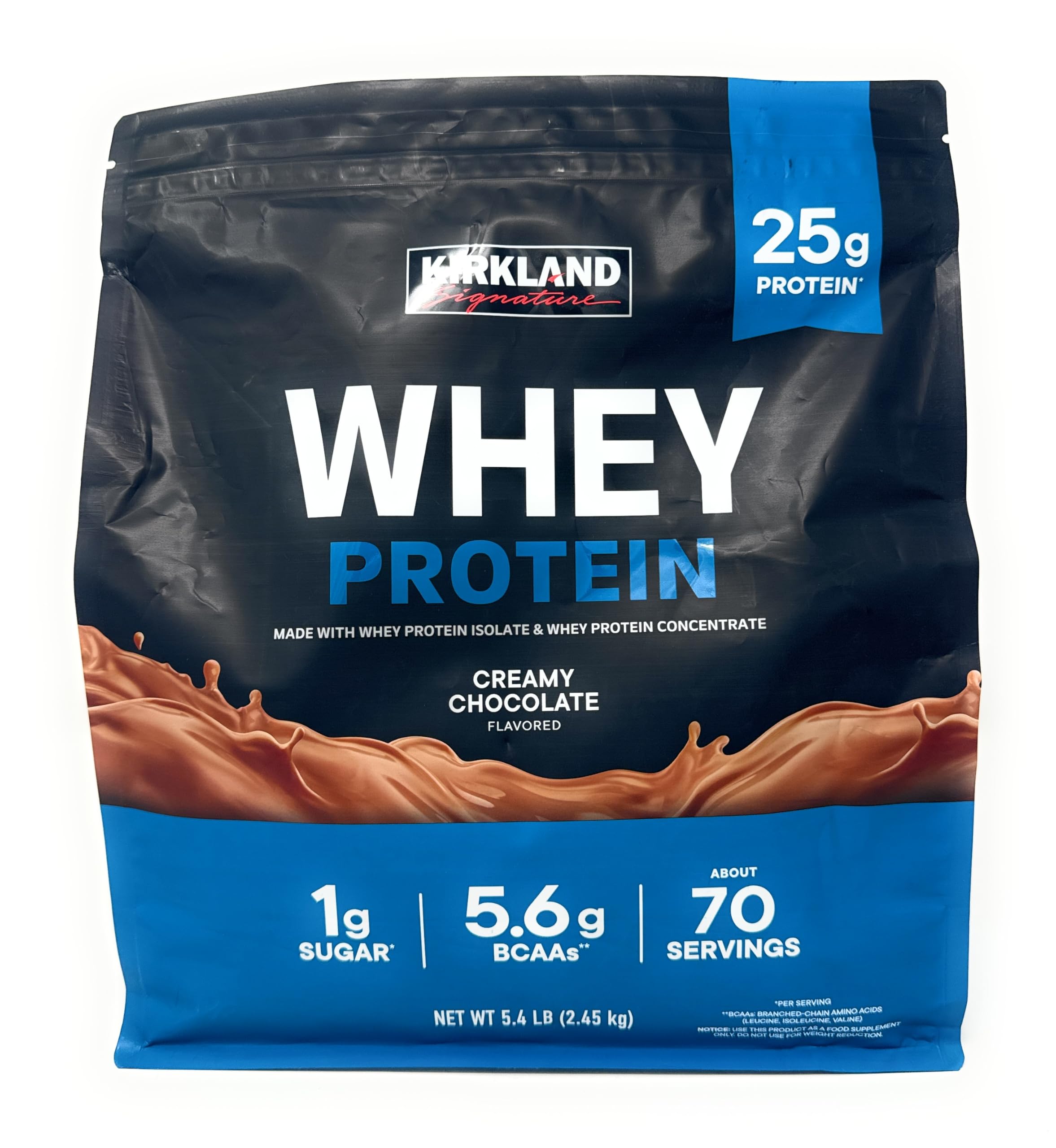
Dairy-derived proteins, such as Kirkland Signature 100% Whey, undergo an entirely different biological filter. Dairy cows metabolize feed and water, and their internal organs screen out a vast majority of environmental heavy metals before nutrients ever reach the milk supply. While dairy powders can suffer from industrial adulteration or poor processing hygiene, plant-based powders bear an inherently higher risk of agricultural lead and arsenic contamination.
| Contaminant | Primary Source in Supplements | Health Hazard Threshold |
|---|---|---|
| Lead (Pb) | Contaminated agricultural soil, historical leaded pesticide residue | Cumulative neurotoxin; damages cardiovascular health; California Prop 65 daily limit is 0.5 micrograms |
| Inorganic Arsenic (As) | Irrigation water, brown rice ingredients, geological mineral veins | Known Group 1 human carcinogen; linked to bladder, lung, and skin cancers; Prop 65 limit is 10 micrograms |
| Cadmium (Cd) | Phosphate-based synthetic fertilizers, industrial soil pollution | Targeted kidney toxin; causes bone demineralization; Prop 65 limit is 4.1 micrograms |
Why Federal Regulators Failed to Catch the Contamination First
How can a retail titan distribute tubs containing toxic elements without federal intervention? The answer lies in the Dietary Supplement Health and Education Act of 1994 (DSHEA). Under this federal statute, the Food and Drug Administration does not approve dietary supplements for safety or efficacy before they hit retail shelves.
The law treats supplements more like conventional food than prescription medicine. Manufacturers are legally responsible for evaluating the safety and labeling of their own products. The FDA steps in only after an adverse event occurs or after outside testing sounds the alarm.
This post-market enforcement model creates a systemic blind spot. Unless an independent laboratory, investigative journalist, or class action firm spends tens of thousands of dollars on mass spectrometry testing, heavy metal levels go completely unnoticed. Retail buyers assume the manufacturer checked the certificate of analysis; manufacturers often rely on raw ingredient suppliers overseas who submit rubber-stamped paperwork. The loop stays closed until a federal lawsuit cracks it open.
The Biological Threat: Cumulative Low-Dose Exposure
A single protein shake will not send an athlete to the emergency room with acute heavy metal poisoning. That reality allows supplement marketers to minimize the issue as minor background contamination. Toxicologists view the problem through an entirely different lens: bioaccumulation.
Heavy metals like lead and cadmium do not exit the human body quickly. Lead settles deep into bone matrix and soft tissues, where it carries a biological half-life measured in decades. Cadmium accumulates in the proximal tubules of the kidneys, slowly eroding renal filtration capacity over a lifetime.
When an individual drinks two protein shakes every day for five years, even fractional microgram doses compound steadily. For pregnant women, young athletes, and individuals with preexisting renal strain, this chronic low-dose exposure poses genuine physiological danger. Lead exposure directly correlates with elevated blood pressure and cognitive decline in adults, while arsenic introduces chronic carcinogenic stress to the epithelium. Labeling a product as a healthy lifestyle booster while delivering daily micro-doses of neurotoxins is precisely what drove plaintiffs to seek class action status.
How Consumers Can Navigate Supplement Safety in 2026
Fitness consumers do not need to abandon protein supplements entirely, but the Costco lawsuit demands an immediate change in buying habits. Relying on an "Organic" badge or a warehouse club endorsement is no longer a valid safety strategy. Organic certifications restrict synthetic pesticides and genetically modified organisms, but they do nothing to measure naturally occurring or legacy heavy metals in the soil.
Shoppers must look for verified third-party laboratory certifications before purchasing any powdered nutritional supplement. Three independent certifications provide credible protection:
- NSF Certified for Sport: Audits manufacturing facilities, verifies label claims, and tests finished batches for heavy metals, contaminants, and banned substances.
- Informed Choice / Informed Sport: Conducts blinded retail sampling and batch-level testing to ensure products are free from hazardous impurities.
- USP (United States Pharmacopeia): Verifies that the supplement contains the ingredients listed at declared potencies and confirms the absence of harmful levels of heavy metals and microbes.
If a tub does not carry one of these independent seals, the consumer is relying entirely on the manufacturer's internal self-policing.
Frequently Asked Questions (FAQ)
Q1: Which protein powders are specifically cited in the Costco heavy metals lawsuit?
A1: The legal action filed by Hagens Berman primarily focuses on Orgain Organic Protein powders sold at Costco warehouses, citing lab testing that revealed actionable amounts of lead, arsenic, and cadmium. Consumers should review their specific purchase history and batch numbers as the litigation progresses.
Q2: Is Kirkland Signature Whey Protein safe from heavy metal contamination?
A2: Whey protein generally has significantly lower heavy metal concentrations than plant-based protein because dairy cows biologically filter out soil minerals before milk production. However, broader concerns over retailer-wide supplement vetting mean third-party testing remains the best metric for verifying any Kirkland Signature batch.
Q3: Does the USDA Organic seal protect against lead and arsenic?
A3: No. USDA Organic rules regulate farming methods, prohibiting synthetic fertilizers and chemical pesticides. The certification does not test for heavy metals naturally present in farm soil or carried into crops via irrigation runoff.
Q4: Can Costco members return open tubs of cited protein powders?
A4: Yes. Costco maintains one of the most generous return policies in retail. Members dissatisfied with the safety or quality of any dietary supplement can bring the unused portion, or empty packaging with purchase history on their account, to the customer service counter for a full refund.
What Lies Ahead for Warehouse Clubs and Supplement Purity
The class action against Costco signals an inflection point for the dietary supplement industry. For decades, warehouse clubs operated as distribution pipelines, deferring safety claims to the brands filling their aisles. That hands-off stance is collapsing under the weight of independent chemical analysis and aggressive consumer litigation.
Federal judges will now determine whether Costco’s internal vetting protocols constitute implicit consumer warranty violations. If the courts certify this class, Costco and Orgain could face millions in restitution and court-mandated testing protocols.
Retailers will likely have to mandate batch-specific, independent Certificates of Analysis before any dietary supplement earns pallet space on a warehouse floor. Until that happens, the burden falls directly on the consumer. Check the tub, look beyond the organic marketing claims, and verify third-party purity seals before your next morning shake.
