Creators' Kitchen As Seen on TikTok Rollout: Full Market Expansion Breakdown

Consumers across the United States can now order viral dishes directly to their doorsteps as Creators' Kitchen As Seen on TikTok expands into hundreds of new markets. Built in partnership with Virtual Dining Concepts, the delivery-only brand bridges short-form video crazes with commercial kitchen production. Operating out of existing restaurant kitchens, the delivery network reaches major metropolitan hubs and suburban corridors through DoorDash, Uber Eats, and Grubhub. The venture marks a major shift in how social entertainment platforms translate ephemeral internet attention into tangible, recurring commerce.
The expansion arrives as creator monetization shifts from passive sponsorship deals toward shared equity, proprietary products, and licensed culinary menus. Legacy culinary players are scrambling to secure a foothold in the same creator-driven pipeline; according to a recent Stock Titan Report, legacy brands like KitchenAid have begun actively recruiting American digital creators for cooking content programs tied directly to retail commission structures. Virtual dining networks now rely on similar incentives, pairing rapid consumer reach with turnkey restaurant infrastructure.
📌 Key Takeaways:
- The Footprint: Creators' Kitchen As Seen on TikTok is live across more than 300 US markets through third-party delivery apps including DoorDash, Uber Eats, and Grubhub.
- The Model: Virtual Dining Concepts licenses viral recipe formulas to local independent and chain brick-and-mortar kitchens, handling supply logistics while splitting proceeds with creators.
- The Ecosystem: The culinary push coincides with cross-platform integrations, including TikTok LIVE programming with Food Network and major studio deals for independent food creators.
From Algorithm Feed to Doorstep: How Virtual Dining Concepts Built the Network
Turning a thirty-second video of whipped pasta or smash burgers into an industrial culinary pipeline requires supply-chain discipline that ordinary content creators lack. Virtual Dining Concepts (VDC) solves this infrastructure deficit by acting as an invisible middleman. The company signs host kitchens, ranging from independent diners and regional hotel restaurants to chain bar-and-grill operations, that have excess capacity during standard business hours.
These host facilities receive standardized ingredient packages, cooking spec sheets, branded packaging, and tablet dispatch software. Because the host kitchen handles all prep work and order fulfillment, no new physical storefronts are required. Orders bypass traditional front-of-house staff entirely, moving from the line directly into the hands of third-party couriers.
By removing brick-and-mortar capital expenditures, the virtual restaurant franchise structure scales rapidly. A trend that gathers 50 million impressions on a Tuesday can theoretically enter a host kitchen's prep rotation within a few weeks. The model also offers independent restaurant operators a supplemental revenue stream, providing gross margin additions of 20% to 30% on kitchen hours that would otherwise sit idle.
Market Availability, Delivery Apps, and Operational Footprint
The initial rollout began with targeted pilot programs across high-density metro areas such as Los Angeles, New York, Dallas, and Chicago. The latest push extends into secondary and tertiary markets, deploying the concept into suburban strip centers and college towns across Ohio, Florida, North Carolina, and Arizona.
Customers access the service exclusively through major on-demand delivery apps. Rather than maintaining a standalone proprietary app, the brand integrates directly into:
- Featured prominently within rotating algorithmic carousels highlighting viral food trends.
- Configured with dynamic surge-pricing shields to preserve order consistency during dinner peaks.
- Tailored primarily toward college-adjacent delivery zones and dense residential clusters.
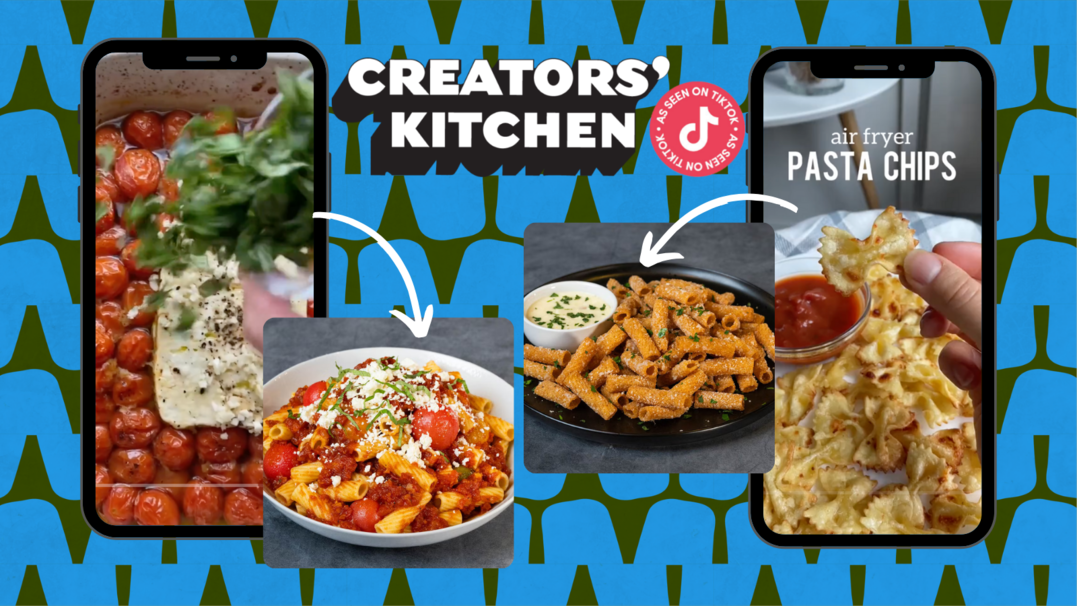
Physical kitchen locations remain deliberately anonymous. A consumer ordering a chopped Italian sandwich or pasta chips might be receiving an order prepared inside an Italian bistro, a downtown sports lounge, or a family-owned breakfast joint. This distributed ghost kitchen delivery approach reduces real estate overhead, though it introduces operational variability across different regional operators.
The Evolving Menu: Turning Viral Dishes into Scalable Operations
Not every dish that looks appetizing on a smartphone screen survives the brutal physics of a delivery bag. Items requiring immediate crispness or hyper-delicate plating fail miserably after sitting in a courier’s thermal pouch for 25 minutes. VDC’s culinary development team tests and modifies each recipe for travel durability before approving it for national distribution.
Menu items rotate on a seasonal schedule to match algorithmic trends while retaining core sellers. Standouts include adaptations of the baked feta pasta that dominated feeds during early iterations of the trend, alongside corn ribs, spicy vodka rigatoni, smashed smashburgers, and custom dessert creations popularized by individual creators.
| Operational Metric | First-Gen Virtual Brands (2020, 2022) | Modern Platform Concepts (2024, 2026) |
|---|---|---|
| Menu Origin | Static, celebrity-endorsed fast food (burgers, chicken tenders). | Dynamic, algorithmically verified viral recipes with quarterly rotation. |
| Kitchen Quality Control | Broad host onboarding with variable preparation standards. | Stricter audit criteria, pre-portioned inputs, and packaging temperature benchmarks. |
| Licensing & Royalties | Single-creator flat endorsements or simple equity cuts. | Multi-creator licensing pools, recipe attribution fees, and platform affiliate rev-shares. |
| Average Ticket Price | $14, $18 per individual order. | $21, $28 per order, driven by bundled sides and premium packaging fees. |
The critical differentiator in this phase is ingredient consistency. In early virtual dining experiments, local kitchens sourced varying tomato sauces or bread brands, causing massive taste discrepancies. The current rollout relies on strict supplier distributor contracts, ensuring that an order fulfilled in Denver tastes indistinguishable from one prepared in Tampa.
The Broader Monetization Ecosystem: Media Deals and Creator Kitchenware
Virtual menus represent only one branch of a much wider corporate push to commercialize social food culture. Traditional television networks and streaming giants are systematically acquiring creator-led intellectual property. Time Out Worldwide reported that TikTok LIVE and Food Network recently debuted a joint cooking series, bridging broadcast television production with real-time digital audience engagement.
At the same time, individual creators are breaking out of short-form apps entirely. Private chef Meredith Hayden secured a high-profile Netflix deal for a video podcast adaptation of her Wishbone Kitchen brand, signaling that production studios now view cooking personalities as full-fledged lifestyle properties. Outside of media agreements, TikTok Shop culinary trends and influencer kitchenware partnerships have turned non-stick pans, specialized mandolines, and proprietary spice blends into eight-figure consumer packaged goods businesses.
For the creators whose dishes appear in Creators' Kitchen As Seen on TikTok, menu licensing agreements offer passive yield on viral output. Instead of relying solely on brand sponsorships, originating creators receive structured payouts based on unit volumes sold across the delivery footprint.
Operational Friction and Quality Disconnects in Host Kitchens
Despite rapid expansion, the ghost kitchen framework faces persistent hurdles. The greatest vulnerability remains the disconnect between digital marketing and back-of-house execution. Host kitchens manage these virtual orders alongside their own in-house guests. When a restaurant's physical dining room fills up at 7:30 PM on a Friday, virtual brand tickets are frequently deprioritized, leading to delayed driver pickups and lukewarm meals.
Quality control disputes have previously damaged high-profile creator brands, leading to public lawsuits over unvetted kitchen partners and inconsistent food preparation. VDC has responded by instituting automated review monitors that flag low-rated host locations, temporarily removing kitchens that fall below a 4.2-star rating on delivery platforms.
Price resistance poses another challenge. With platform delivery fees, service charges, driver tips, and packaging surcharges, a $14 viral pasta dish can easily run a consumer $27 at checkout. When the unboxed food fails to match the cinematic lighting and sensory appeal of the original short-form video, customer retention drops sharply. Sustained growth depends entirely on whether host kitchens can deliver repeatable quality rather than relying on one-off novelty purchases.
Frequently Asked Questions (FAQ)
Q1: How do I find out if Creators' Kitchen As Seen on TikTok delivers to my address?
Open DoorDash, Uber Eats, or Grubhub on your phone and search for "Creators' Kitchen." If a participating host kitchen operates within your delivery radius (typically 3 to 6 miles), the storefront will appear with the active local menu. You cannot order directly from a standalone website.
Q2: How do original recipe creators earn money from these virtual kitchen sales?
Creators enter into menu licensing agreements with the brand operator. These contracts typically pay out an agreed-upon royalty fee per unit sold or a percentage of net sales attributed to their specific featured dish, shifting creator revenue away from one-off sponsorships toward recurring licensing royalties.
Q3: Are these ghost kitchen meals cooked by professional chefs or fast-food staff?
The food is prepared inside existing commercial restaurants by their regular kitchen staff. Depending on your neighborhood, your order might come from a local family diner, an independent sports bar, or an established regional chain that has contracted with Virtual Dining Concepts to utilize its off-peak kitchen capacity.
The Next Phase of Social Media Food Franchising
The rapid deployment of Creators' Kitchen As Seen on TikTok proves that digital content platforms can function as decentralized research-and-development labs for the restaurant sector. Millions of daily views, shares, and algorithmic signals now provide instant market validation, testing consumer appetite before an operator ever buys an ingredient.
The long-term survival of this distribution model rests on operational execution rather than social media hype. Flashy video marketing can generate an initial wave of exploratory orders, but repeat business requires consistent temperature control, fair pricing, and reliable delivery times. As virtual dining networks refine their quality standards, the line between internet entertainment and neighborhood dining will continue to dissolve.
