Decoded Visual Clues: What Nott the Brave's Animated Design Confirms About Her True Identity
Decoded Visual Clues: What Nott the Brave's Animated Design Confirms About Her True Identity
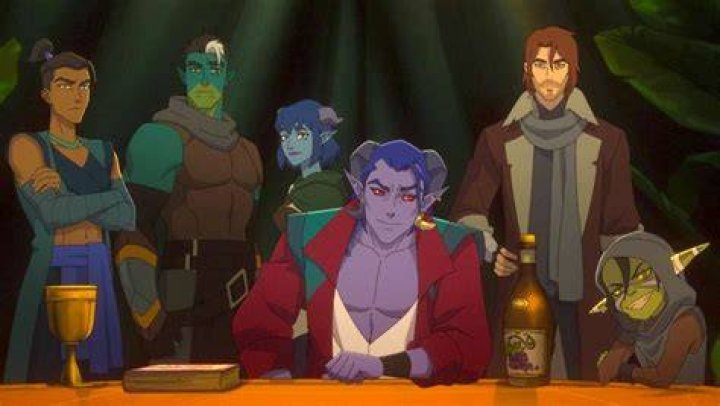
When Critical Role and Amazon MGM Studios brought Wildemount to the screen, production artists faced an immediate creative dilemma: how to portray a character whose entire visual identity is an agonizing biological disguise. As noted in an early Collider Report examining the production's darker, cinematic edge, the Prime Video adaptation leans hard into atmospheric psychological storytelling. Viewers meet Nott the Brave not as a lighthearted fantasy archetype, but as an anxious, twitchy goblin rogue enveloped in dirt, oversized rags, and persistent dread.
For newcomers, Nott looks like an eccentric outcast clinging to the hem of Caleb Widogast's dirty coat. Longtime tabletop viewers know that every frayed stitch, stolen trinket, and facial contour carries heavy dramatic freight. Behind the sharp green ears and nervous thievery sits Veth Brenatto, a halfling mother and wife trapped in the form of her tormentors through a cruel halfling curse. The animation medium strips away the fog of tabletop theater-of-the-mind, replacing it with explicit visual signals that telegraph her true history long before the narrative drops its formal revelations.
📌 Key Takeaways:
- Visual Breadcrumbs: Nott's costume design, from domestic sewing notions to an ill-fitting porcelain mask, serves as direct anatomical and psychological evidence of her suppressed halfling life as Veth Brenatto.
- Substance as Defense: Her reliance on a battered yellow flask acts as a chemical coping mechanism for acute species dysphoria, drowning out the sensory shock of goblin physiology.
- Expanded Exandrian Canon: Production disclosures reveal that Matthew Mercer supplied previously unreleased Exandria backstory to animator teams, creating forensic visual clues that ground Caleb Widogast's pursuit of transmutation magic.
The Porcelain Mask and the Body Dysmorphia of a Reluctant Goblin
The porcelain mask worn by Nott is not an accessory chosen for stealth. It is an instrument of psychological survival. In Critical Role Campaign 2, Sam Riegel played Nott's fixation on human and halfling features through dialogue and erratic behavior. The Prime Video series renders this compulsion visibly terrifying. The mask features rounded cheeks, delicately arched eyebrows, and soft feminine lines that directly mirror standard Exandrian halfling facial geometry, creating an unsettling contrast against her sharp chin and jagged teeth.
Watch how the animators handle light across her face. Whenever Nott catches her reflection in stagnant water or polished tavern glass, her pupils dilate in genuine horror. She adjusts the mask obsessively. She pulls the porcelain down whenever someone stares too long at her mouth. Goblins in Exandria rarely bother hiding their features among the criminal fringes of the Dwendalian Empire. Nott does so because she cannot stomach the physical reality of her green skin and predatory jawline. Her aversion is not social shame; it is profound bodily dissociation.
The physical sizing of the mask tells an even sharper story. Human masquerade masks dwarf her, slipping off her temples. This specific porcelain plate fits the exact contours of an adult halfling face. When she lifts it to eat or drink, the framing consistently cuts to extreme close-ups of her eyes, emphasizing a frightened halfling soul looking out through an unfamiliar skull.
The Yellow Flask and Maternal Self-Medication in Wildemount
Nott’s tin flask, coated in chipping yellow paint, appears early as a comedic running gag about an alcoholic rogue. The animated framing strips that comedy away. In key scenes throughout the lower boroughs of Zadash and Trostenwald, the sound design emphasizes the dull clink of the flask against her chest whenever she experiences sudden distress. She does not drink to celebrate victories. She drinks to suppress acute panic attacks brought on by maternal grief and sensory overload.
The color of the flask is an emotional anchor. Yellow is the dominant color of the Brenatto family home in Felderwin, matching the fields of dried grain and the simple ceramic glazes used by her husband, Yeza Brenatto. The paint is flaking because Nott rubs it with her thumb like a prayer stone. Paired with her obsession with shiny baubles, buttons, and string, the flask forms a psychological lifeline back to her child, Luke.
Where typical rogue characters hoard gems for material leverage, Nott hoards household oddities. The animated adaptation highlights her stolen treasures: small wooden sewing spools, tarnished brass thimbles, and cloth patches. These are domestic artifacts of a halfling apothecary and mother, carried across war-torn imperial roads by a creature forced to kill to stay alive.
Tracking the Adaptation: Tabletop Play vs. Screen Visuals
Translating hundreds of hours of unscripted roleplay into a cohesive television narrative required the animation studio to systematize Nott's physical clues from day one. In Campaign 2, players improvised details over years of weekly live streams. The animated series condenses these threads into deliberate visual motifs.
| Visual Cue / Item | Tabletop Campaign 2 Detail | Prime Video Adaptation Rendering | Narrative Significance |
|---|---|---|---|
| Porcelain Mask | Described as a theater mask picked up to avoid scrutiny in human settlements. | Molded with exact halfling cheekbones; framed during mirror scenes to highlight dissociation. | Represents internal rejection of her cursed goblin biology. |
| Yellow Flask | A simple flask refilled with whiskey, frequently played for humorous party banter. | Distressed domestic paint; paired with somatic thumb-rubbing and panic-triggered drinking. | Direct link to her lost domestic life in Felderwin and coping with trauma. |
| Crossbow Construction | Tinkered weapon augmented across various leveling tiers during combat encounters. | Engineered using apothecary scales and chemist clamps stamped with Felderwin guild marks. | Proves technical halfling craftsmanship rather than crude goblin scrap construction. |
| Patchwork Overcoat | Oversized hooded cloak used to conceal small stature and green skin in public. | Stitched using domestic cross-stitch techniques with children's garments visible in the lining. | Signals maternal protection and preservation of her son Luke's memory. |
Transmutation Magic and Caleb Widogast’s Arcane Burden
The relationship between Nott and Caleb Widogast is the emotional core of The Mighty Nein’s early chapters. The animated series clarifies their mutual dependency through visual staging. When Caleb studies his spellbooks by candlelight, Nott is never simply sleeping nearby. She is watching his hands. Her gaze locks onto the specific geometric circles of transmutation magic.
In Dungeons & Dragons mechanics, transmutation alters the physical properties of creatures and matter. For Caleb, transmutation represents a desperate ambition to manipulate time and undo past atrocities. For Nott, Caleb's arcane talent is her singular shot at biological restoration. She finances his material components, steals rare inks from imperial scriptoriums, and feeds him while he studies, acting not as a pet or a sidekick, but as an investor underwriting a rescue mission for her own body.
The animators frame their interactions with distinctive maternal warmth that Caleb initially fails to understand. She wraps blankets around his shoulders with the practiced ease of someone who tucked a toddler into bed for five years. When she hands him copper coins, she cleans them on her shirt first. These small, maternal mannerisms run completely counter to standard goblin socialization, leaving subtle visual proof that Caleb is being cared for by a displaced mother.
How Matthew Mercer and Sam Riegel Rebuilt Veth for Prime Video
Bringing this storyline to streaming required direct consultation with the world's architect. As reported by Popverse in late 2025, Game Master Matthew Mercer provided the series' writing room with deep lore archives that were never fully vocalized during the original 141-episode campaign. These documents detailed the exact cultural mechanics of the curse enacted by the goblin clan under the hag Isharnai.
Sam Riegel worked directly with supervising animators to translate Veth's internal struggle into kinetic character acting. Goblins in western fantasy typically move with erratic, low-center-of-gravity hops. Nott walks with the steady, measured heel-to-toe gait of a halfling homemaker forced into digitigrade shoes. Her claws scrape against cobblestones because her instincts reject their presence.
Mercer’s unreleased notes also solved a practical animation challenge: establishing the sensory assault of her transformation. In behind-the-scenes production material, the creative team confirmed that Nott’s heightened goblin olfactory sense causes her physical nausea. The animated medium communicates this through sharp pupil contractions and rapid facial tics whenever meat rots or open sewers pass by, providing a scientific and visceral layer to her persistent torment.
Frequently Asked Questions (FAQ)
Q1: Why does Nott wear a porcelain mask if everyone knows she is a goblin?
A1: The mask does not fool imperial authorities at close range; its primary function is psychological self-protection. Nott experiences intense dysphoria when viewing her goblin features, and the mask reflects the soft facial proportions of her true halfling self.
Q2: When does Nott reveal her true identity as Veth Brenatto?
A2: In the tabletop campaign, the revelation surfaces during the party's trip through the Dwendalian Empire as her connection to Felderwin comes to light. The Prime Video series seeds this transformation visually from the very first frame to make the eventual reveal narratively inevitable.
Q3: Who turned Veth Brenatto into Nott the Brave?
A3: She was cursed by the sea hag Isharnai after sacrificing herself to save her husband Yeza and her son Luke from a raiding goblin clan, transforming her physically into the very creatures that terrorized her community.
Q4: Why is Nott so protective of Caleb Widogast?
A4: Beyond their deep personal bond forged in imperial prison cells, Nott identifies Caleb’s aptitude for transmutation magic as her only realistic path toward breaking her curse and regaining her true halfling form.
The Narrative Weight of Reclaiming Veth Brenatto in 2026
Adapting Nott the Brave for television required shifting a five-year-old tabletop mystery into an airtight visual narrative. The creative team avoided cheapening the reveal by seeding deliberate, forensic clues throughout her character design. Every frayed edge of her overcoat, every anxious swig from her battered yellow flask, and every glance beneath her porcelain mask points toward the same unresolved tragedy.
Nott the Brave remains one of fantasy storytelling's most layered subversions: a monster on the outside, a fiercely protective mother on the inside, and a traumatized soul fighting to regain ownership of her own flesh. By allowing these emotional stakes to guide every frame of animation, the Prime Video series ensures that when the goblin veneer finally shatters, the halfling waiting underneath earns every shred of her hard-won bravery.
