Exposing AI Spambots on TikTok Shop: Real Earnings, Flagged Clips, and Algorithm Rules
Every hour, thousands of synthetically generated avatars flood TikTok, each pointing toward a yellow shopping basket pinned above the caption. These automated accounts stitch together stolen product b-roll, voice clones generated via eleven-second audio prompts, and programmatically scraped merchant links. The rush to exploit the TikTok Shop affiliate program with zero human labor has turned the platform's commercial feed into an algorithmic battleground. Yet, behind the aggressive promises of passive five-figure monthly dashboards shared across Discord servers, the financial reality tells a starkly different story. According to an investigative affiversemedia.com Report, the rush toward synthetic shoppable content has collided head-on with an unexpected hurdle: a massive algorithmic attribution gap where video views explode, but actual tracking slips away to outside marketplaces like Amazon.
📌 Key Takeaways:
- The Enforcement Crackdown: Automated accounts using scraped footage now face shadowbans within 48 to 72 hours, triggered by automated original content violation flags inside the TikTok Shop creator center.
- The Attribution Trap: Synthetic video spam often drives brand discovery, but creators lose commissions when shoppers close TikTok to buy directly through third-party retail apps.
- Real Economics: Genuine creators maintaining physical product showcase compliance average $1,800 to $6,500 monthly, while automated spam networks see over 85% of their pending balances frozen before meeting settlement requirements.
How the Automated Video Rush Overran the Creator Center
Automated software pipelines promised an effortless cash machine. Throughout late 2025 and into 2026, turn-key software suites began allowing operators to scrape trending consumer goods from e-commerce sites, generate synthetic voiceovers, and churn out hundreds of shoppable videos each week. These tools promised to exploit the platform’s affiliate eligibility requirements by pairing mass-produced accounts with disposable profiles bought on secondary forums.
The workflow bypassed conventional video production entirely. Operators submitted automated free product sample requests or bought items in bulk, using stock footage overlays and synthetic scripts to meet the bare minimum threshold for an active product showcase. Because creator commission rates on popular cosmetics, trending tech gadgets, and wellness supplements frequently sit between 10% and 20%, the math looked enticing on paper. An account generating just three sales a day could theoretically turn a profit within a week.
The surge overwhelmed feeds almost instantly. Viewers encountered identical robotic cadence descriptions for teeth-whitening strips, neck pillows, and sunset lamps across dozens of seemingly unrelated handles. For brands seeking authentic engagement, the surge proved chaotic: sudden spikes in impressions arrived alongside bottom-barrel click-through numbers and rising customer support complaints.
The Anatomy of an Account Freeze: How Detection Systems Catch Bot Links
ByteDance responded by overhauling its automated content moderation pipeline. The enforcement network now evaluates vertical video uploads across three distinct layers: visual frame hashing, acoustic watermarking, and real-time behavioral telemetry.
When an account submits a video linking to an affiliate showcase, computer vision systems analyze the upload against a centralized library of registered merchant assets and prior user uploads. If the engine detects mirrored footage, stitched clips with minimal pixel variance, or standard manufacturer b-roll without a genuine presenter, it triggers an instant original content violation flag.
[Synthetic Upload Attempt]
│
├── Frame Hash & Audio Watermark Scan
│ │
│ ├── Matches Stolen / Scraped Asset ──► [Immediate Violation Flag + Zero FYP Distribution]
│ │
│ └── Unique Visual Structure
│ │
└── Behavioral Telemetry (Device ID, IP, Touch cadence)
│
├── Bot Activity Confirmed ──────────► [Product Tag Revoked + Funds Frozen]
└── Authentic Human Operation ──────► [Standard Commerce Distribution]
The penalties escalate quickly. First-time offenders lose the ability to attach product links to their videos for seven days. Repeat violations result in full account suspension and immediate forfeiture of accrued earnings. Crucially, the system targets monetization payout thresholds, which require creators to hold funds in reserve during a rolling settlement window, typically 14 days after confirmed delivery. When an account is flagged for non-original video assets, TikTok freezes pending balances before they ever hit an external bank account.
The Attribution Gap and the Hidden Cost of Stolen Views
Even when automated clips slip past moderation filters and amass hundreds of thousands of impressions, the financial payout remains surprisingly thin. Synthetic channels struggle with an algorithmic attribution gap. AI-narrated videos often provoke curiosity without building trust. A viewer watching a synthetic avatar praise a portable vacuum cleaner may find the gadget interesting, yet hesitate to enter credit card details directly into the app.
Instead, potential buyers switch apps. They open Amazon, search for the exact product name, and complete the transaction through their Prime accounts. Industry monitors show this "Amazon halo effect" siphons away significant affiliate revenue: the TikTok creator absorbs the production and distribution effort, but collects zero commission.
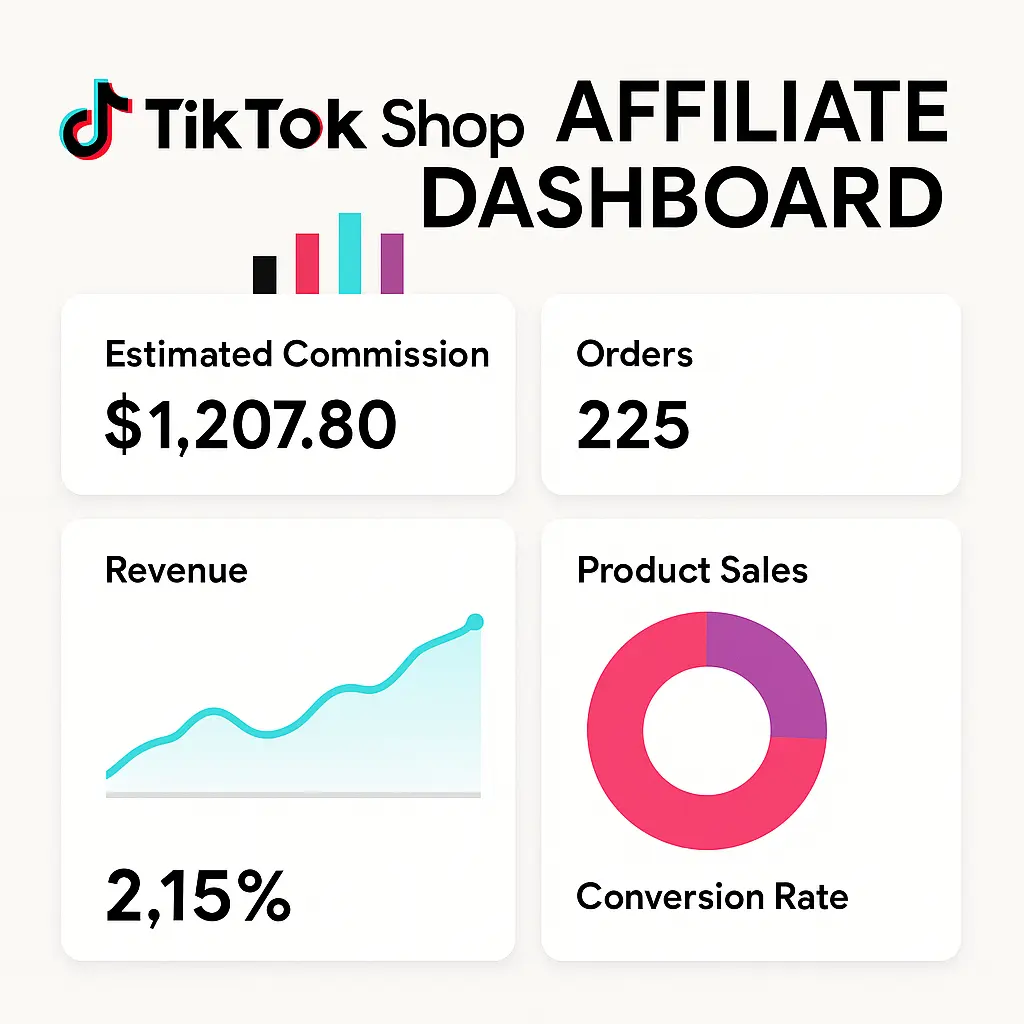
The issue compounds when looking at video commerce conversion benchmarks. Organic creators with a consistent personal presence convert shoppable impressions at rates between 2.8% and 5.4%. AI spambots, by contrast, struggle to clear 0.3%. High view counts generate vanity metrics inside creator marketplace analytics, but translate into negligible net revenue.
| Operational Metric | AI-Generated Spambot Setup | Verified Human Creator Setup |
|---|---|---|
| Average Account Lifespan | 3, 14 days before restrictions | Indefinite (Active long-term profile) |
| Video Commerce Conversion Rate | 0.1%, 0.4% | 2.8%, 5.4% |
| Violation Flag Rate | 82%, 94% of uploaded assets | Less than 2% |
| Effective Commission Capture | Under $150 (Pre-freeze average) | $1,800, $6,500 monthly |
| Sample Request Approval Rate | 0% (Rejected by merchants) | 40%, 75% of submitted requests |
What Legitimately Earns: The Shift Toward Predictable Video Commerce
While automated spam networks collapse under policy updates, authentic video commerce continues to expand. Serious operations treat shoppable video not as a lottery ticket, but as an editorial production discipline. Industry executives, including Alex Perez-Tenessa, founder of Trendio, have demonstrated that applying artificial intelligence behind the camera, for indexing inventory, analyzing conversion velocity, and predicting consumer trends, yields actual results, whereas using AI to replace the human host on-camera routinely fails.
Human creators who physically test products and speak candidly to their audiences hold clear advantages:
- Direct Access to Merchant Samples: Reliable accounts maintain high approval rates for free product sample requests, lowering production overhead.
- Higher Creator Commission Rates: Merchants frequently negotiate private commission rates reaching 25% to 35% with proven influencers, far above the standard 8% to 15% open-marketplace baseline.
- Trust translates directly into in-app transactions, avoiding the attribution leak that drains impersonal bot content.
Sellers have also tightened their rules. Instead of approving every affiliate request, merchants use the TikTok Shop creator center to filter partners by historical completion rate, median view duration, and chargeback history. Profiles lacking original presenter footage are routinely blacklisted from high-margin campaigns.
Account Survival Checklist: Protecting Your Affiliate Status
Building durable income through the TikTok Shop affiliate program requires strict adherence to content safety rules. Avoid shortcuts that trigger automated account strikes by following these operational boundaries:
- Verify On-Camera Demonstration: Show the product physically unpackaged and handled by a real person. Clips relying solely on still imagery or stitched manufacturer ads risk immediate removal.
- Avoid Synthesized Voice Clones: System audio analyzers flag standardized text-to-speech voice models that match known spambot patterns. Natural human audio consistently receives higher organic distribution.
- Maintain Transparent Disclosures: While the yellow shopping basket inherently marks the post as commercial, clear spoken or written notices prevent viewer report spikes that invite manual audits.
- Monitor Fulfillment & Returns: Sponsoring low-grade drop-shipped goods leads to elevated refund rates. If customer return rates exceed 8% to 10% on linked items, your affiliate score drops, depressing overall feed reach.
Frequently Asked Questions (FAQ)
Q1: What are the current TikTok Shop affiliate eligibility requirements?
Creators must be at least 18 years old, possess a verified profile in an active TikTok Shop region (such as the US or UK), and hold an established follower count, typically 5,000 followers in the US market, though specific pilot programs and agency invites occasionally grant access at lower numbers. Accounts must also maintain a clean policy compliance record with no active community guideline strikes.
Q2: Why do AI-generated affiliate videos get zero views after uploading?
ByteDance employs automatic acoustic and visual deduplication algorithms. If an uploaded video uses scraped e-commerce assets, recognizable synthetic voice tracks, or previously indexed video clips, the platform assigns it a zero-distribution flag under its unoriginal content policies. The clip remains visible on your profile, but the algorithm suppresses it from the For You feed.
Q3: How long does it take to withdraw earned affiliate commissions?
Commissions enter a mandatory clearance period following order delivery, typically lasting 14 calendar days, to account for customer returns, cancellations, or logistics disputes. Once this period closes, earnings transfer to your withdrawable balance. The minimum payout threshold is generally $1.00 to $10.00, depending on your linked financial institution and payout configuration.
The Real Economics of TikTok Commerce in 2026
The era of rapid, automated affiliate farms on TikTok has hit structural barriers. Platform operators have fine-tuned their detection systems to protect user retention, while consumers have grown skeptical of generic, unboxing-style stock footage narrated by synthetic voices. The platform rewards authentic demonstrations, genuine hands-on testing, and clear communication. Creators who treat shoppable content as a craft secure durable commissions, while automated spam networks face empty balances, shadowbanned profiles, and frozen merchant payouts.
