Fact-Check: What Happened to TikTok Star Rebecca Luna and Her Choice for Medical Assistance?

When Rebecca Luna first opened her phone camera to talk about forgetting basic words and misplacing familiar routines, she turned an intensely private medical crisis into a candid public conversation. Over several years, the 49-year-old creator built a dedicated following on TikTok by documenting the daily realities of living with young-onset Alzheimer’s disease. In late July 2026, Luna ended her life through medical aid in dying (MAID), surrounded by loved ones, as confirmed by national reporting including an in-depth People.com Report as well as statements from advocacy groups like Dying With Dignity Canada.
Her passing prompted an outpouring of grief alongside renewed public discourse surrounding neurodegenerative conditions, patient autonomy, and the strict legal parameters governing assisted dying. Luna chose to leave on her own terms before the progressive brain disorder stripped away her capacity to make informed decisions for herself. Her story cuts through digital noise, presenting an unvarnished look at an agonizing health dilemma that millions of families face behind closed doors.
📌 Key Takeaways:
- The Diagnosis: Luna went public with her young-onset Alzheimer’s diagnosis in her mid-40s, using short-form video to demystify cognitive decline in younger adults.
- The Decision: On July 26, 2026, Luna legally accessed medical aid in dying (MAID) at age 49 while retaining full decisional capacity.
- The Policy Impact: Her journey highlights the narrow, critical window dementia patients face when seeking assisted dying legislation safeguards across different jurisdictions.
Documenting Young-Onset Alzheimer’s in Public View
Alzheimer’s disease is widely perceived as an illness of advanced age, typically diagnosed in people aged 65 and older. Luna’s experience defied that cultural assumption. Diagnosed in her mid-40s, she belonged to the estimated 5% to 6% of Alzheimer’s patients who develop young-onset (or early-onset) forms of the disease. Instead of retreating from public view, she started posting dispatches directly to TikTok.
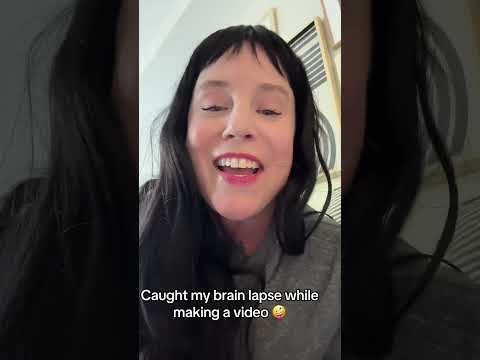
Her videos skipped glossy filters. She spoke plainly about cognitive testing, the grief of losing career milestones, and the emotional toll exacted on her family. She walked followers through brain scans, neuro-psychological assessments, and practical adaptations she used around the house to manage memory loss. That transparency established her account as a rare, empathetic touchpoint for younger patients, caregivers, and medical professionals searching for real-time perspectives on cognitive deterioration.
Luna’s openness sparked viral attention because she refused to sugarcoat the prognosis. Dementia does not follow a neat arc. She detailed "good days," where conversation flowed effortlessly, contrasted against frightening episodes of confusion in familiar places. By showing the mechanical progression of the disease, Luna dismantled stigmas that often force younger dementia patients into isolation.
Verifying the Details of Her Medical Aid in Dying Choice
Following her death on July 26, 2026, rumors circulated across social platforms regarding how and why Luna died. Mainstream outlets, including TMZ and Yahoo News, corroborated that Luna passed away peacefully after choosing medical assistance in dying. She was 49 years old.
Assisted dying laws require patients to demonstrate informed consent, voluntary request, and full decisional capacity at the precise time the intervention is scheduled or administered. For individuals with dementia, this creates a profound clinical threshold. If a patient waits too long and cognitive decline impairs their legal competence, they permanently lose eligibility under standard MAID frameworks in many countries and American states.
Luna had openly discussed this timeline with her audience and medical team. She determined early on that she wanted to proceed while she still recognized her family, understood her circumstances, and possessed the legal right to enact her advance directives. By acting before reaching advanced stages of dementia, Luna preserved her personal sovereignty, though the decision required saying goodbye earlier than her physical body might have otherwise given out.
Timeline of Rebecca Luna’s Diagnosis, Advocacy, and Final Decision
Tracking Luna’s public timeline reveals how quickly young-onset neurodegeneration advances and why end-of-life planning became the central focus of her final chapters.
| Phase / Timeframe | Key Event | Medical & Public Significance |
|---|---|---|
| 2022, 2023 | Initial Symptoms and Formal Diagnosis | Underwent extensive neurological evaluations; confirmed young-onset Alzheimer's in her mid-40s. |
| 2024, 2025 | TikTok Public Advocacy Campaign | Gained hundreds of thousands of followers; documented daily cognitive routines and medical visits. |
| Early 2026 | End-of-Life Planning and MAID Consultation | Completed comprehensive psychiatric and clinical assessments to secure legal approval for assisted dying. |
| July 26, 2026 | Passing at Age 49 | Administered MAID legally while maintaining decisional capacity; family confirmed her peaceful departure. |
| Late July 2026 | National Tributes and Public Policy Discussions | Advocacy organizations like Dying With Dignity highlighted her case as a benchmark for patient rights. |
Legal and Clinical Realities of MAID for Dementia Patients
Luna’s case brings critical attention to the complex intersections of law, clinical ethics, and neurological decline. In most jurisdictions where assisted dying is legal, including 10 U.S. states plus Washington, D.C. under Death with Dignity statutes, as well as Canada’s federal MAID system, qualifying requires clear, unimpaired consent right up to the final administration.
For terminal cancer or motor neuron diseases like ALS, cognitive clarity often remains intact even as physical health fails. Alzheimer’s works in reverse. The body remains physically robust while synaptic pathways break down. If an individual with Alzheimer's falls below the threshold of legal competence, physicians cannot ethically or legally proceed under current statutes in most regions, even if the patient wrote clear advance instructions years prior.
Because of this "competency catch-22," patients who want to control their final moments face a wrenching choice: they must choose to die earlier than strictly necessary, while their reasoning faculties remain demonstrable to reviewing physicians, or risk losing their window entirely and living through the late-stage degradation they wished to avoid. Luna navigated this dilemma deliberately, working closely with clinical ethicists to ensure her rights were exercised before her competence slipped away.
How the Online Community and Advocacy Groups Responded
Following the confirmation of Luna's passing, Dying With Dignity Canada issued a statement honoring her contributions to the public understanding of terminal diagnoses and individual choice. Tributes from fellow creators, medical ethicists, and grassroots caregivers poured across social platforms, praising her courage in illuminating an outcome that society routinely avoids examining.
On TikTok, community response was overwhelmingly supportive, marked by thousands of commemorative video stitches, shared memories, and testimonials from people who felt less alone navigating their own parents' or partners' cognitive struggles. Rather than turning morbid, her comment sections turned into community support threads where people shared resources on grief, palliative care, and genetic screening.
Her family shared that Luna felt deep gratitude for the community that rallied around her. Knowing that her recordings offered solace to others gave purpose to an otherwise devastating medical path.
Frequently Asked Questions (FAQ)
Q1: What condition was Rebecca Luna diagnosed with?
A1: Rebecca Luna was diagnosed with young-onset Alzheimer’s disease in her mid-40s, a form of dementia that develops before age 65 and causes progressive cognitive impairment, memory loss, and neurological decline.
Q2: How did Rebecca Luna die at age 49?
A2: Luna died on July 26, 2026, through medical aid in dying (MAID). She completed formal assessments and chose to receive medical assistance while still retaining full mental capacity to provide informed consent.
Q3: Can anyone with Alzheimer’s access medical aid in dying?
A3: No. Access depends entirely on jurisdiction and mental competence. Most laws require patients to possess full decisional capacity at the exact moment of the procedure. Patients in moderate to late stages of Alzheimer's generally do not qualify because of cognitive impairment.
Q4: Why was Rebecca Luna well-known on TikTok?
A4: Luna built a substantial following by candidly documenting her lived experience with early-onset Alzheimer's. She shared practical realities, emotional updates, and clinical evaluations, breaking taboos surrounding younger dementia patients.
The Enduring Impact of Rebecca Luna’s Advocacy
Rebecca Luna stripped the romanticism and shame away from degenerative illness. Facing an incurable condition with clear-eyed resolve, she transformed her personal tragedy into an enduring public service. Her video logs serve as a permanent educational record, revealing how a sharp, creative woman adapted to vanishing memories while holding onto her humanity.
Her choice to pursue medical aid in dying will inform legal and bioethical debates for years to come. By asserting her autonomy while she still had the voice to declare it, Luna highlighted the urgent need for clearer laws regarding advance directives in progressive cognitive illnesses. She departed on her terms, leaving behind a community better informed, more compassionate, and far more willing to talk about how we handle the end of life.
