Fact-Checking Home Remedies for Heel Spurs: Do Herbal Tinctures and Epsom Salts Work?

Every morning, millions of people swing their legs out of bed, plant their feet on the floor, and experience a sharp, knife-like jabbing sensation in the base of their heel. Online searches for how to eliminate this pain, frequently typed into search engines as "como quitar un espolon", routinely direct desperate sufferers down a rabbit hole of folk recipes. Viral social media posts, home remedy blogs, and traditional healers advocate for soaking feet in warm magnesium baths or rubbing alcohol-steeped botanicals across the calcaneus, promising that these mixtures can melt away underlying calcium deposits.
The medical reality tells a distinct story. A calcaneal spur is hard, mineralized bone tissue formed over months or years of microtrauma, usually tethered to chronic inflammation of the plantar fascia band. According to a clinical breakdown detailed in a tuasaude Report on evidence-based therapies, true calcaneal spur recovery relies on systematic biomechanical offloading, consistent foot stretching exercises, night splints, and arch support footwear rather than chemical dissolution. While home soaks and botanical rubs offer superficial comfort, evaluating the gap between biological folk myths and clinical orthopedics reveals why home remedies soothe pain without removing a single millimeter of bone.
📌 Key Takeaways:
- Bone Spurs Do Not Dissolve: A calcaneal spur is solid mineralized bone. No topical cream, botanical tincture, or warm foot bath can dissolve it through intact skin.
- The Real Source of Pain: Discomfort stems from soft-tissue inflammation in the plantar fascia insertion, not the bony protrusion pressing into the ground.
- Symptom Relief vs. Structural Cure: An Epsom salt foot soak provides transient muscle relaxation and heel inflammation relief, while orthotic insoles and night splints address the root mechanical failure.
- Clinical Escalation: Over 90% of patients recover without bone spur removal surgery through physical therapy, shockwave protocols, and targeted orthotics.
Why Calcium Deposits Form and Why They Cannot Be Dissolved
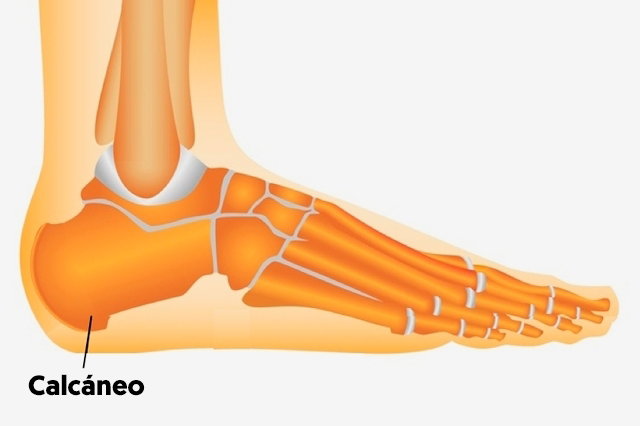
A calcaneal spur does not grow downward like a needle impaling the fat pad of the heel. Instead, it develops horizontally, pointing forward along the trajectory of the plantar fascia aponeurosis. When repetitive mechanical strain pulls this thick connective tissue away from the calcaneus bone, the body responds to the microscopic tearing by depositing calcium phosphate salts at the site of trauma. Over months of tension, that scaffolding solidifies into mature trabecular bone.
This structural reality invalidates the premise that external liquids can "melt" the spur. Human skin acts as a protective barrier, preventing external liquids from leaching into deep fascial sheaths. Even if a substance could penetrate sub-dermal fat pads, anything acidic enough to break down calcium phosphate would destroy human dermis, nerves, and vascular channels on contact. Most patients who feel sudden relief after adopting a home remedy are not witnessing bone spur dissolution; they are simply experiencing a reduction in secondary soft-tissue swelling around the calcaneus.
Crucially, diagnostic imaging confirms that many individuals carry prominent heel spurs without feeling any discomfort. Radiologists routinely find calcaneal spurs during routine X-rays of asymptomatic feet. The pain arises almost exclusively when the adjacent connective band develops plantar fasciitis. Because the tension across the arch triggers the pain signals, treating the condition requires addressing the mechanical pulling forces rather than attempting to physically eliminate the spur itself.
Evaluating Folk Remedies: Six-Plant Tinctures and Epsom Salt Soaks
Folk medicine traditions across Latin America and Southern Europe frequently prescribe a six-herb medicinal tincture macerated in rubbing alcohol, featuring plants like arnica, rosemary, rue, comfrey, eucalyptus, and camphor. Practitioners instruct patients to rub the infused liquid across the arch and heel twice daily. Pharmacologically, these botanical blends function as topical counterirritants and local analgesics. Camphor and eucalyptus stimulate sensory receptors in the skin, masking deep aches through mild temperature sensation, while arnica suppresses superficial inflammatory pathways. However, the alcohol base evaporates quickly, delivering zero impact to the deep osteophyte underneath.
The warm Epsom salt foot soak holds an equally prominent place in home health culture. Chemically known as magnesium sulfate heptahydrate, Epsom salt dissolves in warm water and produces a soothing sensory environment. Proponents claim the magnesium absorbs transdermally to relax connective fibers and soften the spur. While warm water undoubtedly boosts local blood circulation, decreases intrinsic foot muscle spasms, and softens hyperkeratotic skin, clinical trials measuring systemic magnesium uptake through intact human skin during short foot soaks remain inconclusive.
The therapeutic value of these home methods lies exclusively in temporary symptom modulation. Soaking the foot for 15 to 20 minutes eases end-of-day soreness and calms irritated nerve endings within the heel pad. When patients mistake this transient soothing effect for a structural cure, they risk delaying active physical therapy, allowing the underlying mechanical strain to worsen into chronic, fibrotic tissue damage.
Clinical Interventions Versus Folk Therapies: A Head-to-Head Comparison
Evaluating standard home treatments alongside orthopedic interventions illustrates the stark contrast between short-term soothing mechanisms and corrective mechanical therapies.
| Treatment Modality | Biological Mechanism | Clinical Efficacy | Typical Timeline |
|---|---|---|---|
| Epsom Salt Foot Soak | Thermal vasodilation; transient muscle relaxation via warm water immersion. | Temporary pain relief; zero structural change to calcaneal spur. | Immediate, lasting 1, 3 hours. |
| Herbal Tinctures (Arnica/Camphor) | Topical counterirritation; mild local anti-inflammatory response. | Low-to-moderate superficial analgesic effect; no bone alteration. | Lasts 2, 4 hours post-application. |
| Orthotic Insoles & Arch Support | Biomechanical offloading; elevates medial arch to stop fascia pulling. | High; resolves pain in 75, 85% of cases without surgery. | Noticeable improvement in 4, 8 weeks. |
| Night Splints | Maintains 90-degree dorsiflexion, preventing overnight tissue shortening. | High for eliminating morning first-step pain. | Therapeutic impact within 2, 6 weeks. |
| Extracorporeal Shockwave (ESWT) | Acoustic pulses trigger micro-trauma, revascularization, and tissue repair. | Moderate-to-high; effective for recalcitrant chronic cases. | 3, 5 sessions over 4, 6 weeks. |
Biomechanical Recovery: Splints, Orthotics, and Fascia Rehabilitation
Resolving heel spur symptoms requires shifting focus from the bone spur to the soft tissue anchoring it. During sleep, feet naturally fall into plantar flexion, pointing downward. In this relaxed posture, the inflamed plantar fascia contracts and tightens. When stepping out of bed in the morning, body weight abruptly forces the foot into a right angle, tearing micro-fibers within the shortened fascia and triggering acute morning pain. Wearing night splints keeps the ankle in a neutral 90-degree dorsiflexion, allowing the fascia to heal overnight in an elongated state.
Complementing nocturnal splinting requires targeted mechanical support during daily ambulation. Walking barefoot on hard tile or hardwood floors exacerbates shear forces across the calcaneus. Podiatrists emphasize wearing arch support footwear paired with customized or high-density orthotic insoles featuring a deep heel cup. The heel cup gathers the natural fat pad beneath the calcaneus, restoring biological shock absorption while the arch contour redistributes ground reaction forces away from the injured heel.
Active physical rehabilitation solidifies these structural gains. Two primary manual interventions yield the highest success rates:
- Targeted Foot Stretching Exercises: Performing calf stretches against a wall alongside seated toe-extension stretches creates compliance in the gastrocnemius-soleus complex. Lengthening tight calf muscles reduces continuous pulling on the Achilles tendon and plantar fascia.
- Deep Plantar Fascia Massage: Rolling the sole of the foot over a chilled stainless-steel roller or frozen water bottle for 10 minutes breaks down adhesion bands while combining mechanical mobilization with cryotherapy for localized heel inflammation relief.
When Conservative Care Fails: Injections, Shockwave, and Surgical Removal
When four to six months of dedicated physical therapy, splinting, and orthotics fail to deliver relief, orthopedic specialists escalate to interventional procedures. Corticosteroid injections into the plantar fascia insertion offer powerful, rapid suppression of localized inflammation. However, repeated steroid administration carries documented risks, including atrophy of the protective plantar fat pad and structural rupture of the fascia aponeurosis. Consequently, clinicians limit steroid injections to one or two cycles, often preferring platelet-rich plasma (PRP) injections to stimulate endogenous collagen remodeling.
Extracorporeal Shockwave Therapy (ESWT) represents an intermediate non-invasive bridge before surgery. Delivering focused acoustic shockwaves into the painful heel stimulates local blood circulation, metabolizes pain-signaling substance P, and triggers controlled cellular repair within recalcitrant scar tissue. Success rates across clinical trials range between 65% and 80% for chronic cases that resisted standard conservative care.
Direct bone spur removal surgery remains a strictly reserved option. Surgical intervention, either an open plantar fasciotomy with calcaneal ostectomy or an endoscopic procedure, is considered only after 12 months of persistent, debilitating symptoms. Surgeons release a portion of the plantar fascia band to release tension and mechanically grind down the bony spur. Because altering foot architecture alters gate dynamics and introduces long recovery intervals, conservative interventions remain the undisputed gold standard for over 95% of patients.
Frequently Asked Questions (FAQ)
Q1: Can drinking apple cider vinegar or lemon water dissolve a calcaneal spur from the inside?
A1: No. Dietary acids are metabolized and buffered by the digestive and renal systems, maintaining blood pH within a narrow homeostatic range of roughly 7.35 to 7.45. Drinking acidic mixtures cannot target, dissolve, or alter mature calcium phosphate bone formations in your feet.
Q2: Should I completely stop walking or exercising if I suspect a heel spur?
A2: Absolute bed rest is counterproductive because immobilized connective tissue stiffens, worsening first-step pain. Instead, substitute high-impact activities like running and jumping with low-impact alternatives like swimming or stationary cycling, and always wear supportive footwear rather than walking barefoot indoors.
Q3: How do I know if my heel pain is caused by a spur or pure plantar fasciitis?
A3: Clinical symptoms are nearly identical: sharp, localized morning heel pain that dulls into a persistent ache during the day. The only definitive way to confirm the presence of a calcaneal spur is through a lateral weight-bearing X-ray, although treatment protocols for both conditions focus on the same biomechanical therapies.
Establishing Long-Term Mobility in 2026
Folk remedies like warm Epsom salt baths and herb-infused tinctures have survived for generations because they offer real, immediate comfort. Soothing an overworked foot in warm water or applying fragrant botanical extracts feels restorative after hours on concrete floors. The danger arises only when these comfort measures are treated as cures for a structural, bony development.
Managing calcaneal pain permanently requires shifting effort toward proven biomechanics. Investing in firm arch support footwear, faithfully completing calf and arch stretches every morning, utilizing night splints during acute flare-ups, and managing body weight offload tension from the plantar aponeurosis. A calcaneal spur may remain visible on an X-ray for the rest of an individual's life, but when the surrounding soft tissue heals and biomechanical balance returns, the pain disappears entirely.
