Fact-Checking 'I'm Just a Baby': Meme Roots vs Modern Cultural Obsession
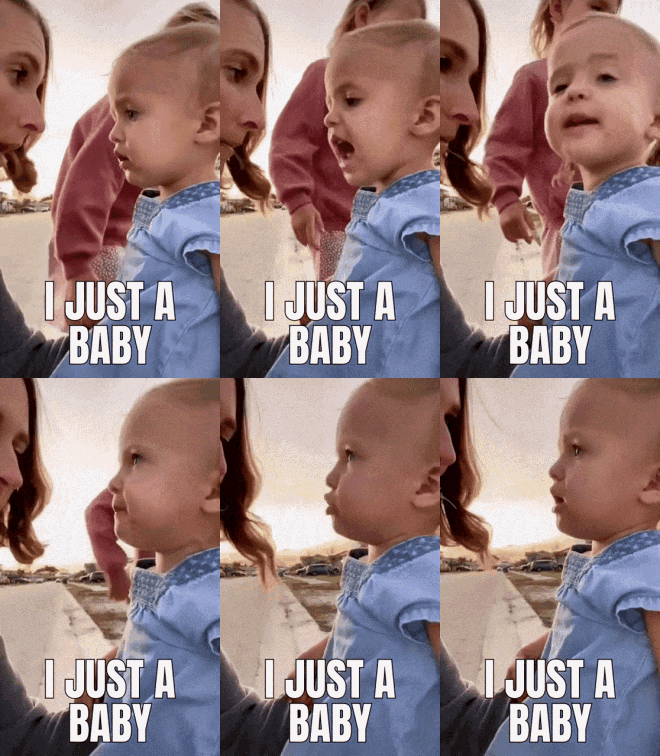
A toddler stands near a kitchen counter, hands sticky with contraband, facing mild parental discipline. Instead of crying or apologizing, the child fires back with four syllables delivered in an indignant, squeaky register: "I'm just a baby!" Within weeks, those four seconds of extracted audio severed ties with their original domestic context. They became the universal soundtrack for adults dodging tax deadlines, corporate workers confessing burnout, and pet owners filming guilty golden retrievers. Pop culture trends move at breakneck speed, blurring the line between spontaneous speech and commercial product, a dynamic visible whenever viral audio snippets cross into mainstream celebrity tracks and entertainment roundups, as detailed in recent media coverage from the Just Jared Report.
The phrase quickly shifted from a cute family recording into a foundational pillar of Gen Z humor. But beneath the billions of views sits an unresolved tangle of digital subcultures, algorithmic extraction, and collective psychological regression.
📌 Key Takeaways:
- The Verified Origin: The audio originated from parenting creator Nikki Scarnati capturing her young daughter's spontaneous defiance, not a scripted sitcom or cartoon voiceover.
- Algorithmic Severing: Short-form platforms intentionally detach sounds from their original creator attribution, converting private domestic footage into anonymous public audio templates.
- The Coping Mechanism: Modern internet slang leans heavily into infantilization as an ironic defense against economic precarity, burnout, and early-career disillusionment.
Tracking the Soundbite Back to Nikki Scarnati’s Living Room
Internet folklore loves an elaborate origin story. When the squeaky clip first dominated feeds, comment sections offered confident but wildly incorrect theories. Some claimed it was a pitch-shifted sample from The Boss Baby. Others insisted it belonged to an obscure nineties sitcom or an anime dub.
The reality was far simpler. The audio came from a brief clip posted by parenting creator Nikki Scarnati (@little.blooming.women) documenting her toddler daughter. The child had grabbed an item she was not supposed to have. Confronted gently off-camera by her mother, the toddler did not negotiate or run away. She looked directly at her parent and defended herself with pure, irrefutable logic: she could not be held liable for household infractions because she was, biologically speaking, just a baby.
The exchange captured lightning in a bottle. The toddler's timing was sharp. The pitch carried just enough defiant rasp to sound theatrical rather than distressed. Scarnati’s original upload gathered hundreds of thousands of views within days, but the video was only the launching pad. Once users ripped the audio file and re-uploaded it as an open sound template, the clip left the nursery behind forever.
How Algorithmic Flattening Strips Audio from Creators
Viral audio trends run on separation. On platforms like TikTok and Instagram Reels, the moment a user creates an original sound, the application encourages the entire ecosystem to strip the audio track away from the primary video visual.
This design feature powers user participation. It also creates a severe intellectual property blind spot. Within 48 hours of the audio going viral, the original source account was buried beneath millions of derivative uploads. Hollywood actors, global pop stars, Fortune 500 brand accounts, and pet influencers adopted the audio.
Original Video Upload
│
▼
Audio Extracted as Reusable Asset
│
▼
Derivative Lip-Syncs (Celebrities & Brands)
│
▼
Platform Metadata Truncated
│
▼
Creator Attribution Fully Erased
The toddler’s voice became a detached acoustic object. Users no longer knew whose voice they were mouthing. The mother received none of the monetization generated by the corporate marketing teams using her daughter’s voice to sell high-end skin care, fast food, and retail subscriptions. Platform architectures prioritize remixability over human attribution, reducing personal domestic moments into free, royalty-free raw material for corporate advertising machines.
From Domestic Quirk to Algorithmic Juggernaut
The sound did not explode overnight; it moved through distinct evolutionary waves between 2021 and 2026. What started as an earnest parenting snippet transformed into universal internet slang, eventually cementing itself as a stock sound effect in the wider pop culture vernacular.
| Evolutionary Phase | Primary User Base | Content Context | Estimated Reach |
|---|---|---|---|
| Phase 1: Nursery Origin (2021) | Parenting community | Maternal discipline, toddler antics | 500K, 2M impressions |
| Phase 2: Pet Video Co-optation (2021, 2022) | Pet owners, animal accounts | Dogs chewing furniture, cats knocking cups | 50M, 150M views |
| Phase 3: The Burnout Pivot (2022, 2024) | Gen Z & Young Millennials | Workplace dread, financial paralysis | 1B+ total exposures |
| Phase 4: Lexical Canonization (2024, 2026) | Mainstream media, conversational speech | Verbal shorthand for zero culpability | Permanent cultural idiom |
By the time the sound hit Phase 3, the context had inverted. The humor no longer relied on a literal child doing child things. It drew power from the absurd contrast of a 27-year-old software engineer or college graduate mouthing the words while staring down an overdue credit card bill or an inbox full of unread professional demands.
Infantilization as Defense Mechanism in Gen Z Humor
Why did this specific four-word cry land with such force among young adults? The answer sits squarely inside the sociological anxieties of modern adulthood.
Adulthood in the mid-2020s feels structurally punishing. Stagnant real wages, compounding housing unaffordability, and precarious white-collar employment have delayed traditional markers of maturity. Millions of people in their twenties and thirties remain locked out of homeownership and long-term financial security. They are adults by age, yet treated as dependents by economic reality.
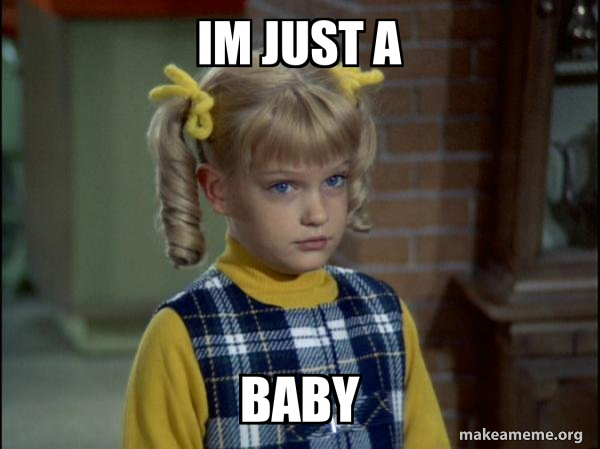
Humor tracks these systemic fractures. The meme offered an ironic release valve. Declaring oneself "just a baby" allows an overtired worker to shrug off crushing structural expectations without having to stage a genuine existential revolt. It is playful capitulation.
Sociologists term this performative regression. Instead of masking inadequacy behind toxic professionalism, digital subcultures weaponize radical incompetence. You cannot blame someone for failing to budget their 401(k) or navigate enterprise software if they are, by their own comic admission, an infant who lacks basic object permanence. The humor is self-deprecating on the surface, but bitterly satirical underneath.
Digital Subcultures and the Ethics of Baby Voice Resampling
Beyond the sociology of work, the phenomenon exposed deep ethical cracks in how online spaces treat children's privacy. When an adult posts their own face or voice, they consent to the digital meat grinder. Toddlers cannot consent to becoming ambient audio for millions of strangers.
Parenting bloggers face mounting public scrutiny for documenting their children’s formative years. While Nikki Scarnati’s clip was entirely benign, the secondary life of that audio stripped the mother of all editorial control over her child’s digital footprint.
The child’s actual voice was remixed into nightclub DJ sets, overlaid onto violent video game clips, and co-opted by commercial brands trying to look relatable on social channels. The audio became a permanent public utility, yet the person who spoke it will have to grow up under the shadow of a viral asset they produced before learning to write their own name. This divide sits at the heart of the modern creator economy: the platform extracts the engagement, the culture strips the context, and the child carries the permanent digital artifact.
Frequently Asked Questions (FAQ)
Q1: Was the "I'm just a baby" sound effect taken from a movie or TV show?
No. Despite persistent online rumors attributing the clip to animated films like The Boss Baby or sitcoms like Schitt's Creek, the sound originated from an authentic home video recorded by lifestyle creator Nikki Scarnati featuring her young daughter.
Q2: Why did adults adopt this sound to describe their professional lives?
The sound became a popular Gen Z and Millennial shorthand for coping with economic stress, corporate burnout, and delayed adulthood milestones. By sarcastically claiming toddler status, creators mock their own inability to navigate modern administrative and financial burdens.
Q3: Did the original family monetize the viral audio clip directly?
Very little. Platforms decouple original audio from source accounts when users generate derivative clips. As a result, the primary creator rarely receives ad-share or licensing revenue from the millions of secondary videos, brand campaigns, and celebrity lip-syncs built on the sound.
Where Viral Vernacular Goes When the Joke Runs Cold
Short-form platforms treat human speech as disposable raw material. A sentence spoken in a private living room can morph into global slang by the weekend, dominate consumer advertising for six months, and harden into an everyday idiom by the following year.
"I'm just a baby" survived because it captured a real psychological pulse point. It gave an exhausted generation permission to laugh at its own helplessness. But its trajectory also underscores the core reality of modern media platforms: context rarely survives the algorithm. The audio tracks that define collective humor are often built on private domestic lives, remixed without permission, and preserved forever in the wider cultural record long after the original speaker has grown up.
