Fact-Checking the Narrative: Demystifying Race, Identity, and Afro-Chinese Relations
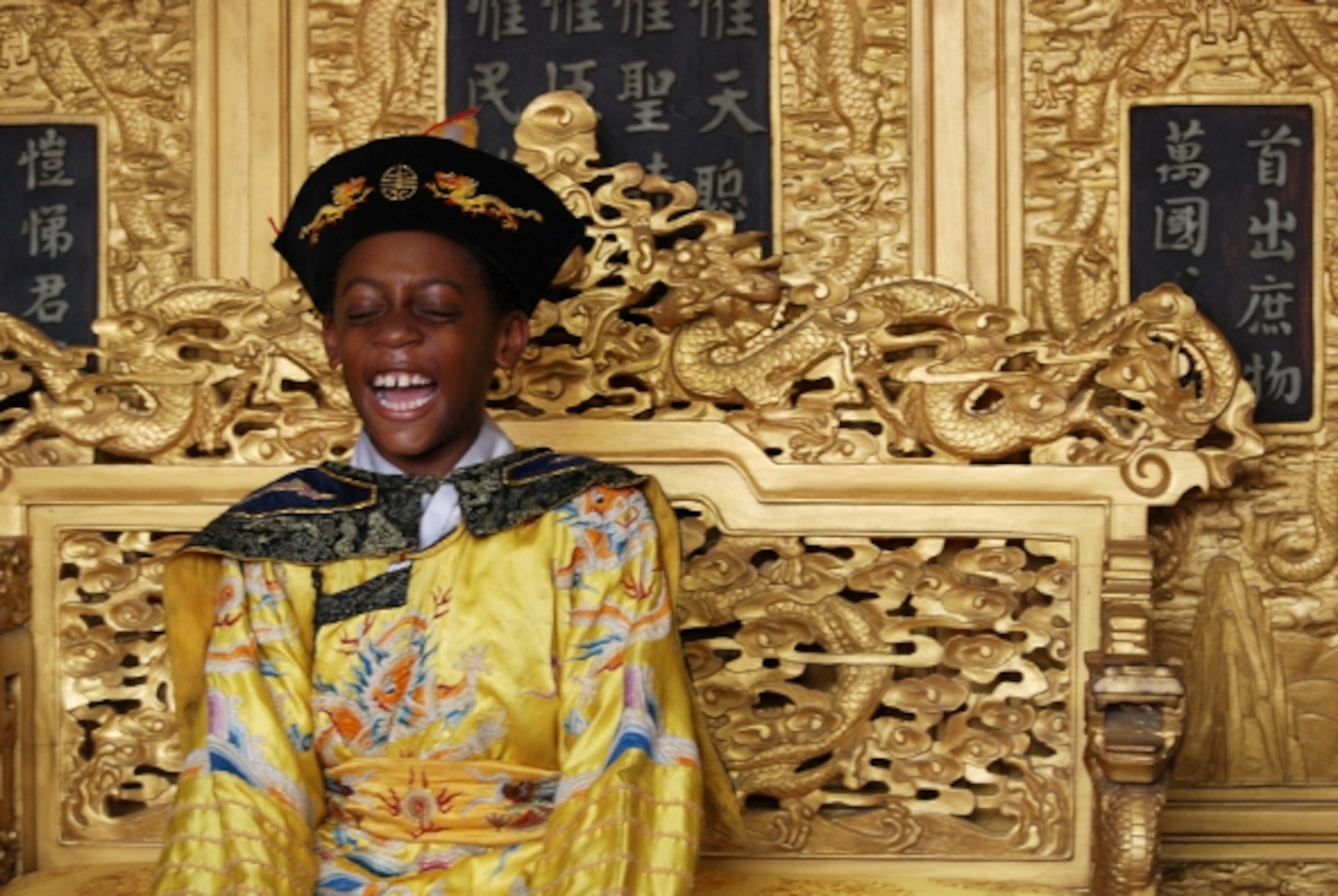
Fabricated narratives surrounding race and migration across East and Southeast Asia spread rapidly across social platforms, often weaponizing altered documents and selective video clips to inflame ethnic grievances. As detailed by an AFP Fact Check Report investigating forged national identification designs used to drive anti-minority panic, digital disinformation routinely warps the public understanding of citizenship. Within mainland China, online discourse regarding Black residents and mixed-race citizens oscillates between sensationalized social media commentary and state-curated diplomacy videos, leaving the actual human realities obscured.
Behind the viral algorithms lies an established, multi-generational population: Chinese citizens of African descent, established Sino-African couples, and dynamic commercial networks in southern trading hubs. Understanding their experiences requires stripping away internet hyperbole and examining the intersection of Chinese nationality laws, historic migration routes, and shifting domestic demographics.
📌 Key Takeaways:
- Legal Reality: Chinese citizenship operates strictly on jus sanguinis (bloodline); children with at least one Chinese national parent qualify for a household registration (Hukou), granting full legal citizenship regardless of race.
- Demographic Shift: The long-standing trading enclave in Guangzhou has transformed; transient merchant populations declined sharply post-2020, replaced by established Sino-African families, long-term professionals, and university graduates.
- Public Perception: Daily experiences combine deep cultural assimilation, fluent Mandarin and regional dialects, local schooling, and domestic social integration, with persistent colorism and online microaggressions common across East Asian media.
Centuries of Maritime Trade and Early Afro-Asian Diaspora
The Black presence in China did not begin with late-twentieth-century commerce or modern university exchange initiatives. Historical documents from the Tang (618, 907 CE) and Song (960, 1279 CE) dynasties describe maritime trade networks carrying merchants, sailors, and travelers across the Indian Ocean to coastal ports like Quanzhou and Guangzhou. Early Chinese texts referred to these African-descended travelers under blanket regional terms such as Kunlun, denoting arrivals via Southeast Asian sea lanes.
During the Ming and Qing dynasties, coastal maritime hubs sheltered diverse crews of Portuguese, Dutch, and Arab trading vessels, which frequently employed African sailors and security personnel. Some settled permanently, marrying local women in trading ports along the Pearl River Delta. These historical roots debunk the prevailing domestic myth that Afro-descendant individuals represent an entirely alien or sudden phenomenon inside China.
Modern migration accelerated in the early 2000s following China’s accession to the World Trade Organization and the expansion of the Forum on China-Africa Cooperation (FOCAC). Thousands of independent entrepreneurs from Nigeria, Ghana, Mali, Guinea, and Senegal established export offices in southern China, creating commercial pipelines shipping consumer electronics, textiles, and building materials to major African cities.
Separating Fact from Fiction in the Guangzhou Trading Hub
Western and domestic internet commentary frequently misrepresents the size and character of the African community in Guangzhou. In the mid-2010s, rumors on platforms like Weibo and WeChat claimed that more than 500,000 African migrants lived illegally in southern China. Municipal police censuses and immigration authorities repeatedly refuted these numbers. Official records from the Guangzhou Public Security Bureau showed that registered African residents typically fluctuated between 10,000 and 15,000 during peak trade seasons, supplemented by short-term visa holders operating in commercial wholesale centers like Xiaobei and Sanyuanli.
Following strict pandemic border controls and heightened automated visa compliance systems implemented through 2024, the transient commercial demographic contracted substantially. Those who remained transitioned toward permanent business ventures, consulting services, and export-import logistics firms.
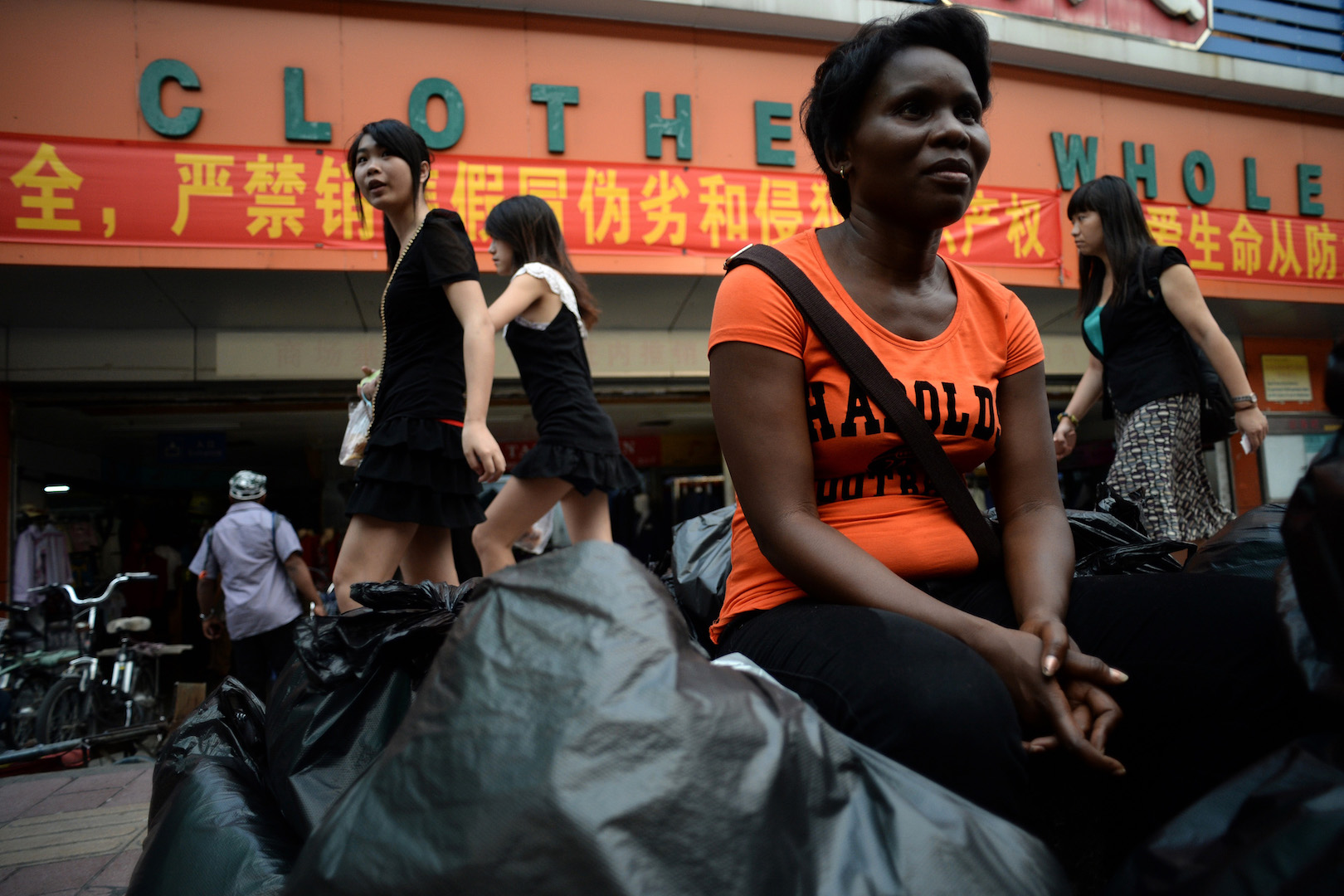
The physical neighborhood of Xiaobei, once labeled "Chocolate City" by domestic and international media, now functions as an integrated commercial quarter. Halal restaurants, bilingual logistics offices, and logistics warehousing run alongside traditional Cantonese tea shops. The streets reflect trade partnerships where African wholesalers and Chinese manufacturers negotiate daily business transactions in fluent Mandarin and Cantonese.
| Group Category | Legal Framework & Status | Primary Social Context |
|---|---|---|
| Short-Term African Traders | M (Commercial) or F (Visitor) Visas; strict 30, 90 day limits | Export markets in Guangzhou, Yiwu, and Foshan; zero path to citizenship |
| Foreign Spouses in China | Q1/Q2 Family Reunion Visas; renewable residency permits | Sino-African households; business co-ownership with Chinese partner |
| Afro-Chinese Children | Full PRC Citizenship via Hukou under Nationality Law Art. 4 | Attend local state schools, native Mandarin/dialect fluency, dual-heritage identity |
Hukou Household Registration and Citizenship Laws for Mixed-Race Families
Online misconceptions often confuse China's strict naturalization laws with the citizenship status of Afro-Chinese children born to mixed couples. Naturalization for foreign adults with no Chinese ancestry remains exceptionally rare, with only a few thousand individuals receiving citizenship over several decades.
Children born to mixed-heritage couples operate under clear legal definitions outlined in Article 4 of the Nationality Law of the People's Republic of China:
"Any person born in China whose parents are both Chinese nationals or one of whose parents is a Chinese national shall have Chinese nationality."
If a child is born to a Chinese mother or father and an African spouse, the child possesses full legal entitlement to Chinese citizenship. This legal reality hinges upon the Hukou (household registration) system. When a Sino-African marriage is legally registered with civil affairs bureaus, the newborn receives an official birth certificate, registers under the Chinese parent’s municipal Hukou, and gains access to national healthcare, nine-year compulsory state education, and a national identity card.
Administrative obstacles do occur when marriages are not registered under Chinese civil law, or when a foreign spouse lacks valid visa documentation. Without legal marriage papers, parents must undergo judicial DNA paternity testing and pay local administrative regularizations before securing the child’s registration. Once issued, the Hukou defines them as legal Chinese nationals with no official distinction separating them from peers of Han or ethnic minority backgrounds.
Cultural Assimilation and the Shifting Face of Domestic Representation
The domestic public conversation surrounding multiracial identity surfaced nationwide in 2009 when Lou Jing, a Shanghainese-born college student with an African-American father and a Chinese mother, competed on the popular television talent show Go Oriental Angel. Lou spoke native Shanghainese and accentless standard Mandarin, carried a Shanghai Hukou, and had never resided abroad. Her public appearance sparked intense online debate on Chinese web portals, exposing deep-seated attitudes regarding race, nationality, and traditional definitions of Chinese identity.
In subsequent years, representation broadened into athletics and public life. Mixed-race athletes such as Ding Hui, who represented China's national men’s volleyball team, and South African-Chinese soccer player Eddy Francis, who played top-flight football in the Chinese Super League, highlighted the reality of dual-heritage citizens competing at national levels.
Today, second-generation Afro-Chinese youth navigate public environments where their appearance attracts curiosity, while their speech, cultural frame of reference, and education remain identical to their local peers. Many document their experiences on Bilibili, Douyin, and Xiaohongshu, sharing videos that deliberately contrast their African physical features with fluent regional dialects like Cantonese, Shanghainese, or Sichuanese. These creators actively dismantle assumptions that Chinese identity is solely defined by traditional Han ancestry.
Addressing Colorism, Online Misinformation, and Daily Social Realities
Living as a Black individual or an Afro-Chinese citizen involves managing subtle, everyday prejudices deeply rooted in domestic beauty standards and imported digital stereotypes. Traditional Chinese cultural norms have long associated fair skin with indoor prosperity and intellectual labor, while dark skin carried historical associations with agricultural work in the sun. This traditional skin-color hierarchy, commonly observed across East Asia, influences initial social impressions regardless of nationality.
Online disinformation campaigns have exacerbated these biases. Misinformation accounts often run automated content farms that fabricate relationship scandals or circulate sensationalized stories about foreign men exploiting Chinese women. Such campaigns aim to harvest engagement from nationalist and conservative internet demographics. A significant portion of this digital friction does not stem from direct personal encounters, but rather from viral narratives amplified by click-driven algorithms.
In institutional and professional settings, legal residents and mixed-race citizens encounter fewer overt obstacles than the online commentary might suggest. Educational institutions, corporate workplaces, and public transportation networks enforce standard national laws and regulations. Mixed-race students attend neighborhood public schools alongside their classmates, take the grueling Gaokao college entrance examination, and pursue standard career paths within the domestic economy.
Frequently Asked Questions (FAQ)
Q1: Are Afro-Chinese children legally recognized as citizens of China?
Yes. Under Article 4 of the PRC Nationality Law, any child born to at least one parent who is a Chinese citizen is entitled to Chinese nationality. Upon registration in the parent's municipal Hukou, the child holds an official Chinese identity card and enjoys all standard legal rights, including public education and medical benefits.
Q2: Can foreign African spouses obtain permanent residency or Chinese citizenship through marriage?
Foreign spouses of Chinese citizens can apply for family reunion visas (Q1/Q2) and renewable residence permits. While permanent residency (the Chinese "Green Card") is theoretically accessible after five years of legal marriage and continuous domestic residence, approval quotas remain tight. Full naturalization for foreign adults without Chinese ancestry remains statistically rare.
Q3: How large is the African community residing in China today?
The permanent African community is significantly smaller than internet rumors suggest. Official municipal security statistics indicate that long-term African residents in primary hubs like Guangzhou number roughly 10,000 to 15,000 individuals, alongside thousands of international students and business travelers distributed across Beijing, Shanghai, Wuhan, and Zhejiang province.
Navigating Dual Heritage in Modern China
The experiences of Afro-Chinese citizens and Black residents illustrate the complexities of identity in an increasingly interconnected yet institutionally strict society. Chinese society remains largely homogeneous in its administrative framework, yet its cities reflect the growing realities of global mobility and intercultural marriage.
Afro-Chinese individuals are actively carving out their place within the contemporary social fabric. They navigate a duality: carrying physical features that draw public stares and algorithmically driven internet commentary, alongside a deep, native cultural belonging shaped by language, state education, and neighborhood roots. Their daily lives demonstrate that nationality, culture, and social belonging in China are increasingly informed by legal status and lived community integration, rather than simple internet generalizations.
