First Look: Inside the Historic Marvel and DC Crossover Collection for Fall 2026
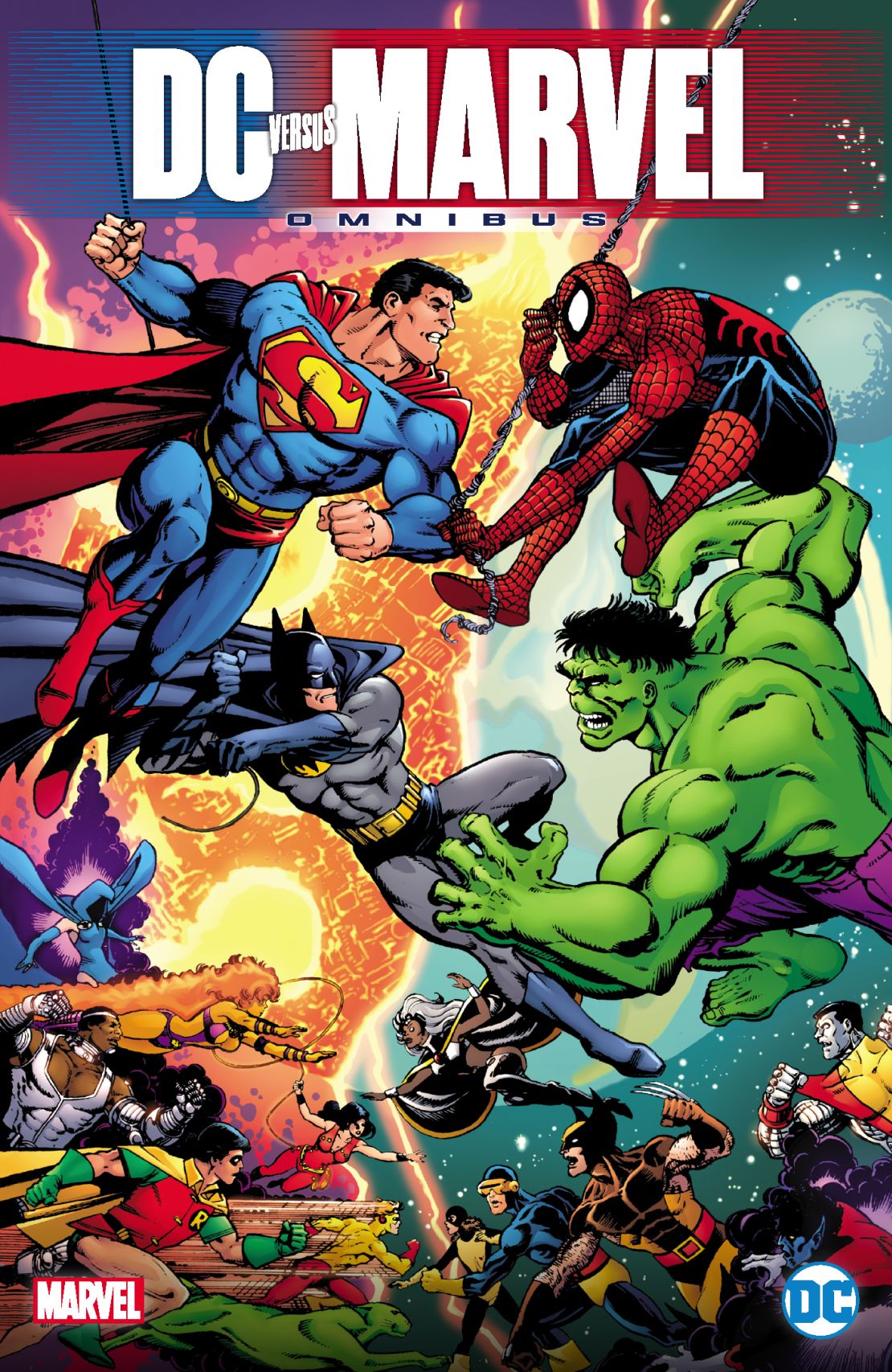
For more than two decades, the prospect of Marvel Comics and DC Comics sharing an editorial table felt like an artifact of a bygone publishing era. Corporate consolidations, intellectual property legal moats, and competing cinematic universes pushed the Big Two into separate bunkers. That operational freeze has finally melted. According to an official Marvel.com Report, comic shops will officially stock Spider-Man/Superman #1 as part of a sweeping Marvel and DC crossover collection hitting shelves this autumn.
The collaboration revives a lineage of intercompany spectacles that last reached comic book specialty stores with 2003's *JLA/Avengers*. Following early promotional teases revealed across trade outlets in March 2026, both publishers expanded the scope of the project in April 2026, detailing variant covers, backup rosters, and retail incentive structures. This initiative represents an aggressive joint effort to drive foot traffic into independent brick-and-mortar comic shops during a critical sales window.
📌 Key Takeaways:
- The Flagship Release: Spider-Man/Superman #1 leads the Fall 2026 publishing lineup, pairing Peter Parker and Clark Kent in an oversized one-shot backed by prestige variant covers and unannounced backup stories.
- Production Collaboration: Marvel Comics and DC Comics are sharing editorial oversight and distribution channels, standardizing trade collection reprints alongside brand-new creative outings.
- Direct Market Priority: Retailer incentives focus strictly on local comic shops, employing tiered artist variants and returnability options to support brick-and-mortar storefronts.
The Long Road from Corporate Stalemate to Shared Publishing
Intercompany crossovers were regular occurrences throughout the late twentieth century. Readers watched Peter Parker cross paths with Superman in 1976, followed by major crossover events in 1996 and early 2003. Those historical ventures relied on relatively straightforward handshakes between independent publishing chiefs. That dynamic vanished when Marvel was acquired by The Walt Disney Company in 2009 and DC was pulled deeper into WarnerMedia (now Warner Bros. Discovery). The intellectual property stakes transformed single issues into corporate liabilities.
Discussions surrounding a joint return restarted informally at industry summits in 2024. Direct market retailers had weathered fluctuating single-issue order volumes, rising paper costs, and shifting distributor networks. Marvel and DC faced shared structural headwinds. While casual audiences spent billions on box office adaptations, month-to-month comic book sales remained reliant on a dedicated collector base. Editors from both houses recognized that only an unprecedented cultural event could generate mainstream retail excitement.
The transition between creative teams gained momentum once contractual distribution arrangements stabilized. Marvel and DC agreed to split production expenses, share backlist collection royalties, and rotate lead publisher billing across individual formats. What began as negotiations for omnibus reprints quickly grew into an agreement for original floppies.
Inside Spider-Man/Superman #1 and the Confirmed Fall 2026 Lineup
The centerpiece of the entire effort is Spider-Man/Superman #1, an oversized prestige one-shot scheduled for a wide Fall 2026 release. Rather than forcing the characters through an apocalyptic multiverse event where reality collapses, the main narrative centers on journalistic instincts and street-level heroics. Peter Parker's freelance assignments for *The Daily Bugle* intersect with Clark Kent's investigative reporting for *The Daily Planet*, prompting a cross-city mystery that spans New York and Metropolis.
Early production previews confirm that the book runs 64 pages with zero third-party advertisements disrupting the story sequence. Industry reporting from Comic-Watch highlighted that the release includes newly developed bonus stories spotlighting secondary character combinations. While the flagship story handles the primary pairing, supplemental narratives bring unexpected casts together in short eight-page vignettes.
Retail solicitation details confirm three distinct publishing tiers hitting direct market shops:
1. Mainline Team-Up One-Shot: The foundational narrative featuring Clark Kent and Peter Parker, penned and illustrated by a split roster of modern marquee talent from both houses.
2. Archival Collections: High-end, remastered editions of the out-of-print 1970s and 1990s treasury editions, restored using modern digital coloring and archival paper stocks.
3. Themed Anthology Variant Sets: Curated print releases where DC-exclusive artists illustrate Marvel icons and Marvel-exclusive illustrators tackle DC legends.
Five Decades of Shared Universes: Key Crossover Milestones
The historic context of this release stretches across half a century of shifting corporate priorities, publishing formats, and retail realities.
| Release Window | Flagship Title | Publishing Architecture | Distribution Model |
|---|---|---|---|
| 1976 | Superman vs. The Amazing Spider-Man #1 | Oversized Treasury Edition (Tabloid format) | Newsstand primary, early specialty shops |
| 1996 | DC Versus Marvel / Marvel Versus DC | Four-issue limited series with reader-voted outcomes | Direct market dominant, specialty comic shops |
| 2003, 2004 | JLA/Avengers #1, 4 | Prestige four-issue miniseries | Diamond Comic Distributors monopoly |
| Fall 2026 | Spider-Man/Superman #1 | Prestige 64-page one-shot with bonus stories and collections | Split multi-distributor direct market & digital platforms |
Variant Covers, Artist Rosters, and Retail Directives
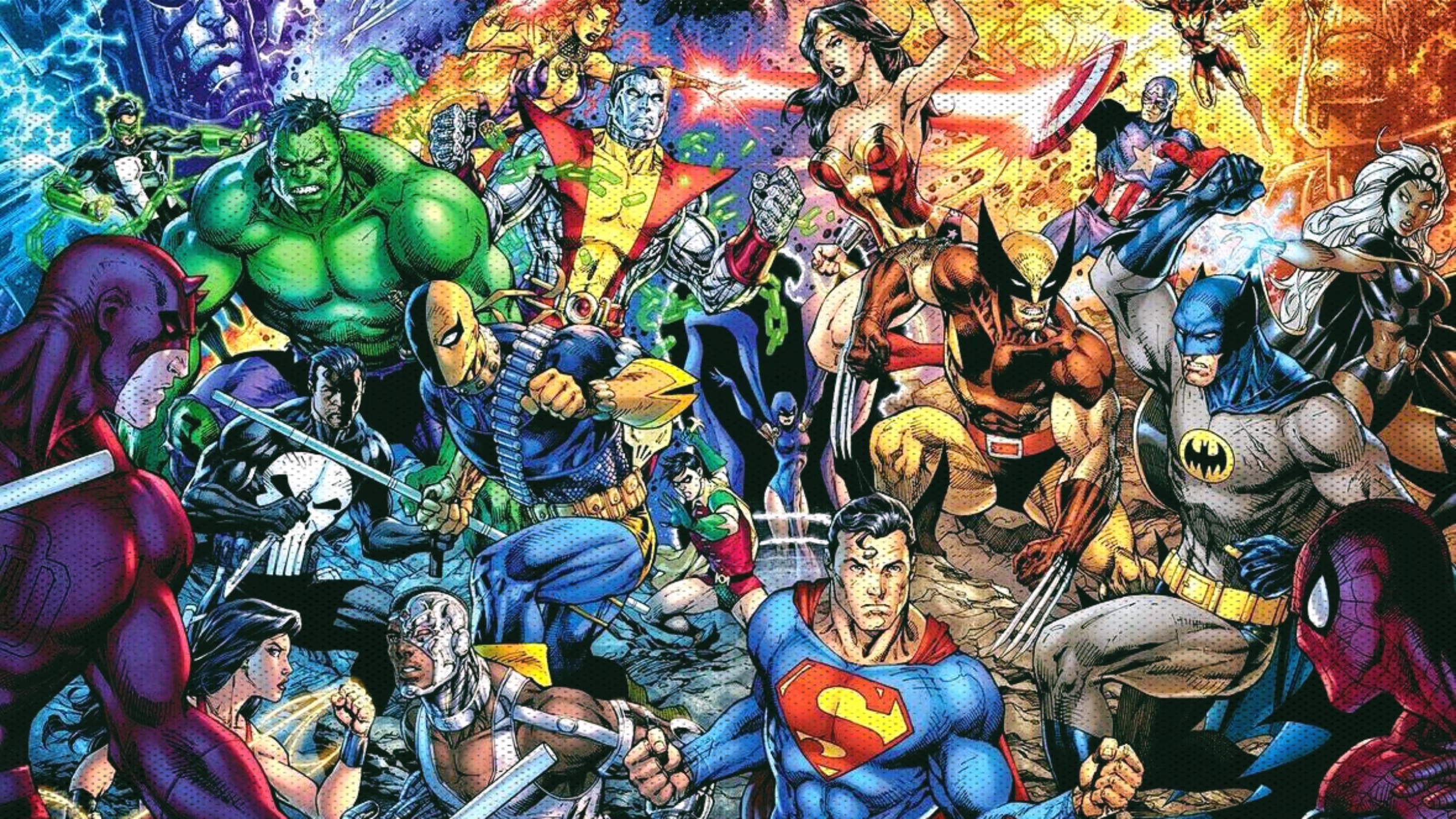
The direct market runs on variant covers, and Spider-Man/Superman #1 is designed to test collector demand across every price tier. Publishers revealed open-order cover art alongside rare ratio incentives aimed at rewarding high-volume storefronts. Cover artists include veteran pencillers who worked on the 1990s classics, alongside rising modern cover painters known for hyper-detailed line work.
The order structure features several specific cover types:
• Open-Order Cover A: The standard direct market cover featuring Clark Kent and Peter Parker in mid-transformation, available without order limits.
• Interlocking Wraparounds: Two distinct covers produced across Marvel and DC solicitations that connect to form an expansive panoramic spread.
• 1:50 and 1:100 Ratio Variants: Highly restricted artist sketch variants and virgin foil treatments distributed solely to retailers hitting aggressive order thresholds.
• Vintage Homage Variants: Recreations of famous panels from the 1976 treasury original, rendered by contemporary guest creators.
Comic shop operators have reported strong community interest. Forum discussions on Reddit's r/comicbooks and dedicated collector boards show pre-orders spiking well above standard monthly solicitations. Collectors are treating the release as an anomaly, prioritizing high-grade raw copies and certified graded editions before print runs close.
Managing Royalties and Unlocking Archival Restorations
Publishing an intercompany comic book requires complicated financial acrobatics. When Marvel and DC produced joint stories in the past, royalty distribution formulas caused bitter disputes between corporate accountings. The 2026 rollout solved this hurdle through a mirrored equity structure. Digital sales splits are automated based on distribution channels, while physical single-issue revenue divides equally down the middle after manufacturing expenses are satisfied.
This business resolution unlocked long-requested archival reprints. For over twenty years, secondary market prices for original copies of *JLA/Avengers* and the *Amalgam Comics* run fetched hundreds of dollars due to perpetual licensing limbo. Under the 2026 agreement, standard omnibus volumes collecting the entire 1970s, 2000s catalog are slated to enter print alongside the new one-shot. That decision shifts hundreds of thousands of dollars out of secondary speculation circles and channels it back to active creators and print retailers.
Collector Strategies for Securing Fall 2026 Releases
Navigating order cutoffs for a high-profile publishing release requires planning. Print allocations often face short-shipping risks when factory capacities max out.
Lock in Orders Before the Final Order Cut-Off (FOC): Direct market shops submit hard numbers roughly four weeks prior to publication. Collectors wanting standard retail-priced copies must establish pull-box subscriptions with their local shops well ahead of deadline to avoid aftermarket markup.
Avoid Speculation Markups on Open Variants: Unscrupulous third-party resellers often list standard open-order covers at inflated prices online. Unless an issue is explicitly labeled as a restricted ratio variant, it prints to demand. Verify cover codes through official retailer catalogs before committing to secondary deposits.
Review Trade Collection Schedules: Readers solely interested in narrative content rather than collectibility should evaluate the archival trade paperbacks. The planned omnibus volumes bundle both the new *Spider-Man/Superman* material and historical crossovers at a far lower per-page cost than chasing single-issue variants.
Frequently Asked Questions (FAQ)
Q1: When does Spider-Man/Superman #1 arrive in stores, and which publisher prints it?
A1: The issue is slated for a Fall 2026 release. Marvel Comics and DC Comics are co-publishing the book, utilizing their standard direct market distributors. Both logos will appear on the cover, with shared production duties across printing plants.
Q2: Will the 1990s DC and Marvel crossover books also be reprinted?
A2: Yes. The corporate agreement includes licensing clearance for comprehensive omnibus and trade paperback reprints. This covers historic milestones including *DC Versus Marvel*, *Amalgam Comics*, and the long out-of-print *JLA/Avengers* collection.
Q3: Is the story canonical to Earth-616 and the Prime DC Universe?
A3: Editorial teams are treating the main story as a standalone continuity. While it respects current characterizations and equipment for both Peter Parker and Clark Kent, events inside the one-shot will not disrupt regular continuity storylines across ongoing monthly titles.
What This Cross-Company Alliance Means for Comics Retail
The return of intercompany publishing does more than satisfy long-standing fan requests. It reasserts the physical comic shop as a primary hub for genuine publishing events. In an era dominated by sprawling cinematic streaming slates and high-budget gaming franchises, an oversized, high-gloss comic book featuring Superman and Spider-Man proves that the page remains the medium's creative incubator.
The collaboration demonstrates that commercial rivals can align when direct market health demands bold action. If readers and retailers embrace this Fall 2026 experiment, the pathway opens for additional character pairings that have remained dormant for an entire generation. For now, the focus centers on two reporters, two cities, and a joint venture once thought impossible.
