Footage Exposed: Inside the TikToks Infiltrating Epstein Island and Going Viral
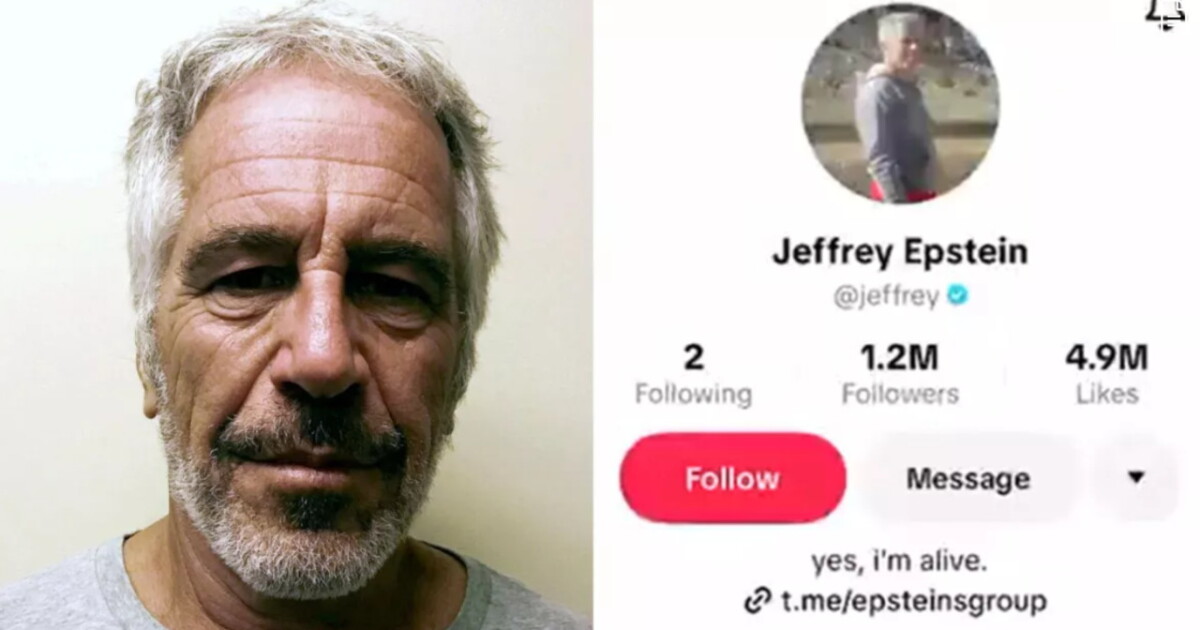
A bizarre spectacle unfolded across social media feeds in early 2026 as amateur sleuths, pranksters, and travel vloggers turned the Caribbean home of the late sex offender into an algorithmic gold rush. Boats drifted past the coral reefs of Little St. James while creators aimed smartphone lenses at the shuttered turquoise-striped temple, broadcasting unauthorized island footage to millions of teenagers. The spectacle took an even stranger turn in mid-March when an account masquerading as the dead financier briefly gained a blue checkmark, triggering panic until a detailed Українські Національні Новини (УНН) Report documented how the verified TikTok account glitch briefly upended platform trust.
What began years ago as unsealed court records has mutated into an interactive spectacle. Influencers sprint across private beaches, share staged surveillance videos, and recycle movie clips as authentic hidden camera leaks. The blend of high-profile true crime and recommendation algorithms has turned an infamous crime scene into a funhouse mirror of modern internet culture.
📌 Key Takeaways:
- The Trespassing Wave: Scores of amateur creators are renting boats to capture unauthorized drone and ground footage of Little St. James, dodging private security for short-form video engagement.
- Manufactured Paranoid Narratives: Viral claims, ranging from mysterious surveillance SUVs trailing vloggers to recycled YouTube horror scenes passed off as court evidence, consistently fall apart under basic forensic scrutiny.
- Platform Architecture Failures: Systemic verification errors and viral audio memes like "Five Nights at Epstein's" illustrate how algorithmic engines incentivize the sensationalization of real-world abuse.
The Surge of Creator Trespassing on Little St. James
The turquoise waters of the U.S. Virgin Islands have become a production set. Armed with lightweight drones, action cameras, and rented dinghies, creators routinely skirt the coastline of Little St. James to film Epstein island TikTok videos. As reported by NBC News on March 18, 2026, influencers flock to Epstein's former island to film viral clips, treating the private compound as an eerie backdrop for urban exploration tropes.
Most trespassers land on the south-facing rocky shores where perimeter monitoring is spotty. They film rusted golf carts, the vacant residence, and the distinct blue-and-white pavilion that once fueled countless conspiracy theories. The videos rely on suspenseful ambient music, heavy vignetting, and breathy voiceovers warning viewers that security could strike at any moment.
Local charter captains in St. Thomas report a steady uptick in tourists offering hundreds of dollars in cash just to circle within ten yards of the dock. Private security contractors hired by the property's current owners continue to hand off trespassers to the Virgin Islands Police Department. Yet the legal penalties pale beside the algorithmic rewards. A single three-minute clip climbing the stone staircase can rack up 12 million views in forty-eight hours.
Nico Grigg and the Content Creator Surveillance Claims
No creator captured this dynamic quite like Nico Grigg. In late February 2026, the influencer published a multi-part series detailing his nautical voyage past Little St. James. The stunt immediately exploded across the For You page, but the maritime footage was only the opening act. Days later, Grigg posted a follow-up video looking visibly shaken, claiming that unknown operatives in blacked-out SUVs had begun idling outside his private residence.
The claim sent shockwaves through online communities. According to coverage published by The Times of India on February 22, 2026, Grigg claimed the sudden appearance of unmarked vehicles occurred within forty-eight hours of uploading his island expedition. Comment sections rapidly tied the supposed intimidation back to shadowy power brokers and the wider Epstein files conspiracy.
Local reporting and automotive registry cross-checks painted a far more mundane picture. The vehicles in question belonged to a private security firm patrolling an adjacent commercial park. Grigg never produced license plate registrations or filed an official police report regarding the alleged stalking. The incident highlighted a familiar playbook: take a borderline trespassing stunt, append an unverified espionage subplot, and let algorithmic sensationalism handle distribution.
Debunking the Leaked Evidence and Viral Movie Clips
Fabrications surrounding the compound extend far beyond shoreline vlogs. In mid-February 2026, a 15-second video alleging to reveal trapped victims beneath the island began circulating across feeds, racking up hundreds of thousands of shares under true-crime hashtags. The clip showed low-resolution, night-vision footage of distressed women huddled in a concrete corridor, complete with timestamps and fabricated unsealed evidence watermarks.
A digital forensic analysis by independent fact-checking outlet Alt News on February 16, 2026, exposed the footage as a total fabrication. Investigators discovered the video was simply a clipped scene from an obscure indie horror film uploaded to YouTube in 2018. The uploader had cropped the aspect ratio, degraded the resolution, and overlaid artificial film grain to simulate covert camera footage.
This debunked social media leak reflects an ongoing pattern. Bad actors routinely slice b-roll from fictional thrillers, post-apocalyptic web series, and unrelated human trafficking documentaries, rebranding them as secret archives. Because content moderation queues struggle to match degraded video against copyright databases in real time, these clips circulate unchecked for days, amassing millions of impressions before being stamped with a fact-check label.
_-_TikTok_-_%5Bwww.tiktok_.com%5D_.png)
Chronology of Platform Glitches and Content Surges (2024, 2026)
The transformation of Little St. James from a closed criminal jurisdiction to an engagement driver unfolded across distinct waves of digital escalation. The following timeline contrasts key online incidents with verified field investigations.
| Timeframe | Reported Event or Viral Trend | Verified Investigative Finding | Primary Platform Impact |
|---|---|---|---|
| January 2024, April 2024 | First batch of unsealed court records released by federal judges. | Flight logs and deposition transcripts made public through official court portals. | Over 450 million views across commentary tags; initial list-reading trend. |
| February 2026 | Indie movie clip shared as hidden camera footage of underground holding cells. | Alt News confirmed source was a 2018 YouTube indie film with digital grain added. | Viral debunking prompted community notes across 1.2 million re-uploads. |
| February 2026 | Nico Grigg viral stunt claiming dark SUV tracking after boating past the island. | Local registry checks showed routine industrial security patrols in the area. | Surveillance anxiety trend launched, spawning dozens of copycat claims. |
| March 2026 | Verified account bearing Epstein's name briefly appears on TikTok. | Automated badge glitch exploited by an account flipper; removed within hours. | Severe moderation backlash; algorithm suppression theories surged. |
| March 2026 | Five Nights at Epstein meme spawns browser parodies and audio clips. | Gamification trend tracking confirmed by The Observer culture reporting. | Over 80,000 unique audio usages among teenage demographics. |
The Five Nights at Epstein Meme and Gamified Cynicism
The convergence between solemn investigative reporting and internet culture reached its strangest milestone in late March 2026. Taking cues from popular indie survival games, creators popularized the Five Nights at Epstein meme. As analyzed by The Observer on March 30, 2026, the trend turned the abuser's life into dark entertainment, pairing security monitor templates with 8-bit sound effects to mimic survival horror mechanics.
Teenage creators quickly remixed the audio, lip-syncing over satirical scenarios where players try to survive a night on Little St. James. Some software developers even published rudimentary browser demos featuring stylized 3D models of the compound. The phenomenon shows how decentralized social networks treat grim historical scandals as disposable raw material for the meme economy.
Platform safety advocates have pointed out the damage caused by this detached irony. By transmuting systemic trafficking into video game humor, the genuine suffering of dozens of victims gets buried under layers of surrealist comedy. The algorithm does not care about context or taste; it merely registers that the audio tracks hold completion rates exceeding 85%, ensuring they stay pinned to popular discovery feeds.
Frequently Asked Questions (FAQ)
Q1: Is it illegal for influencers to visit or film Little St. James?
A1: Navigating international or territorial public waters around the island is permitted under maritime transit laws, but setting foot on the beaches, docks, or interior parcels constitutes criminal trespassing. The island remains private property, and local law enforcement actively detains individuals caught ashore.
Q2: Why did an account with Epstein's name get a verified badge in March 2026?
A2: The incident was caused by an exploit in an automated third-party verification workflow rather than platform endorsement. Bad actors frequently rebrand previously verified business or musician accounts to controversial identities before safety moderation teams catch and ban them.
Q3: Are any of the viral TikTok videos showing underground bunkers on the island genuine?
A3: None of the viral subterranean videos shared in early 2026 are authentic. Digital forensics teams have traced every trending bunker or tunnel clip back to archived video games, urban exploration channels exploring European drainage tunnels, or low-budget horror movies.
The Structural Drivers of Platform Disinformation
The frenzy surrounding Little St. James is not an accident. It is the direct consequence of recommendation systems tuned for high stimulation and immediate visual hooks. When a creator uploads shaky, night-vision footage accompanied by ominous bass tones, retention algorithms reward that content before fact-checking pipelines can even review the transcript. Outrage and paranoia consistently defeat tedious legal reporting in the race for watch time.
The monetization incentives remain completely backward. A creator trespassing on a private island risks a misdemeanor citation or a modest municipal fine, but a single viral clip can attract brand deals, channel subscriptions, and massive follower boosts worth tens of thousands of dollars. As long as tech platforms prioritize engagement over reality, digital creators will continue treating crime scenes as playgrounds, turning grim legal sagas into disposable internet theater.
