Free Weights vs. Resistance Machines: The Surprising Truth on How to Jump Higher
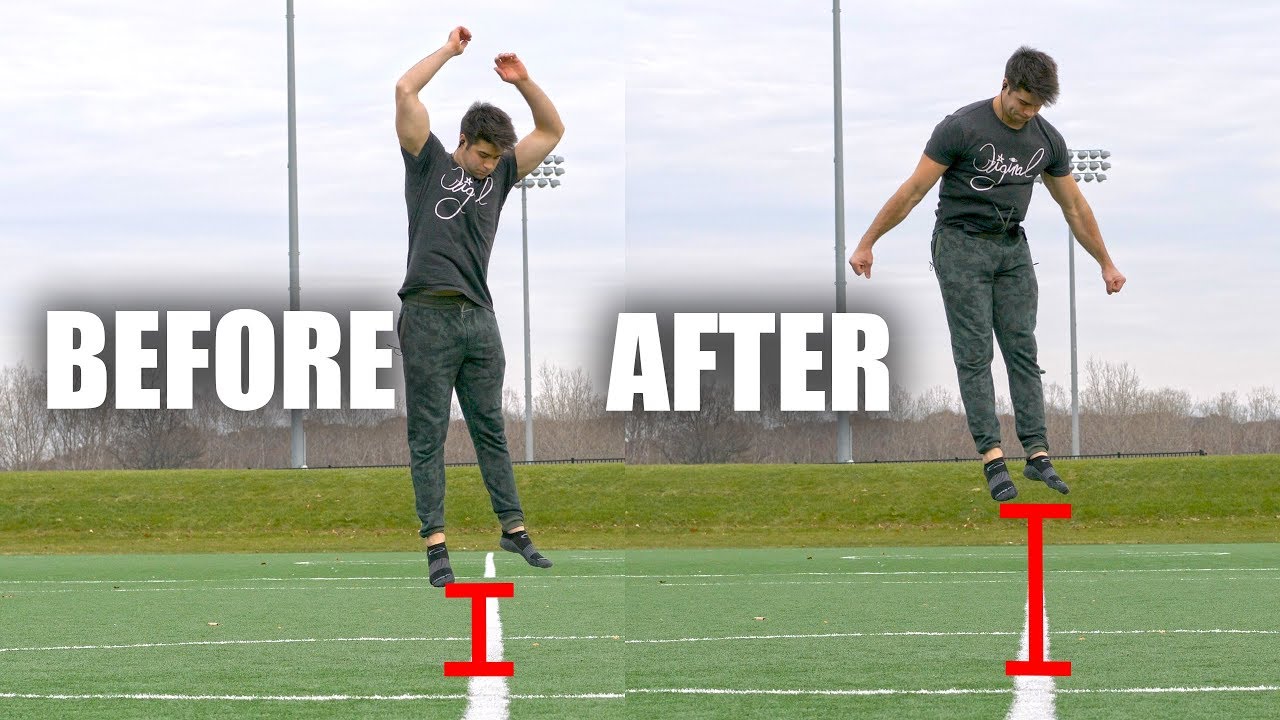
For decades, performance coaches and athletes have argued over the most efficient path to elite vertical jump power. In weight rooms across the globe, the debate usually boils down to a fundamental equipment choice: loaded barbell back squats inside a power rack versus heavy plates stacked onto a 45-degree leg press machine. As highlighted by sports science analysis featured in The Manual Report, researchers comparing free weights and guided resistance machines have uncovered definitive findings on how kinetic transfer directly influences vertical velocity.
The reality of lower body power production comes down to how human biology coordinates force against the floor. Pushing hundreds of pounds on a guided sled develops raw quadricep mass, but leaving the ground requires a sophisticated symphony of joint mechanics, balance, and rapid neural signaling. Dissecting the latest laboratory data reveals why certain training implements rapidly increase vertical leap while others merely build muscular volume.
📌 Key Takeaways:
- Biomechanical Transfer: Barbell squats generate significantly higher vertical jump transfer than resistance machines due to identical kinetic coordination through ankles, knees, and hips.
- Rate of Force Development: Dynamic athletic leaps occur in 200, 400 milliseconds; free weights recruit fast-twitch muscle fibers at speeds that fixed machines cannot replicate.
- The Ideal Framework: An athlete achieves maximum vertical jump height by combining free-weight compound lifts at 70, 85% 1RM with ballistic plyometrics and unilateral movement.
The Biomechanics Behind Explosive Vertical Takeoff
A vertical leap is not a simple contraction of the quadriceps. Dynamic leaping relies on triple extension, the simultaneous, explosive opening of the hips, knees, and ankles. In sports like basketball, track, and volleyball, this movement occurs in a split second via a countermovement jump, where an athlete drops rapidly into a quarter-crouch to store elastic energy in their tendons before driving upward into the air.
Producing that sudden upward impulse demands a high rate of force development (RFD). Elite jumpers do not necessarily possess the biggest thighs; they possess the neurological capacity to fire high-threshold motor units almost instantly. Muscle biopsy studies confirm that this explosive push-off relies on recruiting Type IIx fast-twitch muscle fibers. When an athlete leaves the floor, their central nervous system must synchronize stabilizing muscle groups through the core and feet to maintain a clean vertical vector. Without that stabilization, raw force bleeds outward instead of propelling the body straight up.
What the Squat-vs-Machine Data Actually Measures
When exercise scientists track athletic groups undergoing structured strength protocols, the split between free weights vs resistance machines becomes clear. Machine training, most notably the seated or incline leg press machine, removes balance requirements and postural demands. The sled runs on a fixed track, eliminating the need for the athlete to stabilize spinal position, hip alignment, or foot pressure.
By contrast, barbell squats force an athlete to support an external load over their actual center of mass while remaining upright. A landmark comparative analysis evaluating strength-to-power transfer found that while leg press training matches squats for pure hypertrophy and 1RM machine progress, barbell squats yield between 12% and 18% greater improvements in vertical jump height over an eight-week training cycle.
The performance divergence stems from motor patterns. On a leg press, hip flexion angles do not mirror the functional posture of an athletic jump. The pelvis remains braced against a padded seat, taking the glutes and hamstrings out of their natural standing alignment. The squat, conversely, trains the anterior and posterior chains simultaneously, building explosive strength that translates directly to upward drive.
Quantifying Strength Transfer: Barbells Compared to Fixed Tracks
To understand why different training tools produce vastly different jump outcomes, strength coaches evaluate force vectors, stabilizer recruitment, and rate of force production. The following data highlights how primary gym movements translate to actual vertical leap improvements based on peer-reviewed biomechanical metrics.
| Exercise Modality | Kinetic Pathway | Vertical Transfer Efficiency | Neuromuscular Demand |
|---|---|---|---|
| Barbell Back Squat | Axial, closed kinetic chain | High (+10% to +18% jump gain) | High (core, erectors, hip stabilizers) |
| Leg Press Machine | Guided 45° track, seated | Low to Moderate (+3% to +6% jump gain) | Low (fixed sled guides motion) |
| Trap Bar Jump Shrug | Vertical ballistic impulse | Very High (+14% to +22% jump gain) | Very High (rapid motor recruitment) |
| Leg Extension Machine | Open kinetic chain isolation | Negligible (+0% to +2% jump gain) | Isolated (quadriceps only, no core) |
The comparison underscores that isolated knee extension provides almost no functional benefit for upward propulsion. Real jumps require total lower body power output, with the hips and ankles contributing the majority of terminal propulsion.
Neuromuscular Adaptation and the Balance Equation
When an athlete un-racks a barbell, a process known as neuromuscular adaptation begins before the downward descent even starts. Sensory receptors throughout the footbed, calves, knees, and hip capsules send rapid feedback to the cerebellum to establish balance. This coordination trains synergistic muscles, such as the adductors, gluteus medius, and transverse abdominis, to lock down posture during dynamic movement.
Machines remove balance demands entirely. While this isolation is useful for bodybuilding or rehabilitating an isolated tendon injury, it creates a neurological blind spot. An athlete can build a 700-pound leg press yet find their vertical jump remains stagnant because their stabilizer muscles cannot govern that force in open space. When landing or exploding from the floor, lack of multi-joint coordination limits peak force expression.
Barbell squats condition the nervous system to handle compression, decelerate rapidly during the eccentric dip, and reverse movement without bleeding kinetic energy. This mirrors the physiological demands of elite sports, ensuring that every watt of force produced by the legs translates directly into airborne momentum.
Structuring a Science-Backed Vertical Jump Program
Relying exclusively on heavy, slow squats is not enough to unlock an elite vertical jump. Once an athlete achieves an adequate foundation of absolute strength, typically defined as squatting 1.5 to 2.0 times bodyweight, further squat gains yield diminishing returns for jump height.
Bridging the gap between absolute strength and high-speed liftoff requires combining heavy lifts with velocity-focused training:
- Heavy Compound Foundation (1, 2 days/week): Back squats, front squats, or trap bar deadlifts programmed at 70, 85% 1RM for 3 to 5 reps. Focus on moving the bar upward with maximum intended velocity on every repetition.
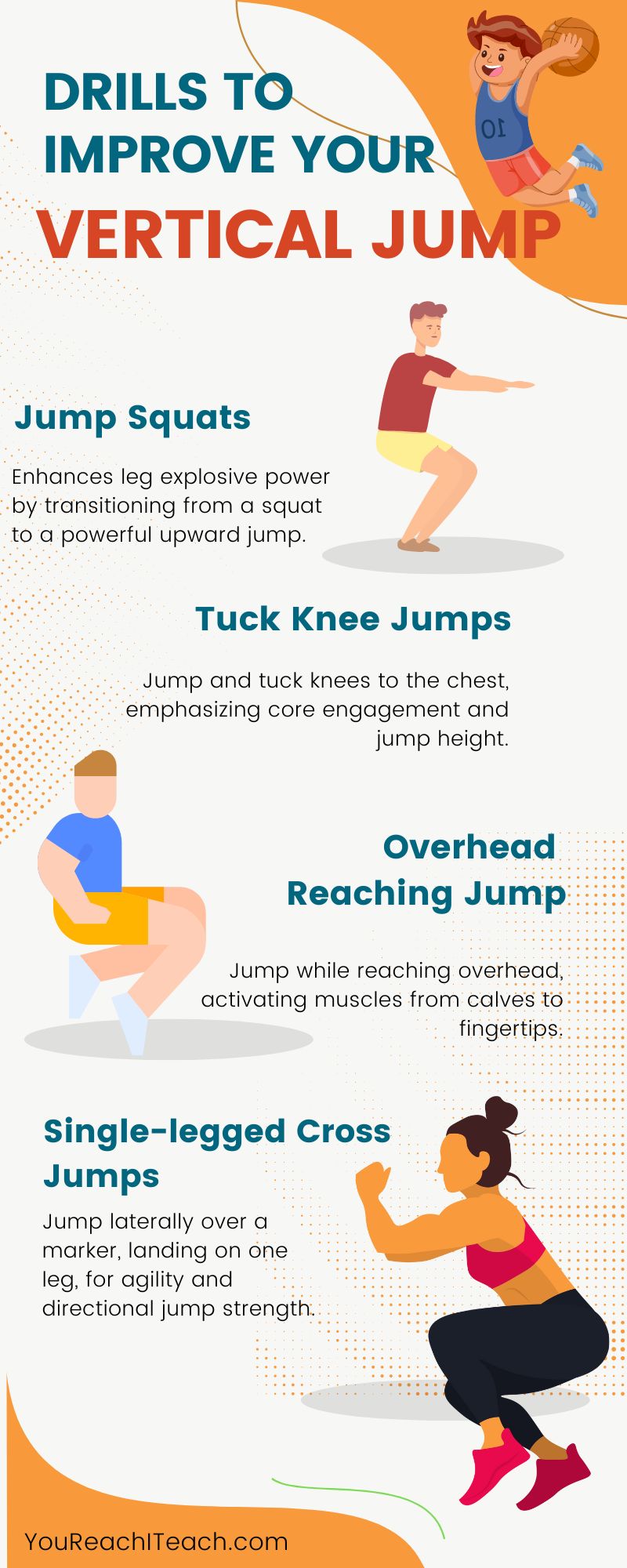
- Ballistic Power Work (1, 2 days/week): Trap bar jump squats with light loads (20, 30% 1RM), banded squats, or dumbbell jump shrugs to train the acceleration phase through full extension without slowing down at the top.
- Intense Plyometrics (2 days/week): Depth jumps, continuous hurdle hops, and single-leg bounds that keep ground contact times under 250 milliseconds. These drills condition the Achilles tendon and patellar tendon to act as biological springs, maximizing stretch-shortening cycle efficiency.
- Unilateral Bulgarian split squats to correct side-to-side power asymmetries, supplemented with seated calf raises to build soleus resilience against heavy landing forces.
Machines still have a clear purpose in this framework. Post-workout leg presses, hamstring curls, or belt squats allow athletes to accumulate hypertrophy volume without accumulating additional spinal fatigue. However, they act as supporting accessories rather than primary drivers of takeoff speed.
Frequently Asked Questions (FAQ)
Can I build a higher vertical jump using only resistance machines?
You can make small early gains if you are an untrained beginner, primarily from general quadricep hypertrophy. However, machines fail to train core stabilization, foot-ankle stiffness, and multi-joint kinetic timing, creating a low performance ceiling compared to free weights.
How heavy should I squat to maximize vertical leap?
Sports science benchmarks suggest aiming for a back squat equal to 1.5 to 2.0 times your bodyweight. Beyond this threshold, additional gains in slow-speed maximal strength provide diminishing returns for vertical speed unless paired with dedicated plyometric and ballistic training.
Do plyometrics replace the need for barbell strength training?
Plyometrics optimize speed and elasticity, but they require a baseline of muscular force to act upon. Athletes who combine plyometrics with heavy compound barbell training consistently gain 2 to 3 times more jump height than athletes who rely solely on jumping drills.
The Modern Playbook for Maximum Vertical Lift
Jumping higher is fundamentally a physics problem governed by biological limits. The floor returns only the force driven directly into it, and that force must be generated in a fraction of a second. Fixed resistance machines offer a controlled environment for building muscle mass, but they cannot teach the nervous system to coordinate speed, stability, and triple extension in open space.
Athletes who build true vertical dominance use free weights to establish structural strength, use plyometrics to optimize elastic recoil, and treat machine work as secondary support. Mastering that balance turns raw gym strength into explosive, airborne power.
