From $10K to an Arrest: Complete Timeline of the Reckless Ben LEGO GoFundMe Saga
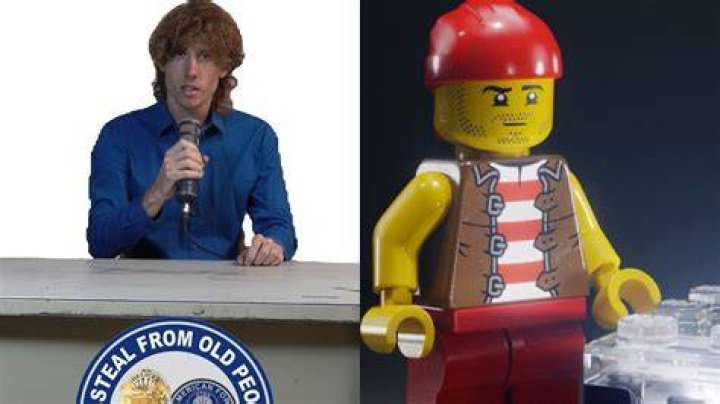
When independent stunt creator Ben Schneider, known online as Reckless Ben, launched a crowdfunding push to recover what he claimed was a massive cache of stolen LEGO sets, his audience rallied overnight. What began as an eccentric vigilante sting quickly morphed into a high-stakes legal nightmare across state lines. As detailed by coverage from The Times of India Report, the situation blew past simple internet drama when local law enforcement intervened, freezing community funds and landing Schneider in handcuffs.
The controversy centers on an escalating battle between Schneider, franchise retail chain Bricks & Minifigs, and the American Fork police department in Utah. Armed with hidden cameras and theatrical bravado, the YouTuber sought to expose what he alleged was an organized fencing pipeline for rare collector items. Instead, the operation triggered felony charges, defamation accusations, and a bitter fight over an escrowed pool of community donations exceeding six figures.
📌 Key Takeaways:
- The Spark: Schneider began tracking missing LEGO sets allegedly fenced through second-hand retail outlets, documenting the pursuit in a viral undercover video series.
- The Financial Escalation: A modest $10,000 GoFundMe campaign intended for legal defense and investigation fees spiraled past $100,000 as public interest exploded.
- The Legal Climax: American Fork police arrested Schneider on Utah criminal charges, citing trespassing, extortion, and unlawful surveillance, while defense attorneys argue his actions were constitutionally protected journalism.
How a Toy Heist Spun Into an Undercover Operation
The saga began with the theft of high-value collector bricks. High-end LEGO sets routinely trade on secondary exchanges for thousands of dollars apiece, turning warehouses and specialty shops into lucrative targets for property theft rings. Schneider entered the fray after receiving tips from collectors who claimed their stolen inventory had surfaced on store shelves at a franchised Bricks & Minifigs location in Utah.
Rather than filing standard insurance paperwork or waiting for municipal detectives, Schneider treated the theft as an episodic content series. He showed up at the retail location wearing hidden cameras, confronting employees, and attempting to buy back what he claimed was verified stolen property. His digital audience watched tens of thousands of dollars in plastic bricks become a proxy war between rogue creators and brick-and-mortar franchisees. Schneider framed his actions as public-interest sleuthing, arguing municipal authorities routinely ignore small-business property crimes.
The Crowdfunding Campaign: Surpassing $100,000 Under Fire
As store managers pushed back and threatened civil injunctions, Schneider turned directly to his followers. He established a GoFundMe campaign with a nominal initial target of $10,000, designated to offset private legal fees and bankroll equipment for continued reporting. Viewers responded with unprecedented backing. Small contributions of $15, $25, and $50 poured in from across the globe, driving the account balance past $100,000 in days.
The massive sum quickly created fresh friction. As reported by UNILAD Tech, critics questioned whether the ballooning sum was genuinely reserved for defense counsel or serving as an operational war chest for increasingly aggressive stunts. Commenters raised red flags over platform terms of service regarding funds raised by individuals facing impending criminal prosecution. The campaign stayed active long enough to hit six figures, becoming a central exhibit for prosecutors who later argued Schneider was monetizing direct confrontations with private retail workers.
Timeline: Tracing the Reckless Ben LEGO Investigation
The timeline reveals a swift descent from amateur sleuthing to formal indictment. The friction grew over months as YouTube uploads intersected directly with municipal law enforcement filings.
| Date / Timeframe | Critical Development | Core Legal & Financial Impact |
|---|---|---|
| Spring 2026 | Theft of rare collector LEGO inventory reported; Schneider launches private investigation. | First viral undercover videos drop, targeting Utah Bricks & Minifigs franchises. |
| May 2026 | Retaliatory civil cease-and-desist warnings sent; GoFundMe launched with a $10,000 goal. | Campaign surges past $100,000 within a fortnight behind viral viewer shares. |
| Early June 2026 | American Fork police open formal inquiries into Schneider's on-site behavior. | Creator uploads a "final message" hinting at state suppression of his investigative files. |
| Mid-June 2026 | Schneider taken into custody by Utah authorities; criminal charges filed. | Defense attorney issues public rebuttal targeting state recording statutes; crowdfunding scrutiny intensifies. |
| July 2026 | Court records reviewed as local press analyzes bodycam and YouTube footage discrepancies. | Pre-trial motions challenge whether stunt journalism constitutes criminal harassment. |
American Fork Police and the Legal Clash in Utah
The jurisdictional friction reached its peak inside Utah County. The Salt Lake Tribune analyzed footage where Schneider directly skewered the American Fork police department, accusing officers of shielding commercial businesses while ignoring verifiable serial numbers on stolen goods. Schneider’s video series painted the department as indifferent, provoking thousands of viewer comments and calls directly to municipal desks.
Local law enforcement saw a different dynamic. In official charging documents, prosecutors alleged Schneider’s guerrilla tactics crossed into criminal trespass, harassment, and reckless disruption of business operations. Officers cited multiple incidents where Schneider refused to vacate private commercial premises, using aggressive confrontational techniques to elicit dramatic reactions on tape. The state maintained that private citizens cannot bypass Fourth Amendment search warrants or conduct vigilante operations under the banner of online content production.
Defense Strategy: Challenging Utah Surveillance Laws
Following Schneider’s arrest, his defense counsel went on the offensive. As reported by KSL News, the defense attorney released a formal statement challenging the legitimacy of the criminal charges, arguing that Utah’s legal framework is being weaponized against independent watchdog reporting. The defense asserts Schneider was engaged in first-amendment protected investigative journalism aimed at consumer fraud and property trafficking.
A core element of the defense centers on recording permissions. Utah is a one-party consent state for audio recording under Utah Code § 77-2a-502. Schneider’s legal team contends that capturing discussions inside a commercial establishment open to the general public does not meet statutory definitions for illegal surveillance. Defense attorneys maintain that the aggressive prosecution stems from municipal embarrassment over Schneider’s public critique of local police inaction, rather than genuine criminal misconduct.
The Ethics of Vigilante Crowdfunding
The Reckless Ben case highlights a troubling evolution in how viral media interacts with the justice system. Creators no longer just report on crime or run comedy stunts. They actively finance private policing efforts through immediate public backing. Crowdfunding networks let creators scale confrontations that traditional media institutions would avoid due to liability risks.
This decentralized approach brings heavy liabilities. When hundreds of thousands of dollars back private investigations without institutional legal review, standard evidentiary rules vanish. Commercial businesses face devastating public accusations before any formal legal discovery occurs. Meanwhile, online donors frequently discover that their financial contributions fund bail bonds, retaining criminal defense lawyers, and long procedural trials instead of consumer restitution.
Frequently Asked Questions (FAQ)
Q1: Why was Reckless Ben arrested in Utah?
Schneider was arrested by American Fork police on charges including criminal trespass, interference with lawful business operations, and harassment following repeated, unpermitted hidden-camera confrontations inside commercial retail stores.
Q2: What happened to the funds raised on GoFundMe?
The campaign raised more than $100,000. While platforms generally scrutinize funds associated with criminal proceedings, Schneider’s team retained access to defense funds to retain specialized Utah legal counsel and contest municipal charges in court.
Q3: Did Bricks & Minifigs knowingly buy stolen LEGO sets?
Franchise representatives have consistently denied knowingly purchasing stolen merchandise. They state their stores follow standard intake procedures, cooperate with law enforcement, and were subjected to unlawful harassment and targeted social media campaigns by Schneider.
The Boundaries of Creator Journalism in 2026
The legal fight surrounding Reckless Ben marks a critical line for digital creators attempting real-world investigative work. Armed with smartphones, supportive online audiences, and hundreds of thousands of dollars in crowdfunding, modern influencers can match the investigative reach of small newsrooms. Yet, they remain entirely vulnerable to the exact criminal statutes that institutional reporting teams navigate with caution.
As Schneider’s defense winds through Utah courts, the proceedings will test whether online watchdog investigations enjoy broad First Amendment shielding, or whether aggressive content generation inside retail shops constitutes standard property crimes. What began as a rogue search for missing plastic bricks has evolved into a binding precedent for the legal limits of viral vigilante content.
