From 2003 Cult Classic to 2026 Trend: The Rise, Fall, and Return of 'I'm Tired, Grandpa'
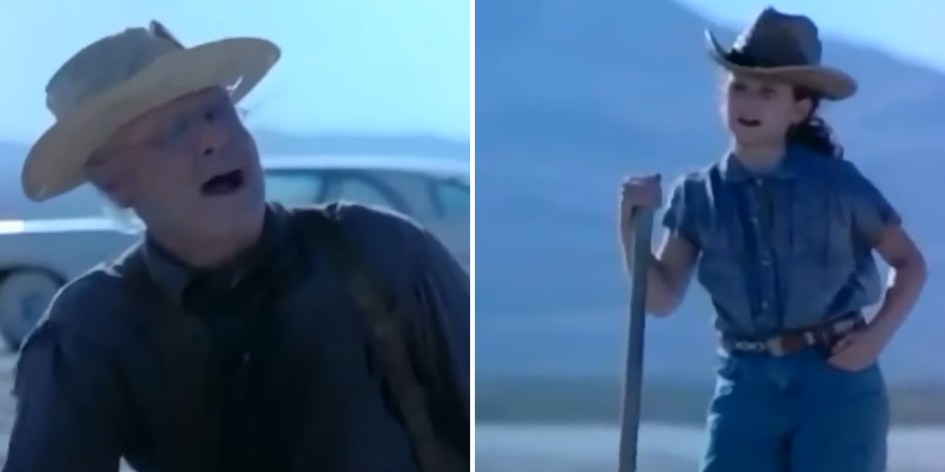
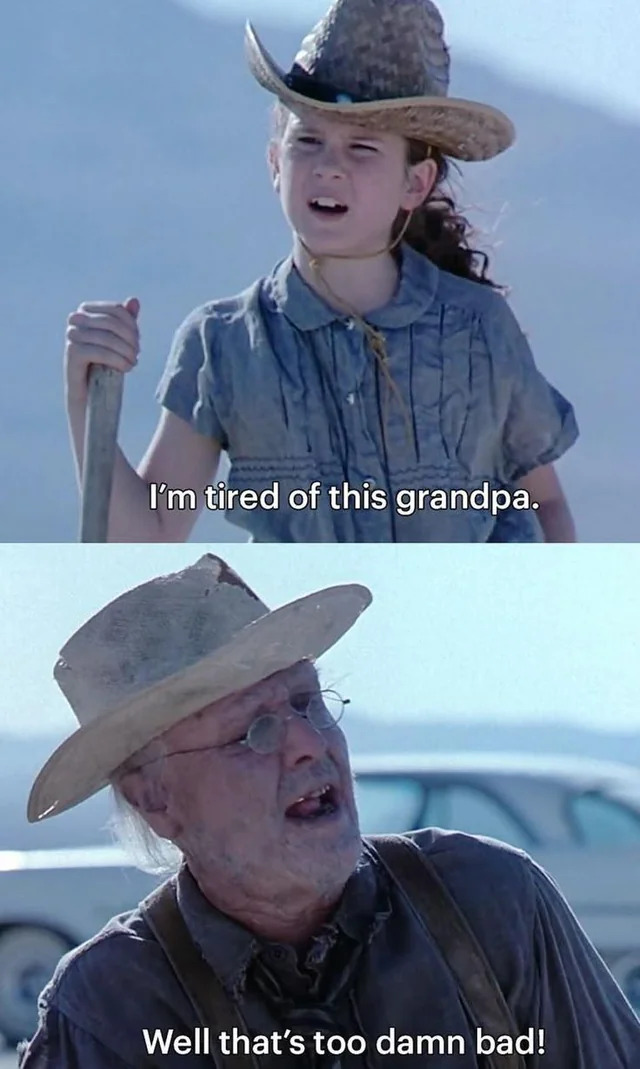
Few cinematic lines age into cultural shorthand quite like a four-word exchange uttered in the middle of a barren desert flat. In Andrew Davis’s 2003 screen adaptation of Louis Sachar’s novel Holes, a nameless child working under blistering heat gasps out, "I'm tired, grandpa!" only for an unsympathetic elder to bark back without breaking stride: "Well, that's too damn bad!" More than two decades after the film quietly earned $67.4 million against its $20 million budget, those two sentences have migrated from standard internet nostalgia to a viral audio trend dominating short-form video. The soundbite has evolved into the defining workplace exhaustion meme of a generation navigating precarious employment, corporate downsizing, and institutional fatigue.
The cultural staying power of the exchange reached another inflection point when streaming executives attempted to capitalize on its algorithmic momentum. Disney spent nearly eighteen months exploring a high-concept episodic reboot designed to overhaul the franchise for contemporary audiences. That development cycle unraveled abruptly behind studio doors, shelving the project indefinitely just as commentary highlighting generational weariness, mirrored in recent personal essays and relationship columns like The Mercury News Report on shifting familial dynamics, peaked across the web. The journey of those seven seconds of audio explains how a modest early-2000s family adventure turned into an anti-work rallying cry.
📌 Key Takeaways:
- The Cinematic Origin: The quote originates from a brief historical montage in the 2003 film Holes, functioning as dark, absurd humor within Louis Sachar’s multi-generational narrative.
- The Algorithmic Pivot: Across TikTok and Instagram Reels, the original dialogue transformed into a primary template for Gen Z humor, racking up millions of impressions as a direct critique of burnout culture.
- The Cancelled Revival: Disney greenlit early development on a dramatic Holes streaming series, only to pull the plug amid budget realignments and concerns that modernizing the property would dilute its organic appeal.
The Desert Dust of Camp Green Lake: Where the Line Was Born
When Walt Disney Pictures released the Louis Sachar adaptation in April 2003, it did not follow standard family-film formulas. Directed by Andrew Davis, fresh off action thrillers like The Fugitive, Holes balanced eccentric folklore with genuine penal cruelty. The story centered on Stanley Yelnats, portrayed by a fourteen-year-old Shia LaBeouf, wrongfully convicted of theft and sentenced to dig five-foot-deep pits at a dry Texas juvenile corrections facility. Surrounding his modern plight was the centuries-old curse of Madame Zeroni, played with memorable menace by Eartha Kitt.
The dialogue that now dominates social feeds does not involve LaBeouf or camp warden Sigourney Weaver. It appears during an eccentric side scene featuring early Latvian settler ancestors digging alongside family elders. The grandson’s breathless plea, "I'm tired, grandpa!", meets the immediate, guttural rebuff: "Well that's too damn bad! You keep digging!" It was a quick comedic beat designed to show intergenerational stubbornness. For millennial theatergoers, it became one of several cult classic quotes that survived via DVD rentals and cable reruns.
The writing succeeded because Sachar penned the screenplay himself. Rather than sanding down the book's dry, unsentimental humor for a broad audience, Sachar preserved its bleak, fairy-tale logic. Hard labor was treated with surreal indifference, and the characters reacted with deadpan resignation.
How an Algorithmic Soundbite Became Gen Z’s Workplace Anthem
The transition of the line from nostalgic movie dialogue to an unavoidable TikTok meme sound accelerated during early 2022 and sustained momentum straight through 2025. Video creators isolated the audio snippet, pairing it with self-recorded clips of corporate office workers opening sixty-tab spreadsheets at 8:00 AM, retail cashiers staring down holiday rushes, and remote freelancers working through midnight deadlines. The audio provided an exact structural rhythm: immediate vulnerability met with unsympathetic authority.
As The Cut observed in their August 2026 critique of modern labor demands, titled ‘I’m Tired of Being Resilient,’ public tolerance for hustle rhetoric has worn thin. Millions of younger employees no longer view endurance as a badge of honor. The audio clip gave language to that exhaustion. When a twenty-something creator mimes the exhausted boy and stamps the text overlay "Corporate asking for Q3 projections after laying off half the team," the humor hits because it mirrors actual workplace conditions.
The audio became shorthand for systemic dismissal. By pairing real professional anxiety with an over-the-top, gravel-voiced command to "keep digging," users found a collective release valve. Irony became the default shield against escalating cost-of-living burdens and shrinking job security.
The Aborted Disney Revival: Development Hell and the Sudden Ax
By late 2024, studio executives were actively searching internal catalogs for mid-tier legacy IP that held high engagement metrics on social video platforms. The explosive numbers generated by the Holes audio did not go unnoticed. Internal consumer-products and streaming tracking at Disney flagged the property as an undervalued asset with high cross-generational awareness among 18-to-34-year-olds.
Production insiders confirmed that a television adaptation entered exploratory development for Disney+. The pitch leaned away from the family-adventure tone of the 2003 film, aiming instead toward a gritty, prestige-drama format focusing on institutional corruption, the historical town of Green Lake, and the origins of Kissin' Kate Barlow. Screenwriters were attached to draft pilot treatments, and initial casting briefs circulated to agency desks by mid-2025.
The project died before cameras rolled. Rising production costs, combined with corporate belt-tightening on streaming content expenditure, led executives to review development slates ruthlessly. Creative disagreements quickly stalled the writers' room. Producers struggled to adapt Sachar’s delicate, non-linear plotting into an open-ended multi-season series without making the material feel excessively grim or alienating existing fans. By early 2026, Disney quietly scrapped the series entirely, leaving the 2003 film as the definitive screen version.
Two Decades of Digging: Tracking the Cultural Footprint
The journey of Holes from a children's literature fixture to an anti-work digital symbol highlights how audiences repurpose vintage intellectual property long after corporate marketing campaigns wrap.
| Time Period | Medium & Platform | Primary Audience | Cultural Function |
|---|---|---|---|
| 1998, 2003 | Novel & Theatrical Film | Middle-grade readers, Millennials | Narrative adventure about fate, history, and juvenile justice |
| 2012, 2019 | Tumblr, Vine, Twitter GIFs | Young adult internet communities | Nostalgic callbacks to early-2000s live-action Disney cinema |
| 2020, 2024 | TikTok & Instagram Reels | Gen Z workforce, college students | Algorithmic venting mechanism against corporate hustle culture |
| 2025, 2026 | Streaming Development & Media Criticism | Industry analysts, general public | Symbol of failed studio mining and modern economic malaise |
Why Corporate IP Mining Stumbled Over Internet Irony
Disney’s retreat from the proposed TV series points to an ongoing miscalculation across media boardrooms. Studios routinely mistake high online quote engagement for demand for expanded universe storytelling. A seven-second comedic punchline functions because it is short, detached from broader plot mechanics, and easily applied to mundane personal struggles.
Transforming that sentiment into eight hours of serialized streaming television is an entirely different proposition. The emotional hook of the meme relies on anti-establishment irreverence. Producing a multi-million-dollar corporate series based on audience exhaustion risks coming off as tone-deaf to the very viewers sharing the clips. Online reactions across Reddit's entertainment communities when news of the cancellation surfaced were overwhelmingly positive. Users pointed out that modern studio remakes frequently sap the idiosyncratic charm out of late-90s and early-2000s projects.
The original movie worked because it was self-contained. It wrapped its sprawling family curses, historic outlaws, and juvenile camp antics into a brisk 117-minute runtime. Leaving it alone spares it from the over-explained lore that has dragged down recent platform reboots.
Frequently Asked Questions (FAQ)
Q1: What scene does "I'm tired, grandpa" come from in the 2003 Holes movie?
The quote occurs during a brief comedic sequence that dramatizes the ancestral past of the characters. A young boy stops digging alongside his grandfather and complains of exhaustion, prompting the grandfather to snap, "Well that's too damn bad! You keep digging!"
Q2: Why did TikTok turn this specific quote into a viral trend?
The punchy dialogue provides an ideal format for short-form video skits about exhaustion. Content creators use the two-line interaction to dramatize modern workplace fatigue, academic burnout, and corporate disregard for employee well-being.
Q3: Why did Disney cancel the planned Holes television series?
Disney dropped the project following rising production expenses, broader budget cutbacks on streaming platform slates, and creative difficulties in stretching Louis Sachar's tightly constructed novel into a serialized drama format.
The Enduring Defiance of Keeping Digging
Memes run through internet cycles at breakneck speeds, but the persistence of this specific exchange reveals something distinct about modern cultural life. It has survived three separate internet eras, from message boards to algorithmic short-form feeds, without losing its edge. Rather than disappearing into nostalgia playlists, the quote found a second life because the social realities it mocks never improved.
When young professionals use the sound to articulate impossible workloads, they are not really thinking about juvenile detention camps or cursed heirloom treasure. They are identifying with the absurdity of working harder in systems that offer fewer guarantees. By killing off the redundant television reboot, Disney unintentionally preserved the purity of that joke. The line remains what it was always meant to be: a dry, biting piece of dark comedy that lets exhausted workers laugh right before picking up the shovel again.
