From AFI Graduate to Horror Auteur: The Journey of 'The Strange Thing About the Johnsons'

Student films from the American Film Institute Conservatory rarely ignite nationwide cultural firestorms. Most premiere quietly at private screenings, collect constructive feedback from faculty, and slide into the archives of nascent Hollywood careers. In 2011, Ari Aster chose a radically different path. He directed a 29-minute domestic melodrama about an upper-middle-class Black family trapped in an inverted cycle of severe sexual abuse. The project, titled The Strange Thing About the Johnsons, instantly obliterated conventional student film boundaries and polarized the indie film festival circuit. As critical retrospectives like the Vague Visages Report demonstrate, Aster's student catalog established an uncompromising blueprint for psychological horror long before multiplex audiences encountered his feature-length nightmares.
The film did not stay contained within the festival circuit. Leaked online shortly after its debut, it transformed into an early digital shock test. Millions of viewers sought out the film, often reacting on webcam to its excruciating twists. Even today, online searches for terms like "strangers things about the johnsons" continue to spike across social platforms whenever new horror fans unearth Aster’s early filmography. Tracing this short film reveals how an ambitious graduate student leveraged taboo domestic terror to carve out his identity as an uncompromising modern auteur.
📌 Key Takeaways:
- The Provocation: Produced as Ari Aster’s 2011 AFI Conservatory thesis, the short upended traditional horror by framing incestuous abuse through an inverted son-on-father dynamic within an affluent suburban home.
- The Viral Explosion: After an unauthorized leak onto Vimeo and YouTube, the film racked up millions of views, serving as an early prototype for modern reaction-video internet culture.
- Auteur Precursor: The visual motifs, claustrophobic domestic dread, and themes of suffocating family grief directly laid the groundwork for Aster’s later A24 box-office hits, Hereditary and Midsommar.
The American Film Institute Thesis That Broke Every Unwritten Rule
Film schools typically advise graduating fellows to shoot calling-card shorts: polished, commercially palatable showcases that demonstrate technical competency without terrifying studio executives. Aster ignored this convention entirely. Entering his final year at the AFI Conservatory in Los Angeles, he pitched a script centered on Sidney Johnson (played with devastating vulnerability by the late Billy Mayo) and his adult son, Isaiah (Brandon Elton).
The horror in the script did not rely on ghosts, slashers, or supernatural occurrences. Instead, it examined a dark inversion of patriarchal authority: Isaiah systematically abuses his own father, holding him emotionally and physically captive within their sunlit, picture-perfect home. Aster treated the material not as cheap exploitation, but as a rigid, Douglas Sirk-inspired 1950s melodrama. The visual language relied on warm lighting, opulent set design, and orchestral swells.
That tonal dissonance pushed the short beyond standard student fare. When the faculty and peers at AFI screened the rough cuts, reactions swung wildly from sheer disgust to awe at its technical audacity. Aster refused to frame the premise as a joke. He directed his actors to play the tragedy completely straight, forcing the viewer to sit with unbearable interpersonal violation.
Subverting Domestic Drama Through Taboo Horror
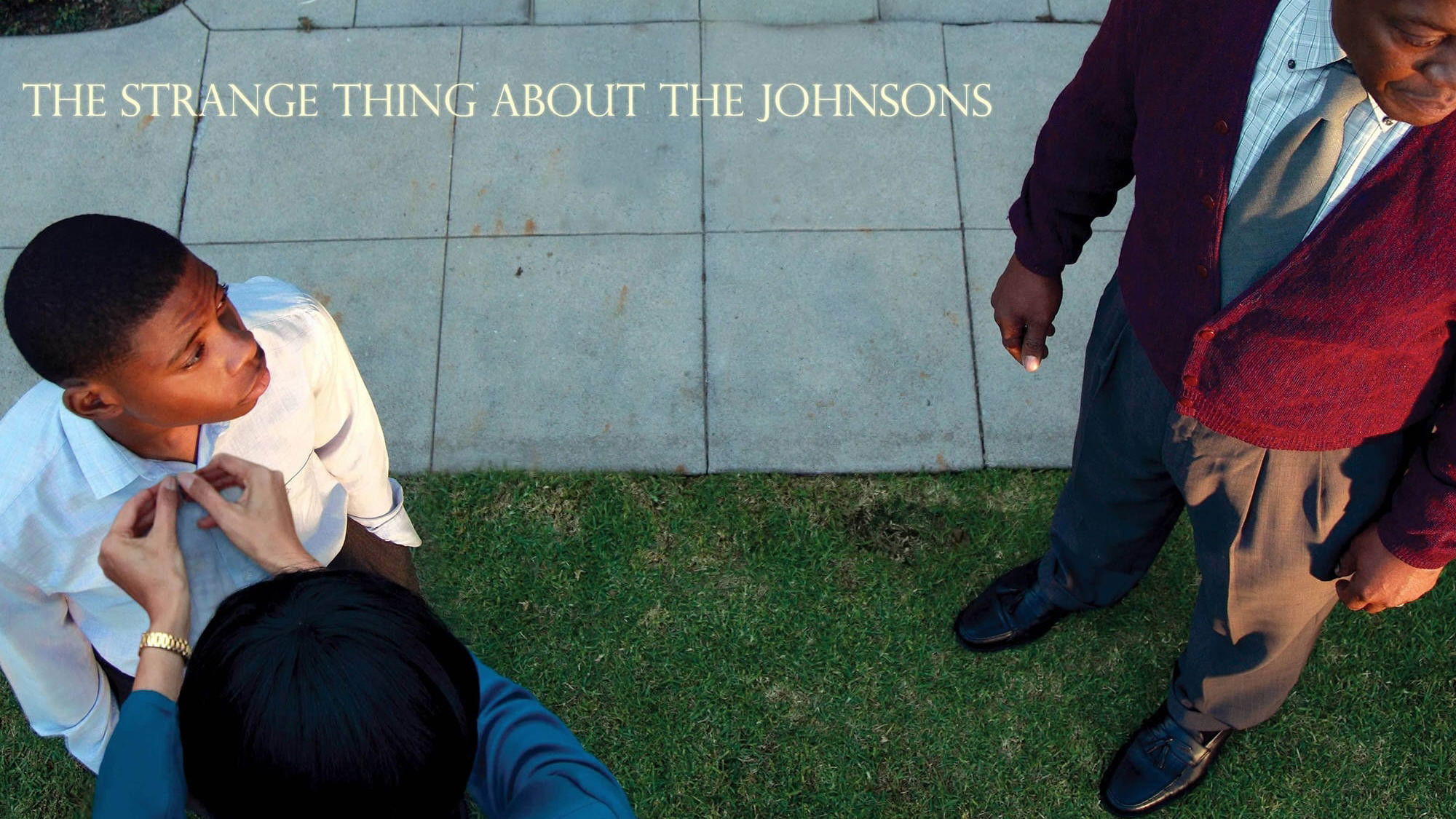
The narrative opens during Isaiah’s wedding to Rachel (Angela San Albano). Beneath the joyous exterior of the reception, Sidney slips away to Isaiah’s childhood bedroom. He searches frantically for a hidden manuscript, a written confession he intends to publish to liberate himself from his son’s control. Before Sidney can secure the pages, Isaiah corners him against the wall. The camera holds steady, capturing the physical violation with agonizing stillness.
Aster systematically dismantles the illusion of safety inside domestic spaces. In standard psychological thrillers, the father often represents the abusive patriarch or the immovable protector. Aster reverses the vector of abuse. Sidney is a towering, physically capable man who shrinks into childlike paralysis whenever his son enters the room.
The mother, Joan (Julia Swann), represents willful domestic blindness. She suspects fractures inside her home, yet she consciously preserves the veneer of suburban perfection. When the truth inevitably ruptures through the surface in the film’s bloody climax, Aster avoids comforting resolutions. The terror stems from how quietly the abuse persisted for over a decade in plain sight.
The Digital Afterlife: From Festival Circuit to Viral Phenomenon
The film premiered publicly at the 2011 Slamdance Film Festival, followed by screenings at the Sarasota Film Festival. Mainstream festival programmers, however, largely kept their distance. The material was simply too toxic for family-friendly brands or commercial distributors. The film's second life began when an unauthorized rip appeared on Vimeo and YouTube later that year.
The internet responded with a mix of morbid fascination and disbelief. Long before TikTok established modern horror curation, WorldStarHipHop and early YouTube reaction channels turned The Strange Thing About the Johnsons into an informal digital rite of passage.
| Era & Distribution Phase | Primary Audience & Platform | Cultural Reaction & Impact |
|---|---|---|
| 2011: Festival Circuit | Slamdance Film Festival, AFI Conservatory screenings | Industry shock, walked-out screenings, quiet acclaim for Aster’s technical control. |
| 2012, 2017: Bootleg Sensation | Vimeo leaks, WorldStarHipHop, early YouTube reactions | Viewed as an internet shock test; generated millions of bootleg impressions and meme discussions. |
| 2018, 2022: Feature Reappraisal | Letterboxd, film blogs, post-Hereditary deep dives | Recontextualized by critics as the thematic prototype for Aster’s A24 horror filmography. |
| 2023, 2026: Auteur Retrospective | Curated digital video platforms, social discourse | Studied in film academies as a case study in radical visual grammar and domestic subversion. |
Between 2011 and 2014, reaction videos recorded viewers freezing in shock during the bedroom confrontation scene. Millions witnessed the story without context, often searching for garbled titles like "strangers things about the johnsons" to track down the full short. This grass-roots, shock-driven curiosity turned Aster into an underground legend long before Hollywood greenlit his studio features.
Racial Dynamics and the Creative Friction Behind the Casting
The short generated intense debate surrounding race and representation. Aster, who is white, chose to cast an entirely Black family in a story centered on horrific domestic deviance. Critics and commentators questioned whether the narrative reinforced predatory stereotypes or exploited a Black family dynamic for shock value.
Aster directly addressed these criticisms in subsequent interviews, explaining that the script was written before the casting calls. When reviewing audition tapes, Aster noted that Billy Mayo and Brandon Elton delivered the only auditions that treated the material with terrifying emotional seriousness rather than campy detachment.
Mayo's performance anchors the narrative. His portrayal of Sidney contains no histrionics. Instead, he embodies a quiet, suffocating grief that gives the film emotional weight. Aster insisted that shifting the cast to an affluent, Black suburban family helped strip the story of predictable Appalachian or white-suburban domestic thriller tropes, forcing audiences to confront the abuse without preconceived genre filters. The debate remains a defining chapter in Aster's creative genesis, sparking discussions in film seminars on the boundaries of auteur intent versus cultural optics.
Tracing the Direct Line to Hereditary and Midsommar
Watching The Strange Thing About the Johnsons through the lens of Aster's mature catalog reveals how fully formed his sensibilities were in 2011. The film is the direct ancestor to his modern studio work.
As detailed in IndieWire's coverage during the release of Aster's feature debut, the director spent years grappling with intensely painful familial experiences to inform his storytelling. That personal investment in familial ruin runs through every frame of his career:
- The Domestic Space as a Prison: In both The Johnsons and Hereditary, the suburban home is not a haven. Hallways are staging grounds for terror, bedrooms hide unmentionable secrets, and family dinners double as psychological slaughterhouses.
- The Impossibility of Escape: Sidney Johnson cannot walk away from Isaiah any more than Toni Collette’s Annie Graham can escape her family line in Hereditary. Destruction comes from blood ties.
- Melodrama Metamorphosing into Horror: Aster refuses to employ cheap jump scares. He relies on prolonged, static master shots, forcing the audience to witness emotional decay in real time. The dread accumulates through pacing and performance rather than supernatural monsters.
When A24 backed Aster to direct Hereditary in 2018, followed by Midsommar in 2019 and Beau Is Afraid in 2023, the industry marveled at his willingness to push psychological horror to extremes. Those who had witnessed his AFI thesis film seven years earlier were not surprised.
Frequently Asked Questions (FAQ)
Q1: Is *The Strange Thing About the Johnsons* based on a true story?
A1: No. Ari Aster wrote the screenplay as an entirely fictional piece during his time at the American Film Institute Conservatory. He developed the premise around the concept of taboos within suburban family structures, borrowing structural cues from mid-century Hollywood melodramas rather than real court cases.
Q2: Where can viewers officially watch the short film today?
A2: The short has never received a traditional physical release or an official subscription-tier streaming run on platforms like Netflix or Max. Aster later uploaded the full, uncensored 29-minute film to his official Vimeo page, where it remains publicly accessible alongside his other early shorts.
Q3: How did the film impact Ari Aster's early directing career?
A3: While the controversial subject matter made traditional commercial representation hesitant initially, the short's technical mastery caught the attention of producers and indie executives. It directly demonstrated Aster's ability to direct high-caliber performances, sustain tension, and create cinematic dread, which paved the way for A24 to finance his breakout hit, *Hereditary*.
The Enduring Legacy of Ari Aster’s First Nightmare
The Strange Thing About the Johnsons holds a distinct place in contemporary independent cinema. It marks the moment a young filmmaker rejected comfortable conventions in favor of absolute psychological exposure.
Aster proved that real terror does not require monsters lurking in the dark. It lives behind closed doors in manicured suburban homes, sustained by silence, complicity, and family secrets. For Aster, the short was not a mere provocation; it was an artistic declaration of principles. In the decade and a half since its Slamdance debut, that uncompromising vision helped redefine American psychological horror, proving that the deepest scars are the ones inflicted by the people sitting across the dinner table.
