From Edgy Meme to Billion-Dollar Brand: The Complete Blippi Harlem Shake Timeline
Millions of parents know Stevin John as Blippi, the hyperactive, orange-suspendered educator who teaches toddlers colors, shapes, and excavator mechanics across billions of YouTube streams. What fewer parents realized until a major journalistic exposé is that before building one of the most lucrative modern entertainment brands, John produced visceral, low-budget shock comedy online. In early 2013, he recorded an explicit viral stunt that would quietly shadow his rise to household ubiquity.
The collision between early amateur internet pranks and modern hyper-sanitized children's programming became unavoidable when investigative reporting resurfaced the footage. As tracked in modern industry retrospectives, including an analysis from a Parents Report on his path through mainstream parenting culture, John managed an unprecedented turnaround: pivoting from vulgar shock stunts into a multi-million-dollar empire now anchored under corporate media ownership.
📌 Quick Summary:
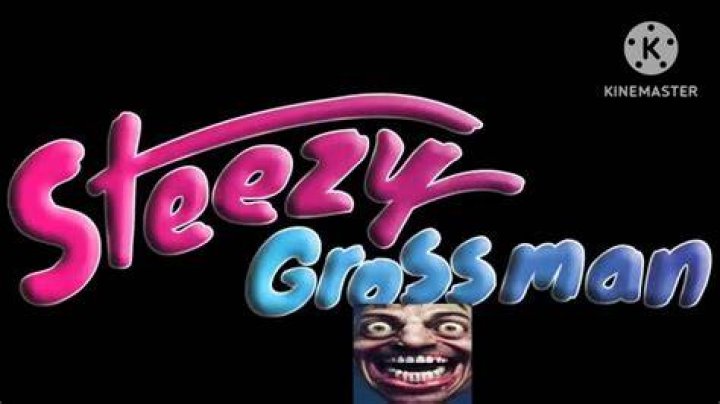
- The Incident: In 2013, Stevin John performed under the alias "Steezy Grossman," releasing a vulgar Harlem Shake parody where he defecated on a naked collaborator.
- The Investigation: A February 2019 Newsweek report brought the erased clip back into mainstream headlines, prompting an official apology from John.
- The Business Outcome: Relentless copyright takedowns, character decentralization, and a 2020 acquisition by Moonbug Entertainment insulated the Blippi brand from lasting commercial fallout.
The Steezy Grossman Era and 2013 Gross-Out Comedy
Before Blippi existed, Stevin John operated in the anarchic, boundary-pushing subculture of early 2010s YouTube. Platforms during that era rewarded provocative shock humor. Creators like Filthy Frank and early prank channels set algorithmic benchmarks by testing how far they could push community guidelines. John adopted the moniker Steezy Grossman, using personal channels and dedicated websites to post self-styled gross-out sketches that favored scatological humor, aggressive slapstick, and surreal antics.
When the electronic producer Baauer's track "Harlem Shake" triggered a global viral meme in February 2013, creators everywhere produced variations. The formula was rigid: one masked person danced alone until the bass dropped, followed by a cut to a room full of people dancing erratically. John's parody broke convention entirely. Filmed in an austere, uncarpeted room, the video featured John in underwear dancing alongside an acquaintance lying naked across the floor. When the audio dropped, John squatted over his collaborator and visibly defecated directly onto him. The video circulated rapidly on shocking humor boards, subreddits, and private upload hubs.
At the time, John treated the stunt as juvenile performance art designed to ride search trends. It was crude, disposable, and intended strictly for shock-humor consumers. He soon realized, however, that digital content rarely stays confined to its original niche.
From Crude Parodies to Toddler Fascination
In 2014, John stepped back from gross-out gags. Watching his two-year-old nephew consume low-quality, poorly animated videos on YouTube, he noticed a massive gap in the market. Early childhood programming on the platform was dominated by repetitive digital nursery rhymes, unboxing clips, and unlicensed animations. High-energy, live-action preschool content was virtually nonexistent.
John developed the character of Blippi from scratch. He selected bright orange and blue because those colors register prominently in young children's developing visual perception. Armed with a GoPro, an energetic demeanor, and an intuitive grasp of search engine optimization, John began filming himself exploring museums, soft-play parks, and construction yards. His first uploads appeared in January 2014.
The transformation worked with staggering speed. Within three years, Blippi was pulling hundreds of millions of views each month. Parents embraced the show because it substituted passive cartoon watching with enthusiastic real-world education. Behind the scenes, John moved aggressively to scrub his past, using DMCA copyright strikes and automated search-removal tools to purge all traces of Steezy Grossman and the Harlem Shake stunt from the open web.
The 2019 Newsweek Report and the Digital Unearthing
Digital permanence is rarely absolute, but buried media seldom stays buried forever. On February 14, 2019, Newsweek senior reporter Steven Asarch published an investigative report titled "YouTube Star Blippi's Defecating Film Unearthed." The piece documented the exact connection between the beloved preschool figure and the 2013 shock video, linking archival web records and copyright actions that tied Stevin John directly to the Steezy Grossman domain.
The reveal triggered intense debate across parent forums, Twitter/X, and Reddit's r/Parenting community. Parents who had parked their toddlers in front of Blippi for hundreds of hours discovered the star's vulgar origins. Many expressed immediate disgust, questioning how someone with such an archive could be trusted near children's educational content. Others defended John, arguing that an adult making tasteless shock videos six years prior had no bearing on his educational scripts for preschoolers.
John quickly issued a direct, formal apology via his public relations team, addressing the controversy without dodging the material facts:
"At the time, I thought this sort of thing was funny, but really it was just tasteless, and I regret having done it. I've grown up a lot since then, and I hope people can see that my focus is entirely on bringing positive, educational joy to children."
By issuing a swift apology and relying on strict platform moderation, John kept the story from morphing into a fatal PR crisis. Mainstream broadcast networks declined to run the graphic footage, which naturally limited the visual reach of the controversy.
Timeline: Evolution from Shock Humor to Corporate Media Powerhouse
The trajectory of Stevin John highlights how swift execution, SEO mastery, and strategic corporate alliances can insulate a lucrative brand from internet controversies.
| Timeframe | Milestone Event | Brand & Audience Impact |
|---|---|---|
| 2013 | Upload of the "Steezy Grossman" Harlem Shake parody. | Confined to niche shock-humor boards; modest underground viral traction. |
| 2014, 2018 | Launch of the Blippi persona; systematic scrubbing of early digital footprint. | Explosive YouTube growth, reaching over 5 billion lifetime views by 2018. |
| Feb 2019 | Newsweek investigative report unearths the 2013 clip. | Public apology released; aggressive DMCA sweeps remove mirrored footage. |
| Jul 2020 | Moonbug Entertainment acquires the Blippi brand alongside CoComelon. | The property transitions into a corporate franchise; John yields total creative control. |
| 2021, 2026 | Introduction of alternate actors (Clayton Grimm) and global syndication. | Streaming expansion across Netflix, Amazon Prime, and worldwide live tours. |
How Moonbug Entertainment Insulated the Children's Franchise
In July 2020, children's media conglomerate Moonbug Entertainment acquired Blippi in a deal valued in the hundreds of millions of dollars, folding the show into a roster that already included CoComelon. Moonbug understood that a single creator's personal history presented ongoing reputation risks. To secure their investment, they separated the character from the individual who created it.
Beginning in 2021, Moonbug brought in actor Clayton Grimm to alternate as Blippi for select video episodes and live theatrical tours. The initial rollout unsettled parents accustomed to John's voice. Over time, toddlers accepted the new performer without hesitation. The move turned Blippi into a corporate asset rather than an unalterable solo act, mirroring how legacy brands run Sesame Street or The Wiggles.
Under Moonbug's management, the franchise expanded onto major streaming platforms including Netflix, HBO Max, and Amazon Prime Video. These streaming portals curate content heavily, isolating viewers from the open search results and comment sections where unvarnished YouTube controversies thrive. By surrounding the brand with retail lines at Target and Walmart, corporate management relegated the 2013 video to obscure internet trivia.
Digital Permanence and Creator Reinvention in the Streaming Era
The survival of Blippi illustrates an interesting dynamic in modern digital culture: content scandals do not automatically destroy a brand when the core end-consumer is entirely disconnected from cultural commentary. Two-year-olds do not read investigative articles or scroll through forum threads. As long as parents felt the current output was safe, accessible, and engaging, demand stayed consistent.
Furthermore, early YouTube operated like an unmonitored digital playground. Thousands of prominent influencers who gained fame between 2008 and 2014 engaged in vulgar, offensive, or extreme stunts that fail contemporary standards. John succeeded where others stumbled because he did not defend the material. He acknowledged its tastelessness, completed the necessary apologies, and let corporate infrastructure handle long-term digital containment.
Frequently Asked Questions (FAQ)
Did the creator of Blippi actually make a vulgar Harlem Shake video?
Yes. In 2013, Stevin John performed under the comedic pseudonym Steezy Grossman and uploaded a Harlem Shake parody that culminated in him defecating on a naked collaborator. The video was created prior to the launch of his children's brand.
Is the original 2013 Harlem Shake video still online?
The video was wiped from mainstream platforms. Stevin John and his legal teams used aggressive DMCA copyright takedowns to purge re-uploads. While archival mirrors surface sporadically on unindexed shock sites, the clip remains largely inaccessible on standard search networks.
Did Moonbug Entertainment cancel Blippi after learning of the past controversy?
No. Moonbug acquired the intellectual property in July 2020, nearly a year and a half after the Newsweek investigation was published. Rather than canceling the brand, Moonbug expanded it globally, introducing additional actors to play the character alongside John.
Why didn't the controversy ruin the Blippi brand?
The end users of Blippi are toddlers who have zero awareness of celebrity news or web history. John never repeated the shock material, issued an unequivocal apology, and successfully transitioned the character into mainstream retail and SVOD platforms that shield viewers from user-generated controversies.
What the Blippi Saga Demonstrates for Digital Media
Stevin John's journey from a crude shock video to a multi-million-dollar children's icon remains an extraordinary case study in digital reinvention. In the current media landscape, every creator leaves a trail of archival data. The internet remembers early missteps, failed experiments, and embarrassing attempts at viral fame.
The Blippi saga shows that commercial longevity does not require a spotless past. It requires sharp audience awareness, smart distribution partnerships, and the discipline to address past missteps without prolonging the news cycle. Today, John's name sits behind one of the most profitable preschool franchises in modern entertainment history, proving that even the most extreme digital footprints can be paved over by relentless commercial execution.
