From Heritage Country Estates to Supportive Shelters: How Housing Defines Quality of Life in 2026
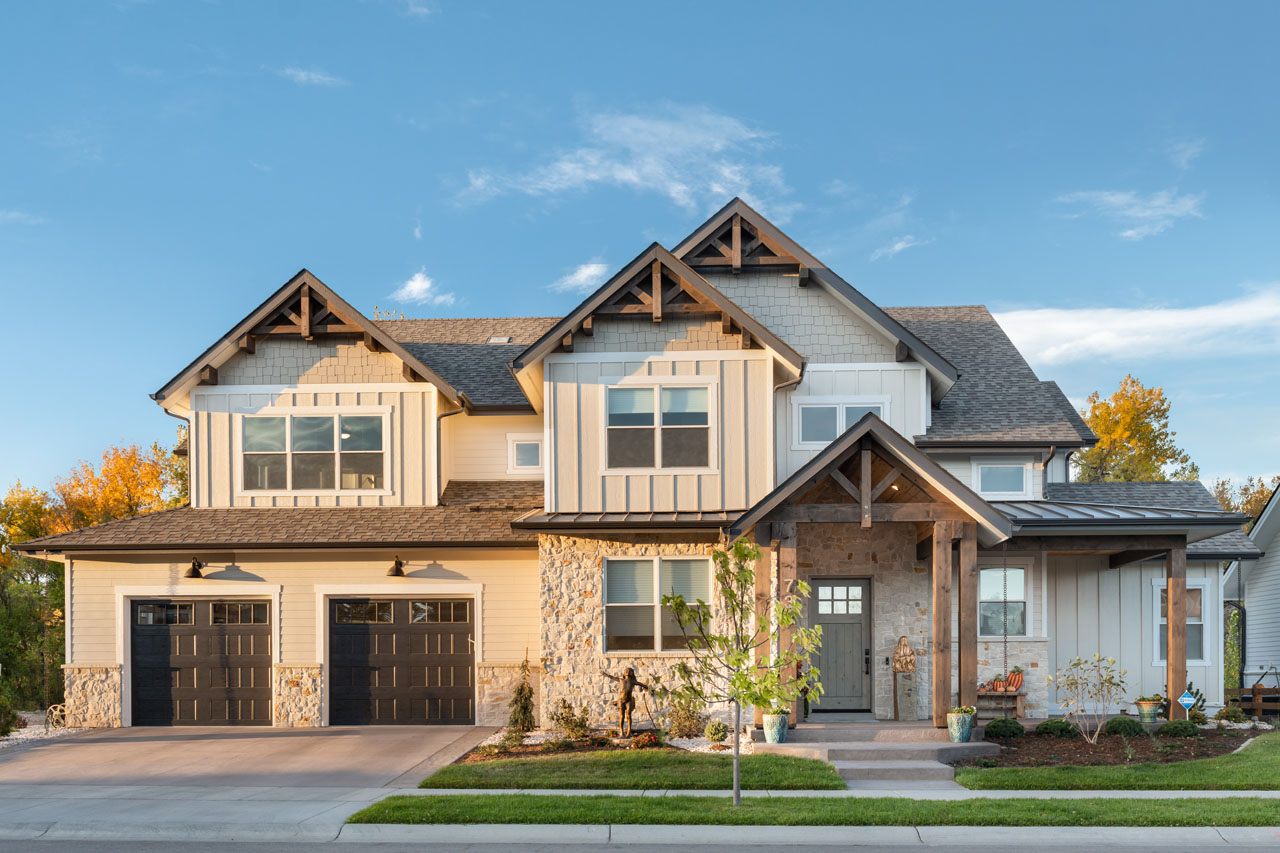
Four walls and a roof are rarely just balance sheet equity. Across the country, the structural divergence of residential real estate has turned the concept of home into the primary driver of physical longevity, psychological stability, and social mobility. At one end of the spectrum, buyers compete for historic country estates that promise food security, privacy, and self-sustaining energy systems. At the other, vulnerable individuals rely on transitional sanctuaries like Life House and Laurel House for basic survival.
The divide deepens as local housing stock stalls. A mid-2026 lilifepolitics.com Report reveals that new listings and active inventory trajectories across suburban enclaves like Long Island have detached completely from broader statewide trends. While New York State saw aggregate listing upticks of 4.2% heading into the summer cycle, Long Island inventory dropped another 6.8%, locking prospective families out of entry-level single-family neighborhoods. Where you land across this housing landscape dictates far more than your net worth; it determines your day-to-day existence.
📌 Key Takeaways:
- Inventory Stagnation: Suburban inventory bottlenecks persist in 2026, creating sharp micro-market divergences where localized home supplies fall despite regional state rebounds.
- Shelter as Public Health: Transitional and supportive housing models like Life House and Laurel House demonstrate measurable reductions in county emergency costs by treating housing as primary healthcare.
- The Spatial Rebalance: High-net-worth buyers are prioritizing self-reliant, sustainable rural acreage, while urban centers re-engineer commercial towers into dense, communal residential footprints.
Regional Inventory Splits and the Pressured Middle Class
Suburban markets have hit an impasse. In established bedroom communities, move-up buyers refuse to surrender legacy mortgages locked in below 4% during the early 2020s. This inventory lock-in restricts the natural circulation of properties. Entry-level buyers find themselves competing for a dwindling pool of fixer-uppers, driving sale prices above appraised values even amid fluctuating mortgage rates.
Statewide housing data often masks these granular bottlenecks. While high-volume regional centers experience moderate listing increases from new multifamily construction, single-family suburbs face sustained gridlock. The result is a widening housing affordability index gap. Median household income growth has crawled at 2.8% annually, while median single-family home prices across suburban transit corridors have surged past $640,000. Middle-income buyers, particularly young families and essential municipal workers, are pushed toward outer commuter bands, absorbing longer transit times and higher indirect living expenses.
The psychological toll on families caught in bidding wars is documented in civic surveys across Nassau, Suffolk, and Westchester counties. Over 61% of respondents under age 40 report feeling "permanently sidelined" from traditional neighborhoods. This persistent exclusion has reshuffled family planning, delayed retirement timelines, and forced multi-generational co-habitation into the default living arrangement rather than a temporary fix.
Historic Country Estates: The Shift Toward Generational Autonomy
At the upper tier of the property market, consumer priorities have inverted. High-net-worth households are no longer viewing historic country estates solely as luxury status symbols. Instead, these properties are treated as strategic refuges that safeguard family well-being against resource volatility, climate stress, and urban congestion.
Estates across the Hudson Valley, the Berkshires, and northern Virginia are seeing heavy capital allocations toward modern self-sufficiency. Buyers invest tens of thousands into geothermal retrofits, microgrid battery storage, and regenerative farming acreage. The appeal lies in autonomy. Preserving an 18th- or 19th-century timber-frame manor now goes hand in hand with installing commercial-grade water filtration and gigabit satellite infrastructure.
This luxury pivot has generated friction with local rural workforces. As capital flows into rural acreage, local property assessments climb. Longtime agricultural families find property tax assessments pricing them out of generational farmland. While municipal tax bases benefit from real estate transfer taxes, the everyday ecosystem, from rural school staffing to small-town commercial rentals, struggles under the weight of accelerated real estate gentrification.
Supportive Housing Models: The Vital Human Anchor
Shelter functions fundamentally as a foundation for basic human dignity. Without a secure, predictable physical environment, sustained mental health recovery, addiction rehabilitation, and career rehabilitation remain impossible. This reality forms the backbone of supportive housing facilities across North America.
Organizations such as Life House and Laurel House demonstrate the vital bridge between acute crisis intervention and permanent community re-integration. Laurel House, known for its work assisting individuals coping with severe mental health conditions, approaches residential housing as clinical care. Residents are not merely provided a bed; they access case management, vocational counseling, and peer support under one roof. Similarly, programs operating under the Life House banner offer safe havens for unhoused youth and domestic violence survivors, shielding individuals from street-level exploitation.
Case workers in these facilities emphasize that supportive housing breaks costly municipal feedback loops. When vulnerable citizens receive stable transitional housing, municipal expenditures for emergency room visits, psychiatric holds, and county jail detentions plummet by over 40% per individual annually. Residential living standards inside supportive facilities act as an engine of human reconstruction, providing the physical safety necessary for residents to rebuild their lives.

Mapping Residential Real Estate Dynamics in 2026
Understanding modern housing requires examining the distinct segments of the property market. The following structural comparison outlines inventory mechanics, demographic pressures, and average operational dynamics across four critical living tiers:
| Living Tier | Core Demographic Driver | Inventory Availability (2026) | Capital / Funding Structure |
|---|---|---|---|
| Heritage Country Estates | High-net-worth wealth preservation, privacy, and self-reliance | Extremely constrained; 1.5, 2.5 months supply | Private equity, cash sales, private banking jumbo loans |
| Suburban Single-Family | Growing families seeking public school districts and yard space | Severely restricted; down 6.8% YoY in prime suburbs | Conforming mortgage products, intergenerational down-payment gifts |
| Urban Multifamily Units | Young professionals, downsizers wanting walkability and transit access | Moderate recovery; up 3.5%, 5.0% from office conversions | Institutional REIT holdings, tenant rental leases, condo boards |
| Supportive & Transitional Shelters | Individuals recovering from trauma, addiction, or chronic homelessness | Critical deficit; waitlists average 6, 18 months | HUD vouchers, municipal grants, non-profit donor endowments |
Urban Density Against Suburban Isolation
The debate over where to live has evolved beyond simple square-footage math. Urban centers are adapting to lingering commercial office vacancies by subsidizing residential adaptive-reuse developments. These conversions transform mid-century office towers into mixed-income residential hubs. For young professionals and retirees, the appeal of urban density rests in proximity: walkable grocery access, mass transit, cultural venues, and reduced car dependency.
Yet high-density urban living introduces its own strains on everyday life. Acoustic pollution, limited green canopy coverage, and elevated square-foot costs present ongoing challenges. For families with young children, urban living often feels like an exhausting exercise in logistics, particularly when public school capacity fails to keep pace with residential re-zoning.
Suburbs continue to advertise open green yards, lower crime rates, and stronger school districts, but those benefits come with car dependence and social fragmentation. Studies tracking social isolation show that suburban residents spend an average of 78 minutes per day isolated inside passenger vehicles. Long daily commutes cut into dinner tables, youth coaching, and neighborhood volunteer efforts. What suburbanites gain in private interior space, they often pay for in civic disconnection.
Evaluating the Practical Trade-Offs
Deciding where and how to live involves competing financial, spatial, and personal calculations:
Profiles Well-Suited for High-Density Urban Living
- Single professionals and dual-income couples without children who place a high premium on transit convenience, civic cultural events, and walking access to employment.
- Downsizing retirees seeking single-level elevator buildings, direct access to specialized medical networks, and complete freedom from structural exterior maintenance.
Profiles Well-Suited for Suburban Single-Family Living
- Families prioritizing private yard space, high-ranking regional school districts, and multi-bedroom footprints capable of housing remote work setups alongside growing children.
- Buyers willing to trade extended vehicular commute times and higher annual property tax burdens for community stability and local youth sports programs.
Structural Warning Signs to Watch
- High Association Fees: Aging condo and suburban HOA boards facing deferred capital improvements, rising flood insurance costs, and unexpected roof assessments.
- Overleveraged Fixer-Ups: Entry-level homes requiring structural or electrical upgrades that can quickly overwhelm new buyers facing high contractor and material costs.
- Thin Municipal Infrastructure: Exurban areas lacking municipal water and sewer connections, where private septic failures cost between $20,000 and $45,000 to remediate.
Frequently Asked Questions (FAQ)
Q1: How does residential stability directly affect health outcomes?
A1: Decades of epidemiological data demonstrate that secure, high-quality housing lowers baseline cortisol levels, mitigates childhood asthma rates linked to mold and particulate exposure, and drastically reduces chronic depression. Without residential stability, preventative healthcare routines regularly break down.
Q2: Why are suburban inventory levels staying historically low?
A2: The "golden handcuffs" of low legacy interest rates keep homeowners from selling. A family that financed a home at 3.2% faces vastly higher monthly payments if they trade into a new home at prevailing rates, eliminating normal housing turnover.
Q3: How do supportive housing havens like Laurel House and Life House secure sustained funding?
A3: These facilities typically assemble capital stacks combining federal Low-Income Housing Tax Credits (LIHTC), state behavioral health budgets, municipal emergency housing vouchers, and private philanthropic grants. This blended funding helps insulate them from single-source budget cuts.
Q4: What is driving the price premium for heritage country estates?
A4: Beyond historical prestige, wealthy buyers value expansive land buffers, private water rights, mature agricultural capabilities, and the capacity to install independent power grids. These features provide long-term isolation from volatile urban utilities.
The Road Ahead for Modern Housing
Housing policies are beginning to treat living arrangements as critical public infrastructure rather than purely speculative financial assets. Across states grappling with structural housing shortages, zoning reform is slowly replacing rigid single-family mandates with flexible accessory dwelling unit (ADU) laws and transit-oriented development rules.
At the community level, non-profit operators continue to prove that investing in supportive housing infrastructure saves public money over time. Programs that offer dignified shelter, clinical resources, and career pathways create long-term social value, converting acute municipal burdens into stable, contributing community members.
Whether on a multi-acre historic farmstead, in a suburban ranch, or within a supportive transitional room, your home dictates how you experience life. As supply trends diverge through the late 2020s, ensuring that housing remains accessible across all income tiers stands as the central civic challenge of the decade.
