From Hit Songs to Shaming: The Real Meaning of 'Bop' on Social Media

For decades, the word "bop" lived comfortably in the vernacular of popular music. It signaled a lively, infectious track that forced your head to nod during an afternoon commute. Over the past twenty-four months, however, secondary school hallways and algorithmic video feeds turned that lighthearted syllable into something far sharper. A troubling linguistic shift caught educators and families off guard when students began deploying the term not as musical praise, but as an aggressive, misogynistic slur.
The pivot occurred rapidly across social platforms, prompting child welfare specialists and classroom teachers to issue direct warnings. According to reporting highlighted by the Parents Report, being labeled with this particular strain of Gen Z internet slang carries profound psychological weight for adolescent girls, functioning as an engine of targeted social media shaming cloaked in casual playground lingo.
📌 Key Takeaways:
- The Definition Split: While casual music fans still celebrate an infectious radio single as a "bop," teenage subcultures increasingly deploy the word as a derogatory synonym for promiscuity.
- Schoolyard Weaponization: Algorithmic networks like TikTok, Snapchat, and Instagram amplify "bop lists" and call-out clips, converting digital gossip into persistent cyberbullying.
- Tragic Extremes: The slang took a grotesque turn in mid-2026 through the "Austin Bop" controversy, where online factions set dances and mockery against the backdrop of real-world youth homicide.
- Action for Guardians: Decoding teen vernacular requires looking past surface novelty to spot the harassment patterns, emotional withdrawal, and reputational attacks impacting young people.
The Musical Roots: How Rhythm Defined the Original Phrase
The term originated deep within twentieth-century American jazz. In the 1940s, innovators like Charlie Parker, Dizzy Gillespie, and Thelonious Monk pioneered bebop, an intricate style characterized by fast tempos, complex chord progressions, and virtuoso improvisation. Over time, musicians shortened the phrase to "bop," using it as both a noun to describe the genre and an active verb meaning to move or dance with carefree confidence.
By the mid-2010s, mainstream internet culture revived the word with great affection. On music forums, Tumblr threads, and stan Twitter, fans began declaring standout singles an undisputed "bop." If Dua Lipa or Carly Rae Jepsen dropped a synth-pop record with an irresistible hook, listeners cheered the release as an effortless banger. The label carried zero malice. It meant pure, accessible, rhythmic joy that anyone could dance to.
That benign usage remains common among adults, music critics, and general radio audiences. When an older sibling or casual streamer calls a new track a bop, they mean exactly what jazz musicians meant decades ago: the groove works, the rhythm connects, and the energy lifts the room.
The Algorithmic Fracture: Schoolyards Turn Slang into a Slur
The word took a dark turn around late 2023, migrating from innocent music discussions into school locker rooms and short-form video comment sections. Middle and high school students began using "bop" as coded shorthand for a sexually active, promiscuous, or attention-seeking girl. The label serves as a modern replacement for older derogatory slurs like "thot," "skank," or "slut."
Urban Dictionary entries and classroom incident reports tracked this quiet reinvention. As documented by HuffPost UK in their spring 2026 investigation into schoolyard language trends, teachers across British and North American campuses observed boys casually tossing the word at female peers in corridors. What seemed like playful slang to an uninformed adult listener functioned as explicit slut-shaming among teenagers. The casual brevity of the word gave it an insidious stealth advantage.
Online, the degradation gathered momentum through crowdsourced humiliation. TikTok users started publishing "bop tests," scrolling through a girl's social following or outfit choices to determine if she fit the stereotype. If a teenager posted a selfie in activewear or danced to a trending audio track, comment sections filled with thousands of one-word judgments: "Bop."
Tracking the Linguistic Split Across Eras
Understanding how a harmless praise word became a vehicle for cyberbullying requires mapping its chronological shifts. The meaning of the syllable depends entirely on the demographic using it and the platform hosting the conversation.
| Era & Cultural Wave | Primary Definition | Primary Medium | Underlying Social Intent |
|---|---|---|---|
| 1940s, 1950s(Bebop Movement) | Fast-tempo, harmonically advanced jazz music. | Live jazz clubs, vinyl pressings, radio shows. | Creative artistic admiration among musicians and aficionados. |
| 2012, 2022(Internet Stan Era) | An undeniably catchy, danceable pop song or radio single. | Music blogs, Stan Twitter, Spotify playlists. | Enthusiastic fandom, celebratory engagement, positive curation. |
| 2023, 2026(TikTok Youth Slang) | Derogatory label for girls deemed promiscuous or flaunting their bodies. | TikTok comments, Snapchat stories, high school hallways. | Misogynistic peer policing, digital shaming, exclusionary abuse. |
| Mid-2026(Viral Faction Trends) | Choreographed dances reenacting or trivializing fatal street violence. | Algorithmic audio memes, drill music mashups, anonymous fan pages. | Extreme sensationalism, tribal trolling, weaponized juvenile shock humor. |
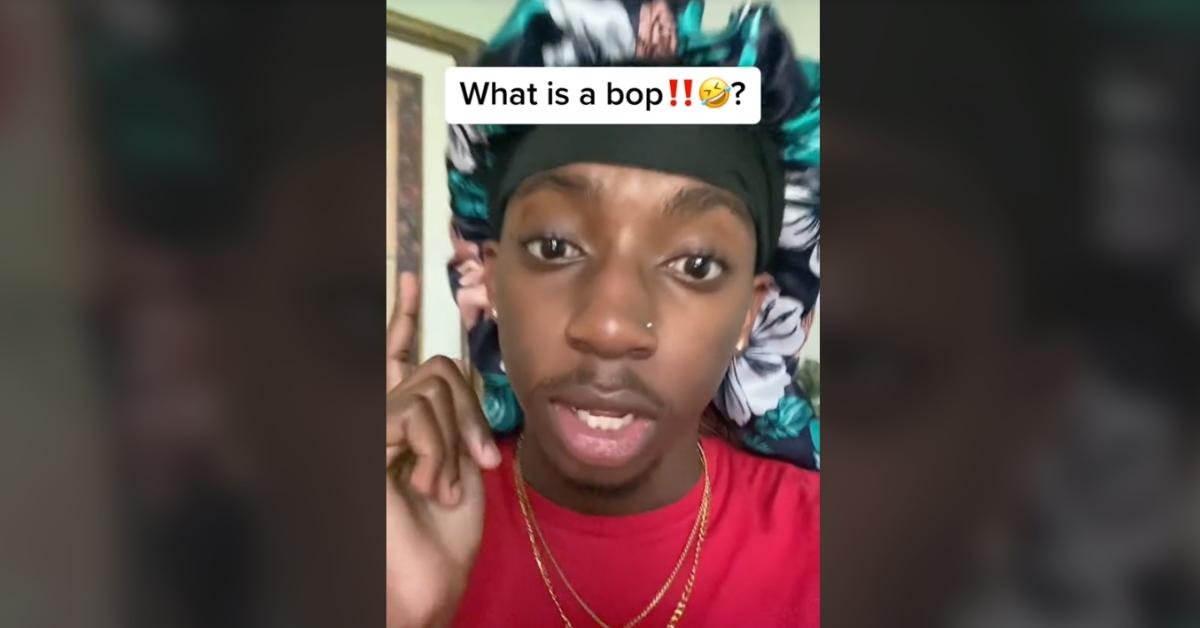
The Grim Extreme: The 'Austin Bop' Controversy
The transformation of "bop" reached an appalling low point in June 2026. Online drama escalated into public outrage when the term crossed into viral true-crime voyeurism. As covered in detail by the Hindustan Times, a grotesque micro-trend known as the "Austin Bop" swept across certain corners of TikTok.
The controversy stemmed from the tragic real-world murder of Austin Metcalf, an incident tied to supporters of Karmelo Anthony. Rather than treating the tragedy with basic decency, dozens of anonymous accounts created choreographed dance routines that actively reenacted the killing to syncopated beats. Users packaged these performances under the tag "Austin Bop."
This horrifying trend exposed the worst dynamics of modern algorithmic platforms. When words and physical dances decouple from empathy, violence becomes pure entertainment. The trend commodified human grief, turning a murder case into an engagement loop. Platform moderation teams raced to scrub the audio tags and suspend linked accounts, but the episode illustrated how quickly digital slang mutates into ruthless cruelty.
Digital Receipts and Shaming: How Algorithms Weaponize Gossip
Teenagers no longer whisper rumors behind the gymnasium bleachers; they post them in 4K resolution. The modern weaponization of the label depends on digital receipts, carefully edited screenshots, private FaceTime snippets, and screen recordings designed to systematically dismantle a peer's reputation.
A typical harassment loop begins when an anonymous account uploads a "Town Bops" or "School Bops" slideshow. These posts feature photos of unsuspecting female students alongside disparaging captions. Algorithmic engagement rewards this cruelty. Every angry comment, defensive reply, and terrified share sends positive engagement signals to the recommendation engine, pushing the clip onto the FYP feeds of thousands of classmates.
For the victims, the fallout is devastating. The permanence of social media means the label follows them into study halls, sports teams, and college applications. Adolescent mental health counselors report sharp spikes in anxiety, school avoidance, and depressive episodes tied directly to these digital call-out campaigns. The speed of digital distribution makes traditional parental intervention difficult.
Guiding Teens Past the Traps of Cyber Shaming
Protecting young people from this verbal ecosystem requires active vigilance from parents, counselors, and educators. Relying strictly on automated content filters fails because teenagers deliberately use evolving euphemisms to evade algorithmic triggers. "Bop" slips right through conventional parental monitoring software because it doubles as a harmless music term.
Parents should listen closely to how their teenagers talk about classmates. If a son or daughter refers to someone at school as a "bop," it presents an urgent teaching opportunity. Ask what they mean by the word. Push past the dismissive claim that "it's just a joke everyone makes." Remind them that using coded words to attack a person's dignity constitutes active cyberbullying, regardless of whether a sound bite makes it feel lighthearted.
For teenagers on the receiving end of these labels, adults must act decisively. Document the posts immediately through screenshots that preserve timestamps and account handles, rather than demanding the child delete their accounts in panic. Involve school administrators and youth support coordinators right away. Most importantly, remind targeted teens that an algorithmic smear campaign reflects the moral bankruptcy of the bullies, not their personal worth.
Frequently Asked Questions (FAQ)
Q1: Why did teenagers start using "bop" as an insult instead of a music compliment?
A1: Internet culture constantly repurposes short, catchy syllables. Over the last two years, youth subcultures adopted "bop" as an evasive slur for female peers perceived as promiscuous, allowing them to bypass platform automated moderation filters that flag traditional profanity.
Q2: What should I do if my child's photo appears on a "bop list" account?
A2: First, take clear screenshots and screen recordings showing the username, account URL, and exact comments. Do not reply or comment directly on the post. Report the video for targeted harassment using the platform's reporting tools, and present the evidence to school administrators or local authorities if it involves minors.
Q3: Is the phrase "this song is a bop" still safe to use in casual conversation?
A3: Yes. In adult environments, music reviews, and everyday cultural discussions, calling a song a "bop" remains a positive and harmless endorsement of an upbeat, catchy melody. Context and demographic context dictate its meaning.
Guiding Young Voices Past the Algorithmic Echo Chamber
Slang has always served as a generational boundary. Every era invents coded phrases to baffle parents, mark belonging, and carve out independent social territories. Yet the shift of "bop" from an energetic musical salute into a humiliating schoolyard slur highlights an ongoing vulnerability in modern digital interactions.
When algorithms prioritize engagement over human welfare, mockery scales faster than empathy. Combating this behavior requires continuous digital literacy, open domestic conversations, and holding platforms accountable for the viral harassment they host. Words carry power. In the lives of young people navigating identity, an innocent-sounding syllable can either celebrate a shared melody or leave deep emotional scars.
