From Slopes Collision to Courtroom: The Timeline of the Snowboarder Eye-Displacement Lawsuit
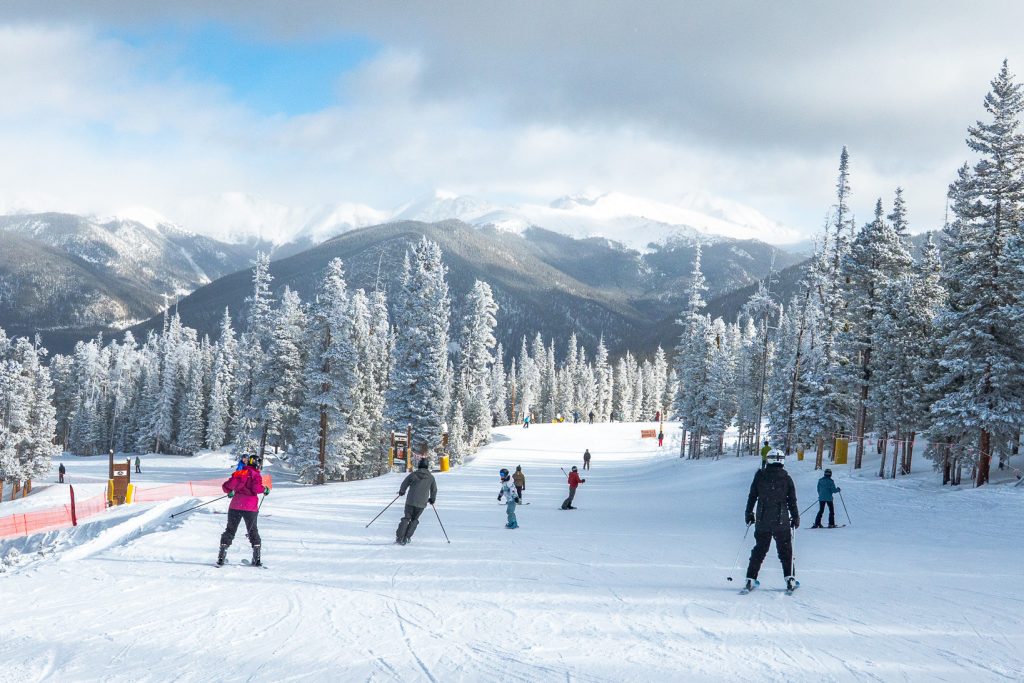
On February 24, 2024, a routine descent across the terrain of Keystone Resort culminated in a horrific medical emergency. A California snowboarder suffered severe facial trauma that dislodged his left eyeball entirely from its bony orbit. Two years later, the catastrophic injury moved into Colorado state court as the rider filed a sweeping personal injury complaint in late February 2026.
As detailed in a recent Summit County Report, the civil action targets a Westminster outdoor gear store owned by Vail Resorts alongside more than a dozen corporate entities connected to eyewear and apparel giant Oakley. The filing alleges critical equipment failures, charging that gear marketed to shield riders from blunt force instead amplified kinetic impact into a life-altering ocular trauma.
📌 Key Takeaways:
- The Incident: A California snowboarder sustained complete globe luxation after a violent impact during a February 2024 descent at Keystone Resort.
- The Legal Action: Filed in February 2026, the complaint targets Oakley entities and a Vail Resorts-owned Westminster retail outlet, alleging sports equipment negligence and defective design.
- Clinical Context: Traumatic eye displacement remains exceptionally rare in adult humans, sharing anatomical parallels with high-impact veterinary proptosis cases and challenging modern goggle safety thresholds.
The February 2024 Keystone Slope Collision
The morning of February 24, 2024, began with typical mid-season conditions at Keystone Resort. The plaintiff, an experienced snowboarder visiting from California, was carving across standard resort terrain when an uncontrolled wipeout launched him forward at high speed. The kinetic energy of the crash focused directly into his upper face and orbital bones.
Responders from ski patrol reached the scene within minutes, finding the rider conscious but in acute physical shock. The force of the impact had driven his eyewear into the orbital cavity, displacing the globe forward past the palpebral fissure. On-site medics stabilized his head and administered emergency analgesics before arranging immediate transport to a regional trauma center.
Surgical teams performed an emergency intervention to relieve intraorbital pressure and preserve the optic nerve. While reconstructive surgeons repositioned the globe, the plaintiff sustained extensive tissue tearing, permanent damage to the extraocular muscles, and profound vision loss. The recovery demanded multiple revision surgeries spanning 2024 and 2025.
Traumatic Globe Luxation: How Eyes Pop Out Under Impact
Complete ocular globe luxation, where the entire eyeball is forced out of the orbital socket, is among the rarest presentations in human emergency medicine. The human eye is naturally shielded by a thick rim of frontal, zygomatic, and maxillary bones. Displacement requires either a massive surge in retrobulbar pressure or a localized object acting as a fulcrum to pry the globe past the eyelids.
Emergency ophthalmologists frequently contrast human ocular resilience with veterinary medicine. In domestic animals like dogs and cats, shallow orbital rims make traumatic eye proptosis a frequent clinical event after car accidents or bite wounds. In brachycephalic canine breeds, even mild blunt force can displace the globe because their orbits lack deep lateral walls. Human skulls, by contrast, possess deep, conical sockets designed specifically to absorb direct strikes.
For an adult human to suffer traumatic globe luxation without fatal cranial crushing, kinetic force must bypass the protective brow ridge. Medical experts analyzing the Keystone crash point toward localized pressure. If a rigid goggle frame warps, snaps, or buckles backward under load, its structural edges can exert inward and lateral shear forces directly against the soft tissue of the eye, converting forward velocity into hydraulic displacement.
The Legal Docket: Vail Resorts, Oakley, and the Westminster Store
The lawsuit entered the Colorado court system just days before the two-year personal injury statute of limitations expired in late February 2026. Rather than focusing solely on resort premises liability, the complaint constructs a comprehensive product liability case spanning design, distribution, and retail sales.
At the center of the retail claim sits a specialty outdoor gear store located in Westminster, Colorado, operated under the retail umbrella of Vail Resorts. The lawsuit argues that the Westminster shop sold the protective eyewear without providing sufficient warnings regarding high-velocity impact limits. By establishing a direct chain of custody from manufacturer to retailer, the complaint brings both corporate entities into joint exposure.
The claims against Oakley and its parent conglomerates allege strict product liability, sports equipment negligence, and breach of implied warranty. Attorneys for the injured rider argue that snow goggles must withstand foreseeable falls onto packed snow and ice. If a frame fractures or collapses inward rather than dispersing force laterally across the forehead and cheekbones, the plaintiff argues, the equipment presents a manufacturing defect.

Timeline of the Keystone Collision and Legal Fallout
The path from the Keystone slope collision to the courtroom spans two years of surgical stabilization, engineering assessments, and corporate discovery.
| Timeframe | Event & Procedural Action | Clinical & Legal Significance |
|---|---|---|
| Feb 24, 2024 | High-velocity crash at Keystone Resort | Severe facial trauma and immediate globe luxation; emergency airlift to trauma surgical unit. |
| Spring, Winter 2024 | Ophthalmic reconstructive surgeries | Surgeons stabilize the left orbital cavity; plaintiff sustains permanent vision deficit and muscular scarring. |
| 2025 | Biomechanical & materials failure analysis | Independent labs inspect the goggle frame deformation, buckle failure, and thermal brittleness. |
| Feb 26, 28, 2026 | Personal injury complaint filed in Colorado | Lawsuit formally names Vail Resorts-owned Westminster retailer and Oakley manufacturing entities. |
Equipment Failure Claims and the Mechanics of Goggle Safety
Snowboard goggles serve a dual purpose: optical clarity and mechanical shielding. Modern winter sports standards, including ASTM F659 and ANSI Z87.1 benchmarks, dictate that protective eyewear must absorb blunt impacts without shattering into hazardous shards or deflecting sharply into the facial structure.
The plaintiff's legal team contends that the goggle model in question exhibited ski equipment safety defects under freezing temperatures. Thermoplastic polyurethane (TPU) frames are engineered to remain flexible in sub-zero alpine climates. When materials engineering fails, low temperatures can render polymer blends brittle, reducing their ability to deform safely under sudden pressure.
The lawsuit asserts that the frame collapsed inward upon impact instead of transferring force to the rider's helmet rim and cheekbones. The displaced structural rim entered the inner eye socket, levering the eye outward. Demonstrating that an alternative, safer design was feasible and commercially available at the time of manufacture will form the core technical battleground during expert depositions.
Ski Slope Waivers Versus Strict Product Liability
Lawsuits stemming from ski resort incidents face formidable legal barriers. In Colorado, the Ski Safety Act of 1979 and standard lift ticket liability waivers strictly limit a skier's ability to sue resort operators for inherent risks of the sport, such as variations in terrain, snow conditions, or typical wipeouts.
The plaintiff's strategy bypasses these traditional resort liability shields by targeting the supply chain rather than mountain operations. A ski pass release protects a resort operator from claims regarding trail conditions, but it does not immunize retail stores from selling allegedly defective equipment. By suing the Westminster retail store as an independent merchant under product liability doctrines, the lawsuit pierces the typical waiver barrier.
The defense is expected to argue comparative negligence, asserting that the extreme velocity of the fall exceeded reasonable manufacturing thresholds. Equipment makers maintain that protective gear cannot prevent catastrophic trauma under every high-energy scenario. The legal dispute will ultimately hinge on whether the goggle mitigated the crash force or directly worsened the injury.
Frequently Asked Questions (FAQ)
Q1: What medical condition causes an eye to pop out of its socket?
A1: The clinical term is traumatic globe luxation (or severe proptosis), occurring when direct impact or extreme intraorbital pressure forces the eyeball forward past the eyelids. It is an emergency condition requiring urgent surgical intervention to prevent permanent vision loss or optic nerve avulsion.
Q2: Why is a Vail Resorts-owned retailer named in the lawsuit alongside Oakley?
A2: Under product liability law, every entity in the commercial distribution chain, from the manufacturer to the retail seller, can be held liable for distributing a defective product. The Westminster store sold the equipment to the consumer, making it a critical party in the negligence complaint.
Q3: How do ski resort liability waivers impact this lawsuit?
A3: Standard ski pass waivers release resorts from injuries caused by the inherent risks of skiing, such as ice or tree collisions. They do not, however, shield product manufacturers or independent equipment retailers from claims involving defective merchandise and manufacturing failures.
Accountability and Equipment Standards on the Slopes
The Keystone snowboarder lawsuit shines an uncomfortable light on the real-world performance limits of personal protective equipment. While winter sports gear has grown lighter, sleeker, and more optically advanced over the past decade, catastrophic accidents reveal the uncompromising physics governing high-speed impacts on packed snow.
As this case proceeds through Colorado state court, it will test the liability boundaries for both sporting goods retailers and multi-national gear manufacturers. For consumers, the litigation serves as a stark reminder that while protective gear substantially reduces surface trauma, human anatomy remains uniquely fragile against the unforgiving forces of high-alpine descents.
