From Viral Spectacle to Public Crisis: The Shift in How We Talk About Extreme Thinness
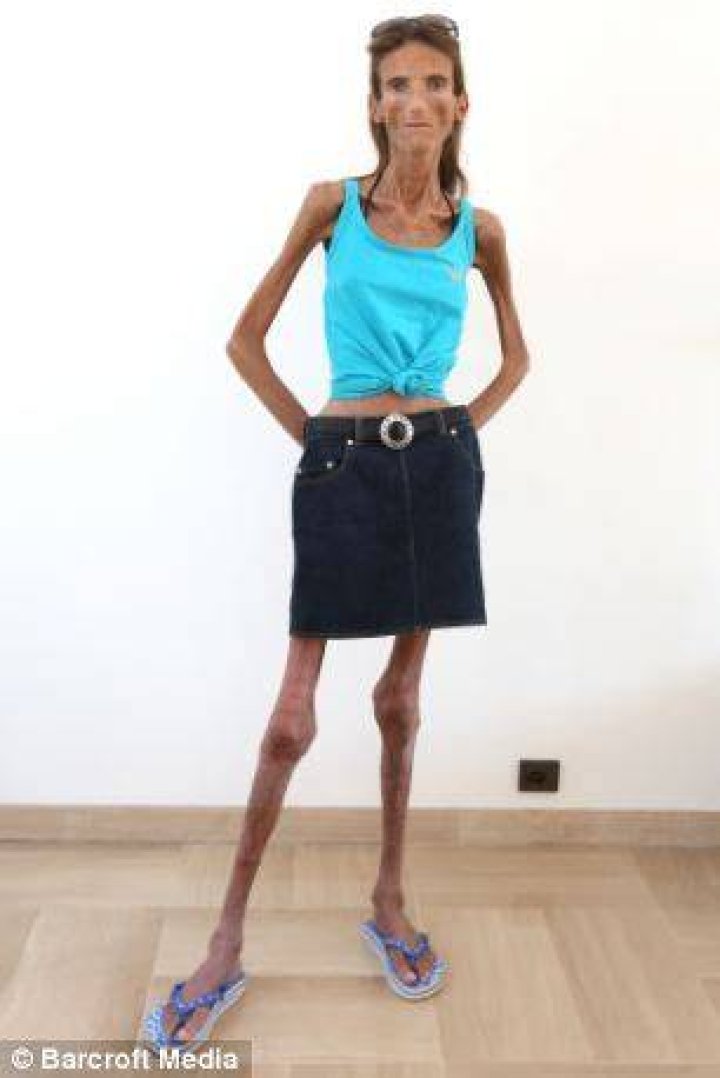
For more than two decades, search engines recorded millions of inquiries for "the world's skinniest person in the world." What began in early tabloid print migrated seamlessly into the early digital era, turning genuine human agony and rare genetic conditions into high-velocity clickbait. Algorithmic feeds routinely served up images of emaciated bodies alongside sensational headlines, stripping individuals of their humanity and reducing profound physical crises to digital side-shows. As reported by major international outlets examining digital culture, including recent investigations referenced by The Guardian Report, the way media platforms handle vulnerable bodies has finally faced an institutional reckoning.
Over the past eighteen months, that voyeuristic appetite met a wall of medical warnings, regulatory interventions, and personal testimonies from advocates. Medical professionals, survivors, and platform policy teams have worked to dismantle the architecture of competitive emaciation. The conversation no longer centers on morbid fascination. Instead, public attention has turned to the structural drivers of body dysmorphia, the genetic realities behind congenital wasting syndromes, and the ethical obligation to retire bodily exploitation as online entertainment.
📌 Key Takeaways:
- The Institutional Shift: Guinness World Records withdrew historic categories measuring lowest body weight decades ago to eliminate competitive starvation risks.
- Clinical Clarification: Public discourse now distinguishes between psychiatric conditions like severe anorexia nervosa and rare genetic disorders such as neonatal progeroid syndrome.
- The Regulatory Wave: Modern platform policy changes enforce severe content restrictions on competitive emaciation, reshaping malnutrition awareness worldwide.
From 19th-Century Carnivals to Early Internet Shock Sites
Human curiosity toward extreme physical outliers is not new. In the nineteenth century, traveling circuses featured "living skeletons" like Isaac W. Sprague, who toured with P.T. Barnum while suffering from what modern physicians believe was an aggressive form of muscular atrophy. Audiences paid admission to stare. Spectators rationalized their gaze through the lens of theatrical amusement, treating human medical tragedy as fair entertainment.
The dawn of the consumer internet scaled that carnival tent infinitely. During the early 2000s, unmoderated forums, file-sharing hubs, and video aggregators capitalized on extreme thinness for raw traffic metrics. Search queries spiked. Algorithms quickly discovered that images of severe physiological depletion commanded exceptionally high dwell times. A tragic feedback loop emerged: publishers profited from human suffering while individuals dealing with life-threatening illnesses found their images harvested without consent, republished on shock-content websites, and turned into cruel memes.
The Critical Line Between Genetic Conditions and Anorexia Nervosa
Public discourse long conflated two fundamentally different physiological experiences: severe psychiatric eating disorders and congenital adipose tissue disorders. The resulting confusion subjected individuals with incurable genetic mutations to unwarranted public scrutiny, while obscuring the clinical reality of chronic psychiatric malnutrition.
Neonatal progeroid syndrome, often referred to in medical literature as Marfanoid-progeroid-lipodystrophy syndrome, is a rare genetic condition caused by mutations in the FBN1 gene. Individuals with this syndrome cannot accumulate subcutaneous adipose tissue. Their bodies burn calories at an accelerated rate, leaving them physically unable to gain weight regardless of caloric intake. Lizzie Velasquez, who was born with the condition, was thrust into global public view at age seventeen when an anonymous user uploaded an eight-second video of her to YouTube, labeling her the "world’s ugliest woman." The video gathered over four million views before it was removed. Velasquez answered not by retreating, but by becoming an internationally recognized anti-bullying activist, clarifying the medical distinction between congenital lipodystrophy and voluntary starvation.
Severe anorexia nervosa presents an entirely different clinical mechanism. It is a severe psychiatric condition characterized by extreme food restriction, dysmorphic body perception, and the highest mortality rate of any mental illness. In cases involving an ultra-low body mass index, the body consumes its own muscle tissue, suppresses bone marrow function, and induces life-threatening electrolyte imbalances. The late Valeria Levitin, who lived with severe anorexia that reduced her weight to approximately 55 pounds, spent the final years of her life actively campaigning against pro-anorexia communities. She refused to let her body serve as an aesthetic goal. Before her death in 2013, she explicitly warned young women against pursuing physical reduction, stating that emaciation brought isolation, organ failure, and the destruction of personal autonomy rather than perfection.
Evolution of Public Media and Medical Consensus on Extreme Thinness
Official bodies recognized early on that documenting extreme physical deprivation carried dangerous real-world consequences. Guinness World Records explicitly ended all listings related to lowest adult body weight in the mid-1980s, establishing a permanent boundary against publicizing competitive physical wasting. The table below traces the systemic transformation across institutions over the past four decades.
| Time Period | Media & Public Posture | Institutional & Clinical Action |
|---|---|---|
| 1985, 1989 | Tabloid fascination with "record-breaking" emaciation; public appetite for human oddity coverage. | Guinness World Records officially closes human weight-loss categories to prevent life-threatening emulation. |
| 2004, 2014 | Proliferation of online shock-content blogs, "pro-ana" forums, and viral video ridicule of vulnerable individuals. | Medical registries identify genetic causes of congenital lipodystrophy; activists initiate digital anti-bullying campaigns. |
| 2015, 2023 | Mainstream shift away from tabloid body-shaming toward body neutrality and eating disorder awareness. | Social media networks introduce passive keyword blocks on eating disorder searches, directing users to clinical helplines. |
| 2024, 2026 | Rejection of sensational bodily voyeurism; prioritization of medical privacy and lived survivor experiences. | Algorithmic demotion of severe wasting imagery; national youth online safety laws mandate proactive content removal. |
How Online Platforms Dismantled Competitive Emaciation
The algorithms driving social platforms long treated physical shock value as an easy path to user engagement. When an account showcased severe emaciation, comments flooded in by the tens of thousands. Some viewers expressed horror, others offered hollow praise, and many engaged in cruel jokes. The recommendation engines simply registered strong user retention, pushing the material into thousands of secondary feeds.
That dynamic triggered intense regulatory pushback. Over the past two years, digital safety watchdogs and medical organizations presented platforms with unmistakable data: consuming imagery of severe wasting correlated directly with spikes in eating disorder relapses among adolescents. The response brought structural changes:
First, search terms linked to extreme emaciation, historic record claims, or unmonitored rapid weight decline now trigger automated medical referral dialogues. Instead of image galleries, users see direct links to verified resources like the National Eating Disorders Association (NEDA) or regional health authorities.
Second, safety guidelines updated algorithmic screening to detect content that normalizes or monetizes severe emaciation. Accounts that build audiences through competitive fasting or exhibiting skeletal physiology face rapid demonetization, reach reduction, and account termination. By removing the economic and reach incentives, platforms have largely neutralized the subculture that once turned physical suffering into a digital business model.
Shifting Malnutrition Awareness to Systemic Public Health
Retiring the search for human extremes allowed public health specialists to refocus attention on systemic malnutrition. For decades, the public believed that life-threatening malnutrition existed only in two narrow forms: extreme psychiatric disorders in wealthy countries or severe famine zones abroad. Epidemiological research tells a far more complicated story.
Chronic malnutrition quietly affects millions within modern healthcare systems, particularly among elderly patients, oncological cohorts, and individuals dealing with severe autoimmune gastrointestinal conditions like Crohn’s disease. In hospitals, clinical malnutrition often goes undetected because it manifests without theatrical, circus-style physical features. When patients lose lean muscle mass through metabolic cachexia, their vulnerability to surgical complications and sepsis skyrockets. Refocusing the cultural narrative from shock-value voyeurism to clinical reality has elevated metabolic research, nutrition screening protocols, and equitable medical intervention.
Frequently Asked Questions (FAQ)
Q1: Does Guinness World Records still track the lightest living person?
Guinness World Records ended all categories documenting the lowest human body weight in the mid-1980s. The organization recognized that maintaining such records actively encouraged competitive self-harm and starvation, which violated their core editorial guidelines regarding human safety.
Q2: What is the main medical cause behind neonatal progeroid syndrome?
Neonatal progeroid syndrome is caused by heterozygous mutations in the FBN1 gene, which affects fibrillin-1 production. This ultra-rare condition severely limits the body’s ability to develop adipose (fat) tissue and produce connective tissue, causing severe thinness and premature aging features from birth.
Q3: How do modern social media platforms handle content showing severe emaciation?
Major digital platforms enforce clear terms of service against the promotion, normalization, or glorification of severe eating disorders. Algorithmic systems suppress content that depicts competitive emaciation, demonetize accounts that exploit wasting conditions, and route related search queries to clinical support resources.
The Cultural Turn Toward Dignity and Privacy
The transition away from treating emaciated bodies as curiosities reflects a broader maturity in digital culture. Society has slowly begun to dismantle the instinct to convert physical suffering into casual entertainment. When a user today searches for historical cases of severe wasting, the returned results increasingly point toward clinical insights, medical advocacy, and stories of psychological recovery.
This shift honors the personal bravery of advocates like Lizzie Velasquez, who demanded that digital platforms see individuals for their intellect, character, and dignity rather than their physical differences. It also honors warnings left by figures like Valeria Levitin, whose tragic experience made plain the devastation of untreated psychiatric disease. Retiring the voyeuristic search for the world's most emaciated person marks a welcome, overdue return to medical decency.
