Fruit Love Island Controversy Timeline: From 100M TikTok Views to Complete Platform Collapse
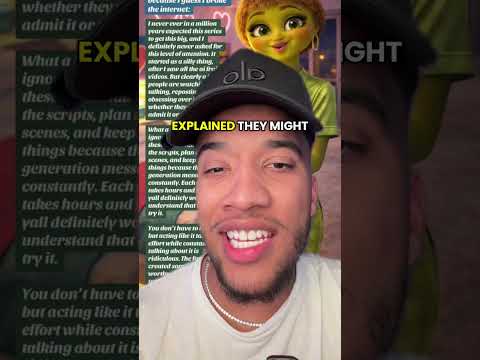
Late March 2026 brought one of the stranger platform spectacles of the year to mobile screens. An AI reality show parody starring hyper-realistic, melodramatic tropical fruit exploded across short-form video feeds, accumulating over 100 million views in weeks before unraveling in public acrimony. As detailed in a Fast Company Report, Fruit Love Island transformed from TikTok’s crowning example of AI cinema into an unmitigated operational disaster over seven turbulent days.
The saga ended with automated enforcement actions, missing uploads, and an infamous creator rage quit that left viewers debating the limits of synthetic entertainment. Between algorithmic copyright flags and an onslaught of internet mockery, the rise and abrupt erasure of Fruit Love Island exposed the structural fractures running through modern generative AI storytelling.
📌 Key Takeaways:
- The Trajectory: An absurd AI reality show parody gained tens of millions of views before crashing under platform takedowns and audience hostility within a single week.
- The Breaking Point: Automated TikTok content moderation strikes, coupled with algorithmic copyright flags, wiped out flagship episodes without clear human recourse.
- The Industry Reality: Synthetic media creators face compounding operational fragility, navigating hostile comment sections, automated bans, and rapid creator burnout.
The Surreal Rise of Hyper-Realistic Fruit Drama
Fruit Love Island was built on an undeniably sticky premise. Using modern generative video models, its anonymous creator dropped personified produce into the sun-drenched villa aesthetic of ITV’s reality juggernaut Love Island. Seductive pineapples accused dramatic papayas of infidelity. Tearful strawberries confessed their insecurities in synthetic, vocal-fried British accents.
By mid-March 2026, the series had become unavoidable. Viewers watched hyper-glossy, high-frame-rate fruit argue around fire pits, complete with camera zooms, dramatic lighting, and fake commercial breaks. Early episodes collected millions of impressions within hours of posting. It was trash television stripped down to raw visual nonsense, engineered specifically for micro-attention spans.
The aesthetic represented a step forward in AI cinema on TikTok. Unlike the rubbery, hallucinatory clips of previous years, Fruit Love Island possessed uncanny physical consistency. The characters maintained spatial logic across cuts. The vocal cloning was crisp. For roughly two weeks, the account sat at the center of algorithmic recommendation feeds, generating a massive audience that watched both ironically and out of genuine curiosity.
Mass Moderation Strikes and Algorithmic Copyright Flags
The honeymoon soured quickly. On March 26, 2026, the channel hit a brick wall. Multiple high-performing episodes abruptly vanished from the profile. Viewers attempting to replay the series’ most popular moments were met with blank screens and broken audio links.
Behind the scenes, automated TikTok content moderation systems triggered a cascade of strikes. Part of the vulnerability stemmed from sound design: background music and reality TV audio cues had collided with rights detection databases. More critically, platform scanners targeting unverified synthetic assets began tagging the accounts for repetitive, low-touch content and deceptive media practices.
The creator had no institutional safety net. Independent accounts operating in viral territory lack account managers or expedited appeals. Each strike placed the profile closer to outright platform termination, freezing view counts and stripping away monetization pipelines overnight.
Timeline: The Seven-Day Collapse of a Viral Sensation
The rapid deterioration of Fruit Love Island played out in real time between late March and early April 2026, marking one of the fastest rises and falls in generative video history.
| Date | Event & Incident | Operational Impact |
|---|---|---|
| March 24, 2026 | Inc. profiles the series as a viral sensation; viewership crosses 80M. | Peak algorithmic reach; widespread organic sharing across X and Reddit. |
| March 26, 27, 2026 | First wave of mass video takedowns; creator publishes heated complaint video. | Over 40% of catalog removed by TikTok moderation filters. |
| March 29, 2026 | Audience backlash accelerates; comment sections flood with anti-AI hostility. | Engagement ratios invert; negative comments outnumber supportive ones 4 to 1. |
| March 30, 2026 | Creator posts final rant, declaring an immediate rage quit. | Project formally abandoned; remaining clips set to private. |

The Creator Meltdown: "Bullying Works"
Technical friction with moderation queues was only half the problem. The human side of the production broke down under relentless cultural hostility. As mainstream outlets like USA Today began raising hard questions around synthetic media ethics, public perception shifted. What began as goofy escapism turned into an internet lightning rod.
Comment sections devolved into organized ridicule. Traditional digital artists, animators, and anti-AI communities flooded the comment feeds with coordinated derision, celebrating every takedown notice. On March 27, 2026, the creator broke character with a direct rant. Instead of whimsical tropical fruit, the account posted combative text cards and voiceovers attacking TikTok's arbitrary enforcement and condemning audiences for celebrating the destruction of weeks of prompt-engineering labor.
The internet responded with predictable venom. Memes declaring that "bullying works" swept through Reddit and X, mocking the creator for expecting sympathy while monetizing fully automated assets. By March 30, 2026, the pressure reached critical mass. The creator posted a bitter farewell message, deleted remaining assets, and walked away entirely. The swift exit served as a case study in AI video creator burnout.
The Broken Mechanics of Platform AI Cinema
The collapse of Fruit Love Island is not an isolated temper tantrum. It exposes systemic bottlenecks facing synthetic media on major social networks.
Generative workflows promise frictionless creation, but platform distribution remains high-friction. First, current moderation filters are ill-equipped to distinguish between creative synthetic fiction and low-value spam, resulting in indiscriminate automated strikes. Second, digital audiences show distinct fatigue toward non-human creators. While users readily consume short bursts of absurd AI clips, they rarely form the emotional loyalty required to shield an anonymous creator from platform hostility.
When things go wrong, an AI storyteller has no genuine community armor. They hold only a collection of text prompts and an algorithm that can shut them down in a fraction of a second.
Frequently Asked Questions (FAQ)
Q1: Why did TikTok take down Fruit Love Island videos?
The uploads triggered automated policy strikes, primarily driven by intellectual property flags on audio assets and platform filters detecting repetitive, unverified synthetic media.
Q2: Who created Fruit Love Island?
The series was produced by an anonymous digital creator using third-party generative video and synthetic voice models. The individual never disclosed their real identity before shuttering the project.
Q3: Will Fruit Love Island return on another platform?
The creator explicitly announced an indefinite hiatus following the March 30 exit, citing operational exhaustion, platform hostility, and lack of support from moderation desks.
What Lies Ahead for Synthetic Entertainment in 2026
The sudden demise of Fruit Love Island settles an important question for digital publishers. Raw technical novelty can easily secure 100 million impressions, but viral reach alone cannot sustain a media project without legal, infrastructural, and community foundations.
Platform operators continue tightening rules around generative media, while human audiences increasingly push back against frictionless video pipelines. Until production workflows integrate clear rights management and sustainable creator protection, viral AI series will remain fragile novelties: quick to ignite, impossible to protect, and gone just as fast.
