Heavy Metal Homage: How Deathcore Titans Brand of Sacrifice Turned Anime Lore into Brutal Art

Heavy Metal Homage: How Brand of Sacrifice Turned Dark Fantasy Lore into Brutal Art
When Toronto extreme metal heavyweights Brand of Sacrifice dropped their pulverizing dual singles "Seeing Red" and "This Place Wasn't Meant For Us," they re-anchored their brutal sonic identity directly inside the terrifying existential horror of late mangaka Kentaro Miura. As documented in a recent Kerrang! Report, the band’s technical assault channels the psychic agony of the manga's grim universe into razor-sharp, modern production. What began as an underground deathcore collective obsessing over Japanese graphic fiction has evolved into an international powerhouse pulling millions of global streams while translating literary trauma into physical sound.
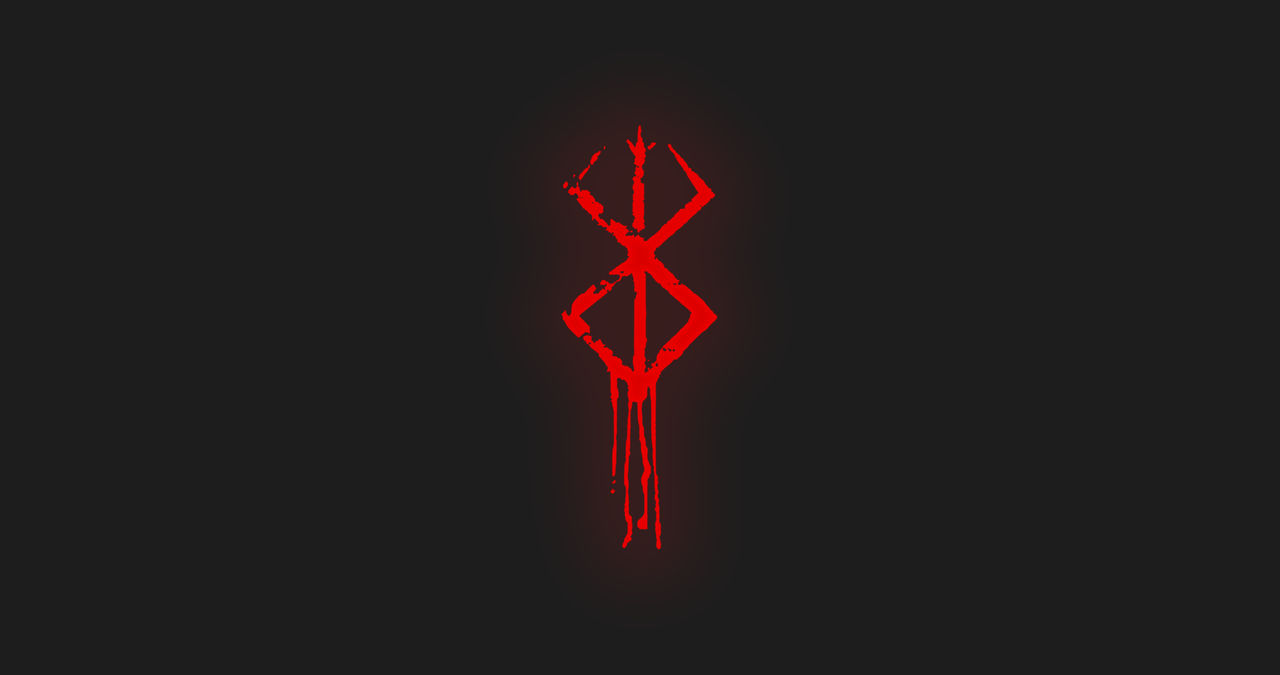
Miura’s masterwork, Berserk, centers on an indelible symbol: the Mark of the Sacrificed. In the comic's narrative, this runic brand condemns its bearer to dwell in the Interstice, a nightmarish liminal plane between the physical world and the astral abyss. For frontman Kyle Anderson and guitarist/producer Michael Leo Valeri, that symbol is far more than cool iconography stitched onto streetwear or tie-dyed tour merchandise. It serves as an operating system. By translating the psychological weight of the cursed brand meaning into downtuned, eight-string deathcore breakdowns, symphonic brass stabs, and choral synthesizers, the quintet transformed dark fantasy anime lore into heavy music's most visceral subgenre crossover.
📌 Key Takeaways:
- Sonic Translation: Brand of Sacrifice systematically maps Kentaro Miura’s Berserk lore, specifically the horrific Eclipse ritual and the God Hand demons, into technical deathcore compositions.
- Industrial Ambition: Releases like the Between Death and Dreams cycle and twin singles "Seeing Red" and "This Place Wasn’t Meant For Us" show the group fusing anime narrative arcs with multi-layered electronic orchestration.
- Subcultural Convergence: The band bridges hardcore pit culture and global manga fandom, turning niche graphic literature into sold-out international tours and high-end streetwear lines.
The Mark of the Sacrificed and the Bleeding Geometry of Kentaro Miura
To understand the band's sonic architecture, one must understand the geometry of Miura’s mythology. Introduced early in the Berserk serialization before receiving its horrific origin story during the Golden Age arc, the Brand of Sacrifice is an ancient brand burned into human flesh. The mark singles out mortals offered as tribute during the apocalyptic Eclipse ritual. When the ambitious mercenary commander Griffith triggers the crimson Behelit, he sacrifices his Band of the Falcon companions to ascend as Femto, the fifth member of the demonic God Hand.
The brand transforms survivors into permanent prey. It bleeds profusely whenever malicious astral entities draw near, serving as a metaphysical dinner bell for ghouls, spirits, and grotesque apostles.
For Guts the Black Swordsman and his lover Casca, living with the mark means permanent insomnia, perpetual combat, and total psychological isolation. They inhabit the Interstice, the thin membrane separating everyday reality from damnation. This state of constant, adrenalized dread provided Brand of Sacrifice with an exact sonic template. Instead of drawing from standard death metal tropes of cartoonish gore or serial crime, Anderson and Valeri recognized that Miura’s brand represented genuine existential despair. Surviving against omnipotent forces requires an overwhelming defense, a posture captured musically through suffocating rhythmic density, blast beats running north of 260 beats per minute, and pitch-shifted vocal gutturals.
Channeling the Eclipse: Translating Graphic Trauma into Deathcore Breakdowns
Converting visual pen-and-ink brutality into an audio master requires drastic technical adjustments. From their 2018 debut EP The Interstice through full-length albums like 2019's God Hand and 2021's Lifeblood, the group pioneered a distinct strain of manga-inspired metal. Where older metal acts might drop a quick audio sample or reference a character name in passing, Brand of Sacrifice builds entire compositions around narrative arcs from the page.
Tracks like "Eclipse," "Demon King," and "Prophecy" mimic the structural pacing of Miura's panels. The music builds through creeping, industrial synth patches before collapsing into punishing, syncopated slams. Anderson alternates between high-frequency shrieks and floor-shaking low growls, actively voicing both the victim screaming on the sacrificial altar and the looming apostle claiming flesh. Valeri layers these vocal dynamics with digital orchestration: cinematic percussion, choir pads, and pitch-glitched guitar sweeps that mirror the disorienting, cosmic dread of Miura's astral plane.
The result feels less like traditional five-piece metal and more like a high-budget film score violently collided with brutal slamming death metal. When the breakdowns hit, they mirror the kinetic force of Guts swinging his massive slab of iron, the Dragon Slayer, through demonic hordes.
Evolution of the Bleeding Brand: A Production and Lore Timeline
The band's path from a niche Toronto studio project to an arena-touring force tracks directly with their deepening sonic ambition. By contrasting their major output phases, we can see how their interpretation of Miura’s universe matured from raw, blistering technicality into expansive symphonic aggression.
| Release Era & Title | Primary Berserk Narrative Anchor | Signature Audio Innovations |
|---|---|---|
| The Interstice (2018 EP) | The borderland between physical existence and demonic planes; initial branding. | Raw, high-speed slam deathcore, frantic gravity blasts, early synth drops. |
| God Hand (2019 LP) | The demonic ruling council of the Eclipse; Griffith's monstrous ascension. | Tighter polyrhythms, dynamic vocal range, intro of atmospheric dark fantasy scoring. |
| Lifeblood (2021 LP) | Guts' crusade as the Black Swordsman; relentless survival despite psychic wounds. | Massive orchestral strings, operatic choir integrations, industrial EDM glitches. |
| Dual Singles (2026)("Seeing Red" / "This Place...") | The Berserker Armor consumption; complete mental fracture within hostile territory. | Hybrid nu-metal hooks, hyper-dense low-end frequencies, cinematic tension drops. |
From Underground Slams to Streetwear Empires
A critical factor separating Brand of Sacrifice from dozens of other tribute acts is their grasp of subcultural mechanics. As Revolver Magazine tracked across their investigative profiles into the band's growth, the group broke out of deathcore's standard, insular promotional patterns by adopting high-end merchandising frameworks native to the anime, manga, and streetwear ecosystems.
Heavy metal merchandise long leaned on identical black cotton t-shirts printed with illegible logos. Brand of Sacrifice threw that playbook away. Drawing from high-end Japanese apparel drops, they launched limited-edition capsule collections featuring intricate, licensed manga-style art, custom acid-wash cuts, and vibrant tie-dyed patterns. Drops routinely sell out in minutes, pulling in revenue numbers that rival legacy touring acts.
The commercial operation supports their creative independence. By owning their production pipelines and operating an in-house apparel design engine, the band funds studio-grade orchestral sessions, intricate music videos, and extensive international tours across North America, Europe, and Asia. In doing so, they forged an organic bridge between distinct subcultures: convention-going manga readers, digital audio production enthusiasts, and pit-hardened heavy metal diehards who might otherwise never cross paths.
The Berserker State: How Recent Singles Push Heavy Boundaries
With their current track pairing, "Seeing Red" and "This Place Wasn’t Meant For Us," the band entered a sharper, more ferocious phase. The sonic palette reflects Guts' bond with the Berserker Armor, a cursed artifact from the manga that numbs physical pain, binds shattered bones with interior spikes, and drives the wearer into blind, frenzied violence.
"Seeing Red" demonstrates this psychological state directly. The track pulls back slightly on technical sweep picking to prioritize crushing momentum and an unsettlingly hook-driven vocal cadence. It captures the tunnel vision of an adrenaline-flooded nervous system.
"This Place Wasn’t Meant For Us" immediately pivots in the opposite direction. It throws the listener into sonic hostility with skittering industrial glitching, frantic double-bass rolls, and cavernous breakdown drops. The song reflects the sheer horror of waking up in a reality built entirely for your extermination. Together, the singles prove the band’s songwriting maturity: they no longer simply describe the events of Miura's manga; they recreate its emotional toll on the listener.
Subverting Metal Tropes: Literary Fantasy Over Shock Value
For decades, extreme metal flirted with dark fantasy, but often stumbled into shallow parody. Bands pulled names from J.R.R. Tolkien, H.P. Lovecraft, or pulp fantasy without truly wrestling with the texts' deeper existential questions.
Brand of Sacrifice circumvents this pitfall because Berserk is fundamentally an interrogation of trauma, free will, and human stubbornness against uncaring cosmic systems. When Griffith sacrifices his friends, the horror stems from personal betrayal, not generic evil monsters. When Guts fights through hordes of demons, his survival is fueled by grief, love, and sheer refusal to yield to fate.
By pinning their songwriting to these core emotional anchors, Brand of Sacrifice elevates deathcore above routine sonic brutality. The relentless heaviness serves a clear purpose. The breakdowns reflect the crushing weight of destiny; the soaring choral arrangements embody false promises of transcendence; the throat-tearing vocals channel humanity's defiance when confronting monsters.
Frequently Asked Questions (FAQ)
Q1: What is the Mark of the Sacrificed in Kentaro Miura's Berserk?
A1: In the manga, it is an occult brand burned into human offerings during the Eclipse ritual. The mark condemns its bearers to the Interstice, drawing demonic spirits and apostles to hunt them relentlessly until their deaths.
Q2: Is the band Brand of Sacrifice officially affiliated with the Berserk estate?
A2: No. While the band draws direct thematic, conceptual, and lyrical inspiration from the manga, they operate as an independent musical entity paying homage to Kentaro Miura’s literary world through original songwriting and conceptual art.
Q3: How do they achieve their distinct orchestral deathcore sound?
A3: Producer and guitarist Michael Leo Valeri layers downtuned eight-string guitars and aggressive breakdowns with symphonic MIDI orchestrations, operatic vocal choirs, cinematic brass, and hyper-modern electronic production techniques, creating a dense wall of sound.
The Continuing Mark of Miura's Dark Fantasy
Kentaro Miura’s tragic passing in May 2021 left a monumental void in visual arts and literature. Yet the world he built across decades of tireless illustration continues to echo across global counterculture. Through artists like Brand of Sacrifice, Berserk found a new, thundering dimension outside the static page.
The band's rise proves that heavy music thrives when it embraces literary narrative. Instead of diluting their deathcore roots to chase mainstream radio trends, Brand of Sacrifice pushed further into extreme arrangements, technical production, and niche fantasy world-building. For the legions of fans packing venues to scream along under pulsing stage lights, the brand carved into the band’s imagery remains what it always was in Miura’s panels: a defiant battle cry against impossible odds, surviving in a world never built for human comfort.
