How a Formula 1 Livery Made the Alpha Wolf Meme Trend Again: Full Timeline of the Online Uproar
When Mercedes-AMG Petronas pulled the silk covers off its bespoke concept for the 2026 Japanese Grand Prix at Suzuka, team executives expected discussions about aerodynamic airflows, matte finishes, and trackside engineering. Instead, the design triggered an avalanche of howling pack imagery. Within hours of the unveiling on March 25, 2026, social feeds transformed the car's aggressive sidepod graphics and jagged silver brushstrokes into an internet sensation, as documented by the Read Motorsport Report on the paddock's explosive digital reaction.
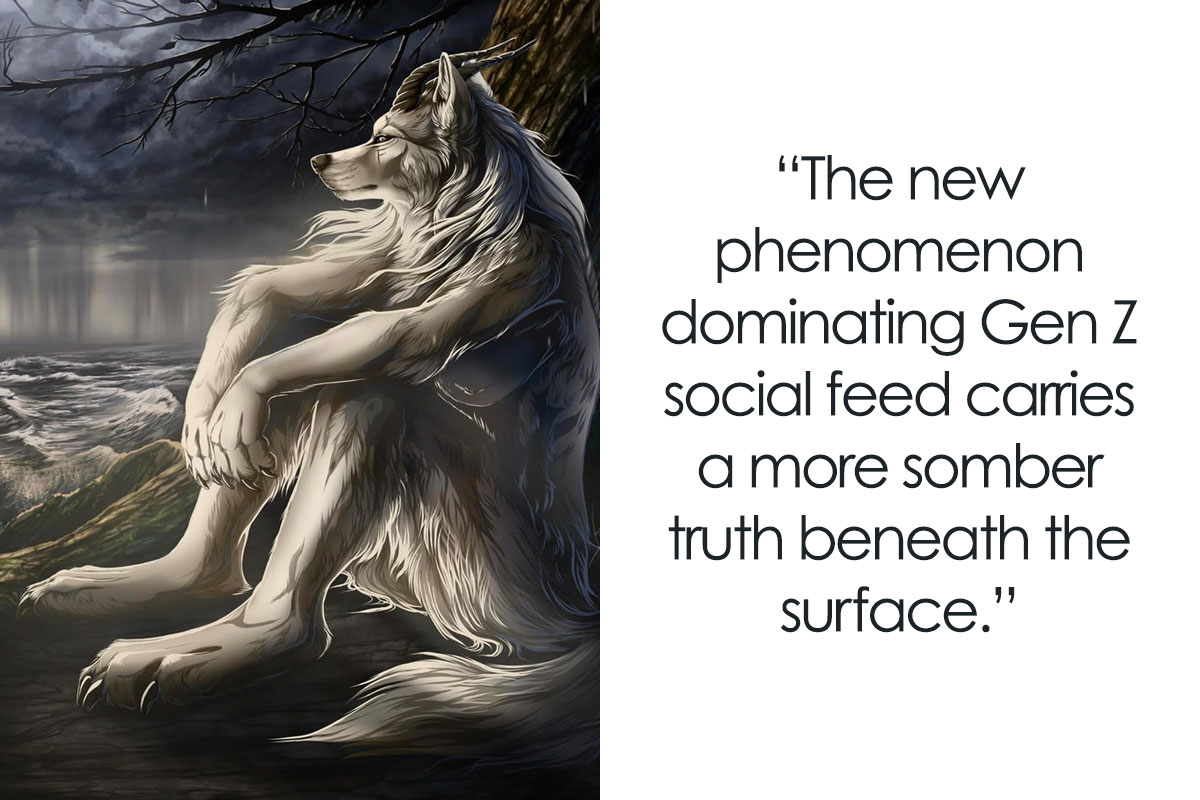
The visual execution collided instantly with one of social media’s most resilient archetypes: the alpha wolf meme. What corporate marketing pitched as sleek mechanical ferocity became an overnight punchline for racing fans, TikTok video editors, and Gen Z irony communities, igniting a viral cycle that caught both the team and commercial broadcasters off guard.
📌 Key Takeaways:
- The Spark: Mercedes' special Japanese GP aesthetic unexpectedly mirrored 2010s airbrushed wolf shirts, triggering millions of user-generated comparisons overnight.
- The Shift: Online youth culture adopted the formerly earnest "lone alpha wolf" as a piece of self-deprecating high camp, turning serious motorsport marketing into effortless satire.
- The Impact: Millions of viral short-form edits pulled drivers, team principals, and racing broadcasts into mainstream irony culture, altering how teams navigate digital design.
The Suzuka Reveal That Hijacked F1 Social Media
Special liveries represent a massive commercial investment in modern Formula 1. Teams spend months drafting color palettes, coordinating title sponsor placements, and navigating technical regulations governing paint weight. Mercedes arrived in Suzuka looking to celebrate Japanese street style and historic motorsport heritage with sharp geometric cuts across the engine cover and exposed raw carbon fiber.
The audience saw something else entirely. Online forums instantly drew visual parallels between the car’s rear fin detailing and the moody, airbrushed wolf graphics popularized on fleece blankets and mall kiosks during the mid-2000s. On Reddit's r/formuladank and platform X, posts superimposing glowing yellow eyes and full-moon silhouettes across the W17 sidepods collected hundreds of thousands of interactions before the cars turned a single practice lap.
The timing matched a wider cultural shift. Long before motorsport designers put pen to carbon, youth culture had spent years dismantling self-serious masculinity tropes. By presenting an aesthetic that leaned heavily into dark, brooding intimidation, Mercedes accidentally supplied the raw ingredients for high-speed satire.
How an Earnest Concept Mutated into High-Camp Irony
Understanding the reaction requires examining how the lone alpha wolf meme morphed across platforms. In early internet history, illustrated wolves paired with motivational platitudes were thoroughly sincere. Facebook groups and Pinterest boards in the 2010s circulated images of solitary predators standing against snowy horizons, accompanied by typography about loyalty, silent strength, and personal independence.
By late 2023, as detailed in cultural coverage from Business Insider, Gen Z had thoroughly reclaimed the motif as an absurd mascot. Sincerity gave way to deadpan parody. The figure of the solitary predator was stripped of its motivational gravitas and repurposed to mock self-described "sigma males" and hustle-culture influencers.
When the Mercedes design broke cover, fans did not critique the car through technical design standards. They processed it through contemporary irony culture. The aggressive angles were treated not as symbols of German engineering superiority, but as visual shorthand for someone typing inspirational quotes into an anime Discord server at two in the morning.
Evolution of the Wolf Aesthetic Across Digital Subcultures
The transition from corporate branding to digital satire followed a distinct evolutionary curve over the past decade, shifting from genuine self-help subcultures to sports entertainment parodies.
| Era | Primary Medium | Dominant Tone |
|---|---|---|
| 2012, 2018 | Tumblr, Facebook quote images, motivational blogs | Earnest, stoic, solitary self-reliance tropes |
| 2019, 2022 | TikTok sigma edits, YouTube Shorts alpha-male guides | Hyper-masculine hustle culture, burgeoning satire |
| 2023, 2025 | Instagram reels, Gen Z niche accounts, shitpost threads | High camp, absurdism, deliberate cringe aesthetics |
| 2026 | Motorsport broadcast feeds, TikTok audio trends | Mainstream corporate hijacking, paddock humor |

Driver Reactions and the TikTok Edit Industrial Complex
The speed of the trend caught the drivers themselves in its slipstream. During Thursday's official FIA media bullpen sessions at Suzuka, reporters began asking drivers about the online reception rather than race setups. George Russell broke into laughter when shown an edited clip overlaying audio of an unhinged cartoon howl over his onboard qualifying telemetry.
On TikTok, creators rapidly assembled montage edits that paired slowed-and-reverbed phonk tracks with slow-motion footage of mechanics rolling the car out of the garage. The contrasting aesthetics produced comedic gold: elite, multimillion-dollar machinery framed like an angsty teen’s desktop wallpaper.
By Saturday morning, the trend migrated directly to trackside signs. Spectators hung homemade banners showing team principal Toto Wolff sporting glowing blue eyes beneath lunar phases, turning an inside joke among online subcultures into international television coverage seen by over 70 million viewers.
Why Irony Culture Keeps Recycling Mid-2010s Digital Tropes
The longevity of the wolf archetype stems from its sheer psychological durability. Originally derived from outdated animal behavior studies, research that original scientist David Mech spent decades trying to debunk after clarifying that wild wolf packs are simply nuclear families, the "alpha" concept spent twenty years embedding itself in business self-help books and fitness marketing.
Because that corporate and personal branding was so relentlessly serious, it remains a prime target for generational satire. Gen Z and Gen Alpha creators actively sift through discarded pieces of early web culture, seeking out earnest visual artifacts to subvert. The exaggerated angst of howling wolves, skulls, and flaming chains acts as a collective joke against hyper-serious lifestyle marketing.
When an establishment legacy brand like Mercedes accidentally mirrors that visual language, the barrier to mockery drops instantly. It bridges the gap between high-finance sports engineering and basement internet humor, proving that no amount of corporate polish can shield a design team from the internet's sharpest weapon: irreverent reframing.
Frequently Asked Questions (FAQ)
Q1: Why did Mercedes' Japan GP livery trigger the alpha wolf meme specifically?
A1: The angular silver brushstrokes, dark gradient sidepods, and claw-like carbon highlights bore an uncanny resemblance to early-2000s airbrushed wolf clothing and moody motivational wallpapers, prompting fans to parody the car's aggressive posture.
Q2: Where did the original alpha wolf internet meme come from?
A2: The trope originated from misinterpretations of wolf pack hierarchies in mid-century wildlife biology, which spawned sincere motivational imagery in the early 2010s before transforming into ironic parody on Reddit, TikTok, and Instagram during the 2020s.
Q3: Did Mercedes acknowledge or respond to the social media jokes?
A3: The team's social media managers embraced the wave, posting lighthearted reaction clips of mechanics and drivers laughing at the fan edits, which helped defuse online teasing and generated record engagement across their social platforms during the Suzuka weekend.
What the Suzuka Uproar Means for Motorsport Marketing
Corporate design departments operate inside sterile pitch decks and focus groups, but audiences experience their work through unpredictable digital lenses. The 2026 Japanese Grand Prix showed that the boundary between elite global athletics and absurd internet culture has collapsed completely.
Mercedes survived the social media ribbing because their digital team chose participation over pushback. Instead of scrubbing comments or releasing defensive statements about design inspiration, they leaned into the collective humor. In doing so, they turned an aesthetic misfire into one of the most talked-about promotional moments of the racing calendar.
Future livery concepts will face a far more skeptical audience. Design studios can no longer simply ask whether a car looks fast or pleases technical partners. They have to ask whether an engine cowl looks like a mall-kiosk fleece blanket, because if it does, millions of phone screens will spot it within seconds.
