How Fast Does NyQuil Make You Sleepy? Onset Time, Duration, and Recovery Tips
A single 30-milliliter dose of standard liquid NyQuil can blur a standard evening into heavy drowsiness within thirty minutes. For decades, consumers battling acute congestion, persistent hacking, and body aches have reached for the green liquid as an informal sedative. Yet the drug's potent sedative profile stems from a specific chemical component engineered for allergy relief rather than sustainable sleep therapy, as analyzed in a GoodRx Report detailing common over-the-counter medication side effects.
Treating the mixture purely as a nighttime shortcut carries physiological costs. While the formulation relieves upper respiratory misery, its pharmacokinetics often extend well past the eight-hour mark. Understanding how the active compounds circulate through the bloodstream clarifies why the medicine knocks patients out quickly and why the groggy aftermath can derail the following morning.
📌 Key Takeaways:
- The Sedative Mechanism: NyQuil induces heavy sleepiness through doxylamine succinate, a first-generation sedating antihistamine that readily crosses the blood-brain barrier.
- The Clearance Window: Peak sedation occurs between 1 and 3 hours post-ingestion, but doxylamine carries an elimination half-life averaging 10 to 12 hours, driving extended morning grogginess.
- Safety Boundaries: NyQuil is formulated for short-term cold and flu symptom relief; relying on it as a nightly insomnia remedy escalates risks of liver toxicity, cognitive impairment, and physical tolerance.
The Chemistry of Drowsiness: Why Doxylamine Succinate Knocks You Out
NyQuil does not make you sleepy by accident; sedation is an engineered outcome of its multi-symptom formula. The brand combines three distinct active agents in its standard liquid and LiquiCap iterations: acetaminophen (650 mg per 30 mL dose) for pain and fever reduction, dextromethorphan HBr (30 mg per 30 mL) to suppress the brain's cough reflex, and doxylamine succinate (12.5 mg per 30 mL).
Doxylamine succinate drives the profound urge to sleep. As a first-generation antihistamine, doxylamine blocks peripheral H1 histamine receptors to dry up runny noses and watery eyes. Unlike newer second- and third-generation antihistamines such as cetirizine or loratadine, doxylamine lipophilicity allows it to cross the blood-brain barrier rapidly. Once inside the central nervous system, it blocks central histamine receptors that regulate wakefulness and cortical arousal.
The medicine also exerts mild anticholinergic effects. By binding to muscarinic acetylcholine receptors, it dampens neurotransmission across pathways responsible for alertness, short-term memory, and smooth muscle tone. When paired with dextromethorphan, which acts as a mild central nervous system depressant at medicinal doses, doxylamine produces a synergistic sedative pull that overpowers normal circadian rhythms.
Onset Timelines: How Fast Drowsiness Takes Hold
The speed at which NyQuil induces sleep depends heavily on stomach contents, metabolic rate, and formulation format. Liquid NyQuil absorbs faster than gelatin capsules, entering the gastrointestinal tract and bypassing the mechanical breakdown phase required for solid pills.
On an empty stomach, liquid doxylamine succinate begins entering systemic circulation within 15 to 20 minutes. Most adults experience the first waves of heavy eyelids and slowed cognition between 30 and 45 minutes. Consuming the dose directly after a high-fat or carbohydrate-dense meal alters this timeline, delaying gastric emptying and pushing the initial sedative onset past the 60-minute mark.
Peak serum concentration of the active ingredients occurs between 2 and 4 hours post-ingestion. During this peak window, central nervous system depression reaches maximum depth. The body experiences a noticeable reduction in rapid eye movement (REM) sleep architecture, trading restorative neurological rest for chemically induced slow-wave sedation.
The NyQuil Hangover Effect: Why Next-Day Grogginess Lingers
Waking up after taking NyQuil rarely mirrors waking up from unmedicated sleep. Patients frequently report a heavy, clouded sensation colloquially dubbed the "NyQuil hangover effect." This lingering mental haze stems directly from the extended biological half-life of doxylamine succinate.
While acetaminophen and dextromethorphan clear the body relatively quickly, carrying half-lives of approximately 2 to 3 hours and 3 to 4 hours, respectively, doxylamine succinate lingers. Its elimination half-life ranges from 10 to 12 hours in healthy younger adults, extending to 15 hours or more in older individuals or those with sluggish hepatic metabolism.
If a user takes a full dose at 11:00 PM and wakes up at 7:00 AM, substantial amounts of active doxylamine still circulate through their neural tissue. The remaining concentration continues binding to central H1 and muscarinic receptors, causing persistent brain fog, dry mouth, blurred vision, and delayed psychomotor reflexes.
Comparing OTC Nighttime Formulations and Sleep Profiles
Consumers often conflate cold medications with standalone sleep aids, risking accidental overdosing or excessive daytime sedation. The matrix below contrasts standard nighttime multi-symptom products against daytime alternatives and dedicated sleep aids.
| Product / Category | Active Ingredients (Standard Dose) | Sedative Onset | Sedation Duration | Intended Clinical Purpose |
|---|---|---|---|---|
| NyQuil Cold & Flu | Acetaminophen, Dextromethorphan, Doxylamine | 20, 40 minutes | 8, 12 hours | Nighttime multi-symptom cold/flu relief |
| DayQuil Cold & Flu | Acetaminophen, Dextromethorphan, Phenylephrine | None (Non-drowsy) | 4, 6 hours (relief) | Daytime cold/flu relief without sedation |
| ZzzQuil Nighttime | Diphenhydramine HCl (50 mg) | 30, 60 minutes | 6, 8 hours | Occasional sleeplessness aid only |
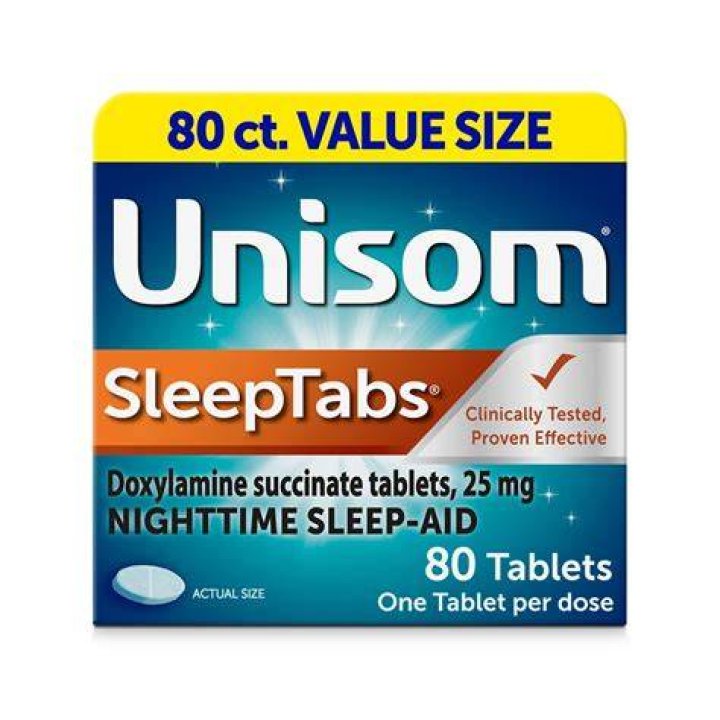
| Unisom SleepTabs | Doxylamine Succinate (25 mg) | 30, 45 minutes | 8, 12 hours | Standalone short-term sleep aid |
The critical distinction between DayQuil and NyQuil lies in the replacement of the antihistamine with a decongestant. DayQuil omits doxylamine entirely, substituting it with phenylephrine to constrict blood vessels in nasal passages without causing central nervous system depression. Using DayQuil at night will not trigger sleepiness, while taking NyQuil during working hours poses severe safety hazards due to cognitive dulling.
Dangerous Intersections: Alcohol Interactions and Sleep Aid Misuse
Combining NyQuil with alcohol introduces severe, compound physiological dangers. Standard liquid formulations of NyQuil already contain 10% alcohol by volume in certain versions to act as an active-ingredient solvent, though alcohol-free options exist. Introducing external alcohol amplifies every pharmacological risk the medication presents.
Alcohol and doxylamine both operate as central nervous system depressants. Consuming beer, wine, or spirits alongside the medication triggers profound respiratory depression, profound drops in resting heart rate, and severe motor ataxia. Reflexes become critically compromised, elevating risks of falls or accidental asphyxiation during deep unconsciousness.
The second crisis involves liver processing. NyQuil contains 650 mg of acetaminophen per dose. The human liver metabolizes acetaminophen through the cytochrome P450 pathway, producing a toxic intermediate metabolite known as NAPQI. Normally, glutathione rapidly neutralizes this compound.
When alcohol enters the liver simultaneously, it exhausts endogenous glutathione reserves while inducing CYP2E1 enzymes. This metabolic bottleneck allows NAPQI to accumulate, causing acute hepatic necrosis. Medical guidance uniformly caps maximum daily acetaminophen intake at 4,000 mg across all sources, but mixing even standard therapeutic doses with alcohol sharply lowers that toxic threshold.
Frequent off-label use as an insomnia aid creates secondary dependencies. The brain rapidly builds pharmacodynamic tolerance to doxylamine succinate within 7 to 10 days of consecutive use. Patients then need progressively higher doses to achieve identical sedative results, exposing their organs to dangerous cumulative levels of acetaminophen and dextromethorphan simply to fall asleep.
Critical Contraindications: Health Risks and Vulnerable Populations
Certain medical histories make NyQuil unsafe regardless of cold severity. The medication carries explicit warnings for patients diagnosed with cardiovascular diseases, hypertension, and thyroid disorders. Anticholinergic activity can elevate intraocular pressure, turning a standard dose into an acute hazard for individuals with angle-closure glaucoma.
Men with benign prostatic hyperplasia face elevated risks of acute urinary retention. The anticholinergic block prevents the detrusor muscle from contracting normally, locking urine inside the bladder and requiring emergency intervention.
Maternal health demands extreme caution. Clinical guidance published by reproductive health monitors, including insights compiled by The Bump, notes that pregnant and breastfeeding women must consult obstetricians before using multi-ingredient cold medicines. While doxylamine combined with pyridoxine (vitamin B6) is widely used for morning sickness under medical supervision, the multi-symptom cocktail in NyQuil, particularly high doses of acetaminophen, dextromethorphan, and alcohol bases, creates unwarranted fetal and neonatal exposures.
Senior adults also clear sedating antihistamines at substantially slower rates. In patients aged 65 and older, doxylamine easily triggers prolonged delirium, orthostatic hypotension, confusion, and catastrophic middle-of-the-night falls.
Frequently Asked Questions (FAQ)
Q1: Is it safe to drive the morning after taking NyQuil?
A1: Exercise extreme caution. If you took NyQuil and slept fewer than 8 full hours, doxylamine succinate likely remains active in your bloodstream. Operating motor vehicles or heavy machinery while experiencing delayed motor reflexes and cognitive grogginess carries risks comparable to driving under the influence.
Q2: How can I shake off the next-day NyQuil hangover quickly?
A2: Accelerate recovery by drinking at least 16 to 24 ounces of water with electrolytes immediately upon waking to combat dehydration. Expose your eyes to direct morning sunlight to help reset natural circadian signaling, and engage in light physical movement. Caffeine can partially counteract histamine blockade, but it will not eliminate the chemical half-life of doxylamine.
Q3: Can I take NyQuil if I only have trouble sleeping without a cold?
A3: No. Using a multi-ingredient medication to treat isolated sleeplessness needlessly stresses the liver and kidneys with acetaminophen and dextromethorphan. If you require an occasional over-the-counter sleep aid, select single-ingredient options such as diphenhydramine or doxylamine succinate alone, and limit usage to 2 or 3 consecutive nights.
Q4: What should I do if a single dose does not put me to sleep?
A4: Never double the dose. Taking an extra cup of NyQuil doubles acetaminophen consumption, pushing you toward hepatic toxicity without guaranteeing deeper rest. If sleep fails to arrive, accept the wakefulness, avoid screens, and speak to a physician regarding prescription options or behavioral sleep therapies.
Managing Sleep Safely During Acute Illness
Relying on multi-symptom cold products requires discipline and clear clinical boundaries. NyQuil serves a distinct purpose: blunting the misery of viral upper respiratory infections so exhausted bodies can rest. It is a targeted illness intervention, not a nightly lifestyle tool.
When cold symptoms strike, measure liquid doses strictly with the included dosing cup rather than standard kitchen spoons, which regularly deliver inaccurate quantities. Plan your bedtime to guarantee a minimum uninterrupted sleep block of 8 to 9 hours. If your fever, cough, and congestion persist past day seven, abandon the medication and schedule an appointment with a primary care provider to evaluate for secondary bacterial infections. Navigating cold recovery safely means letting pharmacology handle acute physical pain without forcing it to solve chronic sleep deprivation.
