How James Burrows Shaped Will & Grace: The Bond Between the Cast and TV's Greatest Director
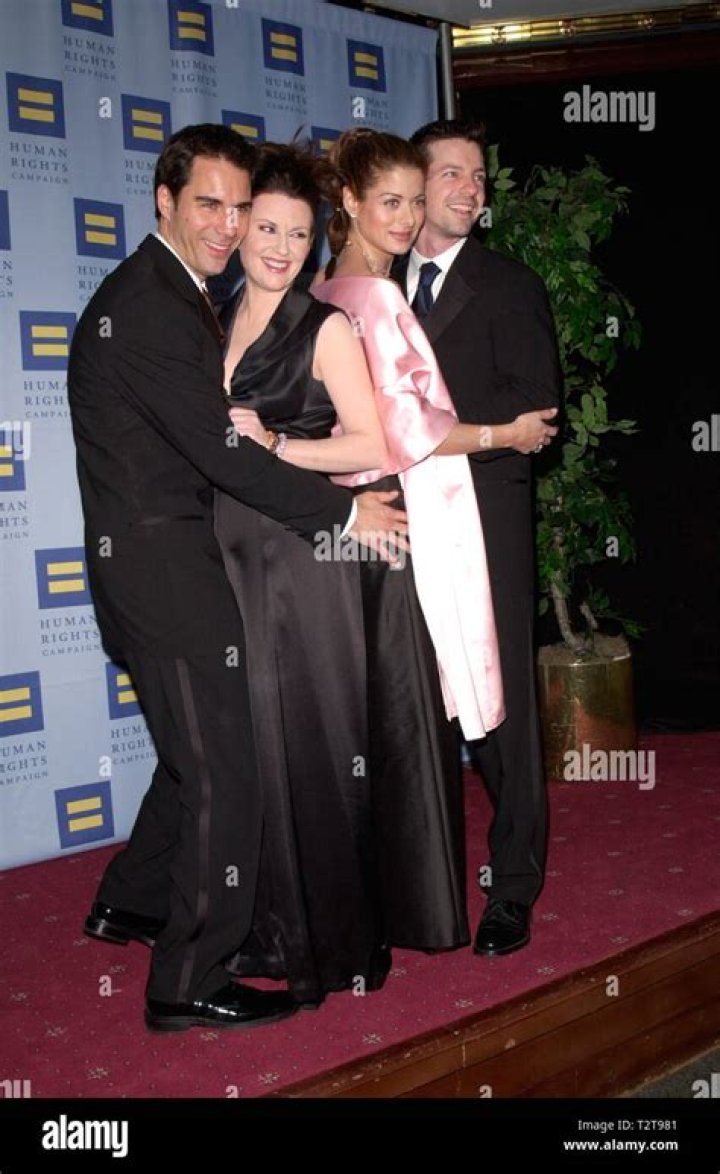
When news broke in June 2026 that James Burrows had died at age 85, television lost the principal architect of modern situational comedy. Across five decades, the director steered more than a thousand episodes of network television, shaping generational touchstones from Cheers and Taxi to the pilot of Friends. Yet nowhere was his creative fingerprint more indelible than on Stage 17 of CBS Studio Center, where the four core actors of Will & Grace spent eleven seasons under his sole directorial hand.
The outpouring following his passing reflected that uncommon artistic partnership. As detailed by an ABC News report on the tributes to James Burrows, co-stars Debra Messing, Eric McCormack, Sean Hayes, and Megan Mullally joined an international chorus of peers to mourn a mentor who transformed four theater-trained performers into one of the tightest comedic ensembles in American broadcast history.
📌 Key Takeaways:
- The Directorial Record: James Burrows directed all 188 episodes of the original Will & Grace run (1998, 2006) and all 58 episodes of the 2017, 2020 revival, totaling 246 episodes under a single auteur.
- The Four-Way Emmy Milestone: Under Burrows' precise guidance, Debra Messing, Eric McCormack, Sean Hayes, and Megan Mullally each won at least one Primetime Emmy Award, a distinction shared with only two other comedies in television history.
- The Signature Burrows Style: He ran rehearsals like a resident theatrical company, teaching his cast how to physicalize gags, balance farcical energy with genuine emotional vulnerability, and command live studio audiences.
The Passing of a Titan and the Cast's United Grief
The death of James Burrows on June 19, 2026, prompted immediate tributes across the entertainment industry. For the central quartet of Will & Grace, the loss was personal. The four actors routinely referred to Burrows not merely as an episodic director, but as the fifth member of their core troupe, the paternal figure who mediated disputes, carved out punchlines, and protected them from network interference.
Debra Messing shared private memories of Burrows standing beside her camera dolly during rehearsals, coaching her through the slapstick physical bits that earned her six Emmy nominations. Eric McCormack highlighted Burrows' uncanny ability to anchor the emotional reality of Will Truman, ensuring that the show's ground-breaking depiction of gay life in late-nineties America remained grounded in believable humanity. Sean Hayes and Megan Mullally, whose high-octane physical work as Jack McFarland and Karen Walker became television legend, credited Burrows with giving them absolute permission to test the boundaries of multi-camera performance.
The collective sentiment across social feeds and industry outlets was uniform: Burrows did not simply call camera cuts; he generated an environment of artistic trust where four actors could take absurd physical risks without fear of failure.
Directing Every Episode: An Unprecedented Sitcom Feat
In the multi-camera sitcom world, series typically rotate directors across a 22-episode production schedule to prevent burnout. Burrows broke the industry model. When creators David Kohan and Max Mutchnick mounted the series pilot in 1998, Burrows signed on as executive producer and resident director. He went on to helm every single episode of the show's initial eight-season run.
Directing 188 consecutive episodes of a network prime-time comedy had virtually no precedent in modern television. Sitcom productions were grueling operations, demanding rewrites, network notes, and intense Friday night live tapings. Burrows maintained that his unbroken presence provided a stylistic continuity that guest directors could never replicate. When NBC greenlit the series revival in 2017, Burrows returned to Stage 17 to direct all 58 additional episodes, extending his run to an astonishing 246 episodes.
That continuity gave the actors an uncommon luxury. They never had to re-explain their comedic timing, character backstories, or staging habits to a rotating slate of freelance directors. Burrows held the tonal ledger in his head, knowing precisely when to demand a retake and when a spontaneous line reading hit comic perfection.
Building the Four-Way Dynamic on Stage 17
The rapid-fire rhythm of Will & Grace did not occur by accident. It emerged from Burrows' distinct background in live Broadway theater. Born to legendary playwright Abe Burrows, the director approached the soundstage with theatrical discipline. He gathered the cast around a folding table on Monday mornings, stripped away extraneous banter, and focused intensely on pacing.
Burrows solved blocking challenges visually before the script was locked. When Sean Hayes devised the theatrical hand movements for Jack McFarland, Burrows framed the wide shots to capture Hayes' entire torso, letting the body language read cleanly on home screens. When Megan Mullally modulated Karen Walker's voice an octave higher than her natural register, Burrows adjusted the mic placements and taught her to pause just long enough to ride the live studio laughter without stepping on the next joke.
He balanced the broader farce of Jack and Karen with the intellectual, neurotic banter between Will and Grace. Messing's rubber-faced expressions and McCormack's dry, measured delivery served as the show's anchor, allowing the supporting players to spin into cartoonish extravagance without detaching the series from its emotional center.
James Burrows Across the Sitcom Golden Age
While Will & Grace represents his most sustained single-show dedication, Burrows' broader portfolio positioned him at the center of American broadcast comedy for over four decades. His run at NBC established the network's dominant "Must See TV" Thursday night programming block throughout the 1980s and 1990s.
| Series | Production Era | Burrows Episodes Directed | Core Impact on Format |
|---|---|---|---|
| Taxi | 1978, 1982 | 75 episodes | Pioneered multi-cam ensemble depth and naturalistic workplace timing. |
| Cheers | 1982, 1993 | 243 episodes | Co-created the show; established the barroom as a primary character; perfected will-they-won't-they romantic pacing. |
| Frasier | 1993, 1997 | 32 episodes | Directed the acclaimed pilot; set the sophisticated, theatrical farcical pacing for the spin-off. |
| Friends | 1994, 1998 | 15 episodes | Directed the series pilot and early touchstones; urged the six leads to operate as an egalitarian unit. |
| Will & Grace | 1998, 2020 | 246 episodes | Directed every single original and revival episode; engineered the rare four-way lead Emmy sweep. |
The Mechanics of Burrows' Rhythm and Blocking
Industry veterans frequently tried to isolate the mechanics of a Burrows set. He operated with four primary cameras rather than the standard three, running live takes like continuous stage plays. If a joke died during rehearsal on Tuesday, Burrows did not wait for the network run-through to request changes. He excised weak punchlines immediately, often pacing around the stage with his hands in his pockets, throwing alternate tags to the actors on the fly.
His philosophy rested on musical rhythm. Burrows viewed dialogue as tempo. If a punchline lacked impact, he rarely instructed an actor to read it louder or with more force. Instead, he altered the physical blocking. He would instruct Debra Messing to cross the kitchen island three beats earlier, or tell Eric McCormack to pick up a coffee mug right before delivering a deadpan retort. The movement distracted the audience's analytical eye, allowing the comedic punchline to land with maximum surprise.
That technical precision paid off during awards seasons. Over his career, Burrows accumulated 11 Primetime Emmy Awards and earned more than 40 nominations from the Directors Guild of America. By the time Will & Grace finished its initial broadcast run in 2006, each of its four core stars held an Emmy statuette for their performances on Stage 17, an achievement matched only by the casts of All in the Family and The Golden Girls.
The 2017 Revival and a Fifty-Year Sitcom Blueprint
When the cast reunited in September 2016 for a ten-minute viral election video filmed in secret on the original set, Burrows stepped behind the camera without hesitation. The massive viewer response prompted NBC to order a full revival series. While many contemporary multi-cam revivals struggled to find their footing in an era dominated by single-camera streaming shows, the returning Will & Grace ran for three additional seasons from 2017 to 2020.
The revival worked because Burrows refused to overhaul the format. While streaming platforms shifted away from live studio audiences and traditional setups, Burrows championed the multi-camera stage as a viable, visceral medium. He maintained the classic theatrical discipline: live audiences, real laughter, physical gags timed to the millisecond, and characters whose intimacy carried the weight of decades.
The bond between Burrows and his cast outlasted the series finale. Up until his death in 2026, the four leads routinely consulted him on stage productions, solo television projects, and personal milestones. He remained the benchmark against which they measured every subsequent creative collaboration.
Frequently Asked Questions (FAQ)
Q1: Did James Burrows really direct every episode of Will & Grace?
Yes. Burrows directed all 188 episodes across the original eight seasons (1998, 2006) as well as all 58 episodes of the three-season revival (2017, 2020). He holds the record for directing all 246 episodes produced for the series.
Q2: How many Emmy Awards did the Will & Grace cast win under Burrows?
All four main actors won Primetime Emmy Awards for their roles: Megan Mullally (2000, 2006), Sean Hayes (2000), Eric McCormack (2001), and Debra Messing (2003). Together, the series earned 16 Primetime Emmy Awards out of 88 total nominations.
Q3: What other iconic shows did James Burrows direct?
Burrows co-created Cheers, directed 75 episodes of Taxi, helmed the series pilots for Frasier, Friends, Will & Grace, The Big Bang Theory, and Mike & Molly, and directed episodes of The Mary Tyler Moore Show and Laverne & Shirley.
The Enduring Blueprint of James Burrows' Comedy
Television production has changed dramatically since James Burrows first stepped onto an NBC soundstage in the 1970s. Single-camera mockumentaries, streaming miniseries, and prestige dramas have fragmented the monoculture that once brought tens of millions of viewers together on Thursday nights. Yet the multi-camera format endures precisely because directors like Burrows understood its core engine: live theatrical energy captured by technical mastery.
The work Burrows produced with Debra Messing, Eric McCormack, Sean Hayes, and Megan Mullally stands as the definitive modern study in ensemble chemistry. In an industry defined by transient relationships and rotating production teams, the quarter-century partnership between the director and his four stars remains a singular creative achievement. Burrows proved that when an ensemble trust is forged under exacting standards, multi-camera television can capture lightning in a bottle, week after week, season after season, for hundreds of nights in front of a live audience.
