How the Blue Heart Emoji Evolved from Loyalty Symbol to Modern Slang

When someone drops a blue heart into your messages, the tone shifts immediately. Unlike the visceral declaration of a red heart or the playful heat of pink flames, the blue heart operates in a colder, more deliberate register. It carries emotional weight, but that weight rarely points toward intense romance. Instead, it signals steady devotion, clear boundaries, or casual camaraderie depending on who sent it and where it landed.
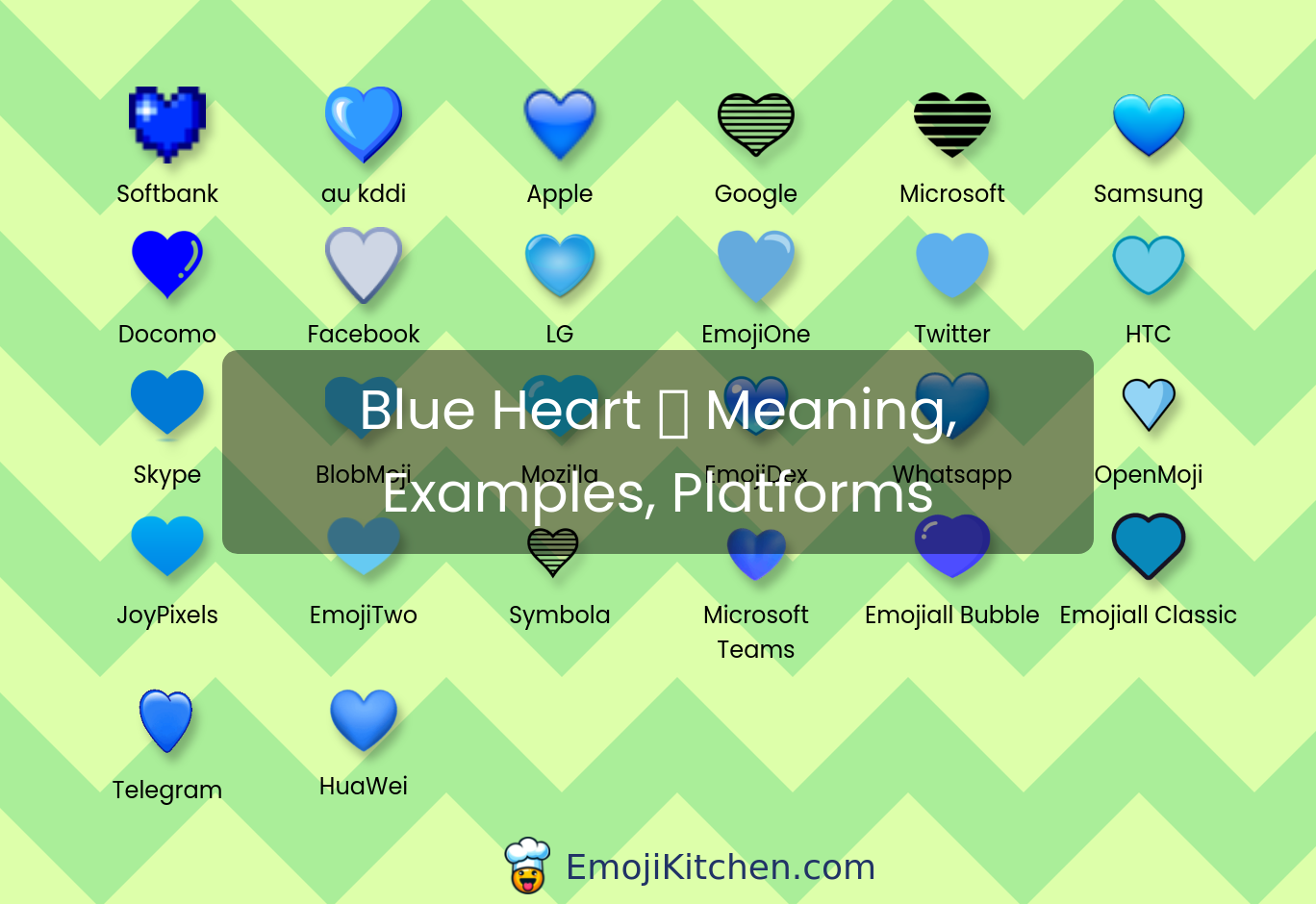
The glyph originated in Japanese carrier emoji sets before Unicode cataloged it globally in 2010. Its visual evolution across operating systems, detailed extensively in a blog.emojipedia.org Report tracing major cross-platform render changes, transformed a static symbol into a versatile cultural dialect. Today, the blue heart communicates across three separate realms: public awareness campaigns, digital subcultures, and the fraught subtext of modern dating apps.
📌 Key Takeaways:
- Core Definition: A blue heart emoji primarily signifies loyalty, platonic trust, and steady emotional support rather than passionate romance.
- The Dating Context: In private messaging, senders frequently use it to communicate warmth while deliberately avoiding romantic escalation, making it a common friendzone signal.
- Subcultural Reach: The symbol functions widely across autism awareness drives, health worker tributes, sports fandoms, and male bonding threads.
The Semiotics of 💙: Decoding Color Psychology in Digital Messages
Color psychology has dictated social cues for centuries, and digital communication inherited those rules wholesale. Red pulses with urgency, heart rates, and romantic pressure. Blue does the opposite. In visual theory, blue evokes calm seas, clear skies, and structural stability. In text messages, it removes physical heat from an exchange while keeping the warmth intact.
This temperature drop changes everything. When a sender replaces a standard crimson heart with an azure one, they strip away romantic ambiguity. The message reads as dependable. You receive validation without an invitation to flirt. Psychologists studying computer-mediated communication note that users intuitively select blue when they want to convey deep respect, corporate brand reliability, or fraternal devotion without triggering romantic alarm bells.
The Friendzone Signal: Flirting versus Friendly Texting
Dating communication cues rely heavily on micro-decisions. Consider a late-night text exchange where one person sends a flirtatious compliment. If the reply arrives with a classic red heart, the romantic door swings open. If the reply contains a blue heart, that door quietly clicks shut.
The blue heart has earned a persistent reputation as the polite friendzone signal. It allows a recipient to acknowledge affection without returning romantic interest. The sender is not being cruel; they are establishing a boundary. It tells the other person: I care about you, but we are teammates, not lovers.
Simultaneously, the symbol thrives in the vocabulary of modern "bro love." Young men who might avoid expressive texting often embrace the blue heart to praise friends after athletic achievements or long gaming sessions. It carries none of the romantic baggage that fragile masculine norms might resist, making it the default stamp of fraternal solidarity.
Tracing the Heart Emoji Spectrum Across Modern Communication
The standard emoji keyboard offers over a dozen colored hearts, each assigned specific social functions by common usage. The table below outlines how the blue heart compares to its closest digital counterparts across everyday messaging ecosystems.
| Emoji Variant | Primary Social Context | Romantic Heat Index | Typical Relationship Dynamic |
|---|---|---|---|
| 💙 Blue Heart | Loyalty, platonic care, sports loyalty | Low | Close friends, platonic peers, teammates |
| ❤️ Red Heart | Romance, deep affection, core family love | Maximum | Romantic partners, immediate family |
| 💛 Yellow Heart | Optimism, sunshine friendship, Snapchat streaks | None | Casual buddies, new social acquaintances |
| 🤍 White Heart | Sympathy, aesthetic minimalism, pure remembrance | Neutral | Grieving contacts, aesthetic curation |
| 💚 Green Heart | Environmentalism, vitality, K-pop fandoms | Low | NCT fans, wellness groups, organic brands |
Activism, Public Awareness, and Institutional Roots
Long before it became an artifact of texting etiquette, the blue heart carried institutional weight. Non-profit initiatives adopted the symbol as a shorthand for civic solidarity. For over a decade, international campaigns centered around autism awareness utilized the blue heart alongside the "Light It Up Blue" initiative, prompting millions of social media users to place the emoji in their public bios.
Public health crises cemented this institutional identity. During the early 2020s, citizens across the United Kingdom filled comment sections with blue hearts to support National Health Service workers. The United Nations Office on Drugs and Crime also established the Blue Heart Campaign against human trafficking, turning the glyph into an international insignia of institutional protection.
Sports culture claims an equally massive share of its usage. Fans of Chelsea FC, Manchester City, Everton, or Duke Blue Devils plaster comment threads with the blue heart to signal tribal loyalty. In these communities, the emoji has zero connection to personal intimacy; it functions purely as an athletic badge.
Social Media Feeds Versus Private Messaging
Context determines everything in digital interaction. Reading a blue heart on a public Instagram post requires an entirely different lens than analyzing one inside a direct message thread.
On public platforms, the blue heart is aesthetic and safe. Influencers pair it with ocean photography, denim outfits, or neutral interior design. Brands drop it under user comments because it feels friendly without crossing professional boundaries. Corporate social managers love the blue heart precisely because nobody can sue a company or accuse a social media manager of harassment over a cool-toned emoji.
Inside encrypted direct messages, personal dynamics dominate. If you send a thoughtful paragraph confessing your feelings and receive "Thank you! 💙" in return, the message speaks clearly. You have received appreciation, but your romantic advance was declined. The cooler color establishes emotional distance while preserving the friendship.
Frequently Asked Questions (FAQ)
Q1: Does getting a blue heart automatically mean I have been friendzoned?
A1: Context decides the answer. If you sent an explicitly romantic or suggestive message and the recipient replied with a blue heart instead of returning the romantic gesture, it usually serves as a gentle, polite boundary. However, if the exchange was already casual or friendly, it simply indicates reliable affection and camaraderie.
Q2: Can romantic partners use the blue heart emoji with each other?
A2: Yes, particularly when expressing calm support, steady loyalty, or reassurance during stressful moments. Many long-term partners alternate between red, pink, and blue hearts depending on whether the conversation is passionate, playful, or grounding.
Q3: Why is the blue heart so popular in men's group chats?
A3: It allows male peers to express genuine appreciation and loyalty without triggering anxieties around romantic subtext. It functions as digital shorthand for unconditional mutual support, often described in modern texting slang as "bro love."
Reading the Color Spectrum in Everyday Messages
The emoji keyboard has developed into a sophisticated subtext engine. What looks like a tiny blue icon is actually an efficient communication tool designed to prevent misunderstandings. It bridges the tricky territory between complete coldness and uncomfortable intimacy.
When you spot the blue heart in your inbox, pay attention to the surrounding conversation. It may represent a sports win, an aesthetic choice, or a deliberate friendship boundary. Paying attention to these subtle color choices keeps your digital conversations clear and helps you understand what the other person is really trying to say.
