How the League of Villains Completely Shattered the Foundations of Hero Society

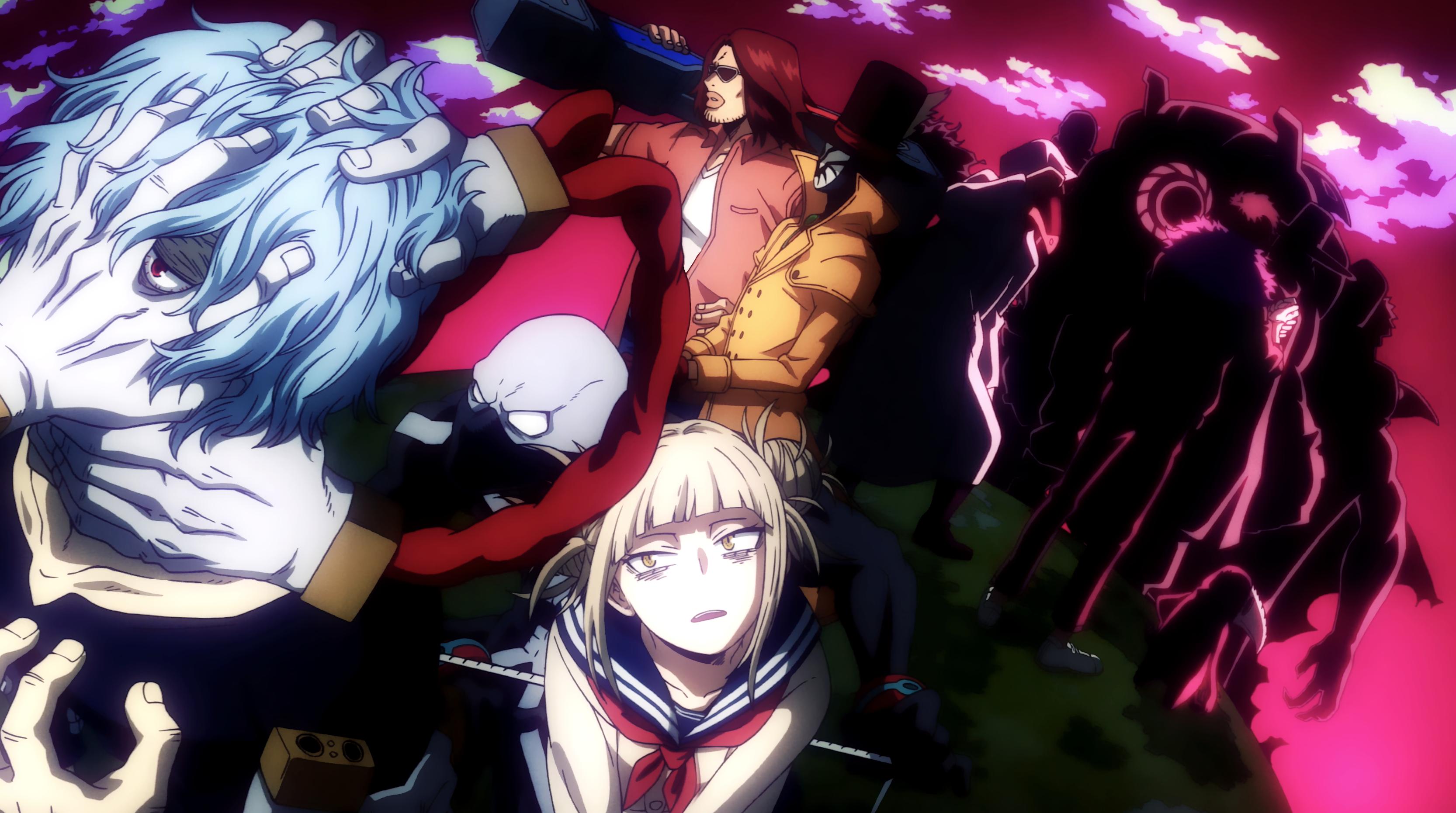
The golden era of superhero storytelling long relied on a simple social contract: champions protect the innocent, and society rewards them with unwavering faith. Kohei Horikoshi’s narrative systematically dismantled that premise through the League of Villains. What began as a disorganized gang of misfits evolved into an ideological battering ram that exposed the rot inside an over-commercialized, state-sanctioned peace. As highlighted in a comprehensive retrospective by the Crunchyroll Report, the antagonistic forces inside My Hero Academia left an indelible mark on serialized fiction by forcing audiences to confront where institutional heroism fails its most vulnerable citizens.
Rather than pursuing generic world domination, this syndicate turned institutional hypocrisy into its primary weapon. By examining structural rot through the eyes of societal rejects, the group revealed that villains are manufactured by systemic exclusion, neglect, and prejudice. The resulting fallout reshaped modern shonen storytelling, trading black-and-white morality for an uncomfortable interrogation of state authority and justice.
📌 Key Takeaways:
- Systemic Indictment: The League functioned as an indictment of a celebrity-driven hero culture that ignored systemic abuse and marginalized non-conforming citizens.
- Strategic Escalation: The group transformed from an underground cell into the Paranormal Liberation Front, a military-grade force of over 100,000 active members.
- Irreversible Fallout: Revelations regarding institutional corruption and state-sanctioned crimes completely eroded public trust, permanently breaking Japan's reliance on licensed heroes.
Quirk Discrimination and the Fractured Origins of the League
The League of Villains did not emerge in an ideological vacuum. It grew directly out of the cracks hidden beneath All Might’s blinding smile. The Symbol of Peace effectively deterred street-level crime, but his singular dominance created a dangerous illusion: the assumption that a society free of public disorder is fundamentally just. Beneath the billboards and merchandised hero rankings lay an underclass crushed by genetic lottery and rigid social expectations.
Quirk discrimination and trauma defined nearly every founding member of the collective. Himiko Toga faced medicalized demonization simply because her blood-consumption Quirk ran counter to polite norms. Her parents demanded total psychological suppression, treating her innate biological drive as an abhorrent moral failing. Jin Bubaigawara, known as Twice, suffered a severe psychotic break after economic precarity and a single mistake left him unhirable, friendless, and trapped in legal purgatory. Spinner, a mutant-type heteromorph, endured rural ostracization and pervasive hate crimes before finding kinship among online outcasts.
These were not criminal masterminds pursuing illicit fortunes. They were castaways discarded by a civilization obsessed with conformity. When ordinary citizens looked at them, they saw monsters requiring police containment. When Tomura Shigaraki extended his hand, he offered validation. The group offered an alternate social contract: radical acceptance in exchange for burning down the order that abandoned them.
The Stain Catalyst and the Rise of the Vanguard Action Squad
The organization's initial raid on the Unforeseen Simulation Joint (USJ) was a tactical disaster. Led by an immature, petulant Shigaraki, the early League felt like an amateur street syndicate leaning heavily on bio-engineered Nomu shock troops. The true ideological awakening came courtesy of a man who explicitly despised them: Chizome Akaguro, the Hero Killer Stain.
Stain’s scorched-earth critique of celebrity heroes resonated deeply with a cynical public. He argued that modern protectors were mere corporate pitchmen chasing fame and government stipends rather than genuine altruism. When footage of his final stand in Hosu City surfaced, it went viral across underground message boards. Stain’s philosophy provided the intellectual framing the League had desperately lacked.
Capitalizing on Stain's digital wake, the League formed the Vanguard Action Squad. This specialized strike force brought together diverse outcasts, including the arsonist Dabi and the calculating magician Mr. Compress. Their coordinated assault on the U.A. High training camp shattered the myth of hero-school invulnerability. More importantly, it forced law enforcement and the Hero Public Safety Commission into reactive, desperate counter-measures that exposed their own vulnerabilities to public scrutiny.
Strategic Evolution Across the Conflict
The conflict between licensed champions and the underworld escalated across distinct strategic phases. Each turning point stripped away another layer of institutional credibility, culminating in complete societal disruption.
| Phase / Operational Era | Strategic Turning Point | Societal Impact |
|---|---|---|
| Underground Guerrilla Cell (Pre-Kamino) | USJ Ambush; Vanguard Action Squad Training Camp Raid | Exposed educational security failures; sparked mainstream panic over student vulnerability. |
| The Kamino Ward Incident (Mid-Era) | All Might vs. All For One clash; All Might’s forced retirement | Shattered the single-pillar defense paradigm; caused national psychological trauma. |
| Deika City & Strategic Coalition (Expansion) | Meta Liberation Army merger; awakening of Shigaraki’s Decay | Shifted the League from asymmetric terrorism to an organized, well-funded political army. |
| Total Systemic Warfare (Final Phase) | The Dabi Todoroki broadcast; Tartarus mass prison breakout | Complete Hero Society collapse; mass hero resignations and vigilantism by armed civilians. |
Consolidating Power Through the Meta Liberation Army Merger
The group's decisive shift from an asymmetric terror outfit to a genuine geopolitical crisis occurred during the clash in Deika City. Trapped between the domestic enterprise of Destro’s ideological successor, Re-Destro, and the bio-mechanical experiments of Doctor Kyudai Garaki, the core League faced absolute annihilation.
Instead of breaking, the pressure catalyzed their combat evolution. Twice conquered his existential trauma to produce an infinite tide of clones through his Sad Man's Parade. Shigaraki unlocked the repressed childhood memories surrounding the accidental slaughter of his family, shedding his internal psychological inhibitors. When his awakened Decay Quirk reduced an entire metropolis to powdered concrete, Re-Destro realized the League possessed something far more potent than corporate political capital: unadulterated, unyielding liberation.
The subsequent merger birthed the Paranormal Liberation Front. This transformed coalition combined the League’s lethal leadership with the Meta Liberation Army’s immense financial assets, mainstream publishing houses, and a clandestine network of 116,500 active civilian operatives. Shigaraki was no longer just an underground agitator hiding in dilapidated bars. He commanded a fully functioning political and military insurrection embedded within every tier of municipal infrastructure.
The Dabi Broadcast and the Systemic Collapse of Public Trust
Physical devastation destroys infrastructure, but narrative subversion destroys civilizations. The most devastating blow struck against the status quo occurred during the first Paranormal Liberation War, orchestrated not by Shigaraki’s raw power, but by Dabi’s television broadcast.
While heroes battled across ruined landscapes, pre-recorded footage of Dabi aired simultaneously across national networks and digital streaming platforms. His admission was deliberate, horrifying, and meticulously verified: Dabi was Toya Todoroki, the presumed-dead eldest son of the new Number One Hero, Endeavor. With clinical detachment, Dabi exposed how Endeavor had subjected his children to brutal eugenic breeding practices and domestic torture solely to produce an heir capable of surpassing All Might.
The revelation completely eviscerated the credibility of the Pro Hero hierarchy. Endeavor was not an aberrant bad apple operating outside the perimeter. He was the literal top-ranked official endorsed by the state. When Dabi followed this disclosure by airing footage of Hawks assassinating Twice from behind while Twice attempted to flee, the government's entire moral high ground evaporated.
The public reaction was immediate and chaotic:
- Citizens openly questioned the legal authority of state-sanctioned heroes.
- Hundreds of licensed pros surrendered their licenses in shame, unable to face public condemnation.
- Ordinary people abandoned authorized shelters, arming themselves with unregulated support equipment to defend their neighborhoods.
- Law and order fractured into violent vigilante clashes, fulfilling Shigaraki's prediction that the populace would turn on its protectors the second the illusion broke down.
All For One’s Imperial Greed Versus Shigaraki’s Nihilistic Purge
Understanding the internal dynamic of this rebellion requires untangling the bitter conflict between its two figureheads. All For One viewed humanity as a chessboard. His motivation was fundamentally archaic: a century-old desire for absolute feudal dominance, treating Quirks as currency and human beings as disposable pawns. He groomed Shigaraki not as an heir, but as an expendable, rage-filled vessel crafted specifically to steal One For All.
Shigaraki, conversely, represented something entirely modern: pure systemic rejection. Having been ignored as an abused, bleeding child by ordinary pedestrians who assumed "a hero will handle it," Shigaraki carried no imperial ambitions. He possessed no desire to rule over a conquered populace or extract corporate rents. His objective was total, unapologetic demolition.
This philosophical rift ultimately crippled the villains from within. All For One’s obsession with legacy, control, and intellectual arrogance repeatedly clashed with the raw emotional solidarity binding the core League members. While All For One viewed Toga, Spinner, and Dabi as useful tools, Shigaraki recognized them as the only peers who truly understood the agony of being cast aside.
Frequently Asked Questions (FAQ)
Q1: Why did the League of Villains succeed where earlier criminal groups failed?
A1: Earlier factions, such as Overhaul's Shie Hassaikai, operated within traditional mafia frameworks aimed at illicit profit and underground control. The League tapped directly into popular resentment, leveraging genuine systemic grievances and Stain's anti-establishment ideology to dismantle public faith rather than merely evading the law.
Q2: What made the Dabi Todoroki revelation so damaging to ordinary civilians?
A2: It proved that the Number One Pro Hero was a domestic abuser whose selfish ambitions directly spawned a mass murderer. Because Endeavor represented the absolute peak of state-endorsed authority, his personal crimes shattered the moral justification of the entire professional hero industry.
Q3: How did the Meta Liberation Army merger change the League's operating capabilities?
A3: The alliance provided the League with massive institutional power, including financial capital, mainstream propaganda channels, modern weaponry, and over 100,000 undercover civilian supporters, transforming an insurgent guerrilla cell into an organized military front.
The Enduring Mark on Modern Shonen Storytelling
The historical impact of the League of Villains extends well beyond the borders of Horikoshi’s serialized world. For decades, mainstream adventure manga relied on villains who were alien invaders, supernatural demons, or megalomaniacs detached from the social fabric of their settings. Defeating them simply meant punching hard enough to restore a tranquil, pre-existing status quo.
My Hero Academia refused that easy escape route. By routing its conflict through the lived experiences of societal outcasts, the narrative proved that restoring the previous order was both impossible and morally bankrupt. The old system was broken; that is precisely why the villains existed in the first place.
When Shigaraki and his companions leveled city blocks and broke the nation's faith, they forced fiction to grow up alongside its audience. They proved that peace purchased through exclusion is merely deferred violence. By making the villains the direct products of institutional rot, the series permanently challenged how popular culture portrays justice, authority, and the heavy price of looking the other way.
