How to Get Slime Out of Hair Pain-Free: The Complete Emergency Masterguide
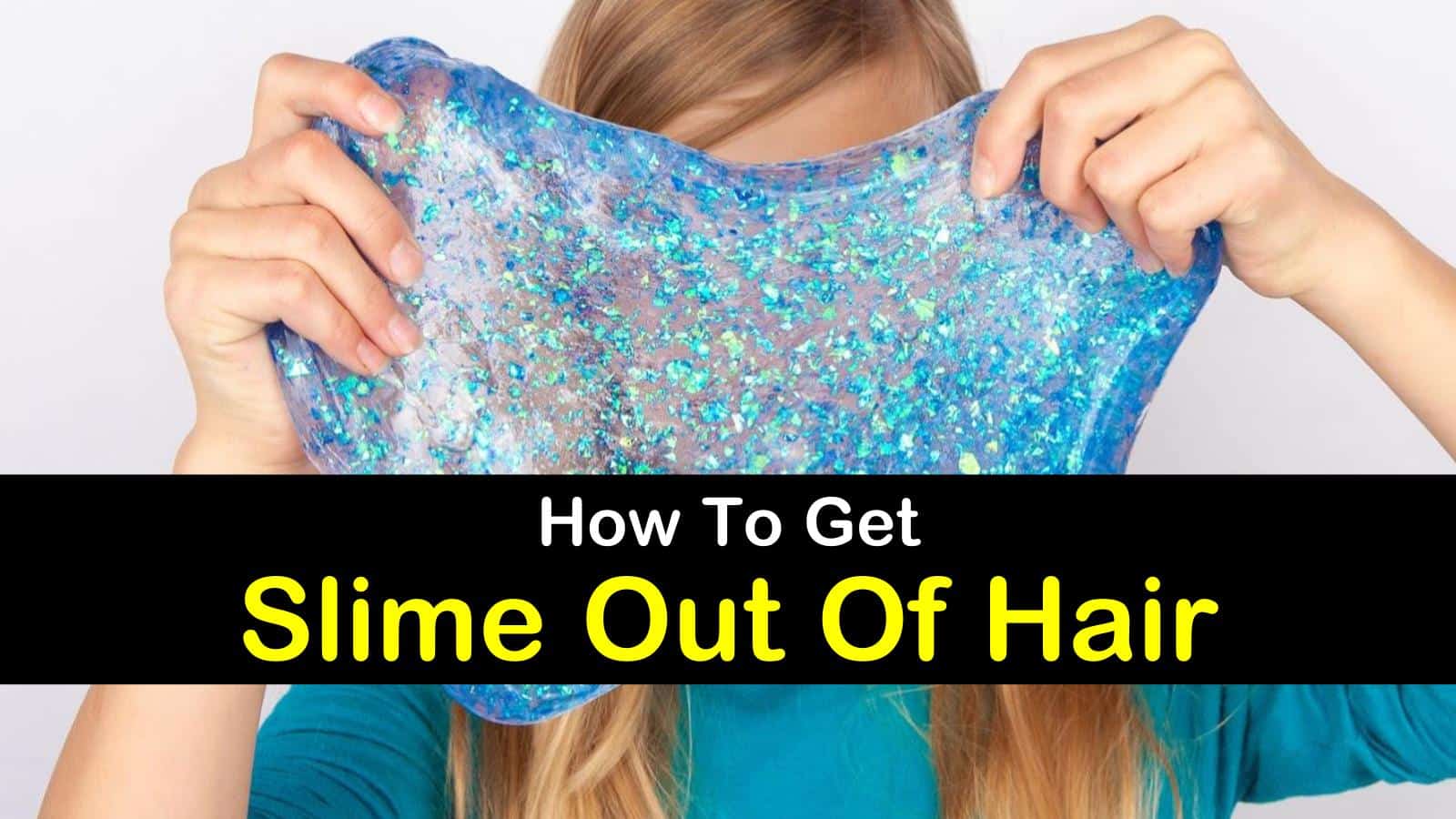
Every parent knows the specific sinking feeling that arrives with an audible gasp from the living room, followed by the realization that half a canister of glittery, neon toy slime is matted directly into the crown of a child's head. The initial instinct is panic, often accompanied by reaching for the kitchen scissors. Put the scissors down. Hair fibers are resilient, and the chemical polymers that give toy slime its elastomeric hold can be broken down using common household staples.
Recent hair health investigations highlight how quickly mechanical tugging can snap the follicle root and cause permanent traction alopecia. In extensive testing on strand resilience and scalp recovery, including insights highlighted in a recent people.com Report, dermatologists consistently warn against ripping foreign matrices out of wet, stressed strands. Salvaging hair from a sticky catastrophe requires chemistry, patience, and the right sequence of treatments.
📌 Key Takeaways:
- The Chemical Fix: A mild white vinegar solution dissolves the borate-polymer bonds of standard slime within 3 to 5 minutes, liquefying the mass so it slips off.
- The Oil Barrier: Coconut oil lubrication or creamy peanut butter coats the cuticle to free dried-in chunks without snapping fragile strands.
- Post-Removal Care: Follow up with a clarifying shampoo and leave-in detangler spray to reset scalp pH and clear oily residue completely.
Why Slime Sticks: Polyvinyl Alcohol Breakdown
Understanding why slime bonds so aggressively to hair requires a quick look at its formulation. Commercial and homemade slimes rely on a base of polyvinyl alcohol (PVA), which is the primary polymer found in standard school glues. When manufacturers or children introduce a cross-linking activator, usually sodium tetraborate, liquid starch, or saline solution, the borate ions link the flexible PVA chains into a three-dimensional net. This network traps water, giving slime its signature squish and bounce.
Hair is not a smooth plastic wire. Each shaft features an outer cuticle composed of overlapping shingles made of keratin. When slime gets pressed into hair, the gel seeps into the microscopic gaps under those cuticular scales. As the moisture evaporates, the PVA matrix tightens its grip around hundreds of tangled hair strands. Attempting to drag this mass out with cold water or a fine comb turns the slime rubbery and snaps the surrounding hair shafts at the root level.
Success depends on chemical disruption. Lowering the pH breaks the ionic cross-links between the borate ions and the polyvinyl alcohol backbone. Once those chemical bridges dissolve, the polymer collapses back into a water-soluble liquid, sliding straight down the hair shaft.
The White Vinegar Solution for Rapid Dissolution
The standard treatment for fresh, wet slime is plain household distilled white vinegar. Vinegar carries an acetic acid concentration of roughly 5%, creating an acidic environment that rapidly severs borate cross-links without causing chemical burns to the scalp.
Mix two parts warm water with one part distilled white vinegar in a spray bottle or a shallow wash basin. If the slime sits near the ends of the hair, drape the affected tresses directly into the bowl. For slime matted close to the scalp, saturate a clean washcloth in the warm liquid and hold it against the cluster for 3 to 5 minutes. You will feel the firm, rubbery lump soften into a slippery sludge.
Working from the bottom tips upward, gently rake a wide-tooth comb through the saturated section. Never start at the scalp, as pulling downward forces loosened polymer deeper into uncompromised knots. Comb out small 1-inch sections at a time, regularly wiping the comb clean on a paper towel. Keep the area soaked with the vinegar solution until every trace of the polymer pulls away cleanly.
Coconut Oil Lubrication and Heavy Conditioner for Stubborn Residue
Vinegar works wonders on standard glue slimes, but it struggles against specialty formulations like buttery clay slimes, metallic glitters, or slimes mixed with styrofoam beads. These require a high-slip lipid barrier rather than an acid rinse.
Organic coconut oil lubrication provides exceptional slip while softening hardened glues. The lauric acid inside coconut oil penetrates the hair cortex, reducing strand swelling and minimizing friction between tangled strands. Scoop a generous tablespoon of room-temperature coconut oil and massage it directly into the gluey clump, working the oil into the center of the tangle with your fingertips.
If coconut oil is not in the pantry, regular mayonnaise or the classic peanut butter method functions on the exact same scientific principle. The natural fats and oils suspend the synthetic polymers, separating them from the hair's keratin sheath. Let the oil sit undisturbed for 10 to 15 minutes. Once the slime relaxes, saturate the hair with warm water and conditioner. Conditioner contains cationic surfactants that coat the hair cuticles, allowing the slime to slide free under the pressure of a wide-tooth comb without ripping hairs from the scalp.

Dry Slime Removal: The Overnight Crisis Plan
Slime that dries overnight in bed creates a hardened, shell-like crust that bonds multiple locks of hair into a solid mass. Attacking this with a comb right away guarantees breakage. Dry slime removal requires systematic rehydration before mechanical combing begins.
Start by wrapping the hardened hair bundle in a warm, damp hand towel for 8 to 10 minutes. The steam reintroduces essential moisture into the dried PVA matrix, softening the outer crust. After the initial steam treatment, massage pure vegetable glycerin or baby oil deep into the core of the mass. The oil prevents the slime from turning into a sticky paste as it breaks down.
Once the mass becomes pliable, introduce the vinegar solution to finish dissolving the internal core. Patience is mandatory here: rush the process, and the dried polymers will act like cured cement against the comb teeth.
Comparing Household Slime Removal Methods
Different slime ingredients react differently to household remedies. Choosing the right solvent based on the slime's texture saves considerable time and prevents unnecessary scalp discomfort.
| Method | Active Mechanism | Processing Time | Ideal Scenario | Wash-Out Difficulty |
|---|---|---|---|---|
| White Vinegar Solution | Acetic acid breaks cross-linked borate bonds | 3, 5 minutes | Fresh, classic PVA glue slimes | Low (rinses cleanly with water) |
| Coconut Oil | Lipid coating lowers friction; separates polymers | 10, 15 minutes | Glitter, butter, or dried slimes | Moderate (requires clarifying shampoo) |
| Peanut Butter | Dense oils and grit disrupt adhesive surface tension | 12, 20 minutes | Emergency pantry fix for matted ends | High (smell and solids take effort to wash out) |
| Warm Conditioner Soak | Surfactants and silicone smooth cuticle scales | 15, 25 minutes | Sensitive scalps; fine, easily broken hair | Low (rinses out under running shower) |
Scalp Irritation Prevention and the Degreasing Wash
Once the physical slime pulls free, you face two immediate challenges: residual vinegar acid that can sting sensitive skin, or heavy oils that leave hair greasy and limp. Scalp irritation prevention is critical at this stage, particularly for young children prone to contact dermatitis.
If you used heavy oils or peanut butter, standard children's shampoos lack the surfactant strength to lift those lipids. Apply a dime-sized drop of concentrated dish soap degreaser exclusively to the oily hair strands, keeping it away from the eyes and off the immediate scalp skin. Dish soaps break down dense fats instantly. Massage the soap through the oily section for 60 seconds, then rinse thoroughly with warm water.
Immediately follow the grease cleanup with a gentle, sulfate-free clarifying shampoo over the entire head. This balances the scalp's natural pH and clears out microscopic glue traces lingering around the roots. Rinse with warm, never hot, water, as excessive heat inflames a scalp that just endured rigorous detangling.
Rebuilding Hair Resilience After the Tangle
Mechanical stress, comb friction, and acid treatments leave hair cuticles raised and vulnerable to split ends. Take immediate steps to smooth the strand architecture once the hair is clean.
Towel-dry the hair by gently blotting rather than rubbing. Generously mist the damp strands with a nourishing leave-in detangler spray containing silk proteins or panthenol. These ingredients seal the microscopic gaps along the cuticle, preventing newly freed strands from locking into fresh snarls. Run a wide-tooth comb through the damp hair one final time to distribute the product evenly, then allow the hair to air dry naturally to prevent heat damage.
Frequently Asked Questions (FAQ)
Q1: Will white vinegar damage or bleach dyed or naturally dark hair?
A1: Household white vinegar contains only 5% acetic acid, which is too weak to strip natural melanin or lift permanent salon dye during a brief 5-minute application. Rinse thoroughly after use to prevent prolonged dryness.
Q2: Can I use rubbing alcohol or acetone to remove slime faster?
A2: Avoid rubbing alcohol and nail polish removers containing acetone. Acetone melts synthetic counter surfaces, severely dries keratin fibers, and causes intense stinging or chemical dermatitis if it touches a child's sensitive scalp.
Q3: What should I do if the slime contains tiny plastic glitter or styrofoam beads?
A3: Dissolve the slime base first using the vinegar or coconut oil method. Once the slime liquefies, flush the hair thoroughly under running water while running a fine-toothed flea comb or lice comb through the strands to catch the small plastic particles.
Q4: Why didn't cold water and regular shampoo get the slime out?
A4: Cold water contracts PVA polymers, hardening them into an elastic grip around the hair shaft. Regular shampoos lack the specialized acidity required to break borate bonds and the concentrated lipid levels needed to lubricate tangled cuticles.
Keeping Perspective During Household Mishaps
Finding foreign substances stuck in hair tests any caregiver's composure, but the situation is a routine mechanical and chemical problem with a reliable solution. Polyvinyl alcohol matrices are designed to respond to temperature, pH shifts, and lipid barriers. By taking a measured approach, applying vinegar to dissolve polymer bonds, using plant oils to provide slip, and finishing with targeted clarifying washes, you can clear the toughest slime knots in under half an hour. The scissors can stay in the drawer.
