Inside Tekashi 6ix9ine's Fortune: Cars, 350-Carat Chains, and Bank Records
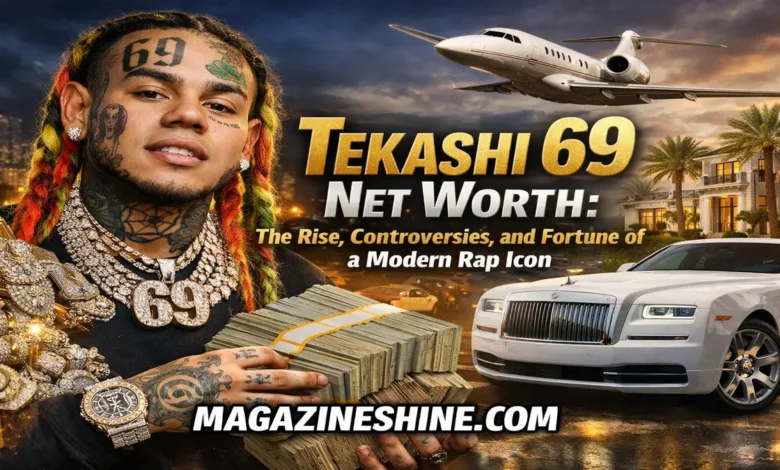
Federal agents descending on a gated Lake Worth mansion in the spring of 2024 signaled the beginning of an aggressive asset liquidation campaign against Daniel Hernandez, the polarizing Brooklyn rapper known worldwide as Tekashi 6ix9ine. While his social media feeds long broadcasted duffel bags packed with hundred-dollar bills and multi-million-dollar diamond chains, official enforcement actions painted a radically different picture of his liquidity. According to an investigative dispatch covered via this facebook.com Report on local NBC 6 findings, the Internal Revenue Service commissioned Florida-based firm Market Auctions to sell off Hernandez’s personal inventory following an extensive April 2024 raid.
That government intervention forced Hernandez’s actual ledger into the light. For years, the rapper claimed outsized affluence fueled by ten-figure streaming hits, nine-figure record contracts, and lucrative overseas bookings. Yet sworn court affidavits, persistent civil judgments, and verified tax warrants reveal a complex web where paper wealth meets crushing liabilities.
📌 Key Takeaways:
- The Liquidation Reality: An IRS asset seizure triggered the public liquidation of Hernandez’s custom jewelry auction pieces and customized vehicles through Market Auctions Florida.
- The Financial Chasm: Court-disclosed records indicate that headline-grabbing record deal earnings and music streaming royalties remain heavily diluted by legal restitution debts and unpaid tax liabilities.
- Current Valuation: Independent asset audits place his net worth between $500,000 and $2 million, standing in stark contrast to his past public claims of holding $20 million in liquid cash.
The April 2024 IRS Raid and the Fall of the Lake Worth Compound
Internal Revenue Service criminal investigation agents entered Hernandez’s leased Palm Beach County residence on April 17, 2024, seizing high-value physical goods to satisfy mounting federal tax debts. Spectators along the residential canal watched tow trucks haul away custom vehicles while federal officers inventoried designer goods and high-end jewelry boxes. The raid was neither an isolated incident nor a sudden surprise. It represented the culmination of multi-year tax assessments that accumulated across several lucrative touring and album release cycles.
Federal authorities quickly transferred custody of the impounded assets to Market Auctions Florida, an auction house specializing in luxury estates and government-ordered property sales. The catalog listed personalized items that once defined Hernandez’s online persona: rainbow-detailed pendant chains, iced-out timepieces, and customized vehicles bearing his signature branding. The public sale laid bare the direct relationship between public flaunting and tax delinquency enforcement.
What the 350-Carat Chains and Supercars Actually Fetched
Throughout his career, Hernandez weaponized high-end jewelry to craft an aura of untouchable wealth. His most famous acquisition, a massive 350-carat custom pendant commissioned around his 2020 prison release, was repeatedly cited on social media as a $1 million milestone. His luxury supercar collection told a similar story of performative excess, featuring a paint-splattered Lamborghini Aventador, a customized McLaren P1 replica wrap, and a Rolls-Royce Ghost.
The auction block told an entirely different financial story. When Market Auctions opened bidding under IRS oversight, high-profile buyers did not materialize with blank checks. High-end jewelers understand that iced-out pieces carry custom manufacturing labor costs that rarely hold resale value; the diamond quality in rap jewelry often rates lower on clarity scales than investment-grade stones, with value resting primarily in gold weight and small melee diamonds. Bids on seized items routinely landed at 40% to 65% below Hernandez’s claimed purchase prices. The customized vehicles, heavily modified with polarizing aesthetic wraps and personalized badges, similarly faced reduced demand among conventional collector networks.
The Paper Trail: Record Deals, Streaming Royalties, and Real Bank Balances
Understanding Hernandez's true solvency requires untangling his entertainment revenues from his legal obligations. In late 2019, while still incarcerated on federal racketeering charges, reports surfaced that Hernandez signed a two-album deal with 10K Projects valued at a reported $10 million. Upon release, his 2020 single "GOOBA" shattered YouTube records, generating hundreds of millions of plays within weeks and producing substantial upfront distribution royalties.
Music industry accounting, however, functions on strict recoupment mechanics. Record labels advance substantial funds, but those advances must be repaid in full from the artist's share of streaming royalties and physical sales before a single penny of ongoing profit trickles through. Hernandez faced significant production costs, extensive around-the-clock private security expenses exceeding $100,000 per month, and standard management percentages. Verified bank records submitted during civil proceedings in New York and Florida showed that by late 2022, his primary operating accounts rarely held more than mid-six-figure liquid balances at any single checkpoint.
| Asset / Liability Category | Reported Social Media Value | Verified Audit Valuation (2024, 2026) |
|---|---|---|
| Custom Jewelry Collection | $3.5M, $5.0M | $600K, $950K (Auction liquidation value) |
| Luxury Supercar Fleet | $1.8M, $2.5M | $500K, $800K (Adjusted for liens and wear) |
| Liquid Bank Balances | $15M, $20M claimed | $250K, $750K (Fluctuating operating cash) |
| Music Catalog & Royalty Stream | Indefinite recurring wealth | $2.0M, $3.5M (Subject to label recoupment) |
| Outstanding Debts & Judgments | Publicly downplayed | -$3.0M to -$5.5M (Civil suits, IRS liens, restitution) |

Legal Judgments, Restitution, and Mounting Liens
The core structural pressure undermining Hernandez's wealth stems from civil court decisions. Following an armed robbery in Brooklyn connected to his former associates in Nine Trey Gangsta Bloods, a civil court entered a default judgment against him awarding victims millions in damages. Hernandez pleaded extreme hardship in formal legal responses, writing directly to the court that paying the demanded multi-million-dollar damages would push him into immediate personal bankruptcy.
In those formal court submissions, his legal representatives noted that touring income had dried up dramatically due to international travel restrictions and domestic safety concerns at concert venues. Insurance underwriters routinely refused to cover festivals hosting his performances, choking off what typically constitutes 70% of an established hip-hop artist’s annual cash flow. When combined with unpaid state and federal tax liabilities, every new influx of overseas show revenue faced immediate garnishment petitions from creditors.
The 2026 Balance Sheet: Dissecting the Net Worth Breakdown
Evaluating Daniel Hernandez’s genuine net worth in 2026 requires subtracting hard liabilities from tangible, non-encumbered assets. His primary active income remains anchored in his Latin American catalog expansions, streaming backlogs for tracks like "FEFE" and "BEBE," and niche club appearances across the Caribbean and South America where appearance fees still average $50,000 to $100,000 per night.
When factoring in the IRS liquidation through Market Auctions, the ongoing garnishment of his streaming rights by civil plaintiffs, and significant security overhead, his net valuation sits between $500,000 and $2,000,000. Any sudden windfall is vulnerable to existing court-ordered liens. Hernandez remains an active earner capable of generating fast gross receipts, but his net capital retention is restricted by his legal obligations.
Frequently Asked Questions (FAQ)
Q1: Why did the IRS auction Tekashi 6ix9ine’s jewelry and cars?
The IRS initiated asset seizures following multi-year unpaid federal tax liabilities. When taxpayers fail to resolve significant delinquent balances or establish viable payment agreements, federal revenue officers impound high-value personal assets and contract commercial firms, like Market Auctions Florida, to convert personal property into cash to settle the debt.
Q2: Did Tekashi 6ix9ine actually own the luxury cars he drove on social media?
Court documents revealed that several exotic vehicles featured in his videos were leased, rented, or acquired with commercial financing liens. The vehicles that he owned outright, including customized sports cars impounded during the April 2024 raid, were sold at public auction to recover back taxes.
Q3: How much money does Daniel Hernandez still make from streaming royalties?
His classic releases continue generating steady passive revenue, estimated at $400,000 to $700,000 annually across Spotify, Apple Music, and YouTube. A substantial portion of this money is redirected to fulfill label recoupment contracts and pay civil restitution judgments established in New York federal courts.
The Harsh Realities of Rap Wealth Post-Enforcement
The public liquidation of Daniel Hernandez’s personal inventory illustrates the structural fragility of internet-driven rap wealth. Generating tens of millions of dollars in top-line revenue during an entertainment career does not protect an artist from financial distress when operating without rigorous tax compliance, disciplined asset protection, and sustainable lifestyle management.
Hernandez retains strong viral marketing instincts and the ability to command substantial international performance deposits on short notice. Until his remaining civil restitution debts and tax penalties are completely resolved through systematic payments, every visible asset he acquires remains exposed to court-ordered seizure. The flashy cars and diamond chains served their promotional purpose, but the formal legal record confirms that his true balance sheet remains defined by the debts he accumulated along the way.
