Inside the 35th Annual Fry: Virginia City Goes Wild for Rocky Mountain Oysters and St. Patrick's Cheers

Plumes of fragrant peanut oil, woodsmoke, and cider vinegar drifted past the wooden boardwalks of C Street this weekend as Virginia City kicked off its 2026 tourism season. Perched at 6,200 feet along the historic Comstock Lode, the preserved silver-mining outpost transformed into a sprawling open-air kitchen for the 35th Annual Rocky Mountain Oyster Fry. Paired with a rambunctious St. Patrick's Day parade and a multi-stop historic saloon crawl, the gathering drew thousands of hungry, beer-toting visitors ready to sample the American West's most famous culinary inside joke.
The festival serves as Storey County's premier spring anchor. As reported by the KOLO | 8 News Now Report, the event signals the official awakening of Virginia City's hospitality schedule after quiet winter months. Cook teams from across Nevada, California, and Idaho fired up commercial propane burners early Saturday morning, prepping hundreds of pounds of beef testicles to satisfy curious first-timers and veteran offal connoisseurs alike.
📌 Key Takeaways:
- The Main Draw: Virginia City celebrated the 35th Annual Rocky Mountain Oyster Fry alongside its St. Patrick's Day parade, turning bull testicles into gourmet festival fare.
- Ranching Roots: The western delicacy originated as a practical byproduct of spring cattle branding, evolving from chuckwagon cast-iron meals into a high-stakes competitive cook-off.
- Economic Impact: The dual festival and saloon crawl injects critical early-season revenue into Comstock businesses, drawing an estimated 6,000 to 10,000 visitors across the weekend.
From Calves Branding Byproduct to Western Delicacy
The term "Rocky Mountain oyster" sounds like an oceanic export, but its origins are rooted in prairie dust. During the 19th century, ranch hands castrated young bull calves across the Great Basin and the Great Plains to manage herd genetics and produce docile steers. Nothing went to waste on the trail. Thrown onto white-hot branding coals or dredged in seasoned flour and tossed into bubbling bacon grease, these glands became a prized seasonal treat known as calf fries, prairie oysters, or swinging sirloin.
Preparing the organ demands patience. Chefs first peel away a tough outer membrane known as the tunica albuginea. Once stripped, the interior meat is tender, slightly spongy, and remarkably lean. Modern butchers slice the meat into quarter-inch rounds, pound it flat with a mallet, and soak it in buttermilk, lemon juice, or salt brine to temper any mineral gameyness. The result is a mild protein that takes on the character of whatever seasoning, smoke, or sauce it touches.
In Nevada cattle country, ranchers never saw the practice as shocking. It was simple thrift. When livestock yields protein through hard labor, discarding nutrient-dense organs made no operational sense. Virginia City embraced this frontier mindset, elevating a ranching byproduct into a badge of cultural endurance.
The 35-Year Transformation of C Street's Signature Cook-Off
Virginia City's cook-off competition began in 1991 as an irreverent local stunt to boost foot traffic during the chilly shoulder season between ski winter and summer tourism. Storey County organizers realized that pairing an audacious food dare with historic western saloons created an irresistible regional hook. Over three and a half decades, the event expanded from a handful of cooks on folding tables into an officially sanctioned culinary battle sanctioned by public ballot and professional judges.
More than a dozen regional teams competed in 2026, vying for bragging rights across categories including Best Overall, Best Presentation, and People's Choice. Cook stations lined C Street, running commercial fryers that consumed thousands of gallons of high-smoke-point oil. Lines stretched down the timber walkways as ticket holders traded sample tokens for small paper boats loaded with fried offal.
The staging demands rigorous logistics. Health inspectors enforce strict temperature controls because organ meat spoils rapidly if improperly handled. Teams keep raw product on crushed ice at or below 38°F before plunging slices into fryers humming at 365°F to 375°F. Speed is critical. Overcooking turns the delicate meat leathery, while undercooking yields an unpleasant chew.
Beyond the Deep Fryer: Culinary Evolution at the Tasting Festival
While traditional cornmeal-crusted deep-fried preparations dominated early editions of the cook-off, recent years have witnessed notable culinary experimentation. Competitive teams treat the organ like high-end sweetbreads or veal scallopini, incorporating regional spices, global street-food profiles, and complex sauces.
| Preparation Style | Key Technique & Batter | Accompaniments | Flavor & Texture Profile |
|---|---|---|---|
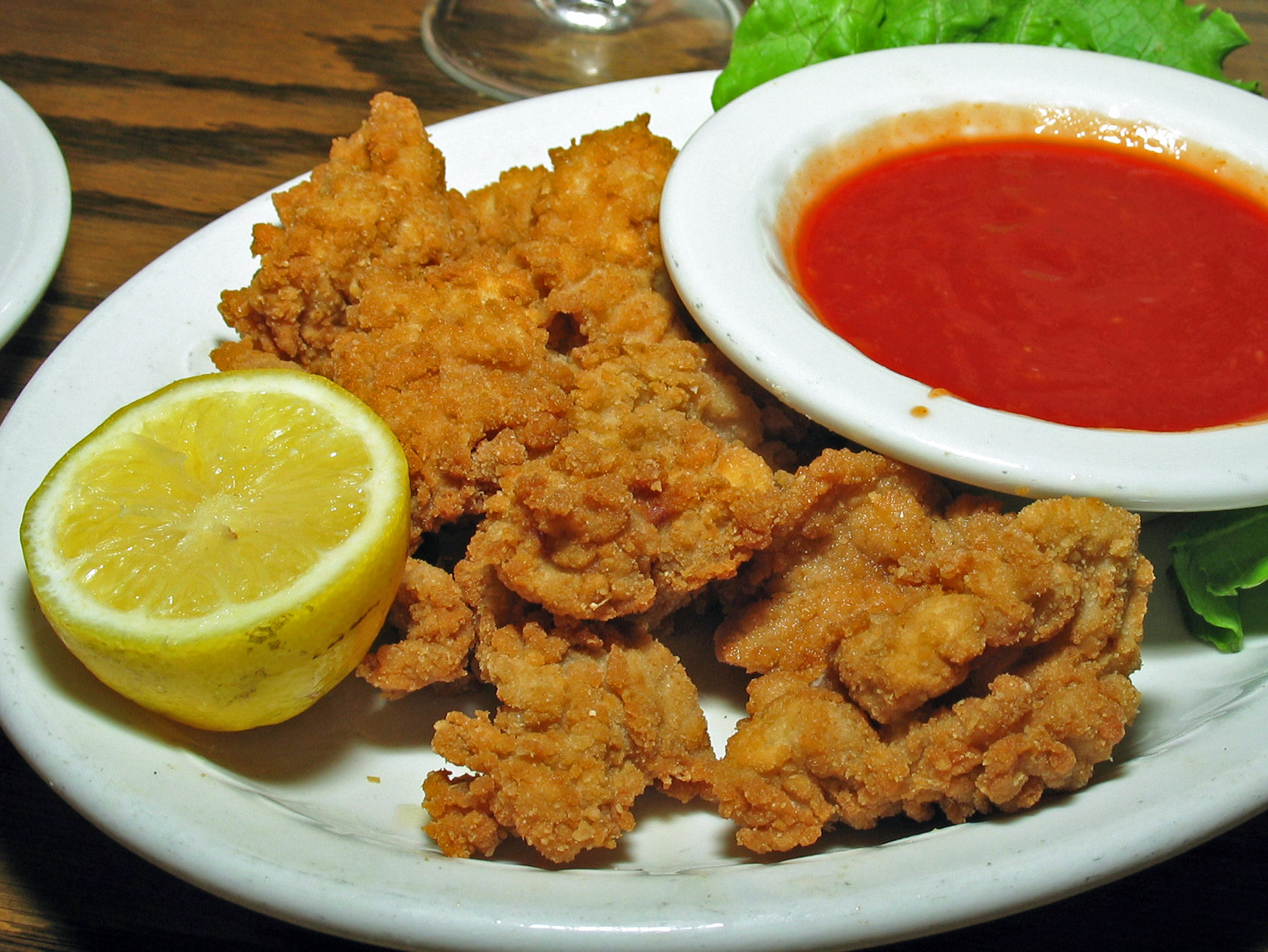
| Classic Frontier Fry | Cornmeal, cayenne, buttermilk dredge | Spicy cocktail sauce, lemon wedges | Crunchy exterior; similar to calamari or gizzards |
| Smoked Comstock Taco | Mesquite slow smoke, flash-seared | Pickled red onions, cilantro-lime crema | Savory, earthy, tender shredded consistency |
| Asian Fusion Glazed | Cornstarch tempura, twice-fried | Sweet chili ginger glaze, scallions | Airy crispness; resembles glazed pork tenderloin |
| Beer-Battered Pub Nugget | Local Nevada stout, garlic, paprika | Horseradish aioli, stout mustard | Hearty malt crunch yielding to juicy interior |
One returning Reno-based team served thinly shaved bull testicles rolled into spring rolls with fresh mint and rice noodles, served alongside a sweet peanut dipping broth. Another crew smoked whole cuts over applewood before flash-frying them and tossing the bites in a Carolina gold mustard sauce. The diversity of dishes dismantled the lingering stereotype that offal is only palatable when buried under half an inch of heavy batter.
St. Patrick's Revelry and the Historic Saloon Crawl
Virginia City rarely holds a festival in isolation. The Oyster Fry coincides deliberately with the town's St. Patrick's Day celebration, creating a street scene awash in kilts, emerald top hats, and vintage western attire. At noon, fire trucks, mounted equestrian units, and high school marching bands paraded down C Street beneath the shadow of historic Victorian brick facades.
The adjoining saloon crawl brought lively traffic into businesses that have operated continuously since the 1870s silver boom. The Bucket of Blood Saloon, the Delta Saloon, and the Ponderosa Saloon opened their historic wood doors to crawlers holding commemorative cups. Bartenders poured pints of Irish stout and green lagers alongside local Nevada spirits. Crawl participants navigated wooden boardwalks between stops, stamping official passports to enter drawings for local prize packages.
The economic bump is substantial for Storey County. Winter in Virginia City can be harsh, with heavy snow closing Geiger Grade and freezing foot traffic. The mid-March event reliably sells out local bed-and-breakfasts, boutique hotels, and RV parks weeks ahead of time. Retailers selling silver jewelry, leather goods, and Comstock history books reported their busiest weekend since October's Nevada Day celebrations.
Tasting Notes: What Newcomers Should Expect
The primary barrier to eating bull testicles is psychological rather than sensory. First-time visitors often expect an overwhelming, unpleasant gaminess. That assumption is inaccurate. The protein itself is surprisingly subtle.
Texture provides the true test. When battered and fried cleanly, the meat presents a bite midway between a deep-fried sea scallop and a tender strip of squid. It yields easily without being mushy. If a cook neglects to trim the connective tissue properly, the meat turns uncomfortably chewy, similar to an overcooked clam strip.
Pairings make a noticeable difference. Acidic condiments, such as horseradish-heavy cocktail sauces, caper tartar sauces, or vinegar-based hot sauces, cut through the natural richness of the organ and the oil from the fryer. A crisp pilsner or a dry hard cider resets the palate between booths, allowing visitors to assess the distinct seasoning rubs each team uses.
Frequently Asked Questions (FAQ)
What are Rocky Mountain oysters made of?
Despite their seafood-inspired moniker, Rocky Mountain oysters are bull testicles. They are usually sourced from beef cattle castrated as young calves during spring branding operations, though testicles from sheep, bison, or pigs are occasionally prepared the same way.
How much does it cost to attend the Virginia City Rocky Mountain Oyster Fry?
Walking C Street, viewing the cook-off booths, and watching the St. Patrick's Day parade is free to the public. Tasting packages and saloon crawl passes typically range from $20 to $55, depending on whether visitors purchase advance tasting tokens, commemorative beer steins, or full VIP crawl packages.
Where do cooks source the meat for the cook-off?
Teams in sanctioned competitions must source meat from USDA-inspected meatpacking facilities or licensed specialty wholesale butchers. Strict food safety guidelines prohibit cook teams from using uninspected meat castrated directly on private ranches without commercial certification.
Preserving Comstock Grit on Nevada's High Desert
Virginia City's affinity for the Rocky Mountain Oyster Fry reflects the rugged identity of the Comstock Lode. The town survived catastrophic mine fires, economic collapse following the demonetization of silver, and long winters that would have emptied less resilient settlements. Celebrating an unconventional cowboy dish keeps that frontier humor alive.
As the fryers cooled on Saturday afternoon and parade streamers blew across the asphalt, crowds lingered inside the brass-lamped saloons, listening to live fiddle music. The festival succeeds because it refuses to sanitize its western heritage. By transforming cattle trail traditions into an open community celebration, Virginia City honors its working-class past with unapologetic flavor, ice-cold beer, and sharp Comstock character.
