Inside the Chick-fil-A Cool Wrap: Ingredients, Regional Variations, and Calorie Proof
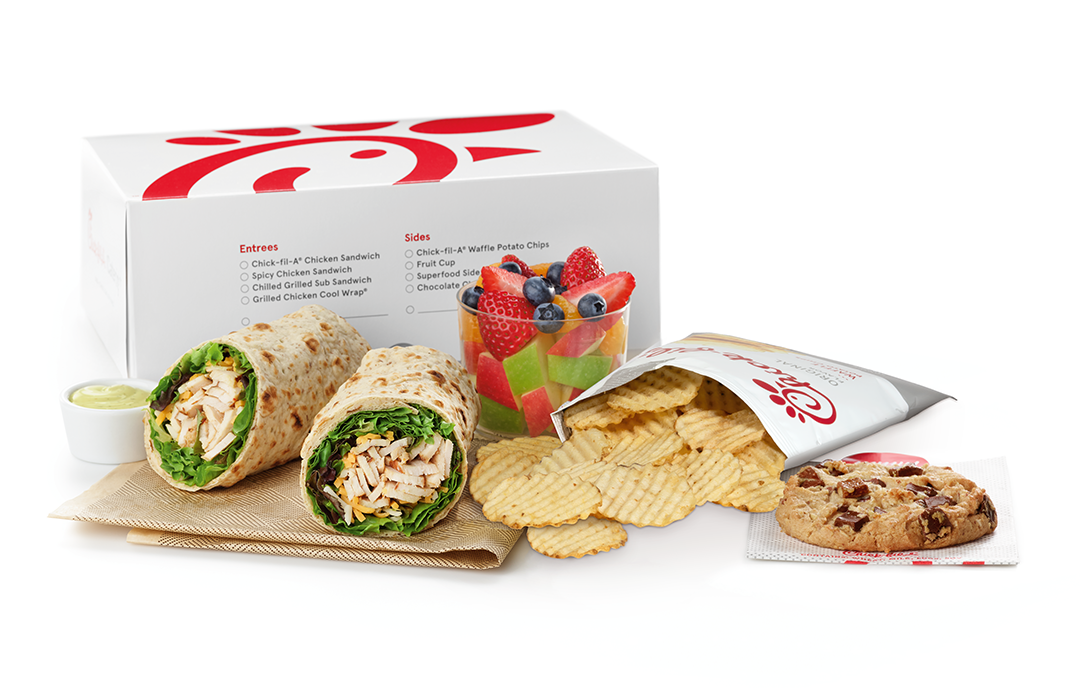
Fast-food drive-thrus are rarely celebrated for delivering genuine metabolic balance, yet the Chick-fil-A Grilled Chicken Cool Wrap occupies an unusual sweet spot in quick-service dining. While deep-fried fillets and heavily salted waffle fries dominate ordering screens, this rolled entree routinely surfaces in health forums as a rare intersection of high protein content per serving and gut-friendly roughage. Menu overhauls and customer expectations continue to clash across major chains, a friction highlighted in a recent Tasting Table Report evaluating the operational shifts diners want to see.
Behind the clean marketing image sits a nutritional profile that can either function as an athlete's ideal meal or an unexpected calorie bomb. The wrap itself provides a structured balance of lean poultry and whole grains, but the default condiments handed through the drive-thru window can alter its baseline profile within seconds. Understanding how this item is constructed, and how regional kitchens tweak the formula, reveals why it remains a top-tier choice for mindful eaters.
📌 Key Takeaways:
- The Baseline Profile: The standalone grilled chicken cool wrap delivers 350 calories, 42 grams of protein, and an impressive 13 grams of dietary fiber.
- The Dressing Trap: Pairing the wrap with the standard avocado lime ranch dressing adds 310 calories and 32 grams of fat, nearly doubling the meal's total energy density.
- Customization Value: Simple low carb modifications, such as ditching the flaxseed flatbread or swapping cheese, allow the wrap to slot into ketogenic, low-sodium, and diabetic meal plans.
The Flaxseed Flatbread Formula Behind the Fiber Numbers
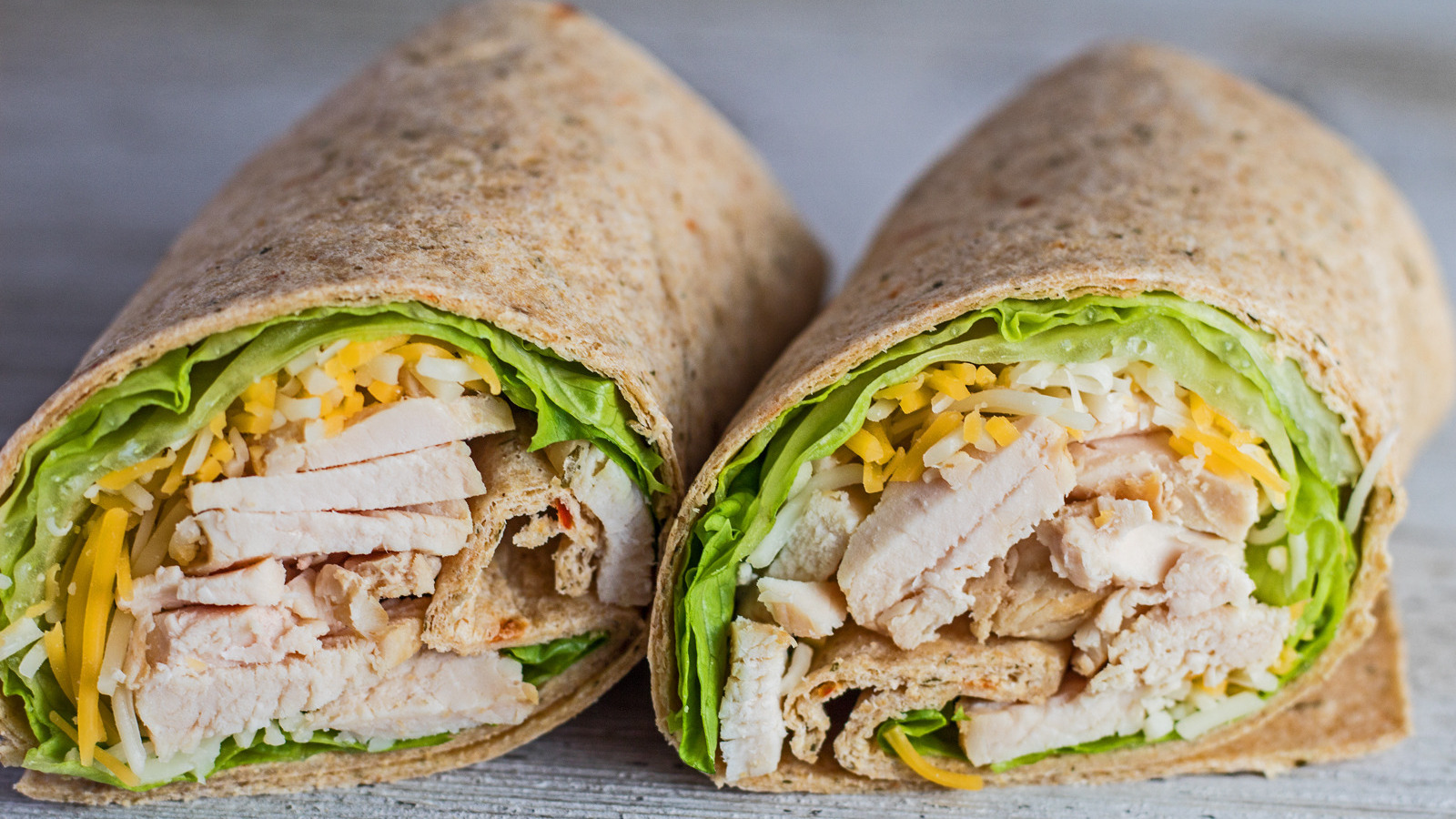
Most commercial flour tortillas are nutritional dead weight, loaded with refined starches that spike blood sugar without offering lasting satiety. Chick-fil-A bypasses this issue by wrapping sliced grilled chicken breast, fresh green leaf lettuce, and a blend of shredded Monterey Jack and Cheddar cheese inside a proprietary flaxseed flatbread. This single structural choice changes the food's digestive profile entirely.
A standard Cool Wrap supplies 13 grams of dietary fiber, an amount rarely found on drive-thru boards. Flaxseed brings soluble fiber, lignans, and plant-based omega-3 fatty acids, creating a dense wrapper that resists tearing while slowing down carbohydrate absorption. Nutrition editors at EatingWell recently classified the wrap among the most effective drive-thru choices for digestive health, specifically praising the flaxseed flatbread for delivering nearly half of an adult's recommended daily fiber intake in a single sitting.
The poultry inside matches the chicken used in Chick-fil-A's grilled nuggets, marinated in a blend of sea salt, lemon juice, garlic, and onion powder before being grilled on cast-aluminum griddles. The interplay of chilled poultry, crisp green leaf ribbons, and dairy fats yields a handheld meal that feels substantial without relying on hot fryer grease.
Decoding the Calorie Count and the Avocado Lime Ranch Trap
The wrap carries an official base calorie count and nutrition facts profile of 350 calories, 13 grams of total fat, 29 grams of total carbohydrates, and 960 milligrams of sodium. For individuals pursuing muscle recovery or caloric deficits, a handheld meal packing 42 grams of protein for under 400 calories represents exceptional efficiency. The trap lies entirely in the condiment pouch handed out with every order.
Cashiers routinely pair the entree with avocado lime ranch dressing. That single dressing packet adds 310 calories, 32 grams of fat, and 520 milligrams of sodium. Tearing open the packet and drizzling it across both wrap halves converts a lean 350-calorie lunch into a 660-calorie feast where fat accounts for more than half the total energy. Diners unaware of this shift often assume they are eating light while inadvertently taking in more fat grams than an order of classic waffle fries provides.
Mitigating this spike does not require eating dry chicken. Dipping rather than pouring dressing cuts sauce consumption by half. Alternatively, switching to Light Italian Dressing (25 calories) or Fat Free Honey Mustard (90 calories) keeps the total calorie count well under 450 while preserving the moisture diners crave.
The Nutritional Blueprint Across Popular Pairings
Reviewing the hard numbers illustrates how sauce selection transforms the wrap from an ultra-lean lunch into a dense meal. The data below outlines the official nutritional variations based on standard Chick-fil-A menu portions.
| Serving Combination | Calories | Total Fat (g) | Dietary Fiber (g) | Protein (g) | Sodium (mg) |
|---|---|---|---|---|---|
| Wrap Only (No Sauce) | 350 | 13 | 13 | 42 | 960 |
| Wrap + Avocado Lime Ranch | 660 | 45 | 14 | 43 | 1,480 |
| Wrap + Light Italian Dressing | 375 | 14.5 | 13 | 42 | 1,340 |
| Wrap + Zesty Apple Cider Vinaigrette | 580 | 32 | 13 | 43 | 1,410 |
| Wrap (Deconstructed, No Bread) | 200 | 8 | 2 | 33 | 580 |
Regional Spicy Variants and Kitchen Modification Hacks
Menu customization is an open secret among frequent Chick-fil-A visitors. In select markets across Texas, North Carolina, and Florida, store operators periodically test a Spicy Grilled Chicken Cool Wrap. This build substitutes standard chilled breast meat for chicken soaked in the chain's signature pepper blend marinade. Customers in standard markets frequently replicate this by ordering a Spicy Southwest Salad and asking kitchen staff to build a custom wrap during off-peak hours, though fulfillment depends heavily on local store policy.
For low carb modifications, ordering the wrap without flatbread converts the entree into an impromptu salad bowl. Stripping the flatbread removes approximately 150 calories and drops total carbohydrates from 29 grams down to roughly 2 net grams, creating an immediate favorite for ketogenic diners. Conversely, requesting extra shredded Monterey Jack and Cheddar increases caloric density for those needing quick energy without adding refined starches.
Large gatherings benefit from Chick-fil-A catering trays, which present these wraps cut into chilled halves or thirds accompanied by dipping bowls. Catering trays resolve drive-thru inconsistency by allowing event guests to control their own sauce distribution, preventing the flatbread from turning soggy during transport.
How Dietitians Assess Chick-fil-A Cool Wraps Against Competitors
Finding dietitian recommended fast food requires sifting through hundreds of overly processed options. When measured against fast-food chicken sandwiches from Wendy's, McDonald's, or Popeyes, which average 500 to 750 calories and exceed 35 grams of refined fat, the Cool Wrap clearly emerges as one of the most reliable healthy fast food alternatives.
A primary clinical concern centers on sodium levels. At 960 milligrams for the wrap alone, the entree consumes over 40% of the American Heart Association's recommended 2,300-milligram daily sodium limit. When paired with commercial salad dressings, total salt content quickly pushes past 1,450 milligrams. Patients managing hypertension or kidney conditions must account for this concentration, even if the macronutrient split appears harmless on paper.
For blood sugar stabilization, the combination of 13 grams of fiber and 42 grams of lean protein prevents the post-lunch energy crashes typical of fried tenders and sodas. Dietitians repeatedly note that the wrap keeps satiety signals active for four to six hours, reducing snacking urges later in the day.
Frequently Asked Questions (FAQ)
Q1: How many net carbs are in the Chick-fil-A Cool Wrap?
A1: The standard wrap contains 29 grams of total carbohydrates and 13 grams of dietary fiber, leaving roughly 16 grams of net carbs without dressing. Removing the flaxseed flatbread reduces net carbs to under 2 grams.
Q2: Is the wrap served hot or cold?
A2: The wrap is prepared chilled. The grilled chicken breast is cooked, cooled, and sliced before assembly with crisp lettuce and cheese inside the flatbread, allowing it to hold shape in refrigerated display cases and catering setups.
Q3: Which dressing has the lowest sodium and calories for the Cool Wrap?
A3: Light Italian Dressing is the leanest choice, adding only 25 calories and 380 milligrams of sodium. Honey Mustard adds 90 calories with 210 milligrams of sodium, making both superior alternatives to Avocado Lime Ranch.
Navigating the Drive-Thru for Maximum Nutrition
The Chick-fil-A Cool Wrap demonstrates how deliberate ingredient selection can rescue fast food from its worst nutritional instincts. By opting for a flaxseed flatbread base, the chain bypassed empty flour calories to produce an entree offering substantive dietary fiber alongside a generous protein payload. Success at the counter, however, demands active ordering. Selecting lighter dressings, monitoring total sodium intake, or ditching the flatbread altogether keeps this road-trip staple aligned with serious health goals.
