Inside the Giant Cauldrons: What Authentic Midwestern Booyah Looks Like
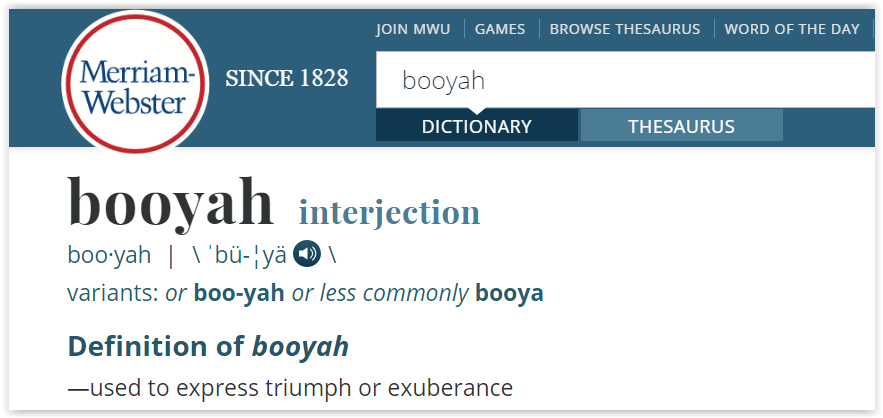
Before dawn in the churchyards and firehouse parking lots across Brown and Door counties, woodsmoke curls into the crisp autumn air. Men known locally as "booyah masters" stand over massive cast-iron and copper kettles, some holding up to 50 gallons, wielding wooden oars that look more suited for rowing boats than stirring soup. While millions around the globe recognize the word merely as an exuberant 1990s catchphrase popularized by late ESPN anchor Stuart Scott, Northeast Wisconsin holds an entirely different definition. Here, booyah is a sacred regional midwestern cuisine: an intensely savory, slow cooked harvest stew rooted in communal gathering, immigrant survival, and culinary patience.
The dish has grown far beyond rural gravel lots. According to coverage in The Capital Times Report charting regional state fair novelties, booyah routinely shares the spotlight with modern culinary spectacles, reminding eaters that Wisconsin's deep-dish comfort food has multi-generational staying power. Yet despite its growing profile across the Upper Midwest, outsiders frequently ask what the word actually signifies and how an outdoor kettle cooking ritual transformed into Green Bay comfort food royalty.
📌 Key Takeaways:
- The Dual Identity: Beyond the slang exclamation origin, "booyah" is a deeply rooted communal meat-and-vegetable stew unique to Northeast Wisconsin and the Belgian settlement corridor.
- Linguistic Genesis: The word stems directly from Walloon Belgian immigrants attempting to pronounce or adapt the French culinary term bouillon (broth) or bouillir (to boil).
- Scale and Execution: True authentic booyah is never cooked in small saucepans; it demands outdoor kettle cooking in 30- to 50-gallon cauldrons simmered over open fires or propane rigs for 12 to 18 hours.
The Belgian Roots Behind Northeast Wisconsin’s Best-Kept Culinary Secret
To understand booyah, one must look at the migration maps of the mid-nineteenth century. Beginning in 1853, thousands of Walloon-speaking immigrants from rural central Belgium settled the peninsula northeast of Green Bay, establishing the largest rural Belgian-American enclave in the United States. They brought with them traditional agrarian survival strategies, clear-cutting dense timber to plant crops and subsisting through bitter Midwestern winters.
When harvest season arrived or parish churches needed to construct buildings, communities staged kermisses, traditional Belgian harvest festivals. Farmers brought whatever provisions they had left in root cellars or coops: older stewing hens too tough for quick roasting, surplus garden root vegetables, and beef or pork shank bones. Everything was dumped into oversized communal vessels set over open wood pits.
Linguists and regional historians trace the bouillon etymology to this exact era. As French- and Walloon-speaking settlers explained their boiling broth (bouillon) to English-speaking neighbors and parish organizers, phonetics warped the term. When newspaper reporters in Green Bay began publicizing church picnics in the late 1800s, phonetic English speakers transcribed the pronunciation as "booyah" or "booya." What began as simple descriptive shorthand for boiled soup became the official moniker for the region's culinary identity.
Two Words, One Spelling: Slang Exclamation Origin vs. Cauldron Stew
Outside the Great Lakes basin, uttering "booyah" brings to mind hip-hop tracks from the late 1980s, animated superhero quips, or Stuart Scott’s electric delivery on SportsCenter. The exclamation represents triumphant energy. That parallel linguistic track developed independently, rooted in urban slang and military exclamation, likely tied to an onomatopoeic blast or gunfire cadence.
Within Wisconsin, however, the word never required athletic highlight reels to hold cultural weight. A Green Bay resident hearing "booyah" thinks of chilly October mornings, folding lawn chairs, empty ice cream pails waiting to be filled, and community church picnic soup. Local news station WLUK famously labeled the dish "Northeast Wisconsin's best kept secret," emphasizing that the stew represents an emotional tether to ancestry rather than a passing colloquialism.
[Walloon Belgian Settlers (1850s)]
│
▼
"Bouillon" / "Bouillir"
(French: to boil / rich broth)
│
▼
Phonetic Drift in NE Wisconsin Parishes
│
▼
Midwestern Booyah (The Stew)
│
───────────────────┴───────────────────
│ │
▼ ▼
Community Fundraisers Modern Fall Menus
(Churches, VFW Halls, (Restaurants, State Fairs,
Fire Departments) Packers Tailgates)
The split between the spoken slang and the simmered stew illustrates how identical words can evolve along radically separated cultural tracks. For Green Bay natives, confusing the two is unthinkable; one is an exclamation, but the other is dinner for three hundred neighbors.
The Anatomy of a Cauldron: How Authentic Booyah Is Built
Authentic Wisconsin booyah is fundamentally distinct from standard beef stew or domestic chicken noodle soup. It is not thick like gravy, nor is it thin like clear broth. The texture sits squarely between the two, driven by gelatin extracted from marrow bones during a brutal, slow-simmered cook cycle.
The process centers on a balanced chicken and beef medley. Stewing hens, favored for their rich fat profile and deep flavor, simmer alongside beef chuck, short ribs, or ox joints for six to eight hours before any vegetables touch the water. The meat is pulled by hand, shredded fine, and returned to the kettle once the bones are discarded. Only then do the vegetables enter in staggered shifts based on their resilience: rutabagas, potatoes, carrots, celery, cabbage, onions, peas, and crushed tomatoes.
Seasoning remains heavily guarded by veteran cooks, but purists keep additives sparse. Salt, coarse black pepper, and bay leaves form the bedrock. The magic comes from duration and mass volume; fifty gallons of dense ingredients cooked over twelve hours yield an unctuous, rich base that impossible-to-replicate stovetop batches simply cannot duplicate.
| Culinary Element | Traditional Northeast Wisconsin Booyah | Standard American Beef Stew | Classic French Bouillon |
|---|---|---|---|
| Cooking Vessel | 30, 50 Gallon outdoor kettle/cauldron | 6, 8 Quart Dutch oven | Stockpot |
| Primary Proteins | Stewing hen, beef bone-in cut, optional pork | Cubed beef chuck | Veal, beef, or poultry carcasses |
| Key Vegetables | Rutabaga, cabbage, carrots, celery, onion | Carrots, potatoes, peas | Mirepoix (onion, carrot, celery), bouquet garni |
| Consistency | Dense, gelatinous soup; spoon-thick vegetable-shred | Heavy, flour-thickened brown gravy | Clear, strained aromatic liquid |
| Cultural Scale | Civic fundraisers, 200, 2,000 servings | Domestic family dinner (4, 8 servings) | Culinary base for sauces/fine dining |

From Volunteer Firehouses to the Wisconsin State Fair
As reported by the Green Bay Press-Gazette, booyah occupies an ambiguous space where locals playfully argue over whether it qualifies as a soup or a stew. The debate matters little to the volunteers operating the fundraisers. In towns like Denmark, Luxemburg, and Champion, civic organizations count on booyah sales to fund their entire annual operational budgets.
The social ritual is rigid. Locals arrive at morning events bearing rinsed four-quart plastic ice cream buckets. They pay by the container, taking gallons home to freeze for winter consumption while eating bowls on-site with sleeve packages of saltine crackers. A proper cook site uses customized stainless-steel stirring oars. At major parish cook-offs, operations consume 300 pounds of beef, 250 pounds of chicken, and 400 pounds of potatoes in a single cook, running from midnight until noon the following Sunday.
The phenomenon is no longer confined to northern churchyards. Vendors at the Wisconsin State Fair in West Allis feature booyah beside deep-fried cheese curds and cream puffs, introducing urban visitors to the rural comfort classic. Simultaneously, industrial kitchens in Green Bay supply localized grocery delis with daily carry-out quarts. The kettle tradition remains supreme, but retail accessibility has anchored the dish into regular weeknight meal rotations.
Why Stovetop Imitations Fall Short of the Kettle Method
Food writers often attempt to scale down booyah for modern apartments, but home cooks consistently note a missing dimension. The discrepancy stems from thermal dynamics and ingredient ratio mechanics that only giant cauldron stew operations can produce.
- Bone Density to Liquid Volume: When simmering sixty pounds of diverse cuts, the collagen extraction creates a natural richness that cannot be matched by two bone-in chicken thighs and a soup bone in a five-quart Le Creuset pot.
- Even Heat Distribution: Thick cast-iron and hand-beaten copper kettles diffuse high-intensity heat from burning hardwood or oversized commercial burners. This produces a steady, non-scorching roll that gently breaks down woody vegetables like rutabaga without obliterating tender potatoes.
- The Paddle Aeration: Continuous, rhythmic stirring with wide wooden paddles introduces subtle aeration into the rendering fats, naturally emulsifying the animal lipids into the vegetable broth rather than letting them float to the top as a separated grease slick.
Without those mechanics, an indoor attempt is simply an admirable vegetable-beef soup. It may taste satisfying, but local purists will politely tell you that without an oar and an outdoor chill, it isn't real booyah.
Frequently Asked Questions (FAQ)
Q1: What is the main difference between booyah and Brunswick stew?
A1: While both are large-batch community stews, Brunswick stew originates in the American South and heavily features barbecue sauce, tomatoes, corn, and lima beans with smoked pork or squirrel. Wisconsin booyah relies on a clear, gelatinous broth seasoned simply with salt and pepper, incorporating rutabaga, shredded cabbage, and a mix of stewing chicken and beef without sweet sauces.
Q2: Why do people eat booyah with oyster crackers or saltines?
A2: The crackers are an essential textural counterbalance. Because true booyah is packed with shredded meats and soft, slow-cooked root vegetables, saltines provide clean salinity and a crisp crunch that cuts through the rich, collagen-heavy broth.
Q3: Can authentic booyah be made in a slow cooker or Crock-Pot?
A3: You can make a flavorful harvest stew in a slow cooker using chicken, beef, rutabaga, and cabbage, but purists do not consider it authentic booyah. The dish relies heavily on high-volume reduction, whole stewing hens, marrow bone extraction, and outdoor kettle cooking that small appliances cannot replicate.
The Living Legacy of Wisconsin’s Communal Kettle
Booyah remains a resilient food tradition because it serves an explicit social purpose. In an era dominated by hyper-convenient meal kits and solitary dining, this Northeast Wisconsin staple still requires dozens of volunteers chopping celery at midnight, tending fires in freezing rain, and feeding entire neighborhoods from a communal pot.
The meaning of the word transforms entirely depending on your geography. To pop-culture fans, it is a burst of celebration; to the working-class families of Green Bay and the Door Peninsula, it is the living taste of immigrant resilience, woodsmoke, and community survival scooped into a plastic pail.
