Inside the NFL's Custom Cleats Craze: From Stefon Diggs to Jaylen Waddle's Game-Day Heat
Inside the NFL's Custom Cleats Craze: From Stefon Diggs to Jaylen Waddle's Game-Day Heat
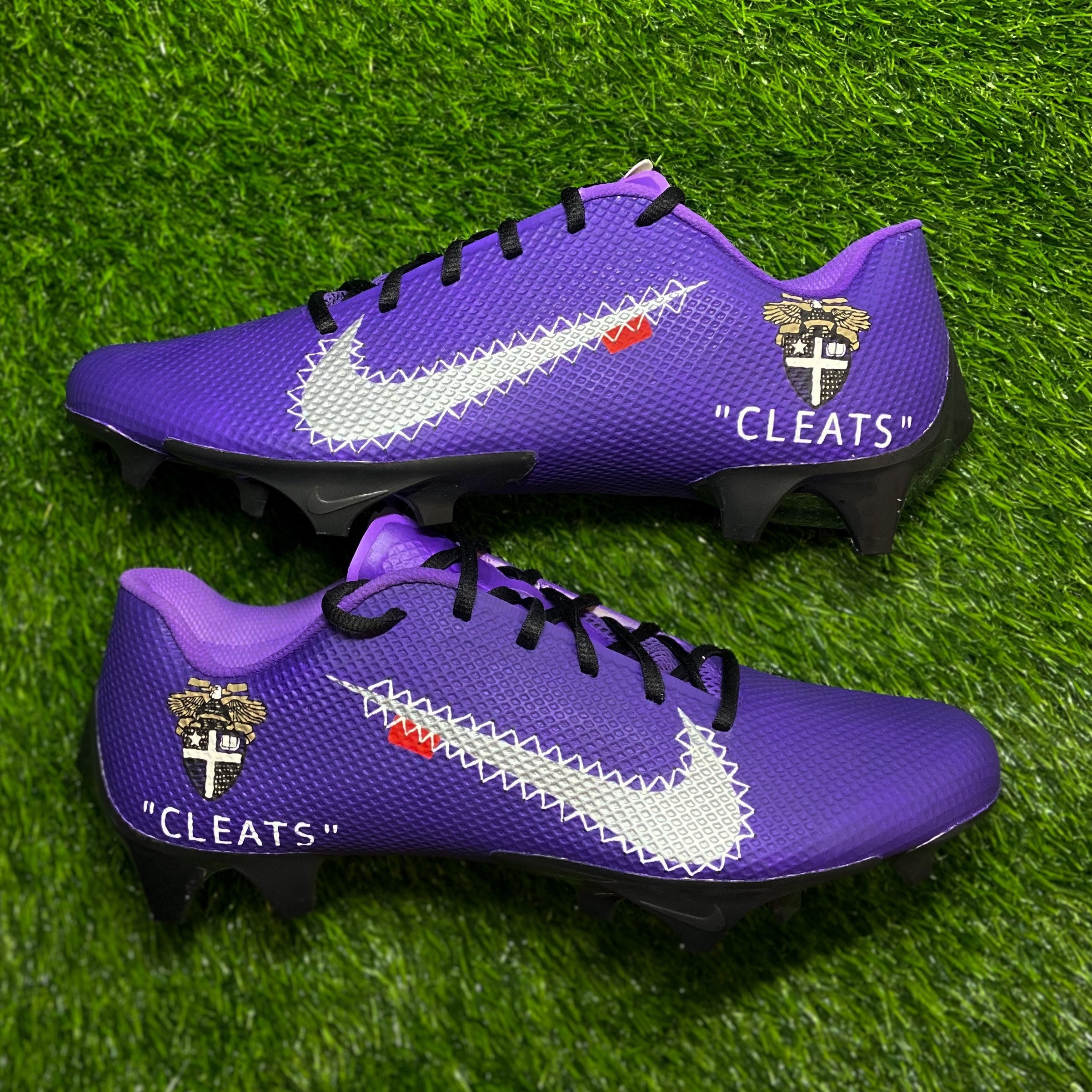
Two hours before kickoff across NFL stadiums, the pregame tunnel transforms into an uninhibited fashion runway. Camera crews bypass standard warm-up drills to zoom in on ankles, capturing hand-painted pop culture portraits, luxury fashion homages, and low-top basketball silhouettes re-engineered with molded studs. What began a decade ago as underground rebellions against uniform fines has evolved into a multimillion-dollar collision of bespoke art and biomechanical engineering. As detailed in a nytimes.com report tracking the evolution of elite performance footwear, athletic giants are combining custom aesthetics with foot scans and rapid manufacturing to rethink how cleats are made from the ground up.
The movement has expanded well beyond surface-level airbrushing. Pro wideouts and defensive backs treat their footwear as primary storytelling canvases, while major athletic labels race to capture sideline attention. Between crossover sneaker conversions and the emergence of precision engineering, the modern custom cleat reflects a delicate balance: personal creative freedom operating within the strict physical demands of professional sports.
📌 Key Takeaways:
- The Aesthetic Shift: Pregame warm-ups have become high-stakes showcases where players debut unreleased crossover sneaker cleats before switching into league-compliant pairs for game action.
- The Technological Leap: Customization has shifted from external paint jobs to internal engineering, integrating foot scan technology and 3D printed cleat plates to improve rotational turf traction.
- The Commercial Impact: Major brands like Nike, Adidas, and New Balance now collaborate directly with independent artists and elite athletes, turning personalized spikes into high-demand retail campaigns.
How Sunday Pregames Became Streetwear's Most Competitive Runway
The league used to police footwear with an iron fist. In 2015, players faced mandatory fines starting at $5,787 for wearing shoes that strayed outside team-designated color palettes. The crackdown only intensified player desire for individuality. When the league relaxed pregame footwear restrictions and institutionalized the annual "My Cause My Cleats" initiative, it inadvertently opened the floodgates for a vibrant underground design economy.
Today, pregame routines serve as curated exhibitions of game-day heat. Wide receivers like Stefon Diggs routinely commission multiple bespoke pairs for a single weekend, treating the warm-up window as an opportunity to debut cultural commentary, artistic collaborations, or subtle psychological warfare against opposing cornerbacks. Independent custom cleat designers, who once operated discreetly out of home garages using standard Angelus leather paint, now run high-volume creative agencies with direct lines to brand executives and team equipment managers.
The sideline buzz has forced mainstream apparel conglomerates to abandon rigid, one-size-fits-all product cycles. When a player commands millions of impressions across social channels before playing a single snap, the footwear carries immense promotional weight. Sidelines are no longer just staging grounds for standard equipment; they are commercial launchpads.
Stefon Diggs, Jaylen Waddle, and the Signature Style Shift
Stefon Diggs has long served as the creative standard-bearer for individualized footwear. His rotation regularly merges classic sneaker culture with immediate cultural moments, highlighted by his hybrid spikes that blend court traction profiles with field studs. Diggs brought modified Ja Morant signature basketball shoes, the Nike Ja 1, onto the turf, collaborating with elite artists to mount low-profile court uppers onto carbon-fiber football chassis. The visual dissonance of a basketball shoe tearing across an outdoor field immediately went viral across social feeds, tracking high on weekly NFL cleats tracker channels.
Jaylen Waddle approaches the medium with playful theatricality. The Miami Dolphins receiver often embraces character motifs, film tributes, and vivid pop-art treatments that mirror his explosive playing style. Waddle's game-day footwear alternates between neon palettes that match South Florida aesthetics and intricate hand-painted narratives celebrating personal milestones. These pieces require dozens of labor hours to prepare, using factory-grade primers and protective sealants engineered to withstand grass stains, lateral torque, and high-impact contact.
The influence stretches across rosters. In Arizona, linebacker Mack Wilson Sr. turned heads by debuting Devin Booker's signature Book 1 basketball silhouette adapted into custom Book 1 football cleats. By translating Booker's skate-inspired lifestyle upper onto a heavy-duty gridiron traction plate, Wilson highlighted the growing player demand for crossover footwear that bridges hardwood aesthetics with punishing gridiron utility.
The Structural Evolution: Hand-Painted Leathers to 3D Printed Football Cleats
Early custom designs were strictly cosmetic. Artists cleaned retail uppers with acetone, applied thin acrylic coats, and heat-set the pigments. While visually striking, paint added weight, cracked under foot flexing, and offered zero performance advantages. Over the past two seasons, the cleat customization process has undergone a full-scale industrial transformation.
| Production Era | Customization Method | Traction & Plate Tech | Durability Window |
|---|---|---|---|
| 2016, 2019 | External acrylic paint, airbrushing, vinyl stencils | Standard injection-molded TPU retail plates | Pregame warm-ups only (cracking within 1, 2 quarters) |
| 2020, 2023 | Direct-to-garment prints, hybrid upper sole-swaps | Modified carbon fiber inserts, glued hybrid outsoles | 1, 3 games before delamination risks arise |
| 2024, 2026 | Digital knit sublimation, foot scan technology, bespoke lasts | 3D printed lattice plates, algorithm-driven turf traction | Full-season structural integrity with factory warranties |
Today, the cutting edge of personalized football spikes is driven by biomechanical laboratories. Major footwear suppliers capture granular data on an athlete's cut angles, sprint acceleration, and foot pressure distribution. As demonstrated by Adidas custom cleats developed using algorithmic design systems, additive manufacturing now allows engineers to print variable-stiffness plates within hours. Stud patterns are positioned to maximize turf traction based specifically on whether a player relies on outside-edge plant foot cutting or vertical toe-off propulsion, blending bespoke art with high-performance sport science.

The Turf War: Corporate Titans Versus Independent Cleat Artists
The custom shoe economy exists in a state of friction between scrappy artists and corporate sports giants. Independent customizers created the market through unpaid cultural groundwork. They built relationships with players, hand-delivered shoes to team hotels on Saturday nights, and drove millions of impressions across digital channels. Yet, as the cultural cachet exploded, sportswear conglomerates moved in to claim the territory.
Major brands recognized that allowing uncontrolled sneaker conversions posed real business and safety liabilities. If a player suffers a severe ankle injury while wearing a basketball shoe modified by an uncertified cobbler, liability questions immediately emerge. In response, brands established in-house personalization programs. Adidas, Nike, and expanding market contenders have invested heavily in rapid-response customization units that deliver modified performance footwear directly to sponsored talent.
New Balance made a high-profile entry into the football landscape, signing premier talent and teasing bespoke lines designed specifically to disrupt the traditional gridiron footwear market. Their introduction of New Balance NFL cleats demonstrated that brand agility now matters as much as heritage. Rather than pushing standard retail colorways, brands provide high-tier athletes with blank-canvas models designed from the base layer to accept custom treatments, turning bespoke culture into an official corporate marketing pipeline.
The Biomechanical Risks of Sole Swaps and Custom Plates
The pursuit of game-day aesthetic heat carries genuine athletic risks. Football produces extreme torsional stress. When a 215-pound skill player plants hard at a 45-degree angle to change direction, the shear force exerted on the cleat's lateral wall is immense. Standard court sneakers are built for hardwood friction and horizontal slides; they are not engineered to withstand structural torsion when anchored into synthetic field turf by twelve metallic or hard-molded studs.
Professional equipment staff maintain quiet skepticism regarding unvetted "sole swaps", the process of taking an iconic streetwear upper and gluing it to a cleat outsole. Unless the lasting board, shank stiffness, and adhesive chemistry are matched precisely to the athlete's foot mechanics, the shoe can deform under load. Inadequate plate rigidity can lead to turf toe, midfoot sprains, or complete blowout failures during live play.
Because of these physical demands, players increasingly follow a strict split routine. The wildest, heaviest artistic conversions are worn strictly during pregame warm-ups for photo opportunities, walk-throughs, and broadcast highlights. When the game clock begins, athletes transition into certified performance spikes featuring factory-bonded outsoles, engineered stud geometry, and personalized footbeds molded directly from laser scans.
Frequently Asked Questions (FAQ)
Q1: Are custom cleats legal for players to wear during official NFL games?
A1: Yes, but with strict parameters. Under the NFL's uniform policy, players can wear expressive custom cleats during pregame warm-ups without design limitations. For live game action, cleats must adhere to team color specifications (typically combinations of white, black, and official team colors), unless designated during special league initiatives like the annual "My Cause My Cleats" weeks.
Q2: How much does a professional custom cleat design cost?
A2: Professional custom jobs generally range between $500 and $3,500 depending on complexity. Basic hand-painted portraits or color changes sit at the lower end, while complex hybrid sole-swaps, exotic material wraps, or custom-molded plates push costs past the $2,000 threshold.
Q3: Do modified basketball shoes offer adequate traction on outdoor grass and synthetic turf?
A3: A standard basketball shoe outsole cannot be used directly on turf; the rubber tread offers virtually no grip on soft ground. True crossover sneaker cleats must undergo a complete outsole conversion, where the original court sole is peeled off and replaced with an authentic cleated plate engineered for specific turf surfaces.
The Future of Bespoke Footwear on the Gridiron
The intersection of athletic performance and individual style on the gridiron has permanently altered how sports apparel is designed, manufactured, and marketed. What started as paint on leather has turned into a sophisticated medium where design houses, digital fabrication labs, and elite athletes share ownership of sideline culture. As scanning tech and 3D printing become faster and cheaper, the line between high-fashion expression and game-day performance equipment will continue to blur, making every Sunday walk-through an unpredictable design showcase.
