Investigating USPS Quishing Scams: How Cybercriminals Exploit Everyday Shipping Habits
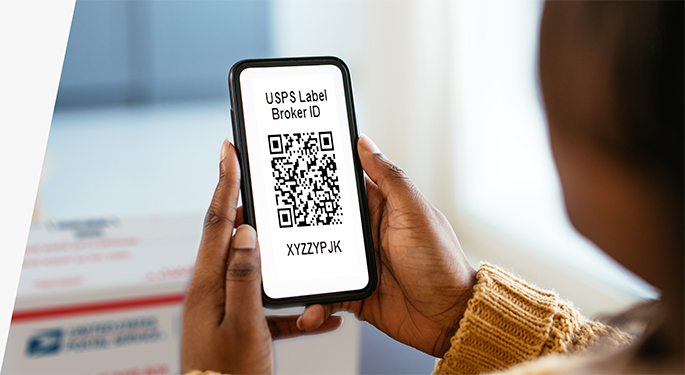
A slip of paper taped to an apartment door or an unsolicited text message warning of an undeliverable package used to be routine logistics hiccups. In 2026, they represent one of the fastest-growing attack surfaces in identity theft. Cybercriminal networks have industrialized the USPS QR code scam, weaponizing everyday delivery anxiety to route unsuspecting consumers into sophisticated credential harvesting rings.
Postal inspectors and consumer protection agencies across the country report an unprecedented surge in this tactic, commonly known as a quishing attack. According to an investigative ConsumerAffairs Report, bad actors are exploiting quick-response barcodes because they effectively bypass standard email filters and mobile security scanners. When a resident scans what appears to be an official United States Postal Service notice, their phone silently loads a spoofed portal designed to drain bank accounts within minutes.
📌 Key Takeaways:
- The Core Threat: Fraudsters are replacing standard delivery notices with deceptive QR codes that send victims to counterfeit postal portals designed to steal banking and personal data.
- The Delivery Trap: Attackers exploit human urgency around missed parcel deliveries, using fake $0.30 to $1.50 "redelivery fees" to extract full credit card numbers.
- Immediate Defense: Authentic postal slips direct recipients to track packages directly via official alphanumeric tracking numbers on USPS.com, never via standalone unsolicited QR redirects.
The Anatomy of a Modern Quishing Attack
QR codes encode arbitrary text, most commonly web addresses. Because a human eye cannot read the encoded pixels of a matrix barcode, users cannot evaluate the destination URL before aiming their smartphone camera at it. Criminal syndicates take advantage of this blind spot by pairing authentic-looking postal branding with urgent prompts.
The scheme often starts through smishing and parcel scams, unsolicited SMS notifications claiming a shipment cannot reach its final address due to an incomplete street name or unpaid customs fee. Increasingly, however, the fraud has moved into the physical world. Fraudsters walk through suburban neighborhoods and urban apartment corridors, affixing a fake failed delivery alert directly onto front doors.
Each notice displays an eagle logo, a barcode, and instructions urging the resident to scan immediately to reschedule delivery within 24 hours. The resulting malicious URL redirect takes the smartphone browser to an off-domain mirror site, often hosted on bulletproof servers with names like `usps-redelivery-tracking-post.com` or spoofed subdomains. Once on the counterfeit page, visitors are prompted to confirm their name, address, Social Security number, and credit card details to cover a minor "handling surcharge."
Physical Door Slips Versus the Legitimate USPS Label Broker QR Code
A major reason these scams deceive so many households is that the Postal Service does utilize legitimate QR codes in select workflows. Differentiating between authentic postal procedures and criminal counterfeits requires understanding how the agency operates.
The genuine USPS Label Broker QR code system exists exclusively for shipping packages, not receiving them. E-commerce platforms and return merchants supply Label Broker barcodes to customers who do not own printers. A customer takes that digital barcode to a retail post office counter, where a postal clerk scans it from the phone screen to print an adhesive shipping label.
In contrast, when a postal carrier leaves a genuine PS Form 3849 missed delivery slip because a package requires a signature or cannot fit in a mailbox, the slip features a distinct tracking barcode and an alphanumeric string. While some newer iterations of the physical slip carry promotional or informational codes directing users to tools like USPS Informed Delivery, carriers never leave generic, unaddressed flyers demanding an urgent scan to pay an unexpected fee.
| Indicator | Authentic USPS Notice (PS Form 3849) | Fraudulent Quishing Notice |
|---|---|---|
| Tracking Identifiers | Contains an individualized 20, 22 digit tracking number linked to an actual package. | Contains a generic barcode or static QR code without a valid system tracking number. |
| Redelivery Charges | Free. The postal service does not charge re-attempt fees for standard residential mail. | Demands nominal redelivery or storage charges, usually ranging from $0.35 to $3.00. |
| Destination Domain | Strictly routes to tools.usps.com or reg.usps.com. | Obfuscated third-party domains, URL shorteners, or top-level domains like .top or .icu. |
| Information Requested | Recipient address and delivery preferences only. | Debit/credit card details, CVV, billing ZIP, and full personal identifying information. |
Federal Warnings and the Mechanics of Package Tracking Fraud
The rapid escalation of postal service phishing prompted an updated FBI QR code warning alerting consumers that threat actors have combined traditional social engineering with automated infrastructure. The United States Postal Inspection Service (USPIS) points out that scammers rely on volume. By deploying thousands of text messages and door notices simultaneously, they inevitably hit consumers actively awaiting online retail orders.
During investigations covered by local news networks like Fox 59 and WREG, investigators recovered batches of fake delivery stickers distributed across major metropolitan areas. When analyzed in cybersecurity sandboxes, the embedded links initiated multi-step redirection chains. Rather than taking the victim directly to a static fraudulent form, the malicious link queries the visitor's device. Mobile devices are sent to an interactive web page cloned straight from the official postal site, complete with working navigational links to legitimate terms of service pages.
The capture mechanism happens behind the scenes. When a victim inputs payment data to pay a fictitious $0.45 redelivery fee, an automated script runs the card information in real time through illicit merchant gateways. The moment the transaction goes through, the cybercriminals have harvested both valid payment details and enough identity data to open secondary lines of credit.

Spotting Counterfeit Redirects Before Entering Sensitive Data
Defeating quishing attacks requires shifting focus away from visual branding toward technical verification. Cybercriminals easily replicate fonts, color schemes, and official agency emblems. They cannot, however, fake high-level internet architecture.
When pointing a smartphone camera at any barcode, iOS and Android operating systems display a small yellow or grey preview box revealing the exact web address. Inspect that domain carefully:
- Verify the Domain Root: The authentic website is `usps.com`. Any URL that places "usps" alongside hyphens or words before the dot, such as `usps-tracking-portal.com`, is fraudulent.
- Beware of Obfuscated Shortlinks: Legitimate public agencies do not process sensitive delivery updates through bit.ly, tinyurl, or anonymous link wrappers.
- Check for Security Flags: Modern mobile browsers often flag recently registered domain names. If your browser warns that a site was registered only days ago or lacks an established certificate, exit immediately.
Most importantly, keep shipping workflows separated from unexpected physical or digital prompts. If you receive an alert stating a parcel has stalled, disregard the embedded button or QR code entirely. Open a separate browser tab, navigate directly to `tools.usps.com`, and paste the tracking number by hand. If the tracking number returns an invalid result, the initial notice was a scam.
Frequently Asked Questions (FAQ)
Q1: Does the USPS ever ask for payment via a QR code to redeliver a missed package?
A1: No. The Postal Service does not charge residential customers to reschedule delivery for ordinary packages or letters. Any notice claiming a missed parcel requires an immediate $0.50 to $3.00 credit card transaction to prevent return-to-sender is fraudulent.
Q2: What happens if I scanned a malicious QR code but did not enter any financial details?
A2: Simply scanning a code and loading a browser page carries lower immediate risk than submitting a form, but your device may still have logged an active IP address or downloaded tracked cookies. Clear your mobile browser cache, review recently downloaded files, and monitor your device for abnormal browser redirects.
Q3: How should I respond if I already entered my credit card and address on a fake tracking portal?
A3: Contact your financial institution immediately to freeze or cancel the compromised card and dispute any unauthorized pending charges. Place a fraud alert on your credit profile through Equifax, Experian, or TransUnion to stop identity theft, and file a formal report with the Postal Inspection Service at `uspis.gov`.
Defending Your Mailbox Against Digital Hijackers
The line separating physical mail theft from digital fraud has blurred. As commercial deliveries expand, cybercriminal operations will continue targeting consumers through the simplest path available: everyday home routines.
A delivery notice should prompt verification rather than immediate compliance. Rely on centralized tracking accounts such as Informed Delivery, treat unprompted door stickers with skepticism, and keep barcode scanners away from payment screens. Maintaining that layer of friction protects your private financial data from vanishing into an offshore server.
