Is 1/8 Cup Really 2 Tablespoons? The Math Behind US vs Imperial Cooking Units
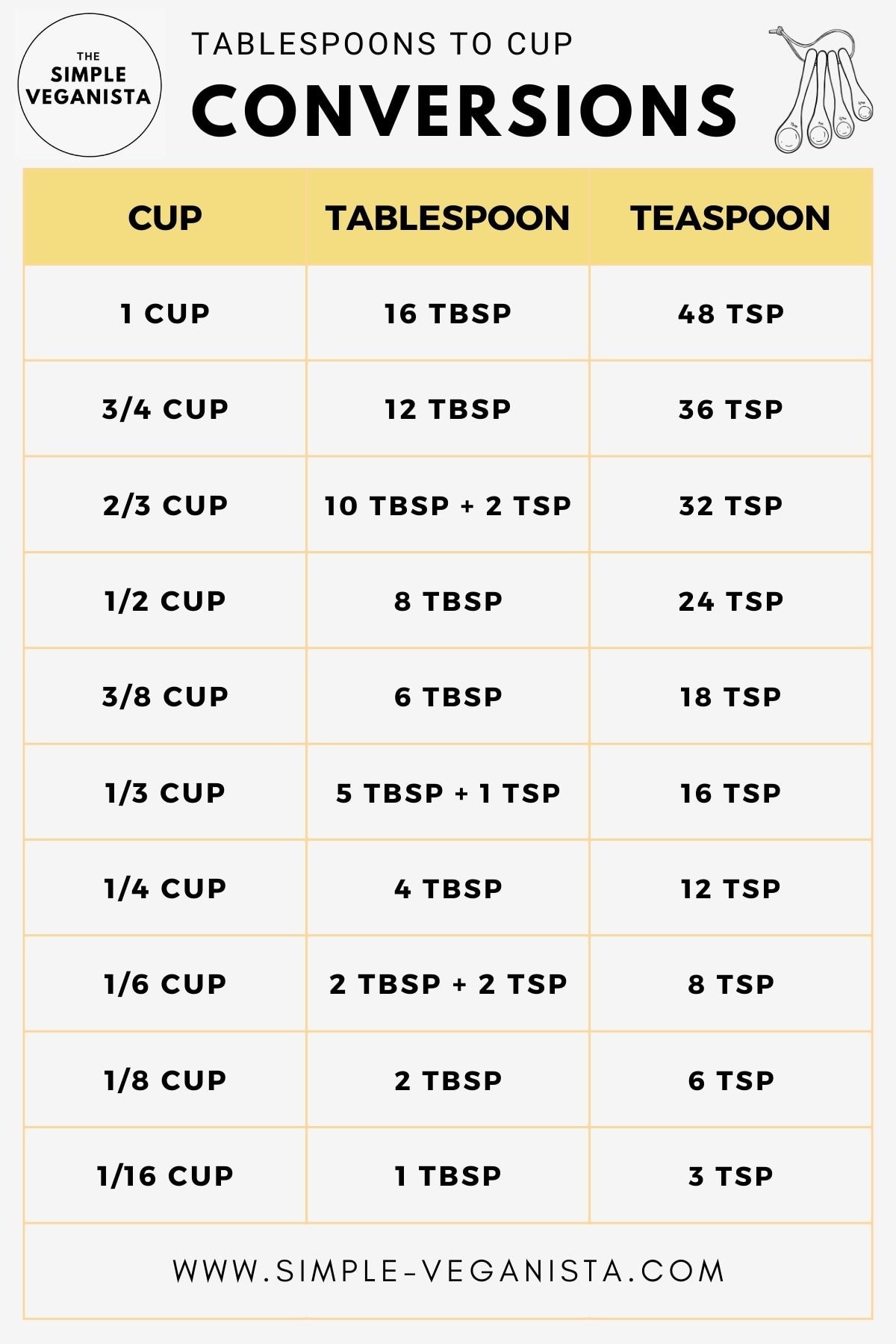
In standard US customary units, exactly 2 tablespoons make up 1/8 cup. This equates to 6 teaspoons or precisely 1 fluid ounce (29.57 milliliters). While the mathematical equation appears straightforward on paper, home cooks frequently watch delicate recipes collapse because volume conversions rarely translate cleanly between dry flour, liquid extracts, and foreign recipe benchmarks.
Kitchen measurement discrepancies remain a notorious source of baking failures. When working with small portions, minor hand-scooping variations can shift fat-to-flour ratios by double-digit margins. Recent analysis from a Southern Living Report underscored how uneven dry-to-liquid conversions complicate everyday baking projects, driving culinary professionals to favor gram-weight accuracy over nested measuring cups.
📌 Quick Summary:
- The Direct Conversion: Exactly 2 level tablespoons equal 1/8 US cup, which also equals 6 teaspoons or 1 US fluid ounce.
- The Structural Problem: Dry powders pack inconsistently, meaning two scooped tablespoons of flour can introduce up to 25% excess mass compared to settled volume.
- International Divergence: A US tablespoon is 14.79 ml, whereas an Australian tablespoon holds 20 ml, creating substantial hydration errors in cross-border baking formulas.
The Direct Math: Breaking Down Cups, Spoons, and Fluid Ounces
American culinary math relies on an escalating base-two volume structure. One standard US cup contains 16 level tablespoons. Halving that yields 8 tablespoons in a half-cup, 4 tablespoons in a quarter-cup, and 2 tablespoons in an eighth-cup.
Each US tablespoon breaks down further into 3 teaspoons. Therefore, 1/8 cup provides 6 teaspoons. In liquid terms, this represents 1 US fluid ounce, or roughly 29.57 milliliters. Most residential measuring spoon sets bypass an eighth-cup vessel entirely. Manufacturers assume bakers will reach for the 1-tablespoon measure twice. For wet ingredients like milk, oil, or vanilla extract, doubling a tablespoon yields acceptable precision. For compressible dry goods, that assumption unravels quickly.
Liquid Volumes Versus Dry Scooping: Why Measuring Tools Drift
Liquid measuring cups and dry measuring cups look different because they address different physical dynamics. A transparent liquid measuring cup relies on extra headroom above the graduated lines so users can carry fluids without sloshing. It depends on reading the liquid meniscus at eye level. Dry cups, conversely, feature flat, level rims engineered specifically to be swept flat with an offset spatula or straight knife edge.
Scooping dry powders using nested spoons introduces compaction. Plunging a tablespoon directly into a bag of confectioners' sugar or unbleached flour compresses the particles into the hollow of the tool. Two dipped tablespoons of flour frequently weigh 19 to 21 grams. In contrast, flour sifted and spooned into an eighth-cup measure typically weighs 15 to 16 grams. That 5-gram variance represents a 30% surge in flour, drying out cookie doughs and stiffening delicate batters.
US Customary, British Imperial, and Australian Measurements Compared
The global culinary landscape features three divergent definitions of cups and spoons. British imperial recipes, traditional US recipes, and Australasian metric formulas do not match. When an online recipe specifies 1/8 cup or two tablespoons, identifying the author's nationality prevents catastrophic textural errors.
| Unit Standard | Tablespoon Volume | Teaspoons per Tablespoon | 1/8 Cup Equivalent (ml) |
|---|---|---|---|
| US Customary | 14.79 ml (0.50 fl oz) | 3 tsp | 29.57 ml |
| US Legal (FDA Food Labeling) | 15.00 ml | 3 tsp | 30.00 ml |
| Metric / Commonwealth (UK, Canada) | 15.00 ml | 3 tsp | 31.25 ml (based on 250 ml cup) |
| Australian Metric | 20.00 ml | 4 tsp | 31.25 ml (requires 1.56 tbsp) |
In Australia, a tablespoon is legally defined as 20 milliliters containing 4 metric teaspoons. Using two Australian tablespoons to satisfy an American recipe calling for 1/8 cup introduces 40 milliliters of liquid instead of 29.57 milliliters, a 35% hydration surge that can liquefy cookie doughs and ruin pastry crusts.

How Micro-Measurement Errors Sabotage Delicate Baking Ratios
Culinary formulas operate on chemical ratios. Yeast fermentation, gluten network development, and starch gelatinization depend on precise liquid-to-solid balances. When home cooks tackle small fractions like 1/8 cup, tolerances narrow dramatically.
Consider an enriched brioche dough calling for 1/8 cup of softened butter. Two level tablespoons deliver exactly 28.35 grams (1 ounce) of fat. If a baker scoops unevenly, using two heaping tablespoons, the added fat reaches roughly 38 grams. That extra fat coats flour proteins excessively, suppressing gluten formation and leaving the finished loaf dense rather than airy.
The inverse hazard occurs with leaveners and salts. If a formula calls for 1/8 cup of Dutch-process cocoa powder, misjudging the volume by half a tablespoon alters dough pH and moisture absorption. At low total recipe volumes, small absolute errors turn into immense percentage variations.
Modern Digital Kitchen Scales and the Shift Toward Metric Precision
Commercial bakeries abandon volumetric spoons for raw mass. Digital scales reading to 0.1-gram increments remove the friction of converting tablespoons to cups. Ingredients maintain stable weight regardless of ambient humidity, packing density, or measuring spoon shapes.
A standard 1/8 cup measurement of common kitchen staples converts to distinct gram weights:
Granulated white sugar weighs approximately 25 grams per 1/8 cup. All-purpose flour settles at roughly 15.6 grams. Unsalted butter registers at 28.35 grams, while dense liquids like honey or maple syrup reach roughly 42 to 43 grams within that identical two-tablespoon footprint. Relying on an inexpensive electronic scale eliminates mental conversions entirely, sidestepping nested spoon inconsistencies.
Frequently Asked Questions (FAQ)
Q1: How many teaspoons are in 1/8 cup?
A1: There are exactly 6 US teaspoons in 1/8 US cup. Because 1 tablespoon equals 3 teaspoons, 2 tablespoons equal 6 teaspoons.
Q2: Can I use a liquid measuring cup for 1/8 cup of dry ingredients?
A2: Avoid doing so. Liquid measuring cups make it impossible to level off dry goods cleanly, routinely causing 10% to 25% excess dry weight through settling.
Q3: What is 1/8 cup in fluid ounces?
A3: In US customary measurements, 1/8 cup equals exactly 1 fluid ounce (fl oz), or 29.57 milliliters.
Q4: Why don't standard measuring spoon sets include an eighth-cup spoon?
A4: Manufacturers omit 1/8 cup spoons because 2 tablespoons provide the exact mathematical equivalent, keeping toolsets compact and production costs lower.
Precision Standards for the Modern Home Baker
The basic conversion will always remain constant: 1/8 cup equals 2 tablespoons in American kitchens. Memorizing that baseline ratio prevents mid-recipe panic when an eighth-cup scoop is nowhere to be found.
Achieving consistent results across sensitive recipes requires looking past simple volume shortcuts. When working with dry goods, level your tablespoons cleanly with a flat edge rather than packing ingredients straight from the bag. For critical baking, transition to a digital gram scale. Taking the guesswork out of kitchen fractions ensures your crusts, cakes, and breads turn out exactly as intended.
