Is Airbnb Still Worth It in 2026? Inside the New Host Fee Backlash and Identity Crisis
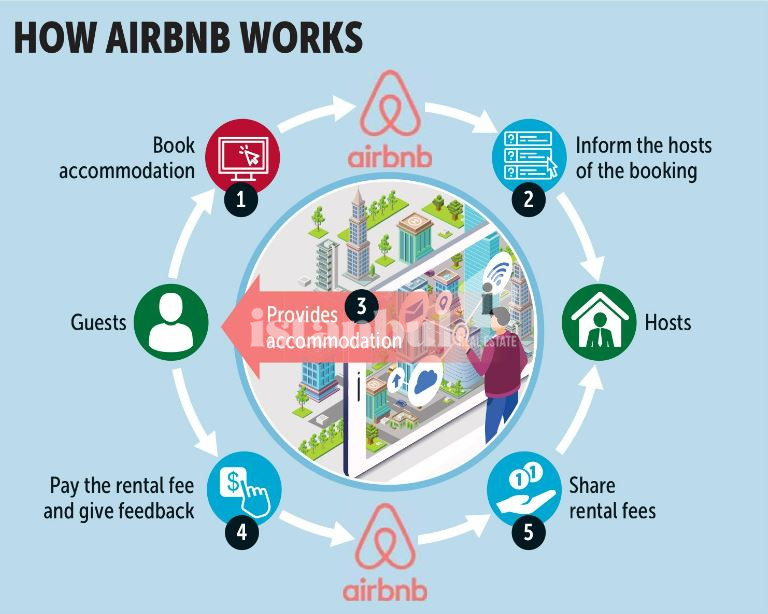
Airbnb began eighteen years ago as a scrappy San Francisco project where founders rented out air mattresses to design conference attendees. In 2026, the company operates as an institutional short-term rental platform generating tens of billions of dollars in gross booking value. Yet the platform finds itself caught in an intense identity crisis. Guests are exasperated by hidden costs and unpaid domestic labor, while property owners face tighter margins, shifting tax rules, and local legal hazards.
According to an investigative analysis published in the RSU by PriceLabs Report, the platform's stated 15.5% commission rate conceals a much steeper reality across Europe. Unregistered small hosts end up paying an effective rate between 18.4% and 19.1% once domestic value-added tax gets tacked onto platform fees. At the same time, viral customer disputes and costly squatter standoffs across the United States have forced travelers and property owners alike to ask an essential question: what is Airbnb actually offering in today's travel marketplace?
📌 Key Takeaways:
- The European Commission Burden: Small property operators face an effective platform deduction between 18.4% and 19.1% due to domestic VAT assessments levied on digital platform service charges.
- Guest Pushback on Household Chores: The platform's push toward total price display tools has reduced surprise checkout fees, but extreme host checkout instructions continue to erode user goodwill.
- Legal Exposures in Long-Term Stays: Stays exceeding 30 consecutive days can trigger municipal tenancy protections, leaving homeowners vulnerable to protracted civil evictions when guests refuse to vacate.
From Spare Bedrooms to Commercial Portfolios
To understand why public sentiment around Airbnb has curdled, one must look at how the inventory changed. The initial pitch was simple: authentic neighborhood hospitality through a community-driven home sharing marketplace. Travelers saved money compared to downtown hotels, while regular residents made extra cash to offset their mortgages. That early premise created massive brand loyalty and propelled the company through its December 2020 initial public offering.
That neighborhood setup has largely been replaced by commercial operations. Commercial operators, multi-property syndicates, and corporate arbitrage firms now control a commanding share of active urban listings. Properties are frequently acquired solely to generate short-term yields, managed by off-site agencies, and cleaned by outsourced contractors. This professional shift streamlined keyless check-ins, but it stripped away the warmth that originally defined the service. When corporate balance sheets dictate pricing, guests end up paying premium rates while absorbing the operational costs of maintaining residential properties.
The Hidden Realities of European Host VAT Math
Platform economics look dramatically different depending on which side of the transaction you occupy. Many operators have sounded the alarm over how digital service taxes and regional value-added tax rules bite into small-scale revenue. When Airbnb quotes a flat host commission, independent operators without corporate tax registrations bear an unadvertised surcharge.
The PriceLabs analysis published in July 2026 demonstrated that European Union tax authorities treat platform processing services as taxable electronic commerce. If an individual host is not VAT-registered, the standard 15.5% Airbnb service fee incurs an additional domestic VAT charge of 19% to 23%, depending on the country. That brings the real operational cut to roughly 18.4% to 19.1% of host earnings. Small property managers working on slim profit margins find themselves subsidizing administrative taxation without receiving any commercial write-offs, sparking widespread host migration toward direct-booking engines.
Chores, Cleaning Charges, and the Friction at Checkout
While hosts wrestle with fee calculations, travelers encounter frustrations when settling into their rentals. As reported by financial consumer monitor NerdWallet in late December 2025, Airbnb introduced systematic measures to rein in runaway cleaning fees breakdown structures. The company deployed an optional total price display toggle, allowing users to see all service and maintenance charges upfront before selecting a stay. That update brought needed transparency, yet behavioral complaints persist across social media.
In July 2026, The Mary Sue reported on a viral case in Georgia where an owner reprimanded a guest for sliding a living-room sofa a few inches to access an electrical outlet for a laptop. The owner accused the traveler of disrespecting the property, prompting online commentators to joke about an impending "oxygen fee" for breathing rental air. Days later, a report from CafeMom highlighted listings requiring visitors to strip beds, run laundry cycles, scrub bathroom counters, and take municipal bins to the curb, all while charging compulsory cleaning fees running anywhere from $150 to $350 per reservation.
These rigid host checkout instructions strike travelers as excessive. When guests pay hospitality prices that match or exceed boutique lodging, they expect basic turnover services to be handled by the business.

Vacation Rental vs Hotel: Comparing the 2026 Experience
Travelers assessing accommodation options face a fundamentally altered market. A decade ago, residential rentals were substantially cheaper than established hotel rooms in most major metropolitan centers. By 2026, parity has settled in, forcing a line-by-line evaluation of convenience, financial risk, and cancellation penalties.
| Feature & Cost Factor | Airbnb Listings (2026) | Standard Hotel Properties |
|---|---|---|
| Base Pricing Mechanics | Nightly rate + cleaning fee + service fee + local occupancy taxes | Nightly room rate + local hotel tax (occasional resort fees) |
| Departure Expectations | Variable chore lists (trash sorting, dishwashing, bed stripping) | Zero cleaning obligations; room key drop-off at front desk |
| Cancellation Flexibility | Strict, firm, or moderate guest cancellation policy chosen by host | Typically free cancellation up to 24, 48 hours prior to arrival |
| Dispute Resolution | Company claims adjudication via AirCover protection program | On-site duty managers with immediate room-swapping capabilities |
| Ideal Group Size | Large family gatherings, multi-room groups, extended 7+ day stays | Solo corporate travelers, couples, short 1, 3 night city trips |
The calculation is stark: for solo business travelers or couples staying two nights in downtown Seattle or London, hotels provide predictable billing and fewer departure obligations. For an extended family needing four bedrooms, a full kitchen, and laundry machines, home rentals retain clear practical utility.
Extended Stays and the Danger of Squatter Rights
To capture remote workers and mid-term digital nomads, the company spent years aggressively advertising month-long reservations. That expansion exposed homeowners to major civil real-estate pitfalls. When a booking crosses municipal duration thresholds, standard platform protections run into municipal tenant laws.
In July 2026, ABC7 Los Angeles reported on an incident in Hermosa Beach, California, where a homeowner found herself locked in an eviction battle. A guest booked a long-term reservation, stayed past the checkout date, and refused to leave. Because the reservation exceeded 30 consecutive days, California civil code granted the individual full legal tenancy rights. The homeowner could not lock the doors, cut utilities, or summon police officers to remove the occupant for simple trespassing.
Such disputes reveal the outer limits of AirCover protection. While the platform's insurance covers certain physical structural damages and property losses up to multi-million-dollar limits, it cannot bypass state housing courts. Removing an entrenched squatter involves thousands of dollars in legal retainers, civil process servers, and court dockets that take six to twelve months to resolve.
Who Should Use Airbnb in 2026, and Who Should Avoid It
Given the shifting economic conditions and platform policies, travelers need clear rules of thumb before booking a property:
Ideal Use Cases:
Large family groups traveling together benefit immensely from shared living spaces, private yards, and full kitchens. Stays running longer than a week in rural or recreational destinations, like ski towns or coastal villages lacking commercial resorts, offer unmatched space and utility. Guests seeking reliable quality should look specifically for properties meeting rigorous superhost requirements, which mandate sub-1% host cancellation rates and an aggregate review score above 4.8 stars.
When to Walk Away:
Quick one-night or two-night stopovers in metropolitan hubs carry disproportionate cleaning fees that destroy the unit economics. Travelers on tight timelines who cannot afford administrative delays if an HVAC unit breaks should stick to serviced hotels. Anyone uncomfortable with performing cleaning duties while paying standard lodging fees should reconsider.
Frequently Asked Questions (FAQ)
Q1: What is Airbnb and how does it make money?
A1: Airbnb connects property owners with travelers seeking temporary lodging. The business generates revenue by taking commission cuts from both sides of every booking: charging hosts an operational listing fee (historically around 3% for split-fee setups or 15.5% for host-only models) while charging guests an Airbnb service fee ranging from 14% to 16% of the booking subtotal.
Q2: Why are cleaning fees on Airbnb often so high?
A2: Unlike hotels that employ salaried housekeeping staff, individual hosts must hire third-party residential cleaning companies. Professional cleaning crews charge flat independent rates between $100 and $300 to sanitize an entire home, wash bedding, and restock supplies, which hosts pass directly to guests regardless of whether the stay lasts one night or ten.
Q3: Does Airbnb protect owners if a guest refuses to check out?
A3: Airbnb offers support lines and damage coverage under its AirCover program, but it possesses no legal authority to forcibly evict individuals. If a reservation exceeds local tenant-rights thresholds (commonly 30 consecutive days in jurisdictions like California and New York), the owner must pursue formal eviction proceedings through local civil housing courts.
The Changing Economics of the Short-Term Rental Market
Airbnb is navigating its most challenging identity transition to date. The era of casual room renting has given way to professionalized real estate operations subject to strict city limits, mandatory registration registries, and complex European VAT adjustments. Simultaneously, consumers are pushing back against inflated cleaning charges and exhaustive checkout chore checklists.
The platform continues to hold real utility for travelers who need whole houses, kitchen facilities, and space for multi-generational groups. But for standard city travel, the cost advantage that once propelled the company has largely evaporated. As travelers cross-reference room rates against full-service hotels and hosts crunch their true after-tax fee margins, the company's place in the travel ecosystem is becoming that of a specialized marketplace rather than the default lodging choice.
